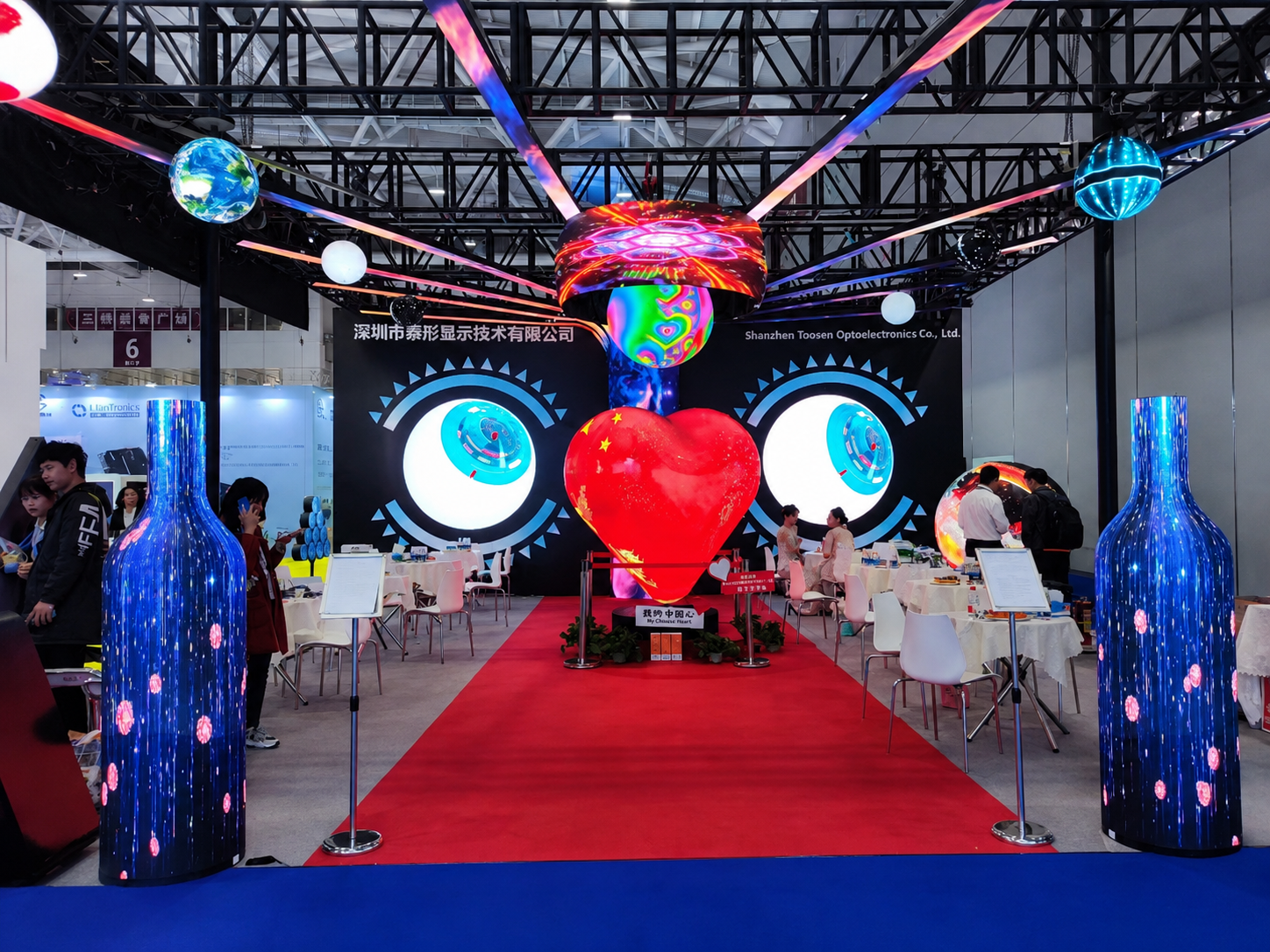
Avoid common mistakes when ordering a custom shaped LED display, from pixel pitch and module design to mapping, installation and spare parts.
Read more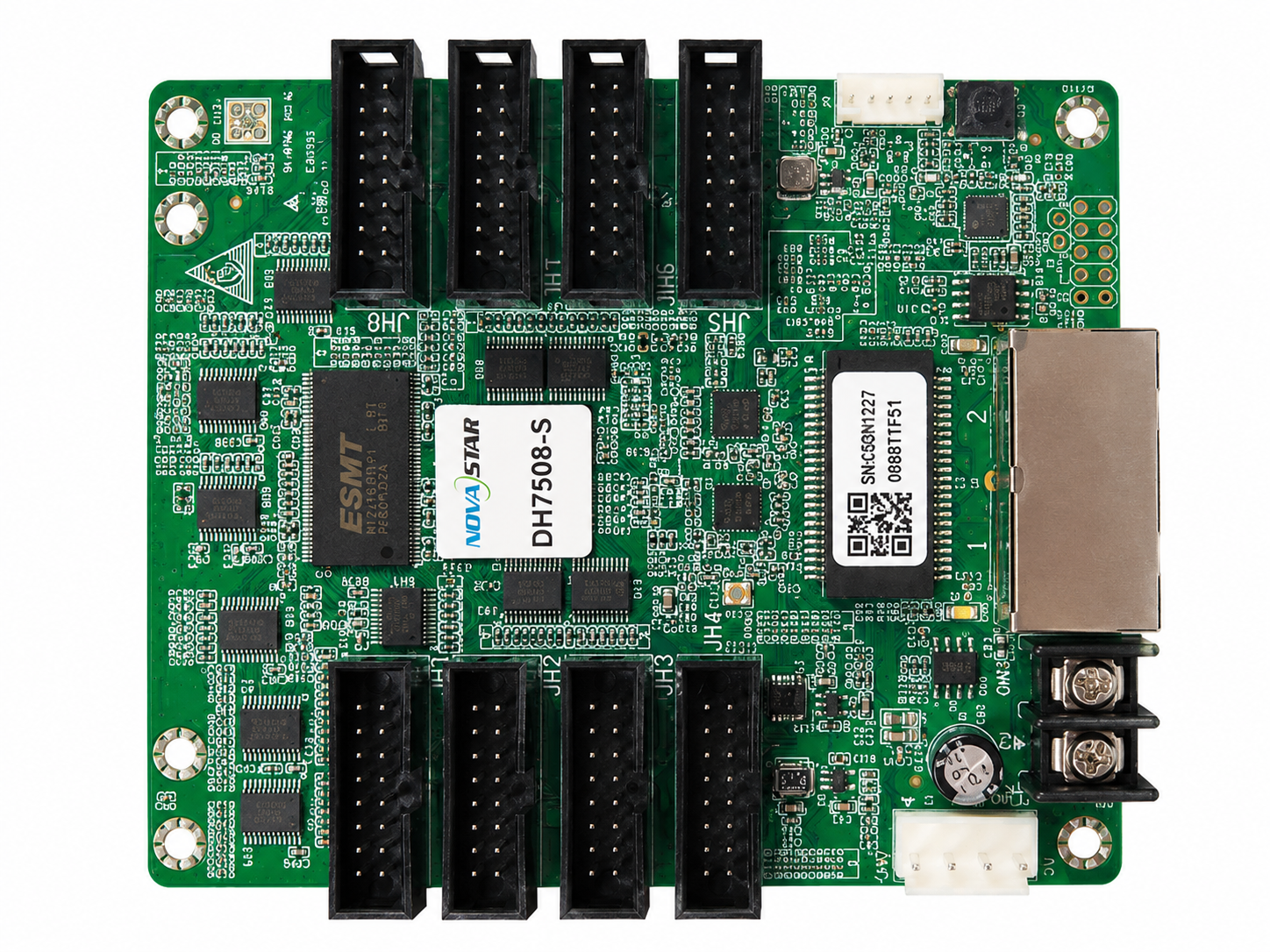
Diagnose LED receiving card problems including black cabinets, signal loss, flicker, wrong colors, configuration errors and offline receiving cards.
Read more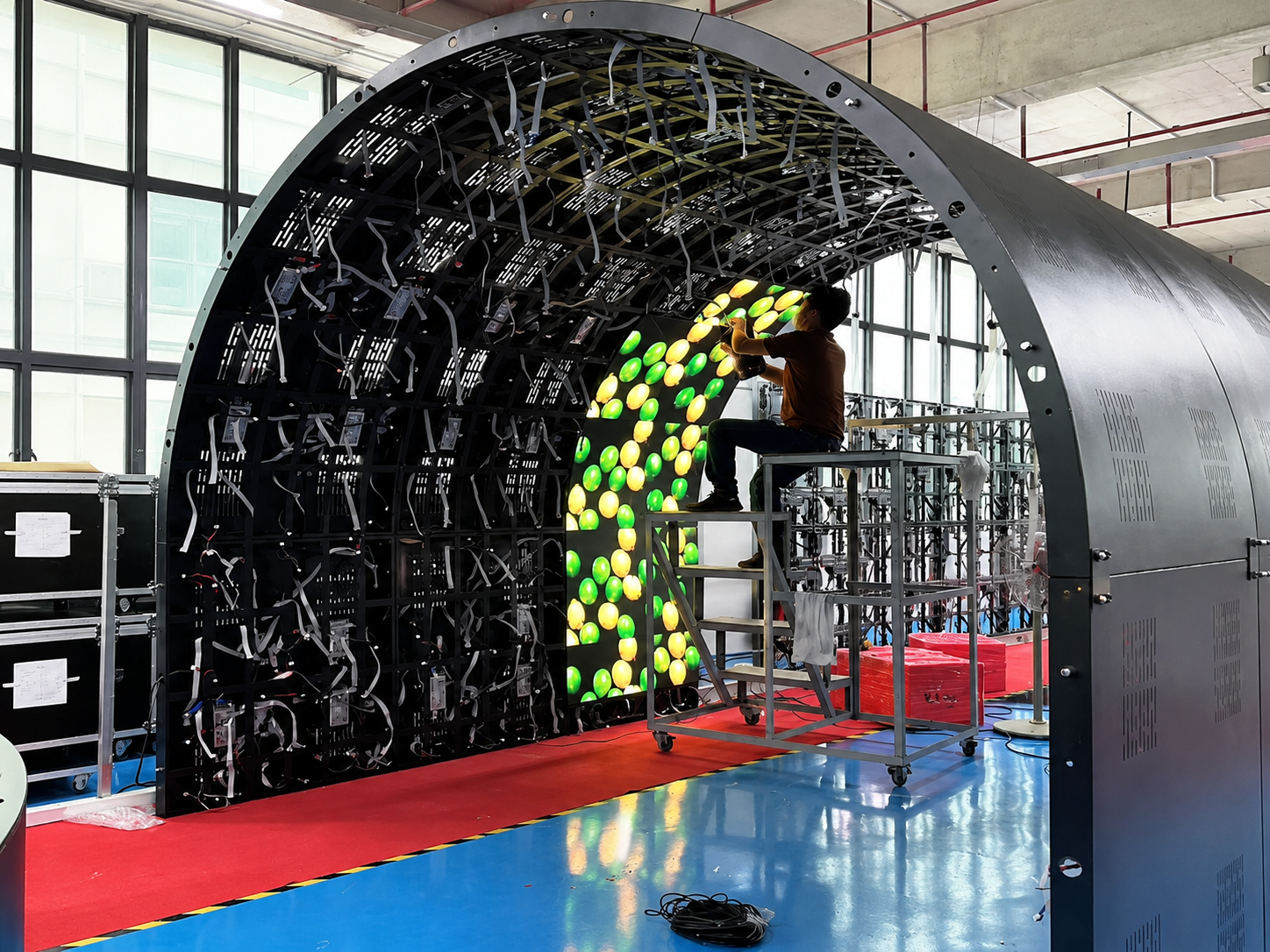
Learn how to diagnose LED display black screens, flickering, signal loss, dead pixels, and module problems step by step.
Read more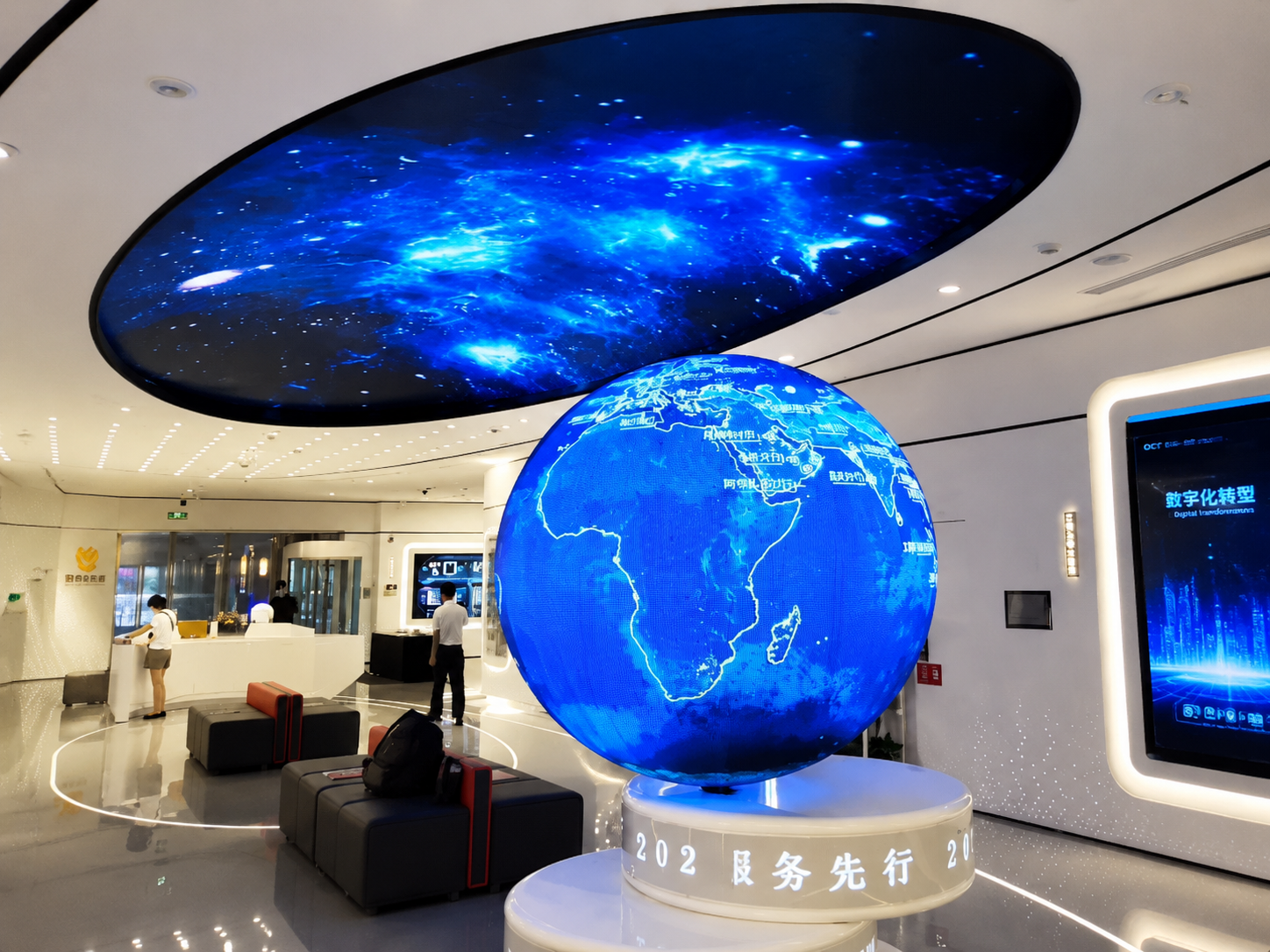
Learn how to evaluate LED sphere display quality, including brightness, calibration, structure, refresh rate, and reliability before buying.
Read more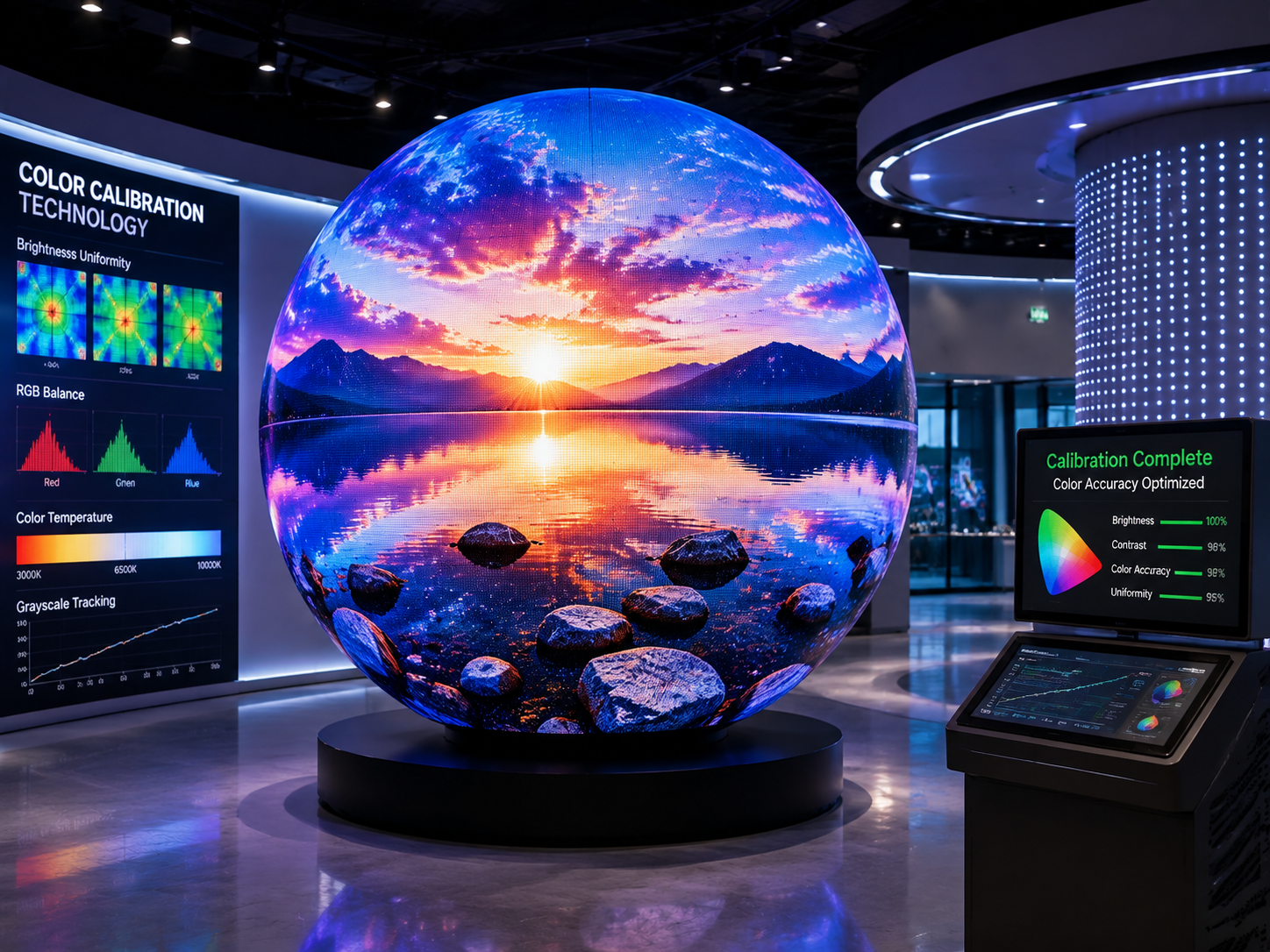
Learn how LED color calibration improves spherical LED display color accuracy, brightness uniformity, and visual performance.
Read more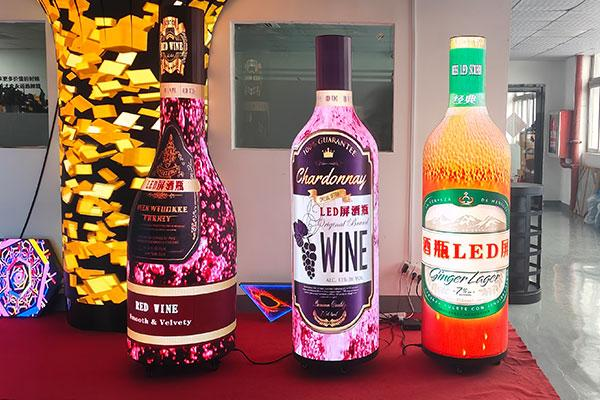
Custom Bottle LED Display helps wine brands create unique marketing experiences for retail stores, exhibitions, bars and brand events.
Read more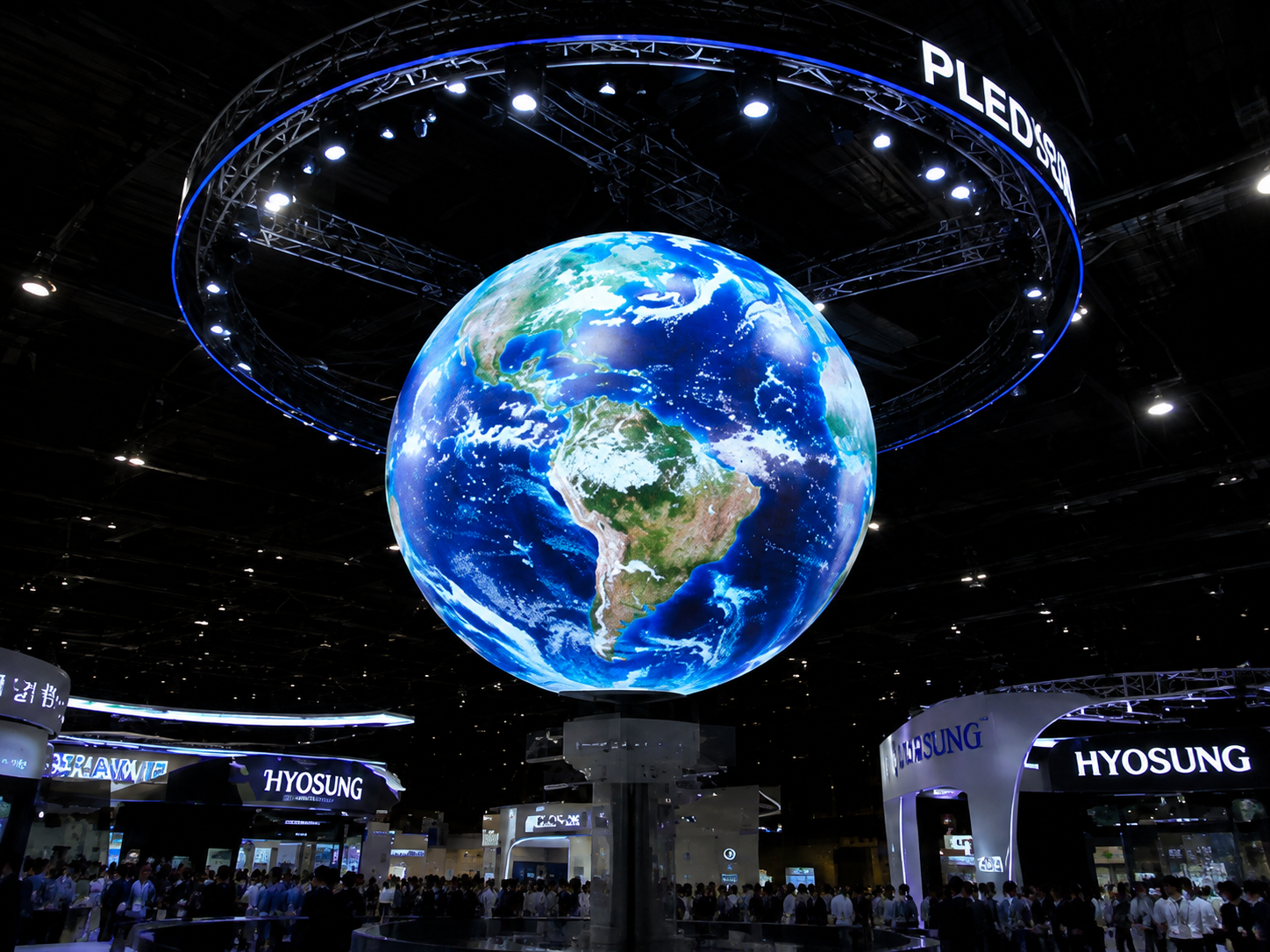
LED sphere display for trade shows creates 360° visual experiences for exhibitions, brand promotion, and creative booth designs.
Read more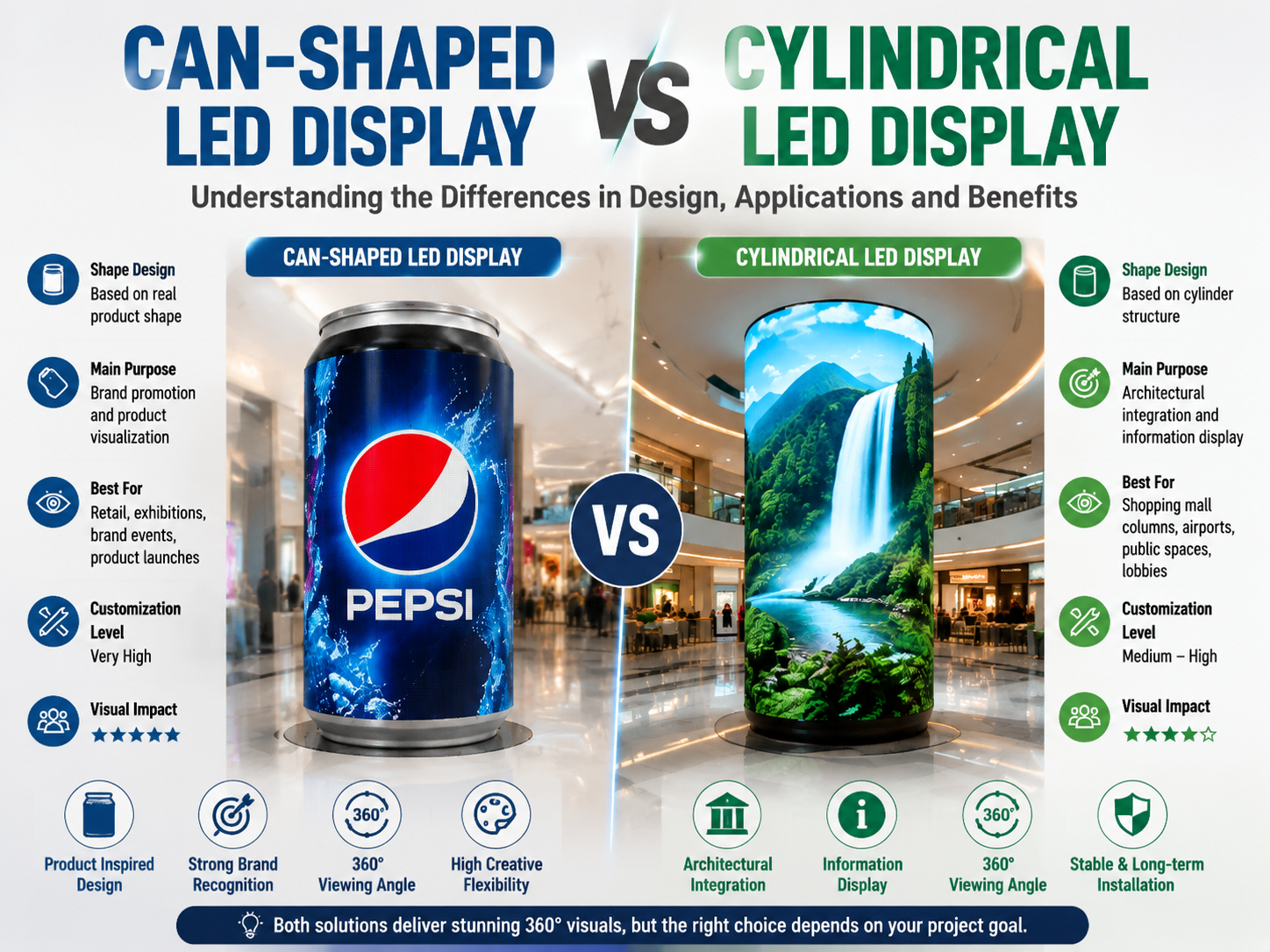
Compare Can-Shaped LED Display and Cylindrical LED Display solutions. Learn differences in design, applications, pixel pitch, structure, and how to choose the right custom shaped LED display.
Read more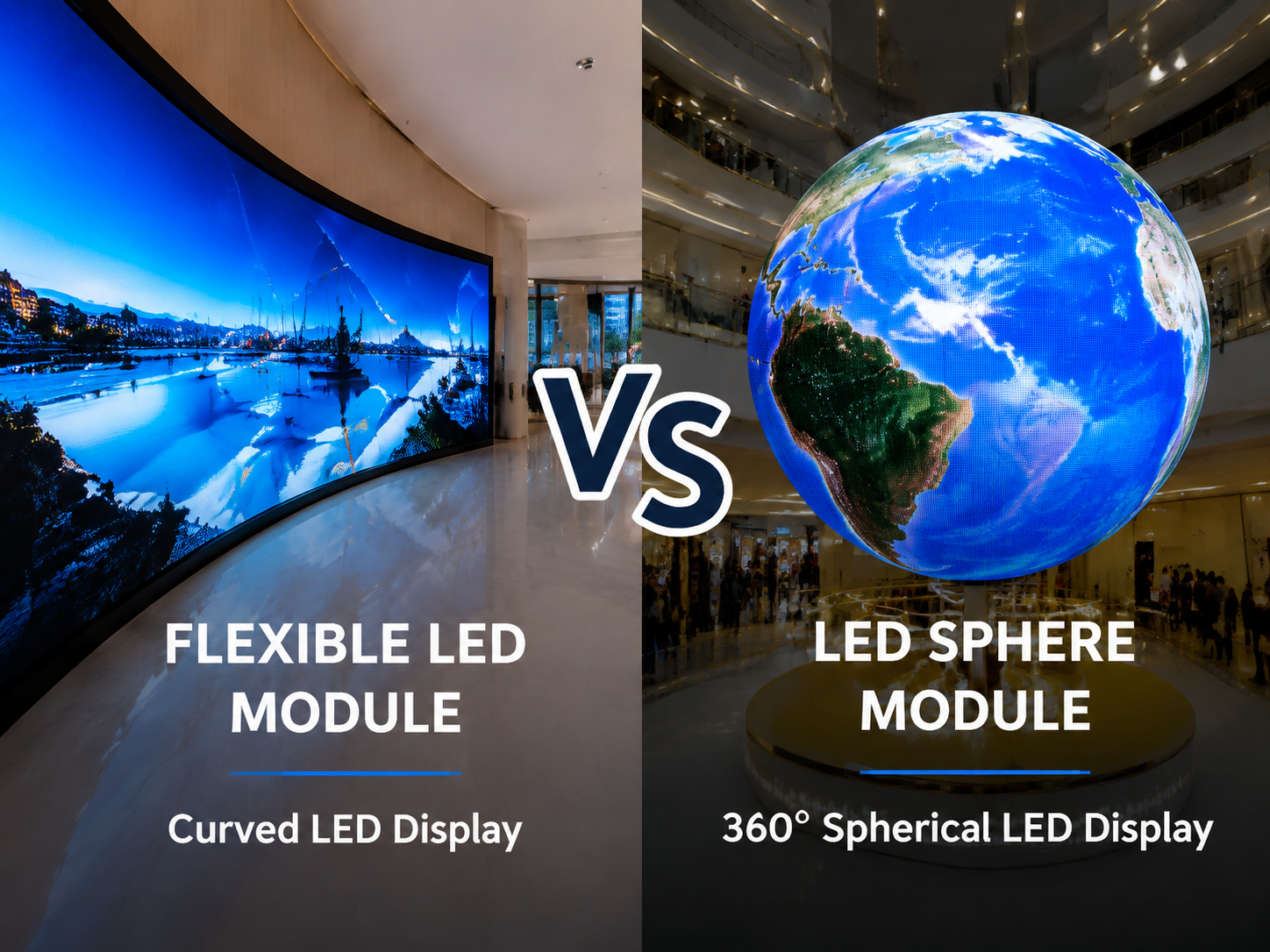
Compare flexible LED module and LED sphere module solutions. Learn how flexible LED screens and spherical LED displays are used for curved LED displays, 3D LED displays, and customized creative LED projects.
Read more EN
EN
 AR
AR
 BG
BG
 HR
HR
 CS
CS
 DA
DA
 NL
NL
 FI
FI
 FR
FR
 DE
DE
 EL
EL
 HI
HI
 IT
IT
 JA
JA
 KO
KO
 NO
NO
 PL
PL
 PT
PT
 RO
RO
 RU
RU
 ES
ES
 SV
SV
 TL
TL
 ID
ID
 SR
SR
 UK
UK
 VI
VI
 ET
ET
 HU
HU
 TH
TH
 TR
TR
 FA
FA
 AF
AF
 MS
MS
 GA
GA
 HY
HY
 AZ
AZ
 MN
MN
 UZ
UZ