Home > News > Company News
Choosing between shaped LED display rental and purchase is not just about comparing prices. The right decision depends on how often you use the screen, how complex its shape is, and how much you spend on installation, transportation, maintenance, and technical support.
For event organizers, retailers, exhibition companies, and brand owners, understanding the total project cost helps avoid unnecessary expenses. This guide explains the main cost factors and how to choose the right solution for your project.
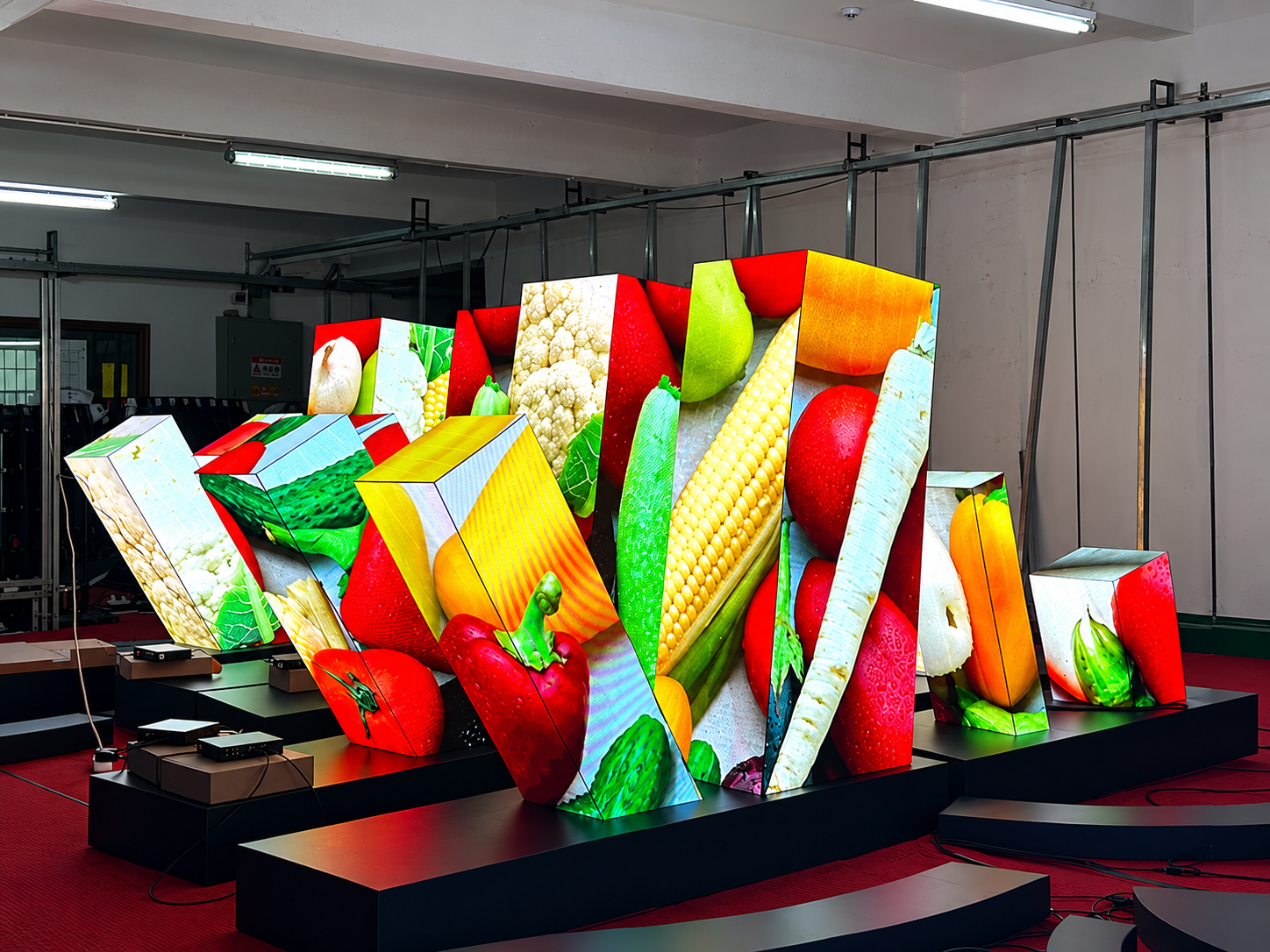
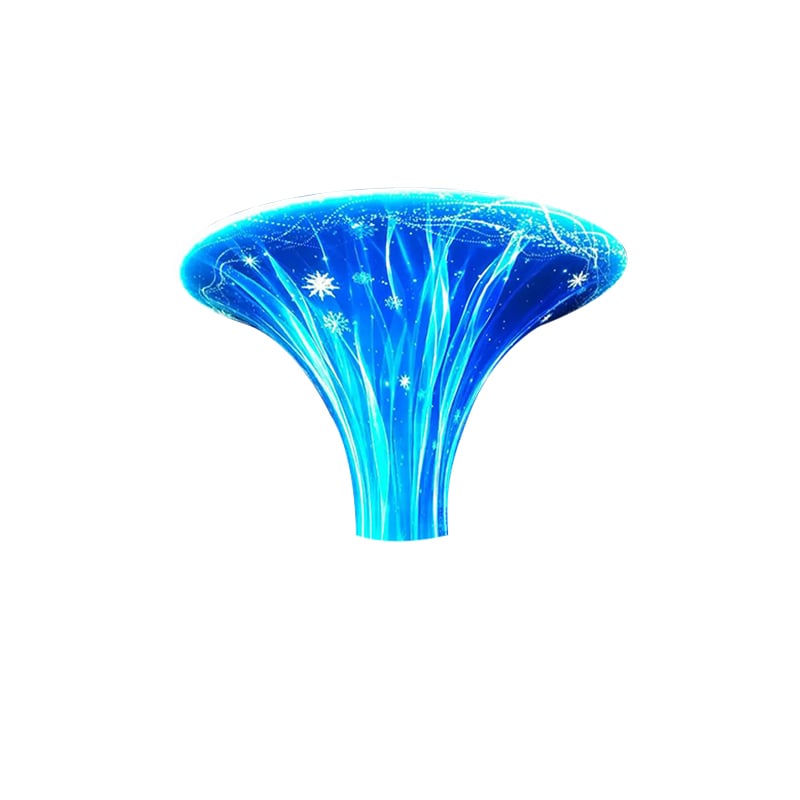
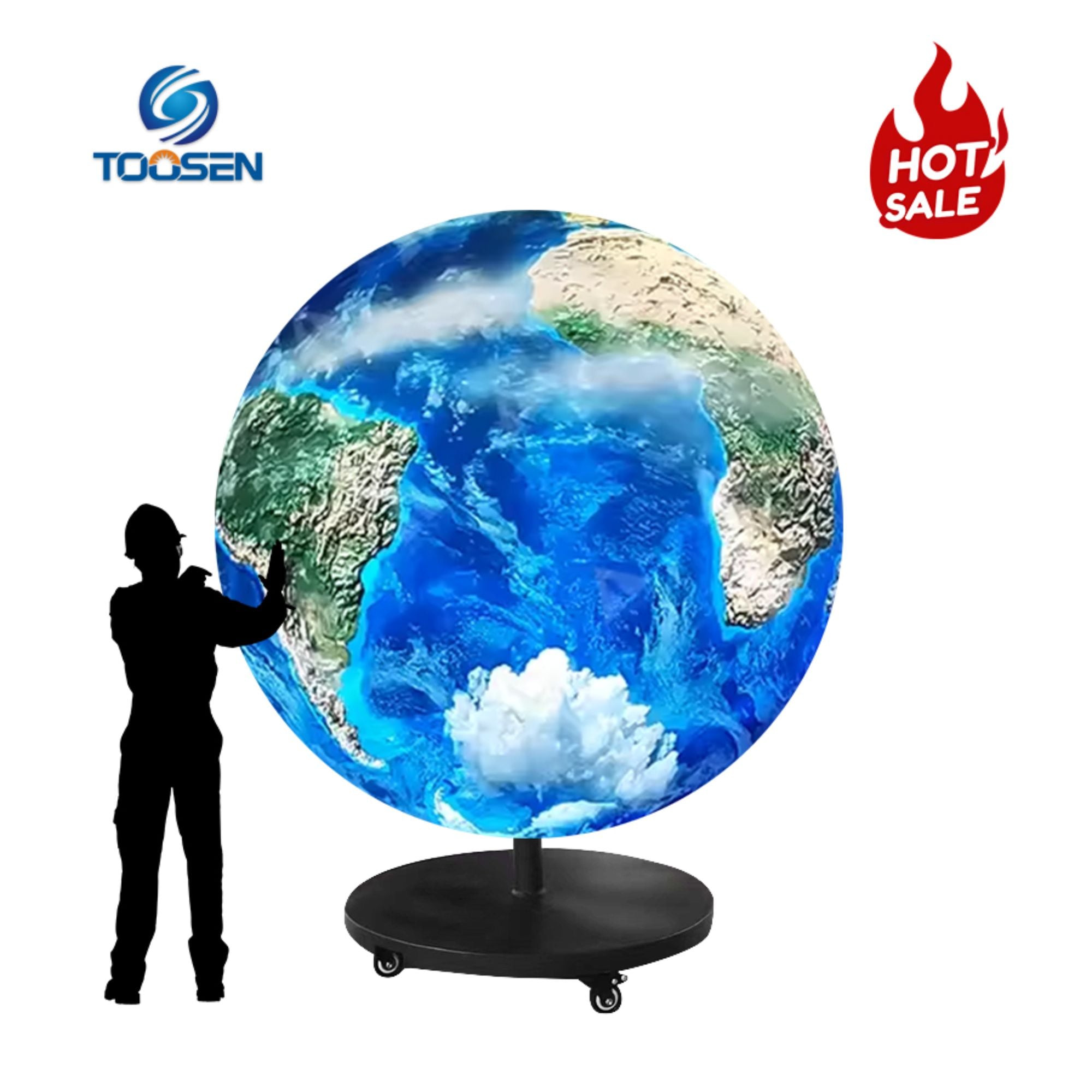
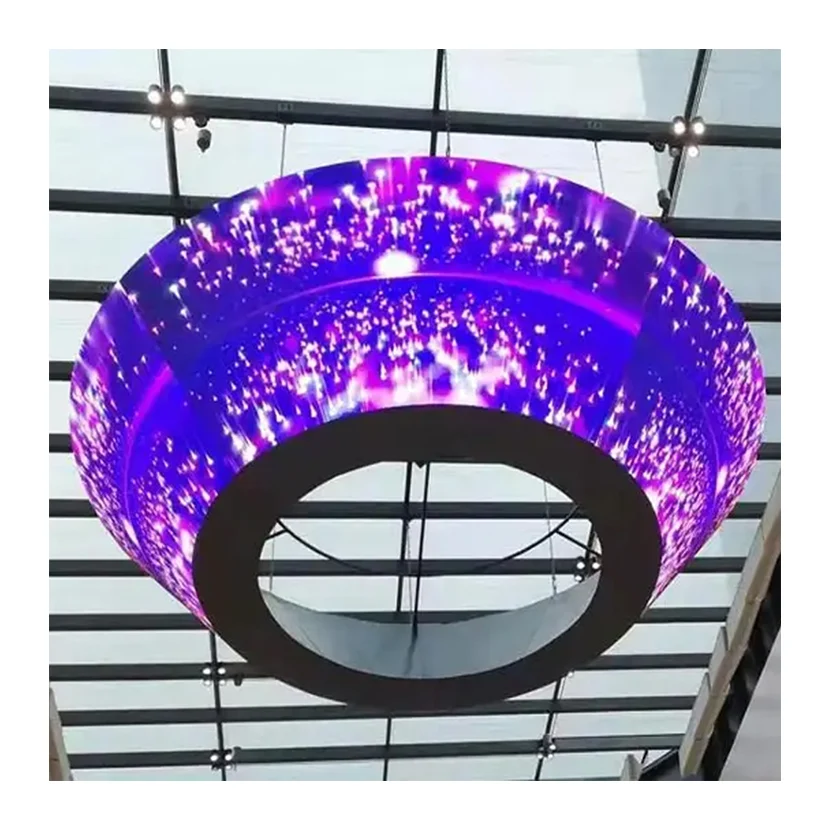
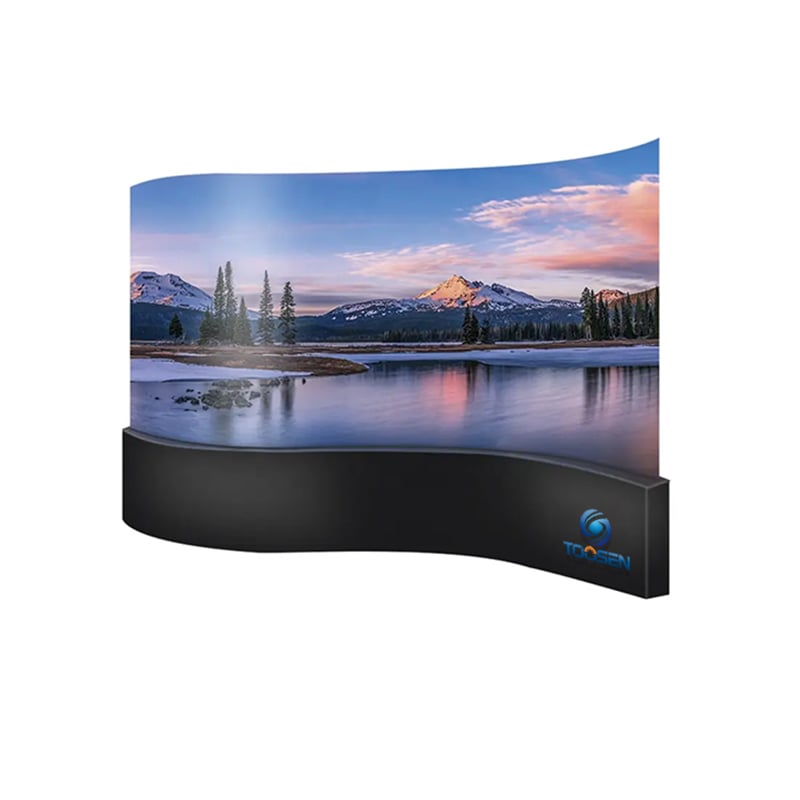
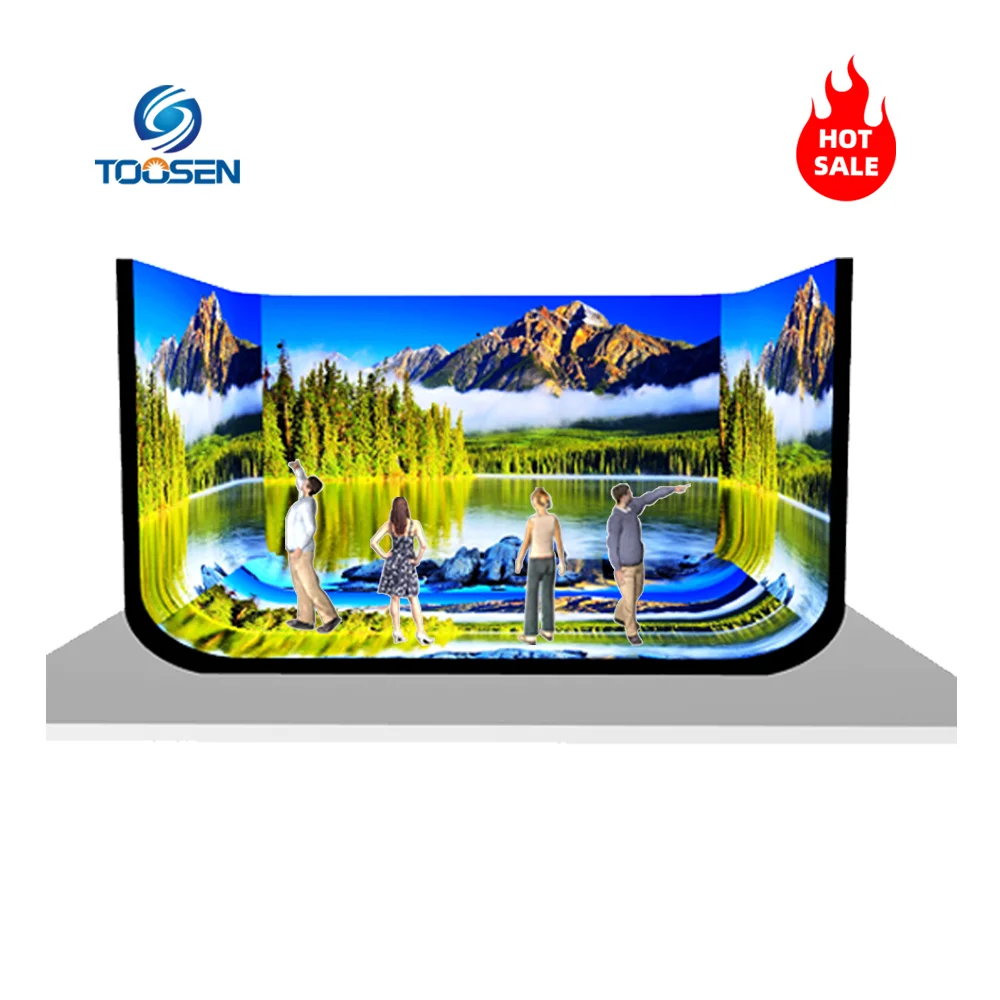
A shaped LED display is different from a standard flat LED wall. It can feature curved surfaces, spheres, cylinders, cubes, or other custom structures to create a stronger visual impact.
However, these creative designs may require special modules, supporting frames, and customized installation work. Renting can reduce the initial investment, while purchasing gives you long-term control over the equipment.
Choosing the wrong option can increase project costs. Renting a screen for frequent events may become expensive over time. Buying a custom LED display for a single exhibition may leave you with equipment that is difficult to reuse.
The goal is to compare the full cost of each option, not just the initial quotation.
Several expenses should be included when comparing shaped LED display rental vs. purchase.
Initial investment: Rental usually requires a lower upfront payment. Purchasing involves the screen, control system, supporting structure, and necessary accessories.
Transportation and installation: Large spheres, curved screens, and irregular structures may need special packaging, lifting equipment, or professional installation. These costs depend on the display design and venue.
Maintenance and repairs: LED modules, power supplies, cables, and control cards may need replacement. Custom-shaped components can be more expensive or take longer to source than standard parts.
Storage and logistics: Purchased displays require suitable storage and careful handling between projects. Rental customers usually avoid long-term storage, although delivery and collection fees may apply.
Technical support and downtime: A display failure during an important event can cause delays and additional labor costs. Reliable technical support and available spare parts help reduce this risk.
A complete comparison should include all these expenses over the expected project period.
Shaped LED display rental is often a practical choice for short-term or occasional projects.
For example, a company preparing a three-day product launch may need a bottle-shaped LED screen or a curved stage display to attract attention. Renting provides access to specialized equipment without requiring a large capital investment.
Rental is particularly suitable when:
The display is needed for only a few days or weeks.
The screen design may change between events.
Storage space is limited.
The project requires temporary installation and technical assistance.
The business wants to avoid long-term equipment management.
However, rental fees accumulate when the same display is needed repeatedly. Frequent users should compare the total rental cost over several years with the cost of owning the equipment.
Purchasing may offer better long-term value when the screen is used regularly.
Shopping malls, flagship stores, museums, permanent exhibitions, and entertainment venues often need displays that operate throughout the year. Buying allows the owner to control the display schedule, customize content, and reuse the equipment without arranging a new rental contract.
Ownership also makes sense for event rental companies that can generate revenue by renting the same display to multiple clients.
However, buyers should budget for maintenance, spare parts, storage, transportation, and eventual upgrades. A low purchase price does not always mean a low total cost.
For customized designs, confirm that replacement modules and structural components will remain available for future repairs.
The easiest way to compare rental and purchase is to use the same project period and operating requirements.
For rental, calculate:
Total rental cost = Rental fees + Delivery + Installation + Technical support + Additional service charges
For purchase, calculate:
Total ownership cost = Purchase price + Design and installation + Transportation + Maintenance + Storage + Operating costs − Resale value
For example, imagine a business needs a shaped LED display for 12 events over three years. Compare the combined rental quotations for all 12 events against the purchase price and estimated ownership expenses over the same period.
Use written quotations, confirm which services are included, and check warranty terms before making a decision. If the display will generate rental income, estimate realistic utilization and revenue rather than assuming it will be booked continuously.
Finally, compare the cost per event or cost per operating day. This makes the decision easier to explain to managers and project teams.
The structure of a custom-shaped LED screen directly affects its price and maintenance requirements.
Pixel pitch is one important factor. A smaller pixel pitch provides more detail for close viewing but generally increases the initial cost. The right specification depends on viewing distance and content.
Other important components include:
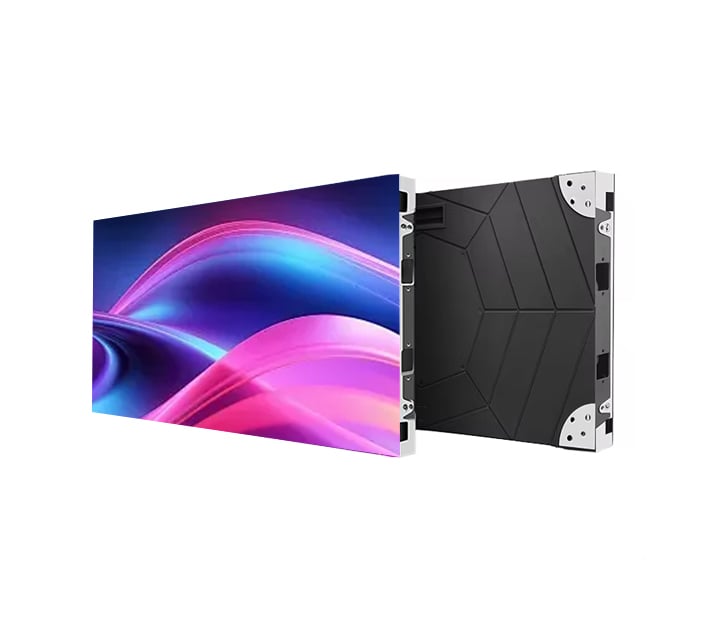
LED modules: Custom sizes and curved modules help create the required shape.
Cabinets and frames: Lightweight aluminum structures can simplify handling and installation.
Control systems: Compatible processors and software ensure that content displays correctly across the screen.
Mounting accessories: Hanging systems, floor supports, and protective cases depend on the installation method.
Spare parts: Keeping suitable replacement modules and electronic components available can reduce downtime.
TOOSEN provides customized LED display solutions for spherical, cylindrical, curved, and other special-shaped designs. Its shaped LED display range supports different project requirements and indoor or outdoor applications.
The best choice depends on the business model.
A temporary exhibition or product launch may benefit from renting because the display is needed for a limited period. A shopping mall with a permanent spherical LED installation may prefer purchasing because the screen supports ongoing advertising and visitor engagement.
For event production companies, purchasing can be attractive when equipment is used across many events and generates consistent revenue. Renting remains useful for unusual shapes or projects that require additional display capacity.
Before deciding, confirm the venue dimensions, viewing distance, power supply, installation conditions, and expected usage frequency.
Is shaped LED display rental always cheaper than buying?
No. Rental usually costs less initially, but repeated rentals may exceed the total cost of ownership. The result depends on usage frequency and project duration.
What hidden costs should buyers consider?
Commonly overlooked expenses include structural engineering, transportation, storage, replacement parts, installation labor, and technical support.
Can custom-shaped LED displays be reused?
Yes, if the design, structure, and mounting system suit future projects. Standardized connections and a clear maintenance plan can make reuse easier.
How can I reduce the cost of a custom LED display project?
Choose the appropriate pixel pitch, confirm installation requirements early, request a detailed quotation, and plan for maintenance and spare parts.
A reliable manufacturer can help control costs before production begins. TOOSEN provides LED display design, engineering, customization, manufacturing, and technical support for creative display projects.
Its solutions cover rental LED screens and custom-shaped displays, helping customers assess different options according to their application and budget. Early communication about screen dimensions, viewing distance, installation conditions, and expected usage can also help reduce unnecessary design changes.
Visit TOOSEN to explore its LED display solutions and discuss your project requirements.
The best choice between shaped LED display rental and purchase depends on total project costs, not the upfront price alone. Renting is often suitable for temporary events and occasional use, while purchasing may provide better value for permanent installations and frequent operations.
Compare both options over the same period, include every major expense, and select a display that meets your visual and technical needs. A clear cost plan helps you achieve the desired visual impact without overspending.
 EN
 AR
 BG
 HR
 CS
 DA
 NL
 FI
 FR
 DE
 EL
 HI
 IT
 JA
 KO
 NO
 PL
 PT
 RO
 RU
 ES
 SV
 TL
 ID
 SR
 UK
 VI
 ET
 HU
 TH
 TR
 FA
 AF
 MS
 GA
 HY
 AZ
 MN
 UZ