Home > News > Industry News
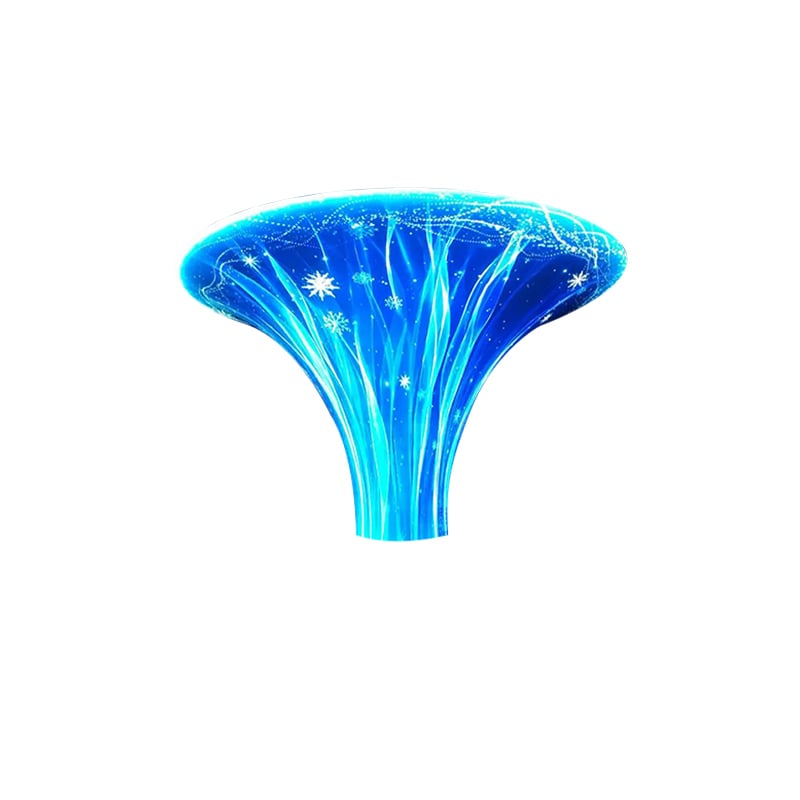
Pixel-by-pixel calibration is a critical process for full-color irregular LED displays because these screens demand far higher optical precision than conventional flat LED panels. Their unique shapes, complex structures, and immersive viewing environments create multiple challenges that standard calibration methods cannot solve.
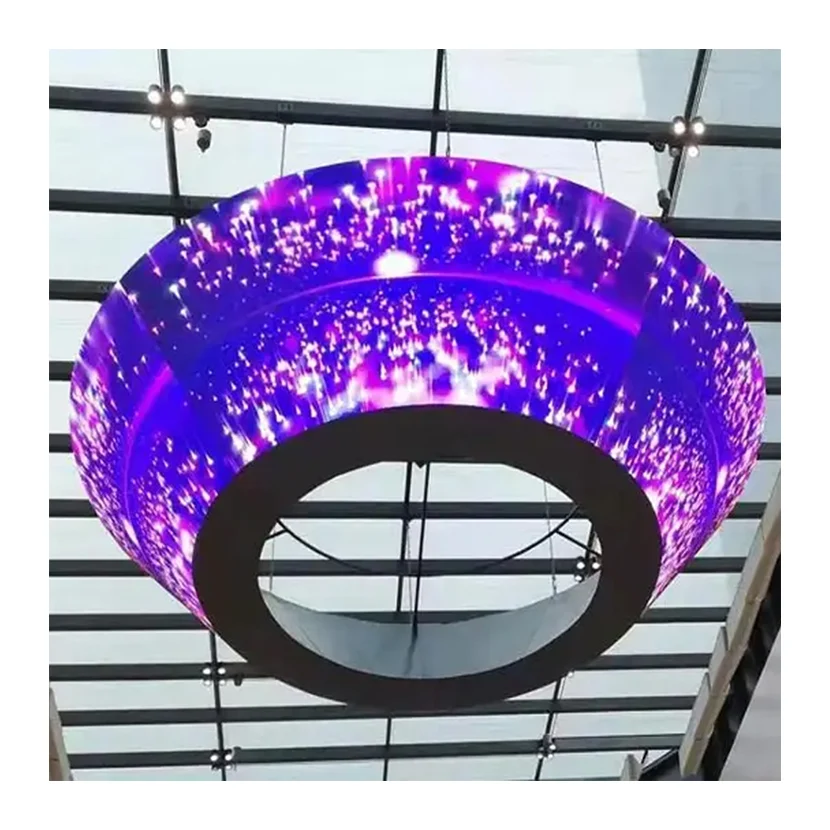
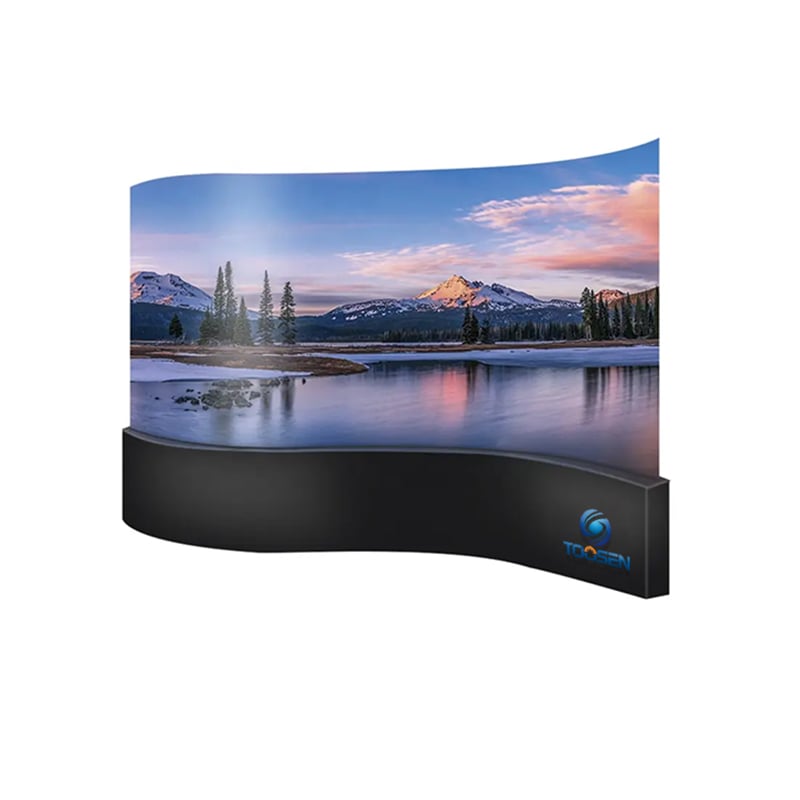
Unlike flat LED screens, irregular LED displays often feature curves, folds, spheres, waves, or custom geometric surfaces. As a result, LEDs across the display point in different directions.
This structural variation creates several issues:
Pixel-by-pixel calibration compensates for each LED individually. It adjusts brightness and color output according to the LED’s actual optical behavior, which helps maintain consistent visual performance across the entire screen.
Manufacturers usually build irregular LED screens with customized modules rather than standardized cabinet sizes. However, custom production naturally introduces variation.
For example:
Pixel-by-pixel calibration solves these inconsistencies by measuring the brightness and chromaticity of every LED and assigning dedicated correction coefficients to each one. This process aligns all modules to a unified visual standard.
On conventional flat LED displays, seams typically follow regular grid lines. In contrast, irregular LED screens often place seams along curves, arcs, or angled geometric transitions.
Consequently:
Calibration identifies these boundary areas precisely and applies localized compensation to edge LEDs. This adjustment smooths brightness transitions and creates a seamless visual surface.
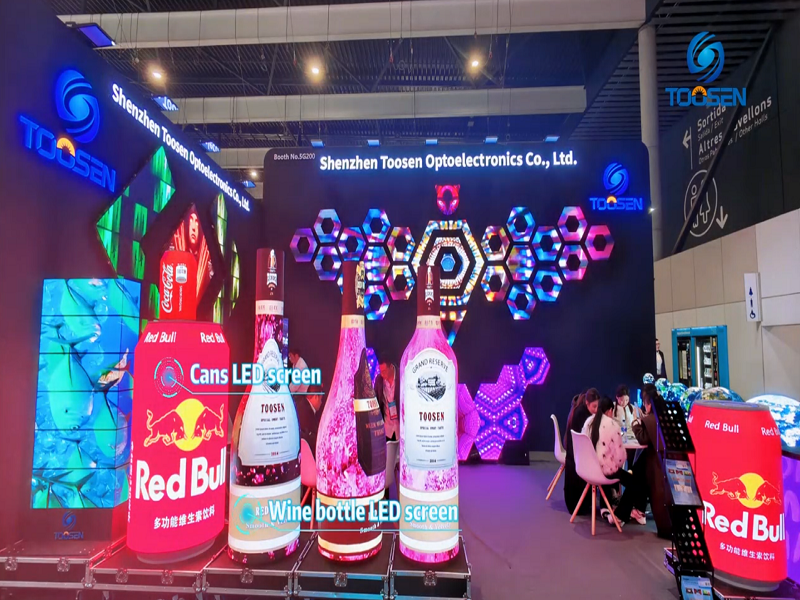
Most irregular LED displays serve immersive indoor environments such as:
In these applications, audiences usually view the screen from only 1–5 meters away. At such short distances, the human eye becomes highly sensitive to even minor inconsistencies.
For instance:
Pixel-by-pixel calibration significantly improves uniformity. In many cases, it raises brightness uniformity above 95% while reducing color deviation to levels that are nearly imperceptible to the human eye.
When irregular LED displays show standard flat content, curved structures naturally distort the image.
Common problems include:
Modern calibration systems often combine optical correction with geometric mapping algorithms. Together, these technologies correct both optical inconsistencies and visual distortion across the curved display surface.
Maintaining irregular LED screens presents another challenge. After technicians replace damaged modules, the new modules rarely match the aging characteristics of the original screen perfectly.
Calibration data therefore acts as an “optical fingerprint” for the display system.
This reference allows engineers to:
As a result, the screen maintains long-term visual consistency throughout its operational life cycle.
Irregular LED displays frequently support premium visual content, including:
These applications demand extremely accurate color reproduction.
For example:
Pixel-by-pixel calibration builds an independent color correction matrix for every LED, allowing the entire display to reproduce colors uniformly and accurately across the whole structure.
For irregular LED displays, pixel-by-pixel calibration goes far beyond standard uniformity correction. It addresses the unique optical challenges created by asymmetric structures, customized modules, close viewing distances, and curved visual surfaces.
In essence, calibration transforms physically irregular hardware into a visually seamless display. It represents the key step that turns an irregular LED screen from something that simply “lights up” into a truly high-quality visual experience.
 EN
EN
 AR
AR
 BG
BG
 HR
HR
 CS
CS
 DA
DA
 NL
NL
 FI
FI
 FR
FR
 DE
DE
 EL
EL
 HI
HI
 IT
IT
 JA
JA
 KO
KO
 NO
NO
 PL
PL
 PT
PT
 RO
RO
 RU
RU
 ES
ES
 SV
SV
 TL
TL
 ID
ID
 SR
SR
 UK
UK
 VI
VI
 ET
ET
 HU
HU
 TH
TH
 TR
TR
 FA
FA
 AF
AF
 MS
MS
 GA
GA
 HY
HY
 AZ
AZ
 MN
MN
 UZ
UZ