Home > News > Industry News
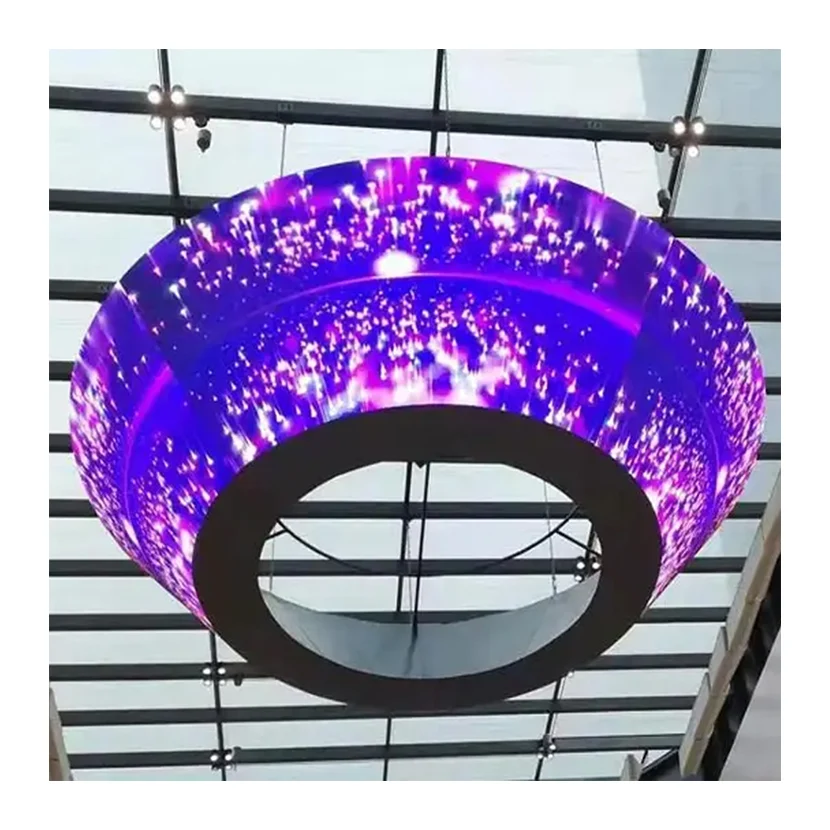
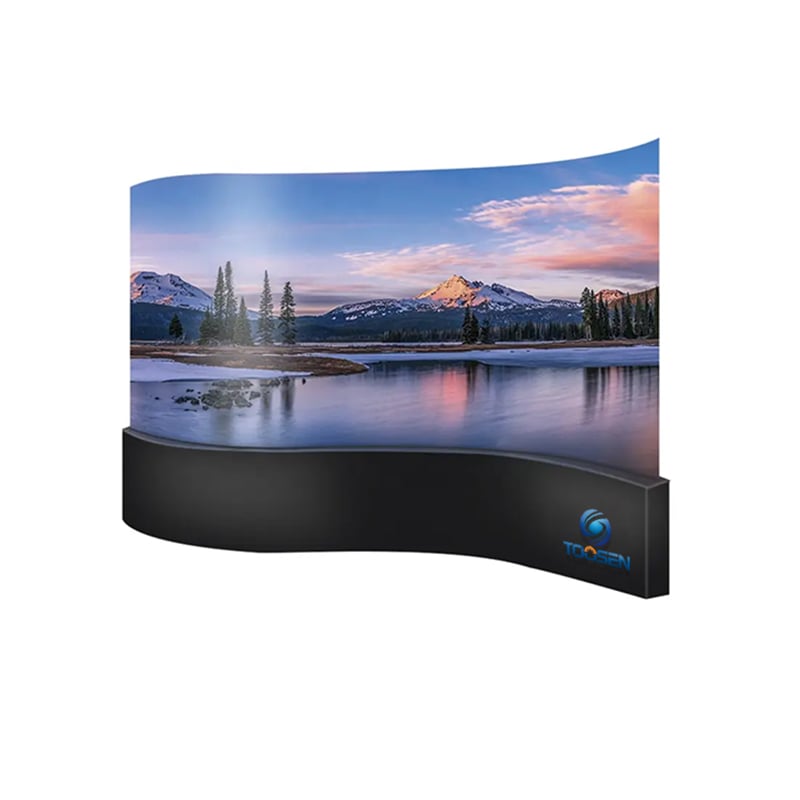
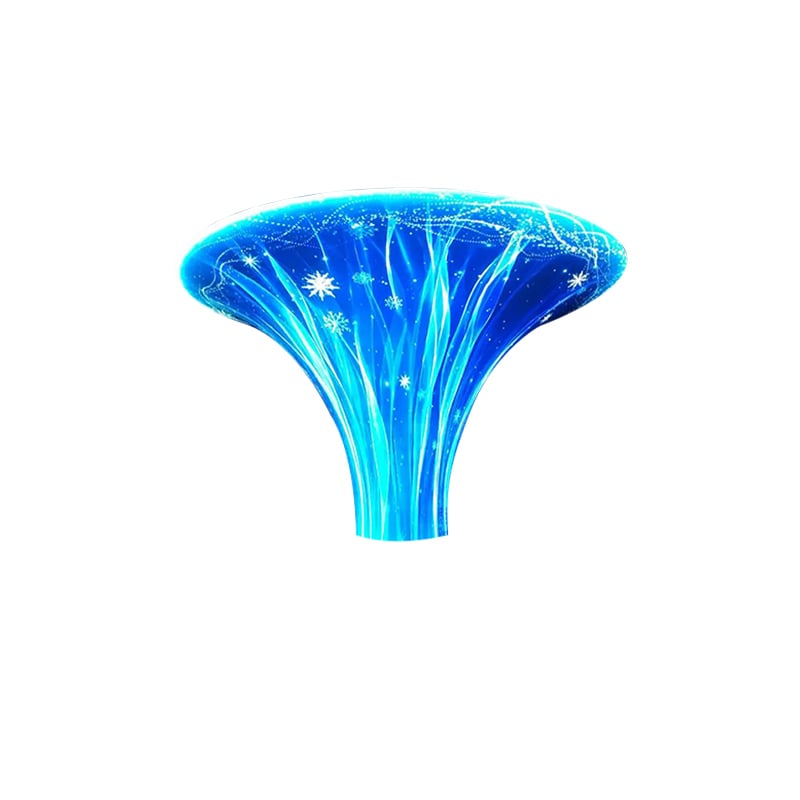
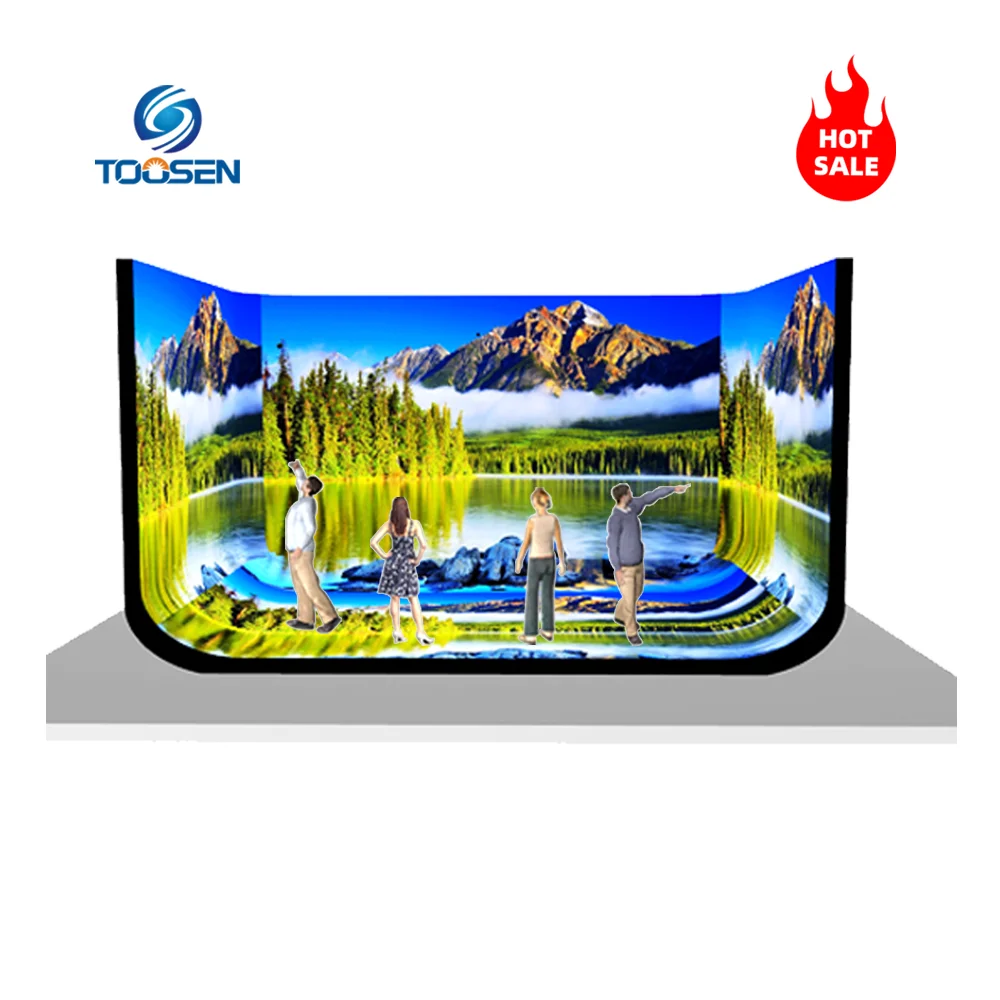
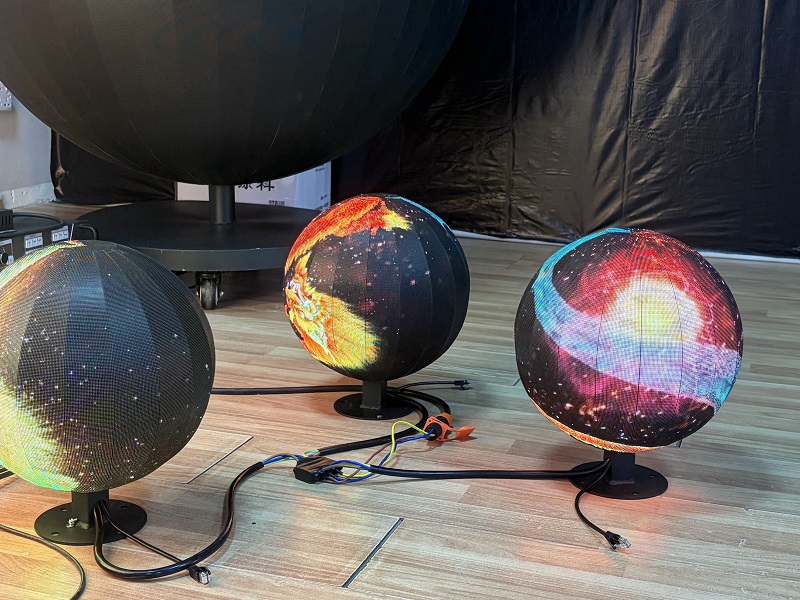
Modern LED applications now include curved screens, spherical displays, creative installations, and immersive environments. Traditional calibration methods often struggle with these complex structures.
Therefore, manufacturers develop specialized technologies for irregular LED displays.
Curved LED displays reflect light differently at various angles. Normal compensation algorithms adjust brightness and color based on surface geometry and viewing direction.
As a result, viewers experience more consistent visuals across the entire curved surface.
Creative LED displays frequently use non-standard pixel arrangements. Irregular grid mapping reconstructs the pixel coordinate system and ensures accurate calibration across unconventional layouts.
Immersive environments often require multiple viewing perspectives. Multi-view fusion algorithms optimize visual consistency from different observation angles.
This technology plays a key role in:
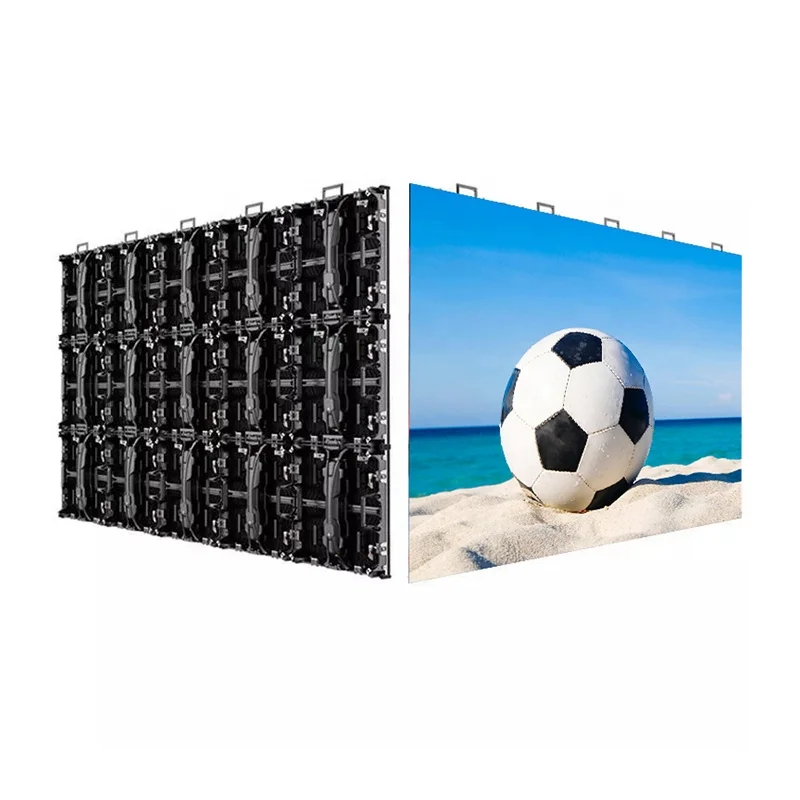
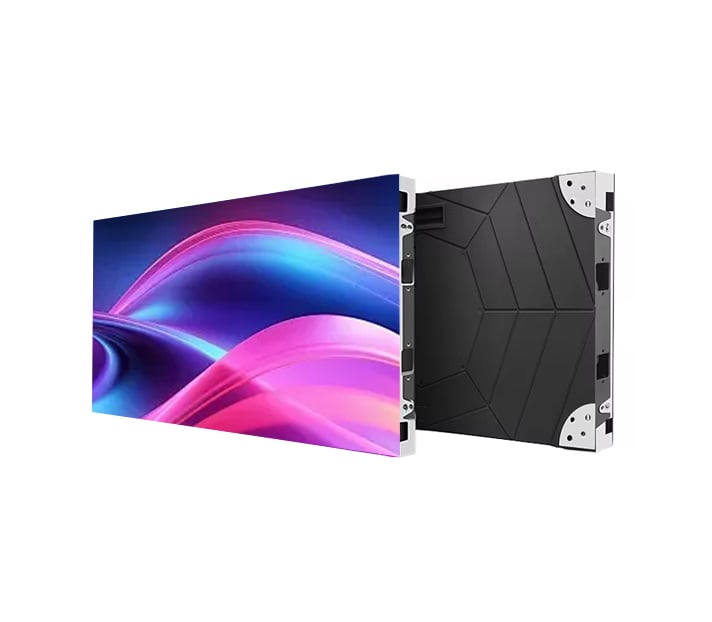
Large LED video walls contain cabinet seams that may create visible brightness or color discontinuities.
Seam smoothing algorithms intelligently reduce these transitions and improve visual continuity across panel boundaries.
As the LED industry advances toward smaller pixel pitches and higher dynamic range, calibration technology continues to evolve rapidly.
Future development trends include:
Moreover, machine learning technologies will likely improve calibration efficiency while reducing manual intervention.
Pixel-by-pixel calibration has become an essential technology in modern LED displays. By correcting brightness and color inconsistencies at the individual pixel level, manufacturers can dramatically improve display uniformity and visual quality.
Different applications require different calibration approaches. Camera-based systems prioritize efficiency, while professional instruments deliver maximum precision. Meanwhile, advanced algorithms such as neighborhood coupling and global optimization continue to push image quality to new levels.
As fine-pitch, Micro LED, and creative display technologies expand, calibration systems will become even more intelligent, dynamic, and sophisticated in the years ahead.
 EN
EN
 AR
AR
 BG
BG
 HR
HR
 CS
CS
 DA
DA
 NL
NL
 FI
FI
 FR
FR
 DE
DE
 EL
EL
 HI
HI
 IT
IT
 JA
JA
 KO
KO
 NO
NO
 PL
PL
 PT
PT
 RO
RO
 RU
RU
 ES
ES
 SV
SV
 TL
TL
 ID
ID
 SR
SR
 UK
UK
 VI
VI
 ET
ET
 HU
HU
 TH
TH
 TR
TR
 FA
FA
 AF
AF
 MS
MS
 GA
GA
 HY
HY
 AZ
AZ
 MN
MN
 UZ
UZ