Home > News > Industry News
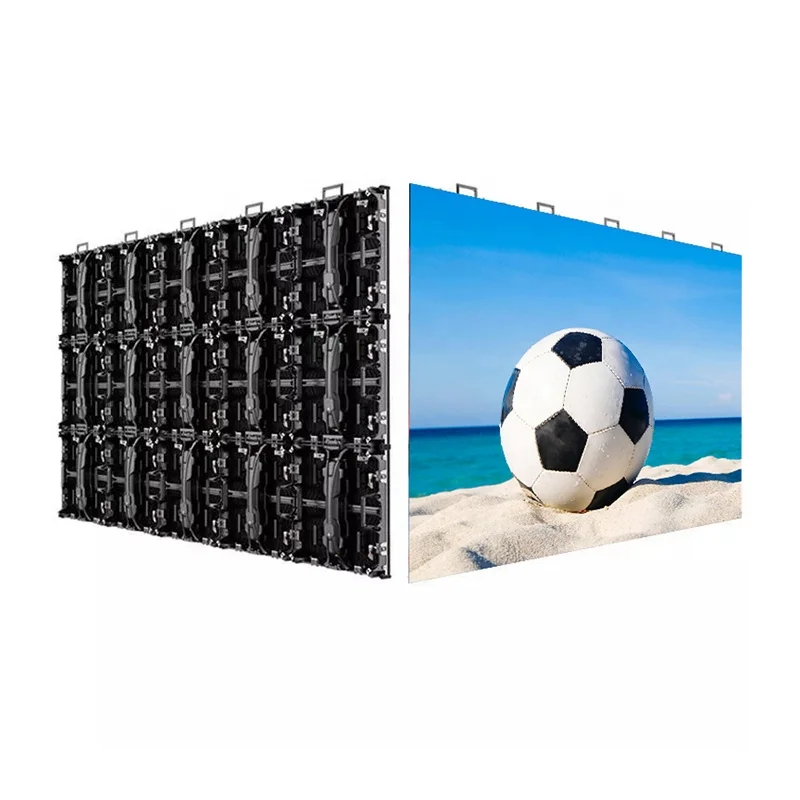
LED display modules form the core of every LED screen, and choosing the right type directly affects image quality, durability, and overall performance. As LED technology continues to evolve, manufacturers now offer multiple module categories tailored for indoor, outdoor, and creative applications. To help you make the right choice, this guide explains the main LED module types and their characteristics, while using clear language, active voice, and reader-friendly transitions.
The most common way to categorize LED modules is by their packaging technology. Each technology influences brightness, pixel pitch, viewing angle, and durability.
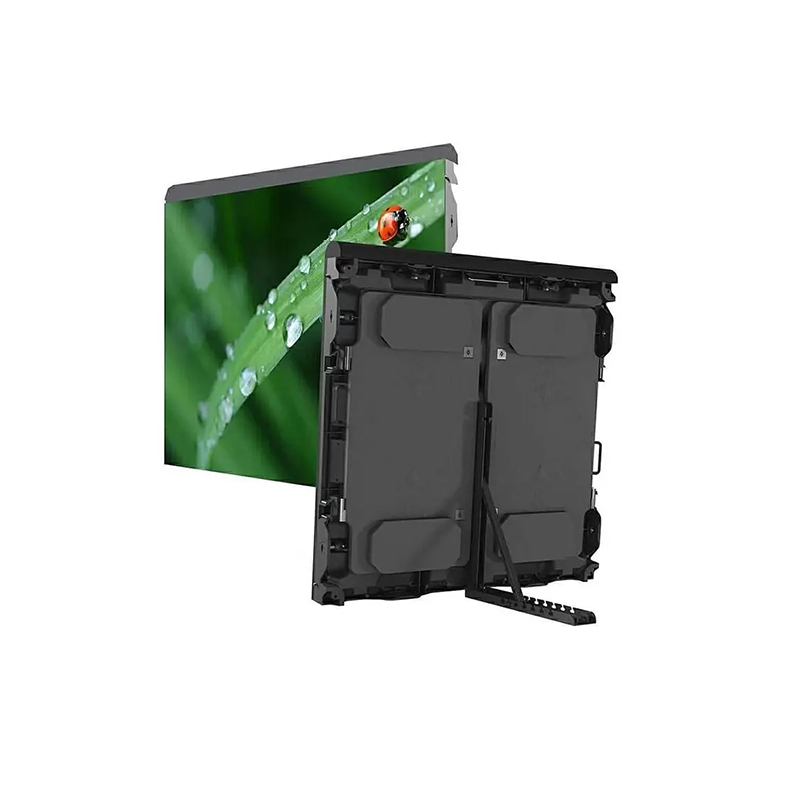
DIP LED modules use traditional through-hole LEDs, where lamp pins pass through the PCB and are soldered from the back.
Key Features
Deliver extremely high brightness (often >7,000 nits)
Provide excellent visibility outdoors, even under strong sunlight
Offer strong heat dissipation and weather resistance
Typically available in P10–P20 pixel pitches
Limitations
Cannot achieve small pixel pitch
Lower resolution compared with SMD and COB modules
Best Applications
Outdoor billboards, highway LED displays, stadium scoreboards, building rooftops.
SMD LED modules mount the LED chips directly on the PCB surface. They come in “3-in-1” and “3-in-separate” versions.
Advantages
Wide viewing angle and higher contrast
Smooth and soft image performance
Supports small-pixel-pitch displays (below P0.8)
Ideal for indoor LED screens
Drawbacks
Lower brightness than DIP
Outdoor use requires protective design
Best Applications
Indoor LED video walls, meeting rooms, exhibition halls, retail displays, and broadcasting studios.
Semi-SMD modules look similar to SMD but still use through-hole soldering.
Characteristics
Higher brightness than SMD
Better image quality than DIP
More complex manufacturing and harder maintenance
Largely replaced by modern SMD solutions
Typical Use
Previously used for outdoor fine-pitch applications; now mostly transitional technology.
COB LED display modules bond the LED chips directly onto the PCB and encapsulate them as a single unit.
Why Choose COB LED Technology
Achieves ultra-fine pixel pitch (P0.4 and below)
Delivers uniform color and superior stability
Strong anti-collision, dust-proof, and heat-dissipation performance
More durable than SMD for long-term usage
Challenges
Higher cost
Repairs usually require factory processing
Application Scenarios
High-end meeting rooms, command centers, control rooms, broadcast studios, automotive displays.
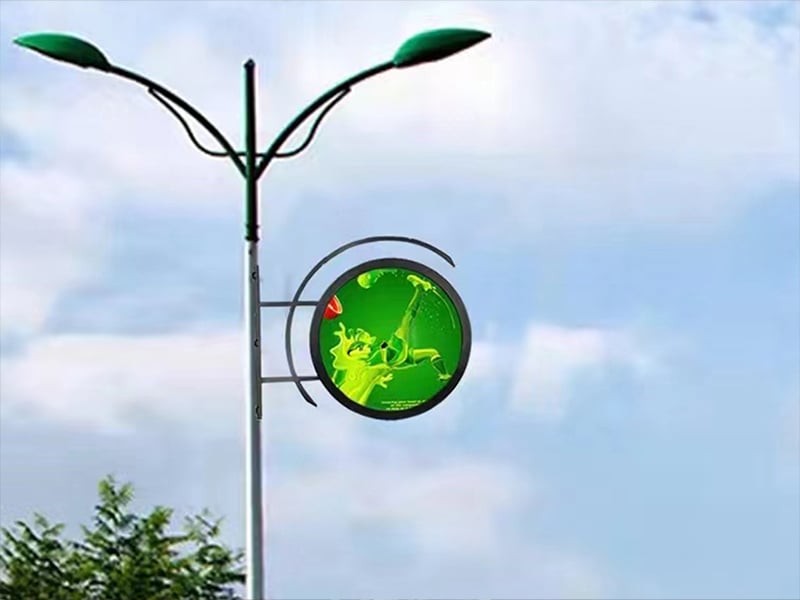
Beyond packaging technology, LED modules also differ in structure, flexibility, and transparency.
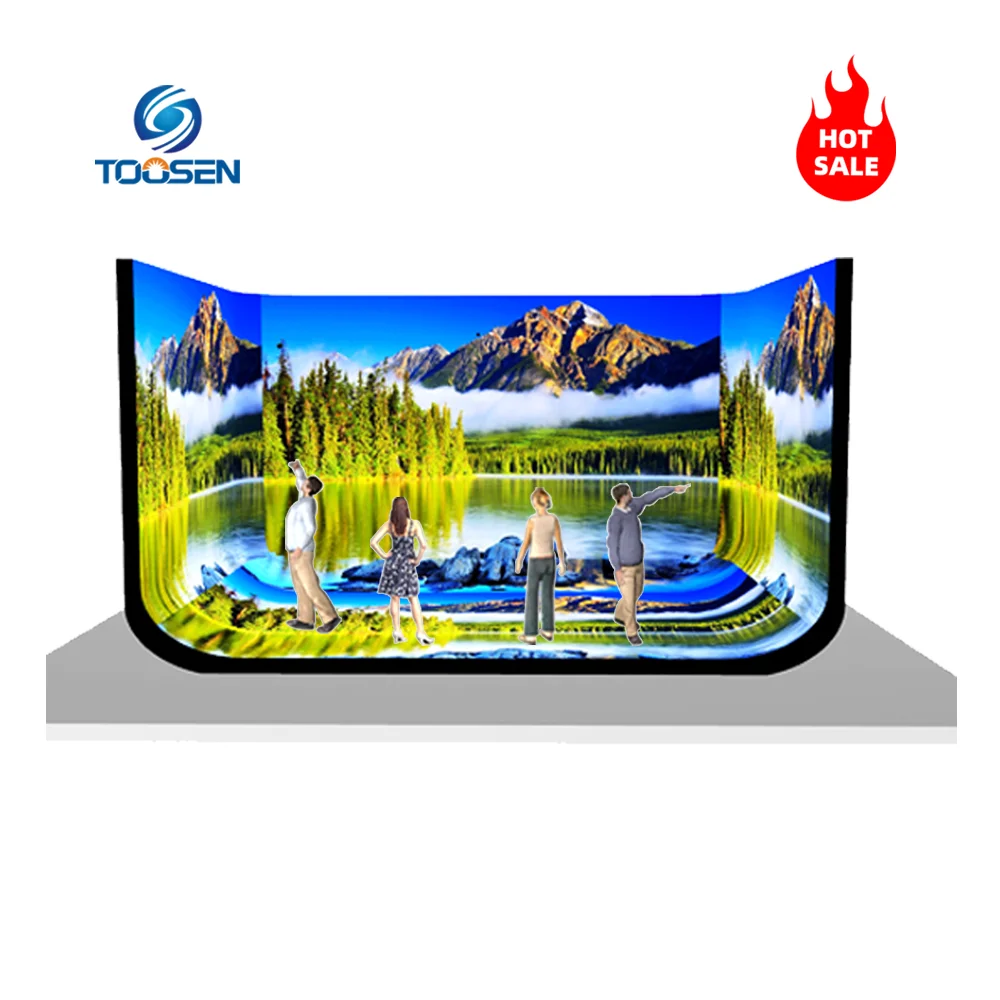
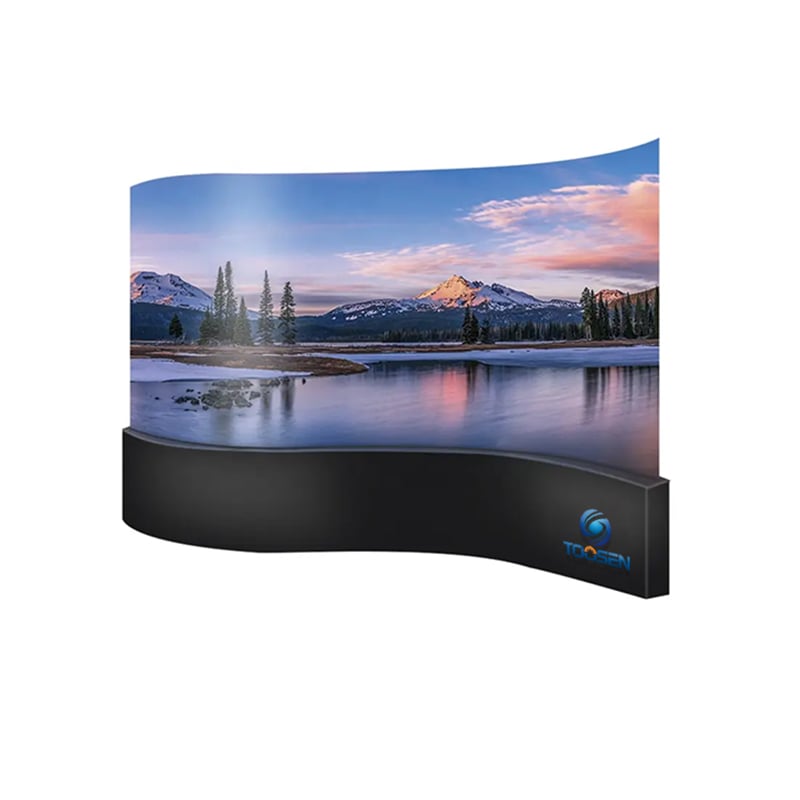
Flexible LED modules use bendable PCBs and soft silicone masks.
Key Features
Ultra-thin design (10–20 mm)
Lightweight and easy to bend
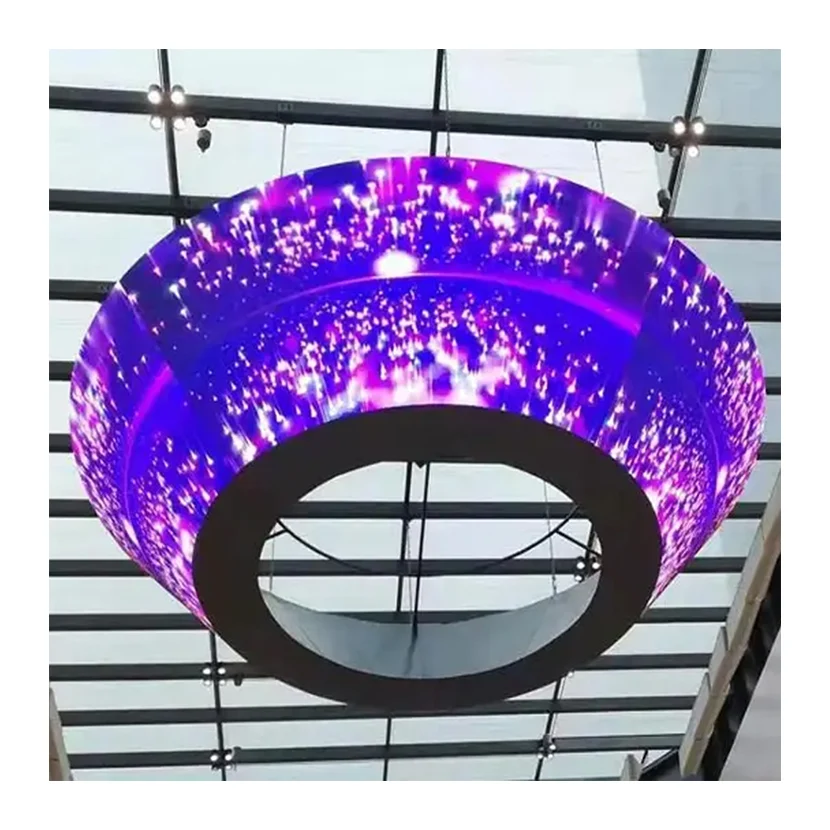
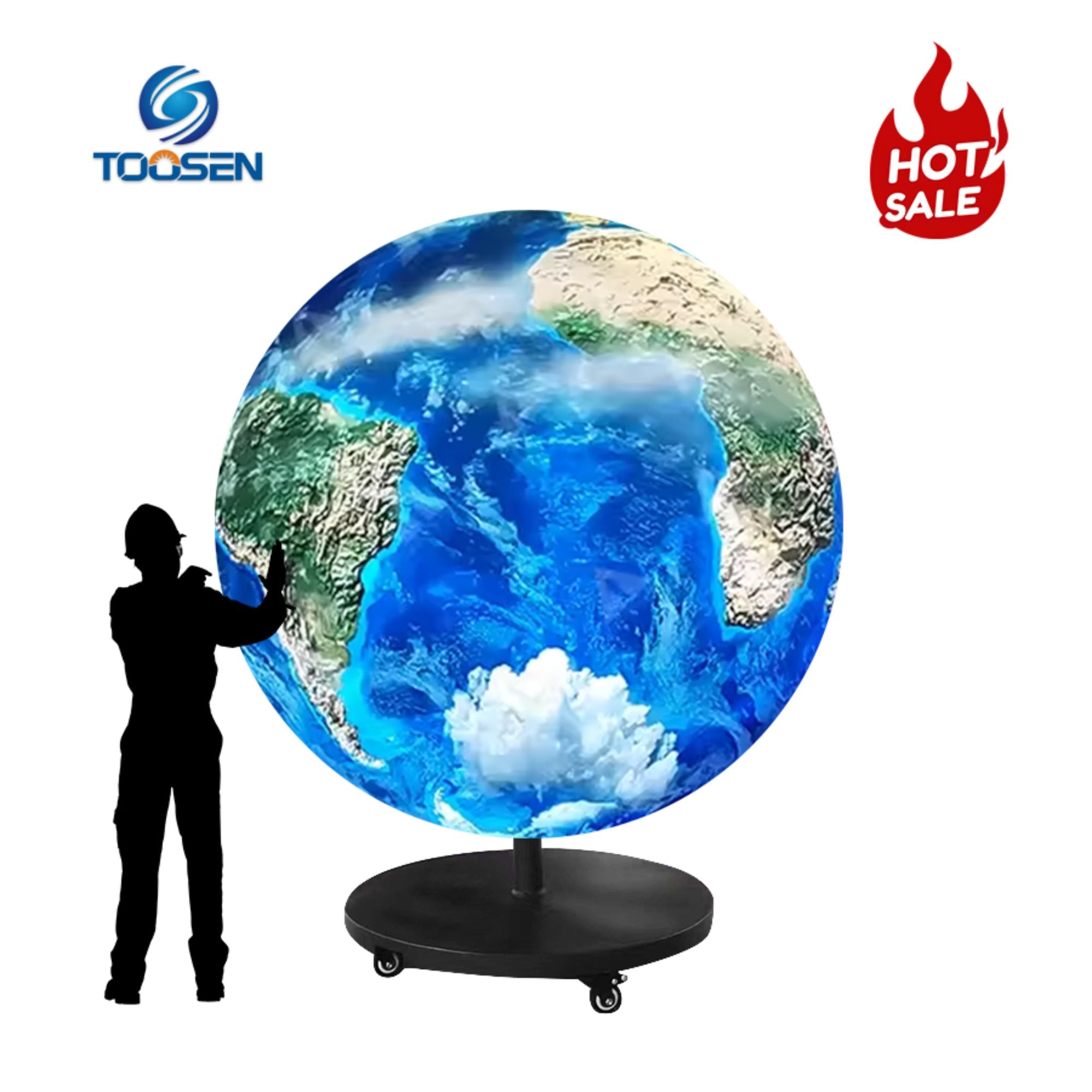
Can be shaped into curves, cylinders, waves, and creative 3D forms
No visual seam or break in curved structures
Ideal For
Creative LED installations, stage backgrounds, artistic spaces, and immersive experience centers.
Transparent LED modules embed LEDs into transparent substrates or glass layers.
Benefits
Transparency rate of 60–80%
Maintains building lighting and architectural appearance
Enables large window displays without blocking visibility
Best Uses
Shopping mall windows, glass curtain walls, automotive showrooms, commercial façades.
These modules focus on practicality and general-purpose use.
Indoor Modules
Primarily SMD
Pixel pitch: P1.2–P4
Designed for close viewing distance and high clarity
Outdoor Modules
Usually DIP or waterproof SMD
Pixel pitch: P3–P10
Resistant to sunlight, rain, dust, and humidity
Common Applications
Advertising displays, rental LED screens, church LED walls, LED floor panels, LED ceilings.
To make your choice easier, remember this:
“Choose DIP for high-brightness outdoor screens, SMD for indoor fine-pitch displays, COB for ultra-fine pixel pitch, flexible modules for creative curved shapes, and transparent modules when you need visibility and light transmission.”
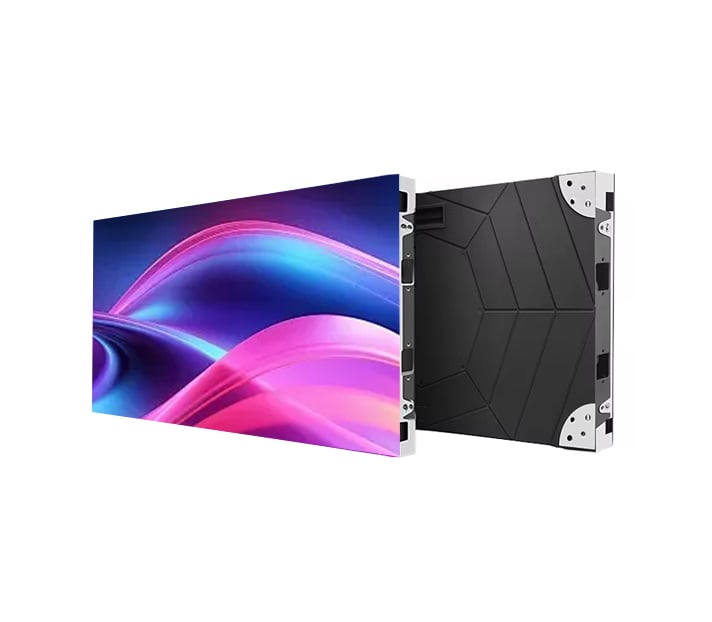
An LED display module is the basic building block of an LED screen. It includes LEDs, PCB, driver ICs, and housing components. Different modules offer different brightness, pixel pitch, and visual performance.
DIP LED modules are ideal for outdoor use because they offer the highest brightness and strong weather resistance. Outdoor SMD modules are also popular for higher-resolution outdoor applications.
SMD mounts LEDs on the PCB surface, offering great indoor performance and small pixel pitch. COB bonds chips directly to the PCB, enabling ultra-fine pixel pitch, higher durability, and better heat dissipation.
 EN
EN
 AR
AR
 BG
BG
 HR
HR
 CS
CS
 DA
DA
 NL
NL
 FI
FI
 FR
FR
 DE
DE
 EL
EL
 HI
HI
 IT
IT
 JA
JA
 KO
KO
 NO
NO
 PL
PL
 PT
PT
 RO
RO
 RU
RU
 ES
ES
 SV
SV
 TL
TL
 ID
ID
 SR
SR
 UK
UK
 VI
VI
 ET
ET
 HU
HU
 TH
TH
 TR
TR
 FA
FA
 AF
AF
 MS
MS
 GA
GA
 HY
HY
 AZ
AZ
 MN
MN
 UZ
UZ