Home > News > Industry News
Mechanical LED screen is a new type of display that combines LED technology with moving mechanical parts. It does not stay flat like a normal LED screen. Instead, it can open, rotate, rise, fall, and change shape. Because of this, it creates eye-catching 3D effects that normal displays cannot achieve. Today, many brands use mechanical LED screens in malls, museums, stages, airports, and art installations to deliver stronger visual impact.
In this article, we explain how a mechanical LED screen works in simple words. We also show why this technology is becoming popular and where people use it most.
A mechanical LED screen uses many small LED modules that can move forward and backward through mechanical structures. These units act like “moving pixels.” When hundreds or thousands of these pixels move at the same time, the screen can form real 3D shapes, not just 2D visuals.
Mechanical LED screens usually include three main types:
Opening mechanical screens
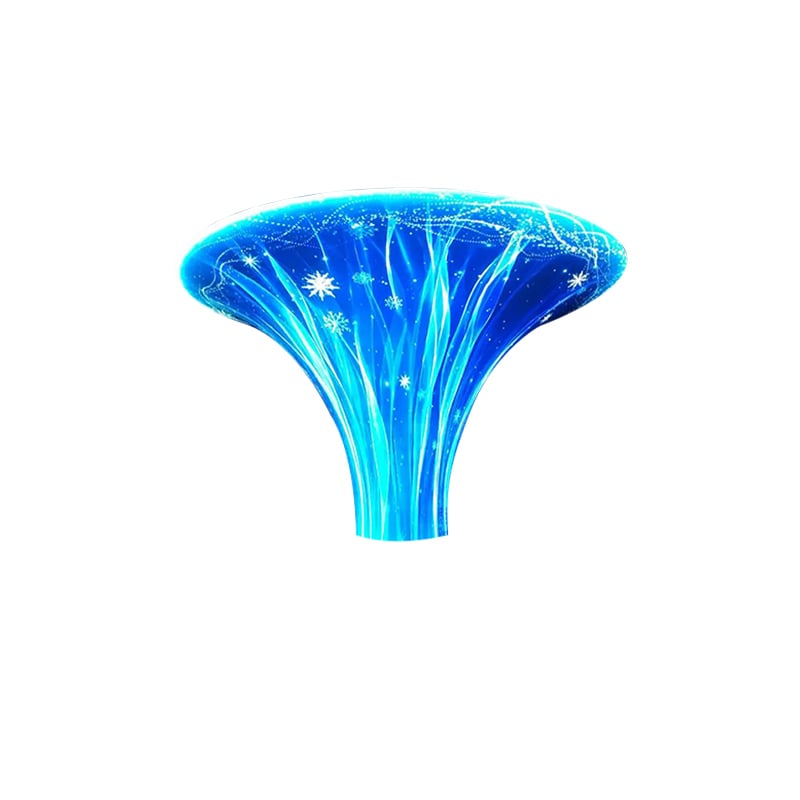
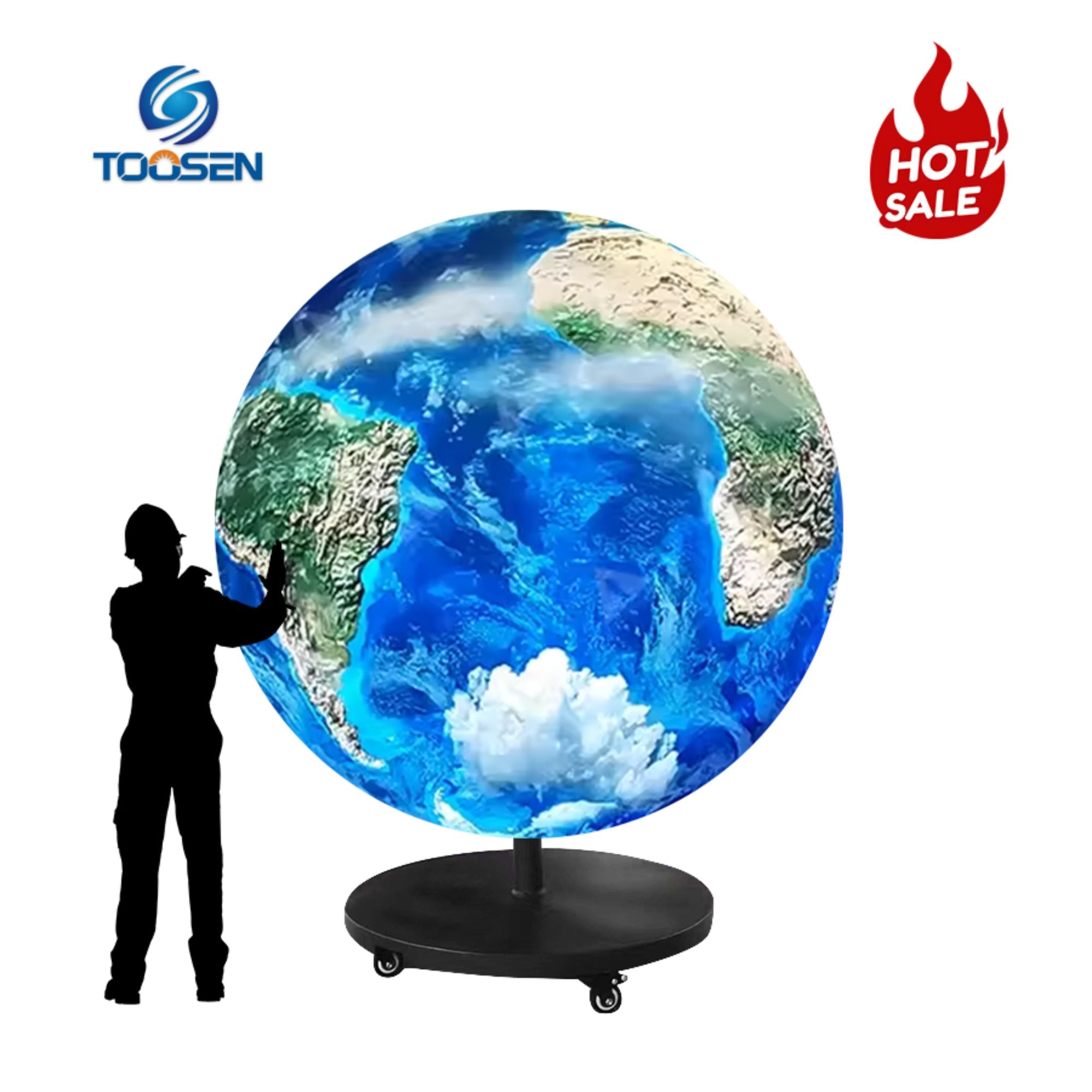
Rotating mechanical LED screens
Mechanical telescopic matrix LED screens
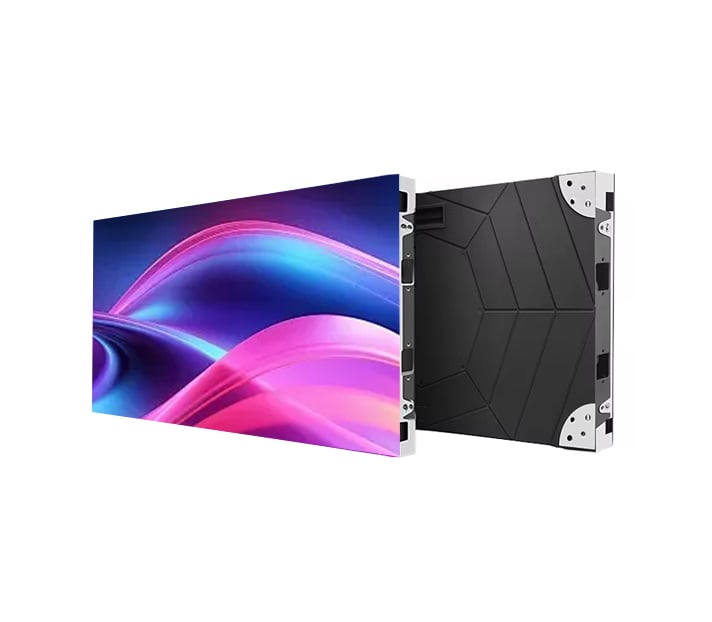
Among them, the mechanical telescopic matrix LED screen is the most common. It uses matrix-arranged LED units that can rise and fall independently. With video content, the entire screen surface can transform into waves, cubes, mountains, and many other shapes.
To understand how it works, we can look at three main parts of the system. Each part plays an important role and works together in real time.
Mechanical Movement System
Motors: Small stepper motors or servo motors drive each LED unit. Every motor controls one pixel or a group of pixels.
Transmission mechanism: Devices like lead screws and gear-rack systems convert the spinning motor motion into straight, accurate movement.
Support frame: A strong metal frame keeps all moving units stable and aligned.
LED modules: Each moving “pixel” is actually a small RGB LED module.
Flexible cables: Power and data must pass through wires that bend thousands of times without breaking.
Because each unit can stop at any point in its travel path, the screen can create smooth depth transitions and detailed surface shapes.
The control system acts like the brain. It has two parts:
Display control: It receives video files and controls the color and brightness of each LED pixel.
Mechanical control: It sends commands to every motor, telling it how far to move, how fast, and when to stop.
Both layers must work perfectly together to keep the visual and physical motion synchronized.
To make it simple, imagine the screen needs to show a 3D cube rising from the flat surface.
Step 1: Content Design
A designer creates a 3D model or depth map. This file contains two types of information:
Color for each pixel
Height (depth) for each pixel
These two data sets form a “4D motion file” (3D space + time).
Step 2: Control System Reads the File
The system separates the information:
The display layer outputs the right color to each LED unit.
The mechanical layer reads the height data for each motor.
Step 3: Motors Move the LED Units
The mechanical controller sends signals to all motors at the same time. They push or pull their LED units to the right height.
Step 4: The Shape Appears in Real Space
Within seconds, a flat surface becomes a real, physical 3D cube. When the animation continues, the cube can:
Grow
Shrink
Rotate
Disappear
Transform into another shape
This creates a dynamic 4D visual experience that people cannot see on a standard screen.
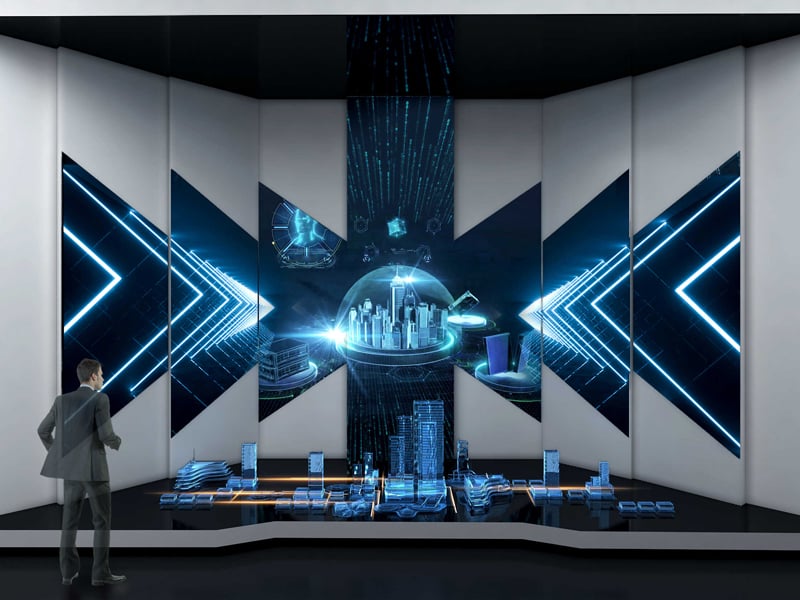
Mechanical LED screens offer several strong benefits:
Strong visual impact
The screen creates real 3D shapes, not just flat images. This gives viewers a sense of depth, motion, and physical interaction.
Better storytelling
Brands can turn concepts into physical shapes. For example:
Product shapes
Moving waves
Data mountains
Building structures
Flexible and programmable
Because everything is controlled by software, the screen can switch to completely different shapes and themes for different events.
Unique and futuristic
Mechanical LED screens easily attract attention in busy public spaces. They help brands stand out and create memorable experiences.
Today, many industries use kinetic and mechanical LED displays to upgrade visual experience:
High-end brand stores
They display logos, product models, and creative animations with strong artistic value.
Museums and science centers
They show terrain, human organs, history objects, and science concepts in a clear physical form.
Stage and event backgrounds
The screen transforms with music and performance to create dramatic motion effects.
Airports, malls, and large commercial areas
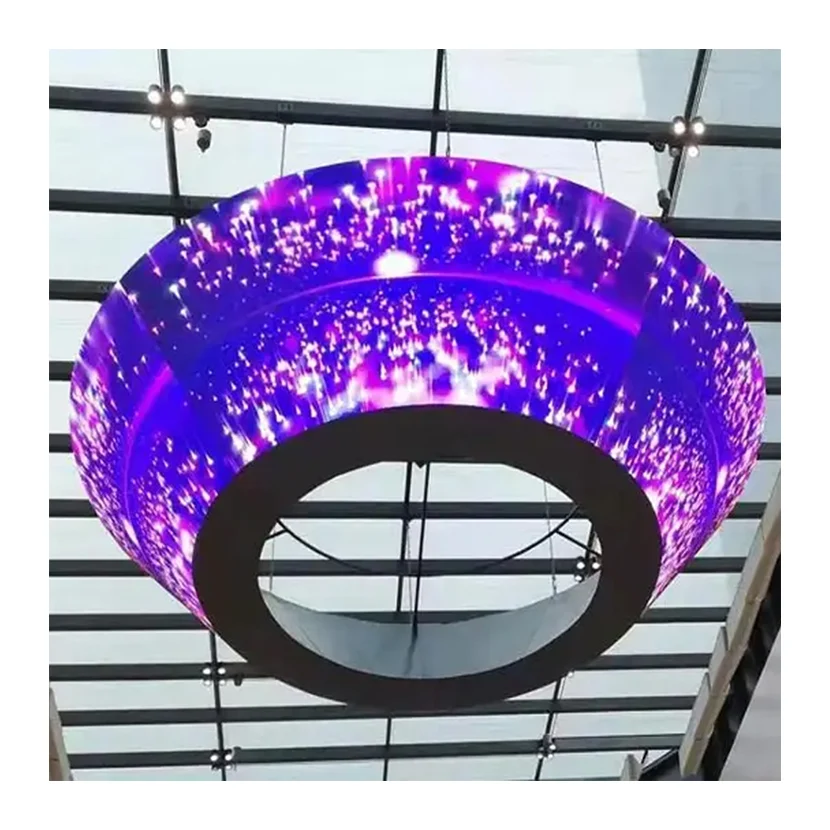
They use rotating or telescopic LED screens for premium advertising and public art display.
Mechanical LED screens combine LED display technology with advanced motion systems to create real 3D moving surfaces. With motors, transmission structures, and intelligent control, each LED pixel can rise, fall, rotate, or change position with the video content. As a result, the screen delivers an immersive, futuristic experience that normal displays cannot match.
As more brands seek creative and high-impact visuals, mechanical telescopic matrix LED screens and rotating LED displays are becoming key tools for advertising, art, and digital storytelling.
A mechanical LED screen is a display that combines LED modules with moving mechanical parts. Each LED unit can rise, fall, rotate, or move forward to create real 3D shapes and dynamic visual effects.
It uses motors and transmission systems to move each LED module independently. When these units move together with the video content, the screen forms physical 3D shapes that match the visuals.
They are widely used in malls, airports, brand stores, museums, stage shows, exhibitions, and digital art installations where businesses need strong visual impact and creative displays.
 EN
EN
 AR
AR
 BG
BG
 HR
HR
 CS
CS
 DA
DA
 NL
NL
 FI
FI
 FR
FR
 DE
DE
 EL
EL
 HI
HI
 IT
IT
 JA
JA
 KO
KO
 NO
NO
 PL
PL
 PT
PT
 RO
RO
 RU
RU
 ES
ES
 SV
SV
 TL
TL
 ID
ID
 SR
SR
 UK
UK
 VI
VI
 ET
ET
 HU
HU
 TH
TH
 TR
TR
 FA
FA
 AF
AF
 MS
MS
 GA
GA
 HY
HY
 AZ
AZ
 MN
MN
 UZ
UZ