Home > News > Industry News
In large-format displays, seamless splicing plays a critical role in delivering a premium visual experience. Traditional LCD video walls often suffer from visible seams, while modern LED displays can achieve nearly gap-free images. However, seamless splicing does not happen automatically. You must choose the right hardware, use precise installation methods, and perform regular maintenance.
This guide explains why LED screens outperform LCD walls in seamless splicing and how to reduce gaps during installation and operation.
When you build a large display, you usually combine multiple panels. With LCD screens, each panel has a physical bezel. These bezels create black grid lines when you assemble multiple screens. Even the narrowest LCD bezel is about 0.88 mm, which still breaks the image continuity. Over time, panel aging can cause brightness and color differences between screens, making seams more noticeable.
In contrast, LED displays can achieve true seamless splicing. They do not use traditional bezels, so the image looks continuous and immersive. This makes LED video walls ideal for high-end conference rooms, broadcast studios, control rooms, and stage backdrops.
If you see thin black or bright lines on your LED wall, the installation accuracy likely needs improvement. This article will help you reduce splicing gaps and achieve a premium display effect.
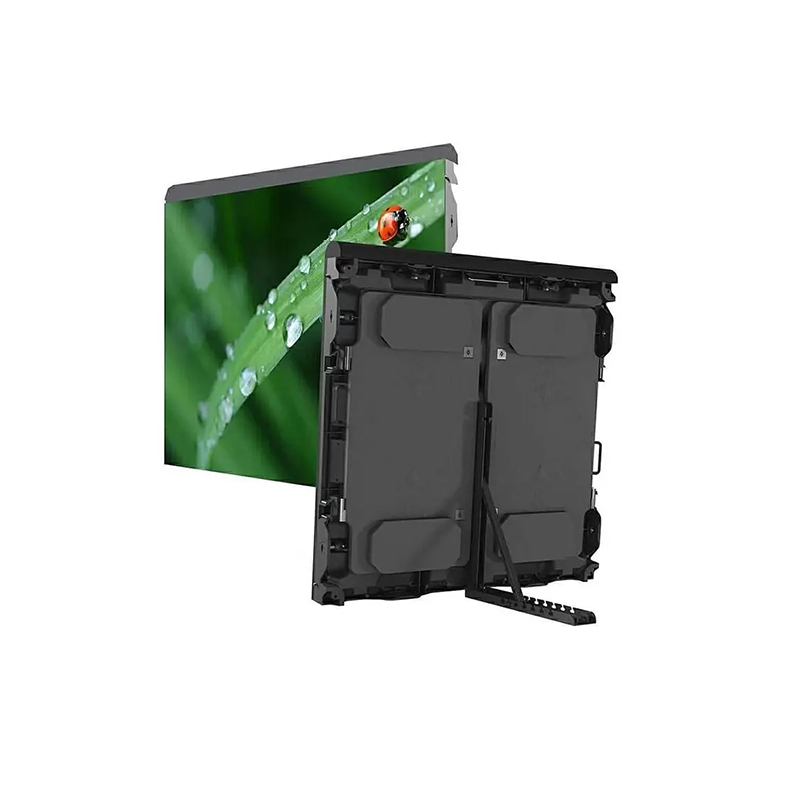
The cabinet structure has a direct impact on flatness and splicing precision. Therefore, selecting the right cabinet material is the first step toward seamless installation. Types of LED Wall Cabinet
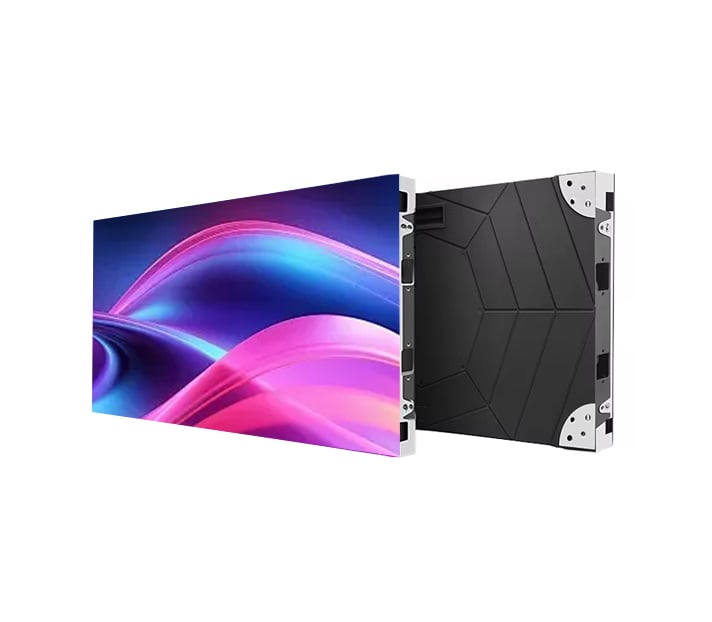
Die-cast aluminum cabinets dominate the mid-to-high-end LED display market. They use precision molds, so the cabinets have excellent consistency and minimal deformation. This allows very tight assembly tolerances, with splicing gaps controlled within ±0.1 mm.
These cabinets are also lightweight, strong, and efficient in heat dissipation. As a result, they are the best choice for seamless LED walls in corporate, broadcast, and premium commercial applications.
Sheet metal cabinets use bent and welded steel or aluminum plates. They cost less but have lower precision. Welding stress and material deformation can cause misalignment, which leads to V-shaped gaps or uneven edges during assembly.
These cabinets work well for rental displays or fixed installations where seamless appearance is not critical. However, they are not ideal for high-end seamless video walls.
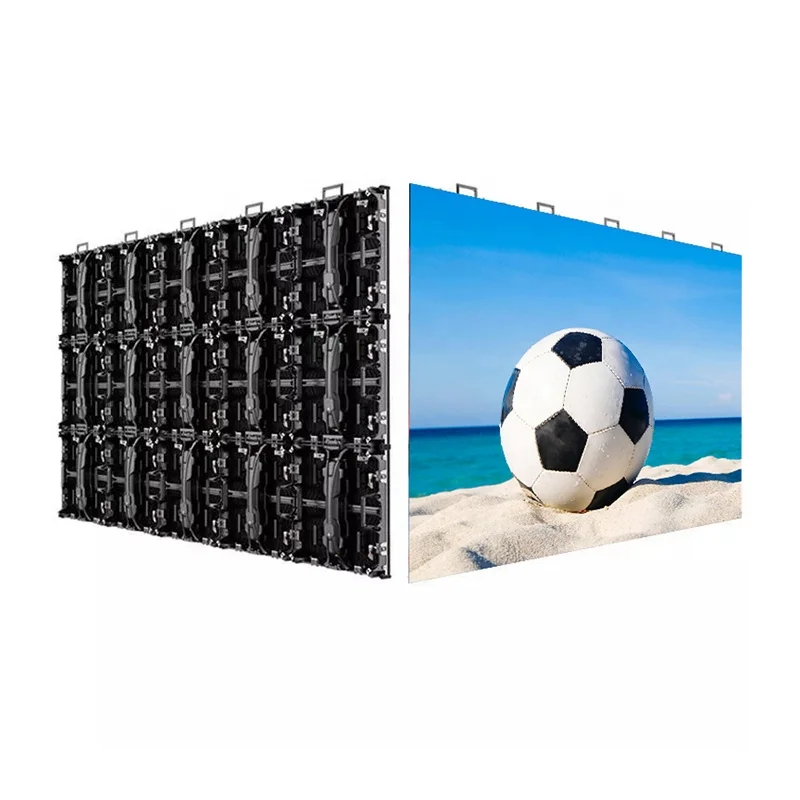
Correct module alignment is one of the most important steps in reducing seams. LED displays use a modular structure, and each module must align perfectly with the adjacent modules.
If gaps appear between modules, it means something went wrong during installation. LED panels should stack tightly in the same plane from top to bottom without overlaps or spaces. Proper alignment ensures the display looks refined and professional.
To improve alignment:
Use precision mounting frames or alignment pins
Adjust module screws evenly to maintain flatness
Check cabinet level with a laser or spirit level
Avoid over-tightening screws, which can deform cabinets
With careful alignment, you can achieve a visually seamless LED wall that enhances the viewing experience.
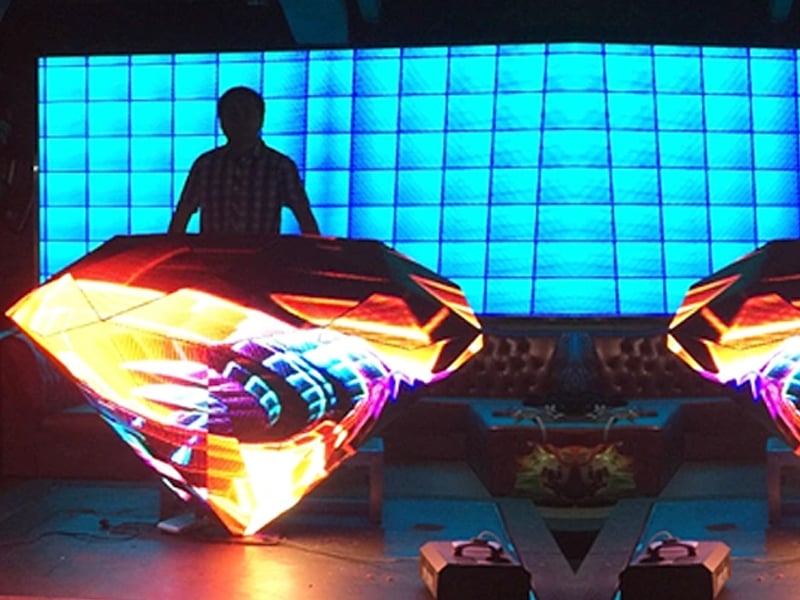
Installation accuracy determines the final splicing effect. Even high-end cabinets will show seams if installers do not follow best practices.
Use professional mounting structures and leveling tools. Maintain uniform pressure across cabinets to prevent warping. After installation, perform calibration to match brightness and color across the entire display.
Calibration helps eliminate visible differences between panels and enhances the seamless appearance. It also improves color consistency and image quality.
Seamless splicing requires ongoing maintenance. Over time, vibration, thermal expansion, or loose connections can create gaps between panels.
You should inspect the display periodically. Check whether modules and cabinets remain firmly connected. Look for any openings or visible seams and address them immediately.
Timely adjustments and repairs help maintain a seamless appearance and extend the lifespan of your LED video wall. Regular maintenance also prevents color inconsistency and brightness differences caused by aging panels.
| Feature | LED Video Wall | LCD Video Wall |
|---|---|---|
| Splicing Gap | Nearly seamless | Minimum ~0.88 mm bezel |
| Visual Continuity | Excellent | Interrupted by bezels |
| Aging Impact | Minimal with calibration | Noticeable brightness/color differences |
| Ideal Applications | High-end meetings, studios, stages | Cost-sensitive installations |
This comparison shows why LED technology dominates premium large-format display projects.
To achieve a truly seamless LED wall, follow these best practices:
Choose die-cast aluminum cabinets for high precision.
Use professional mounting structures and leveling tools.
Align modules carefully during installation.
Perform brightness and color calibration.
Conduct periodic inspections and maintenance.
By following these steps, you can minimize splicing gaps and deliver a high-end visual experience.
Seamless splicing is one of the biggest advantages of LED displays over LCD video walls. However, achieving a perfect result requires the right cabinet choice, precise installation, and regular maintenance.
When you invest in quality hardware and professional installation, your LED video wall can deliver a continuous, immersive image with minimal visual interruptions. This makes LED screens the preferred solution for premium commercial, broadcast, and corporate environments.
1. Why do LCD video walls have visible seams?
LCD panels have physical bezels around each screen, which create black grid lines when multiple panels are combined.
2. Can LED screens achieve completely seamless displays?
Yes. LED displays can achieve nearly seamless splicing, especially when using precision cabinets and professional installation.
3. How can I reduce gaps in my LED video wall?
Use die-cast aluminum cabinets, align modules carefully, calibrate brightness and color, and perform regular maintenance.
 EN
EN
 AR
AR
 BG
BG
 HR
HR
 CS
CS
 DA
DA
 NL
NL
 FI
FI
 FR
FR
 DE
DE
 EL
EL
 HI
HI
 IT
IT
 JA
JA
 KO
KO
 NO
NO
 PL
PL
 PT
PT
 RO
RO
 RU
RU
 ES
ES
 SV
SV
 TL
TL
 ID
ID
 SR
SR
 UK
UK
 VI
VI
 ET
ET
 HU
HU
 TH
TH
 TR
TR
 FA
FA
 AF
AF
 MS
MS
 GA
GA
 HY
HY
 AZ
AZ
 MN
MN
 UZ
UZ