Home > News > Industry News
LED display cabinets play a critical role in any LED screen system. They affect screen flatness, seamless splicing, heat dissipation, and long-term stability. More importantly, the cabinet structure determines how easy the screen is to install, maintain, and transport.
Different projects require different cabinet designs. Therefore, understanding the main cabinet types helps you select the right solution for your application.
This guide explains common LED display cabinet types based on material, installation use, maintenance method, and structural design.
LED cabinets do more than hold modules. They ensure structural strength, protect electronic components, and improve visual quality. A high-precision cabinet reduces gaps between modules and improves image uniformity. In addition, a good cabinet design improves airflow and heat dissipation, which extends the lifespan of the LED screen.
Manufacturers usually make simple cabinets from galvanized steel sheets. They bend and weld the metal to form a rigid structure.
Advantages:
Low cost
Strong structure
Easy to maintain
Good heat dissipation
Limitations:
Heavy weight
Average precision and appearance
No dust or waterproof protection
Typical Applications:
These cabinets work best for low-budget indoor projects where weight and visual perfection are not critical.
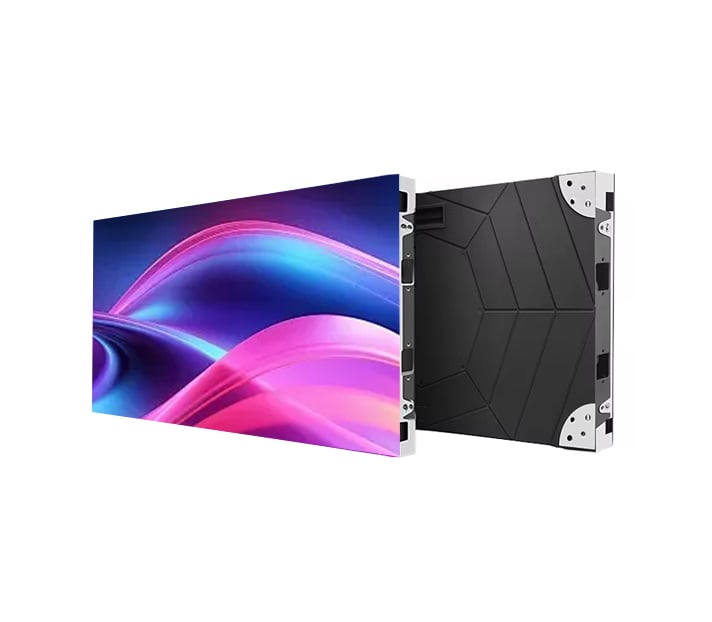
Rental cabinets are designed for frequent assembly, disassembly, and transportation. Manufacturers usually use CNC machining to achieve high precision.
Advantages:
Lightweight
Excellent flatness
Attractive design
Fast installation with quick-lock systems
Durable for repeated use
Limitations:
High initial tooling cost
Typical Applications:
These cabinets are ideal for concerts, events, exhibitions, and stage rental screens.
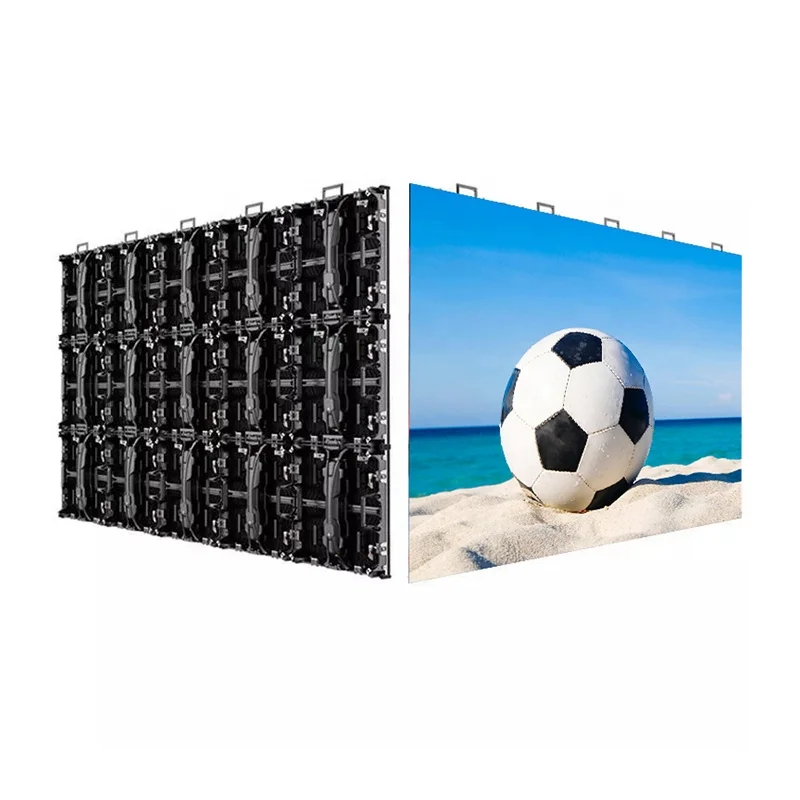
Front-service cabinets allow maintenance from the front side. This design is useful when rear access is limited.
Advantages:
Easy and fast front maintenance
Suitable for space-limited installations
Limitations:
Cabinet size is usually limited (commonly up to 3 m × 2 m per unit)
Typical Applications:
These cabinets suit wall-mounted displays and fixed installations with limited rear space.
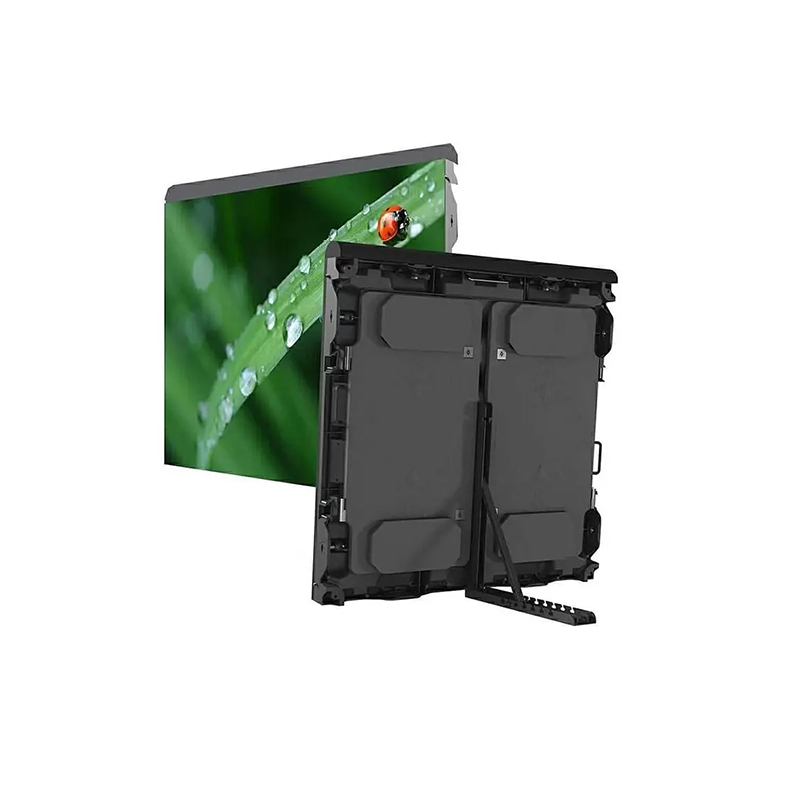
Stadium cabinets include adjustable support legs. They can stand independently without steel structures.
Advantages:
Adjustable viewing angle
Self-supporting design
High stability
Typical Applications:
These cabinets are widely used in sports venues and arenas.
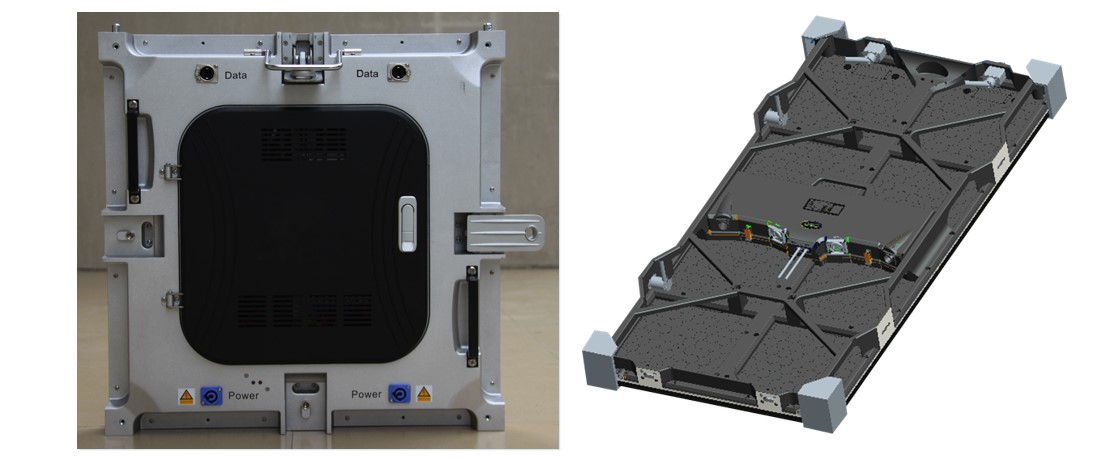
Mesh screens use open-frame metal structures instead of traditional closed cabinets. The frame supports LED strips or modules.
Advantages:
Lightweight
Easy installation
Lower cost
Moderate brightness
Limitations:
Lower transparency than grating screens
Gradually replaced by grating LED screens
Typical Applications:
These cabinets are suitable for stages, bars, and creative installations.
Grating cabinets allow light and air to pass through. People often call them LED curtain screens.
Advantages:
High transparency
Lightweight
Low wind load
Flexible installation
Typical Applications:
These cabinets are ideal for building facades, glass curtain walls, and high-altitude outdoor installations.
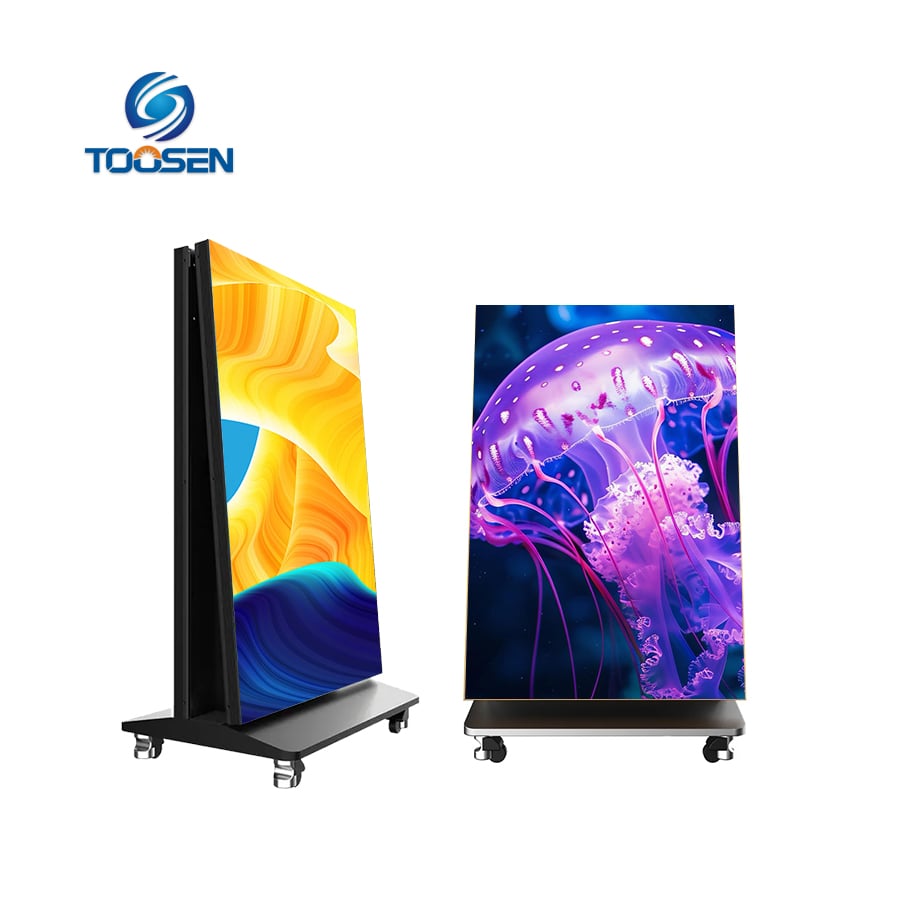
Double-sided cabinets display content on both sides. They provide an integrated and modern appearance.
Advantages:
Dual-sided display
Simple and stylish design
Fast installation
Typical Applications:
These cabinets are commonly used for outdoor advertising and digital signage.
Aluminum frame cabinets are popular for indoor screens. They do not require waterproof protection.
Advantages:
Lightweight
Good flatness
Easy to process
Limitations:
Limited design flexibility
Less aesthetic variation
Typical Applications:
These cabinets are suitable for indoor fixed LED displays.
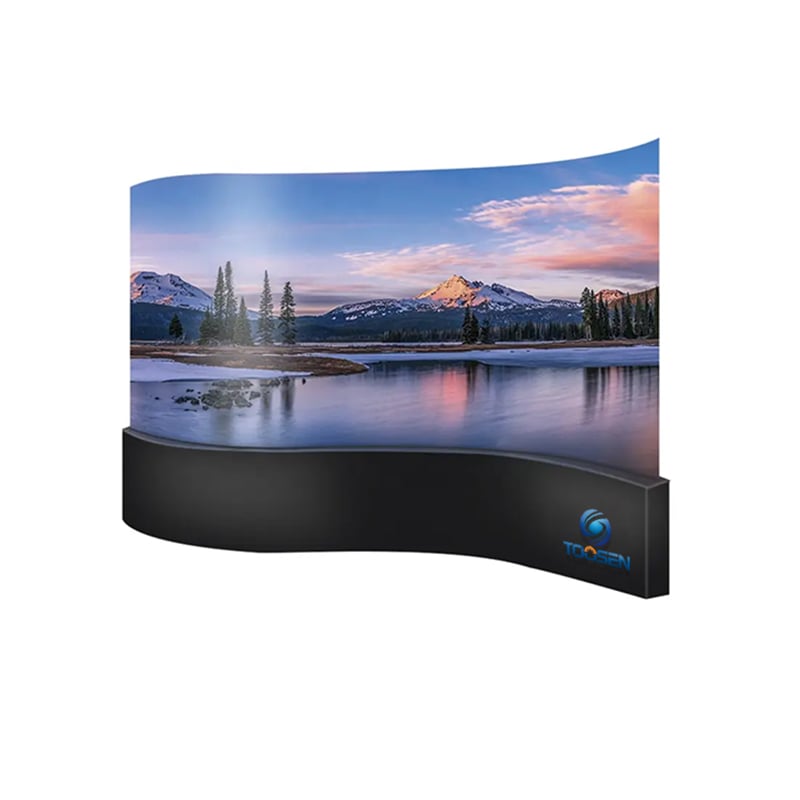
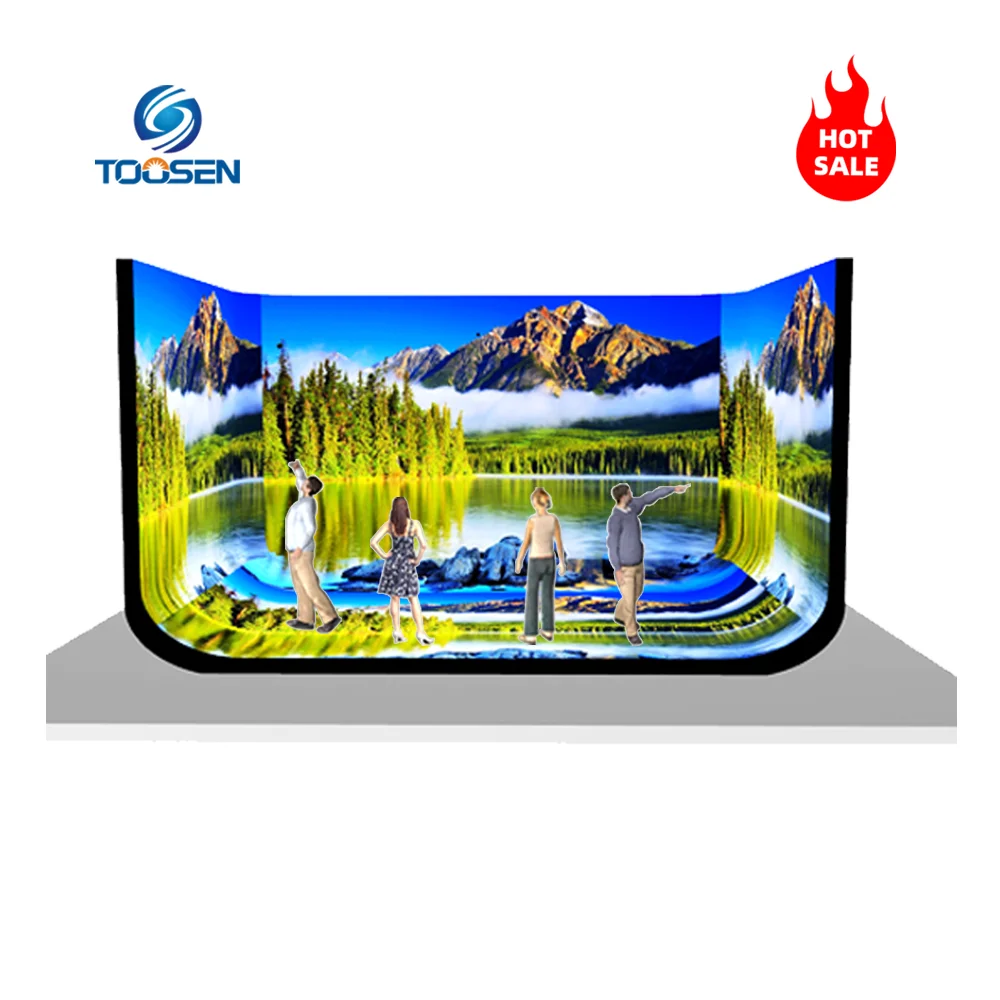
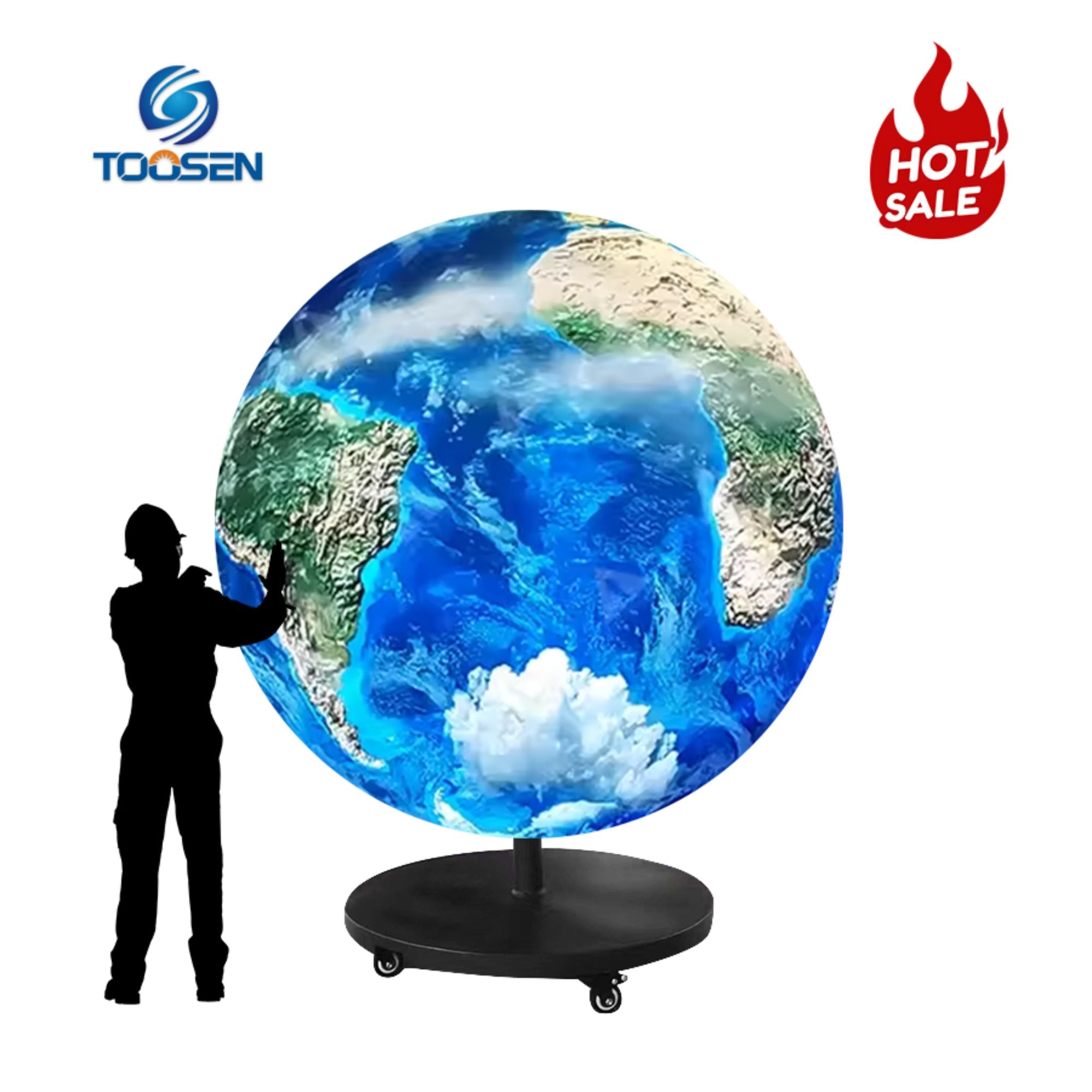
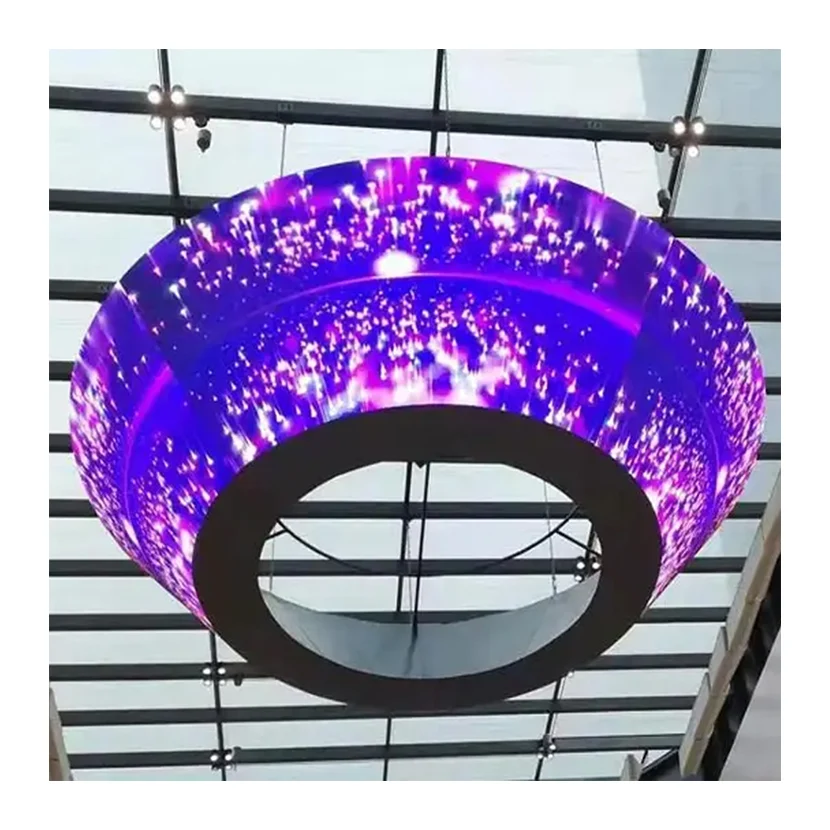
Curved cabinets support concave and convex LED screens. The curvature depends on module design and edge angles.
Key Points:
Indoor curved screens often support seamless splicing
Outdoor curved screens depend on module bevel angles
Typical Applications:
Curved cabinets are used in immersive displays, museums, retail spaces, and architectural installations.
When selecting an LED cabinet, consider these factors:
Installation environment: indoor or outdoor
Maintenance access: front or rear service
Weight and transportation needs: rental or fixed
Visual precision requirements: high-end retail or standard advertising
Budget constraints: steel cabinets vs. CNC aluminum cabinets
Choosing the right cabinet improves performance, reduces maintenance costs, and increases project reliability.
LED display cabinets come in many types, each designed for specific applications. Steel cabinets offer low cost. Rental cabinets provide precision and flexibility. Front-service cabinets simplify maintenance. Mesh and grating cabinets deliver lightweight and transparent structures. Stadium cabinets support large venues. Aluminum frames suit indoor displays. Curved cabinets enable creative installations.
Understanding these cabinet types helps you make better decisions and optimize your LED display project.
Q1: What is the most common material for LED display cabinets?
A: Aluminum and steel are the most common materials. Aluminum offers lightweight and precision, while steel offers lower cost and high strength.
Q2: Which cabinet is best for outdoor LED screens?
A: Outdoor screens usually use waterproof aluminum cabinets, stadium cabinets, grating cabinets, or double-sided lightbox cabinets depending on the application.
Q3: What cabinet is best for rental LED screens?
A: Rental cabinets with quick-lock systems are best because they are lightweight, precise, and easy to assemble and disassemble.
 EN
EN
 AR
AR
 BG
BG
 HR
HR
 CS
CS
 DA
DA
 NL
NL
 FI
FI
 FR
FR
 DE
DE
 EL
EL
 HI
HI
 IT
IT
 JA
JA
 KO
KO
 NO
NO
 PL
PL
 PT
PT
 RO
RO
 RU
RU
 ES
ES
 SV
SV
 TL
TL
 ID
ID
 SR
SR
 UK
UK
 VI
VI
 ET
ET
 HU
HU
 TH
TH
 TR
TR
 FA
FA
 AF
AF
 MS
MS
 GA
GA
 HY
HY
 AZ
AZ
 MN
MN
 UZ
UZ