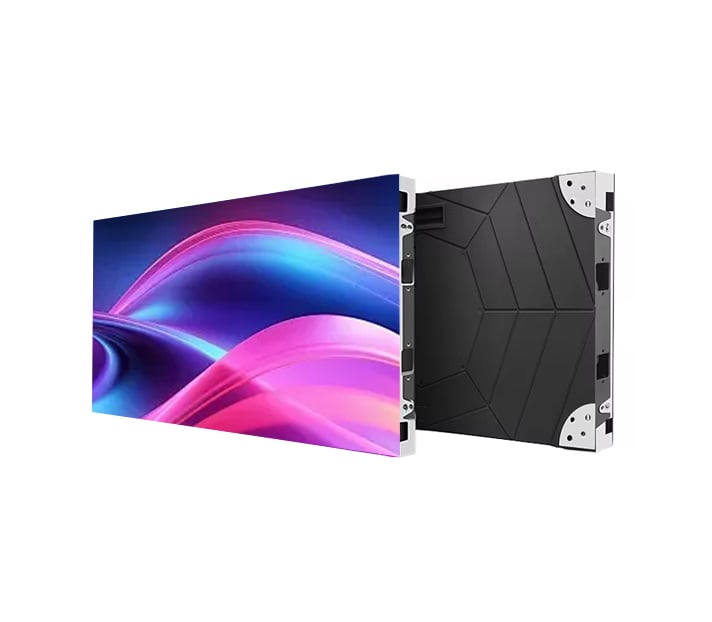
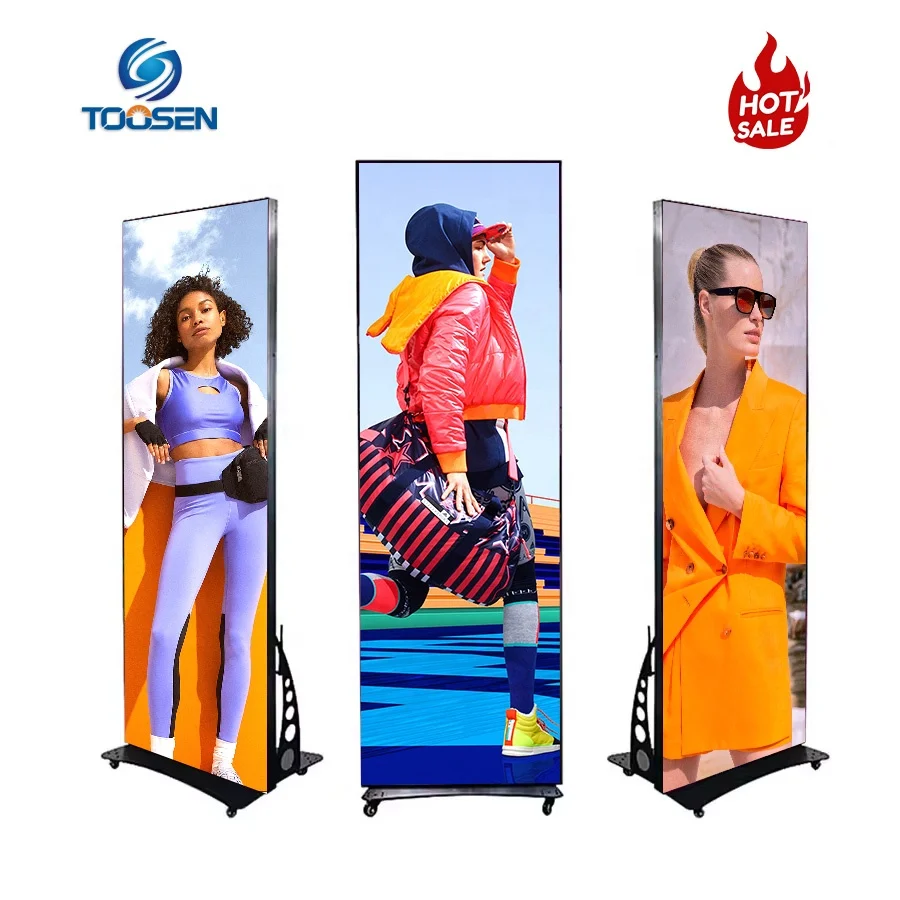
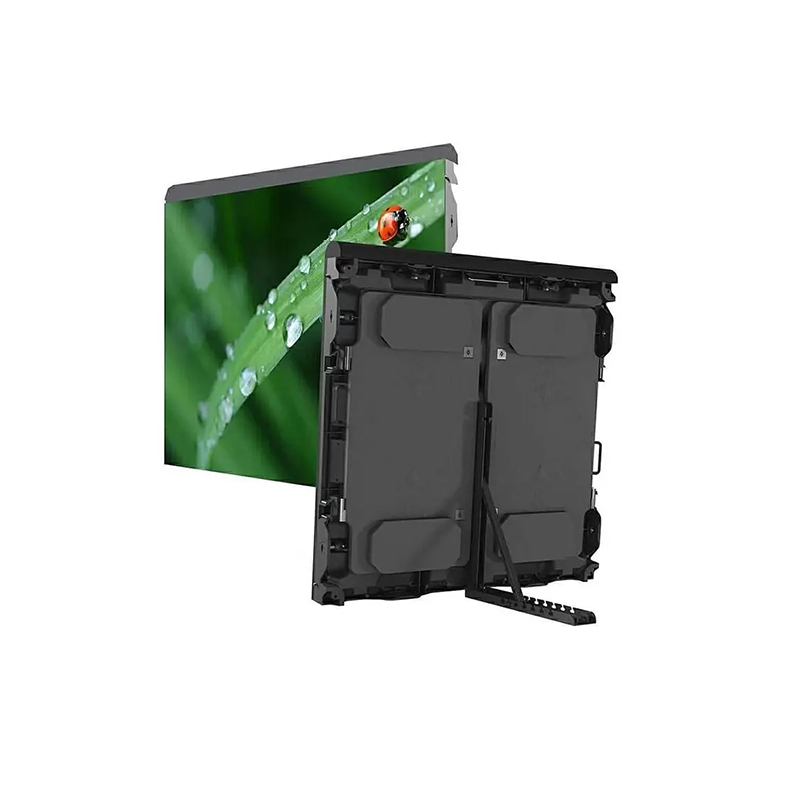
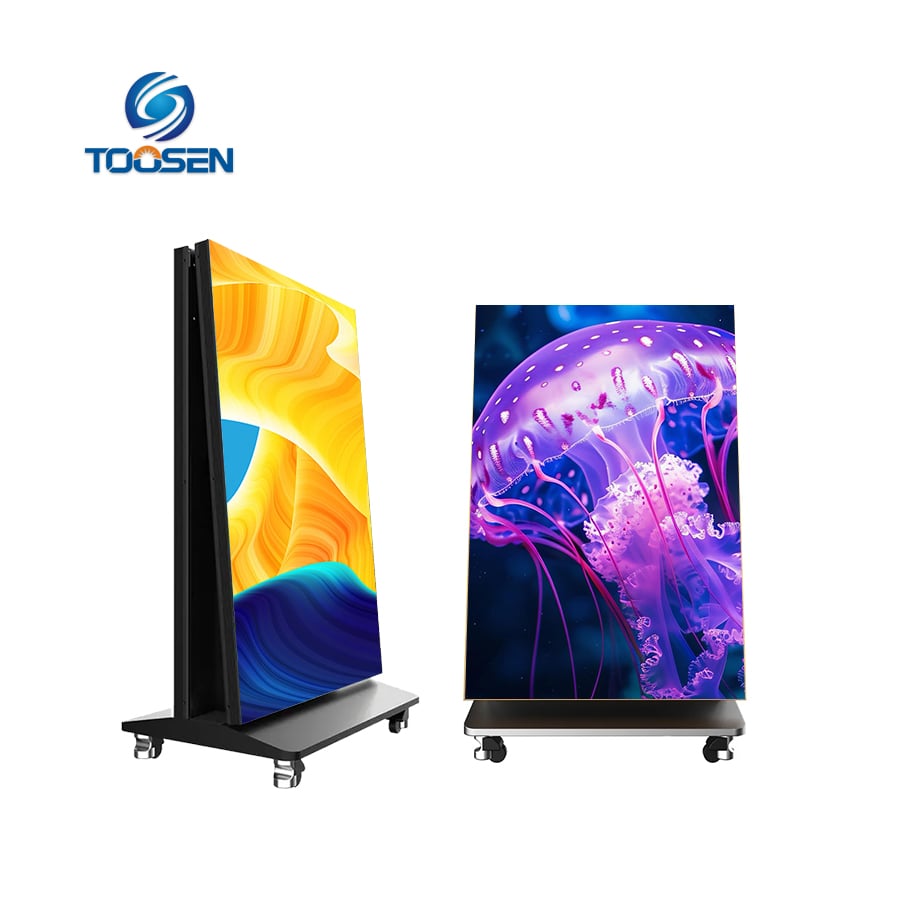
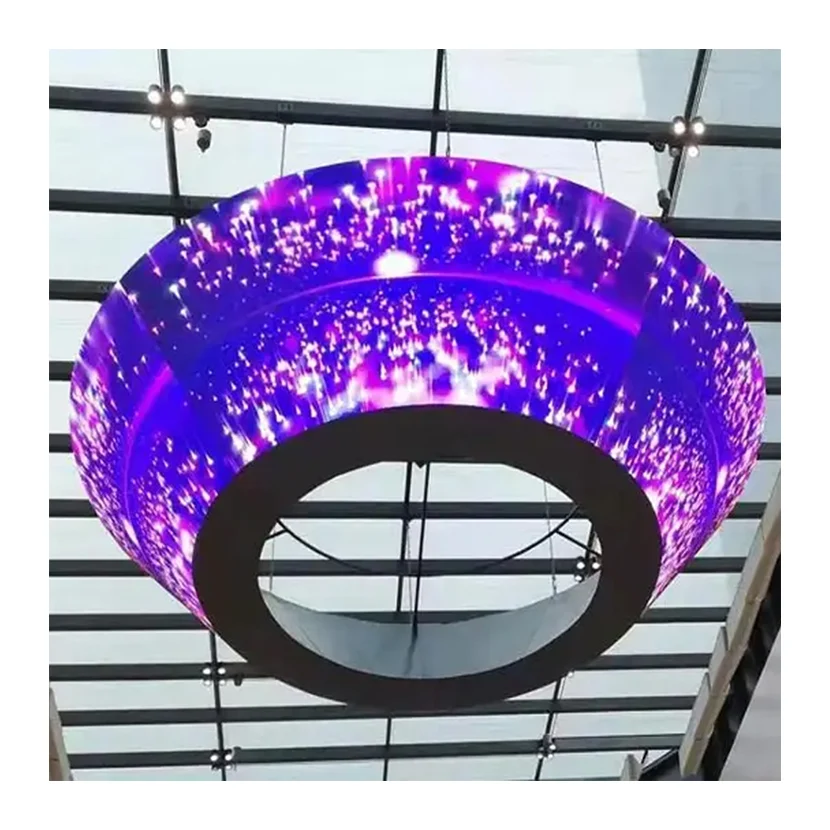
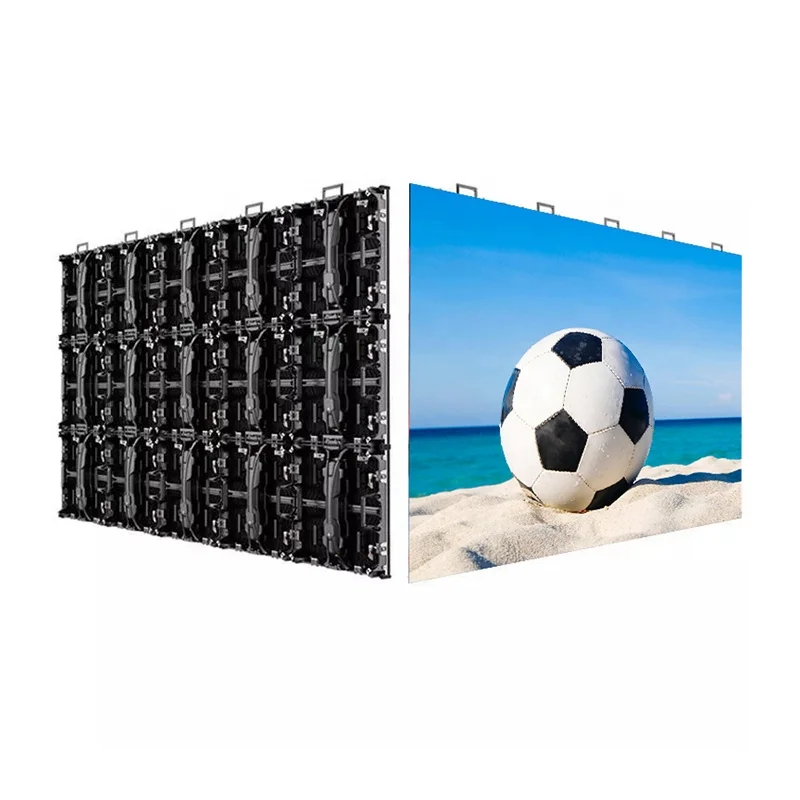
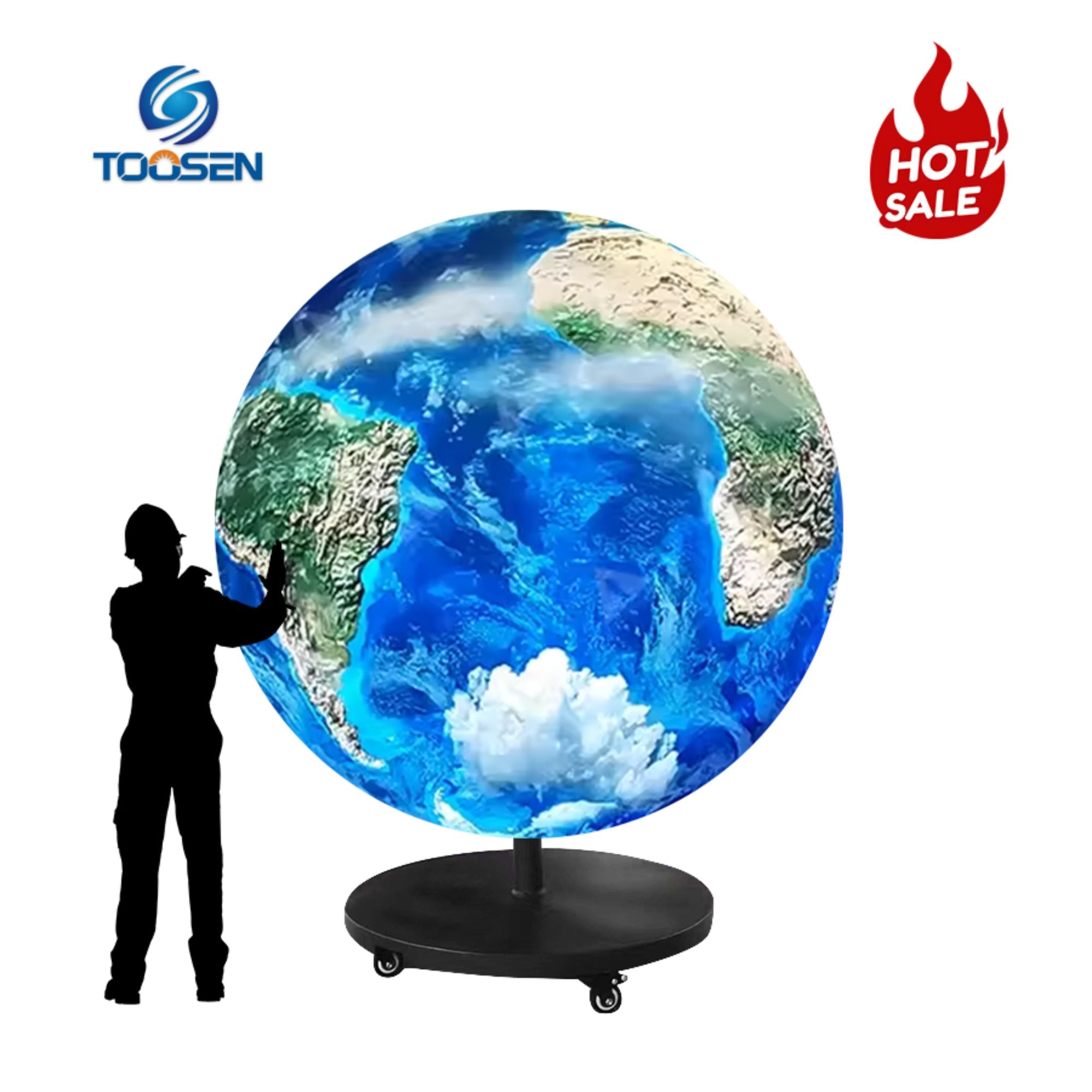
Kupując Wyświetlacz LED po raz pierwszy wydaje się to ekscytujące, ale proces ten może bardzo szybko stać się przytłaczający. W wielu projektach największe problemy nie wynikają z samej technologii. Zazwyczaj zaczynają się one od błędnych decyzji podjętych na wczesnym etapie oraz nierzeczywistych oczekiwań.
Ten problem nabiera jeszcze większego znaczenia w środowiskach takich jak kościoły, sale imprezowe, hale konferencyjne oraz przestrzenie publiczne, gdzie system LED odgrywa kluczową rolę w komunikacji, transmisji na żywo, zaangażowaniu publiczności oraz ogólnym wrażeniu wizualnym.
Dobrze zaprojektowany wyświetlacz LED może działać niezawodnie przez wiele lat. Jednak błędne decyzje mogą prowadzić do problemów z obrazem, kosztownych napraw, ograniczeń w użytkowaniu oraz nieoczekiwanych długoterminowych wydatków.
Wyświetlacz LED to nie tylko ulepszenie wizualne. Stanowi on integralną część infrastruktury komunikacyjnej, doświadczenia liturgicznego, przepływu pracy produkcyjnej oraz systemu nadawczego.
Gdy zakupujący po raz pierwszy zapoznają się z ekranami wideo LED, naturalnie skupiają się na cenie. Jednak długotrwały sukces zależy od znacznie więcej niż tylko od początkowych kosztów sprzętu.
W rzeczywistych instalacjach wielu zakupujących niedoszacowuje całkowitych inwestycji związanych z projektem wyświetlacza LED. Poza samymi panelami pełne koszty systemu obejmują często:
Dlatego podejmowanie świadomych decyzji na wczesnym etapie może zaoszczędzić znaczne ilości czasu, pieniędzy oraz uniknąć rozczarowania w przyszłości.
Najniższa cena często okazuje się najdroższym błędem w dłuższej perspektywie czasowej.
Systemy budżetowe często obniżają koszty poprzez pogorszenie jakości w następujących obszarach:
W rezultacie te systemy mogą doświadczać problemów takich jak:
W środowiskach o wysokim użytkowaniu, takich jak kościoły i sale imprezowe, niezawodność ma znacznie większe znaczenie niż oszczędność niewielkiego procenta kosztów na etapie zakupu.
Rozstaw pikseli bezpośrednio wpływa na jakość obrazu w zależności od odległości obserwacji.
Mniejszy rozstaw pikseli zapewnia wyraźniejsze obrazy w bliskiej odległości, podczas gdy większy rozstaw lepiej sprawdza się przy dłuższych odległościach obserwacji oraz w większych obiektach.
| Środowisko obserwacji | Zalecany rozstaw pikseli |
|---|---|
| Bliska odległość obejrzania | 2,5 mm |
| Średnie i duże pomieszczenia | 3,0 mm–3,9 mm |
Dla wielu ekranów LED w kościołach ten balans staje się szczególnie ważny, ponieważ teksty pieśni, fragmenty Pisma Świętego, notatki z kazań oraz treści prezentacji wymagają wyraźnej czytelności.
Wybór niewłaściwego rozstawu pikseli może prowadzić albo do niepotrzebnego marnowania budżetu, albo do obniżenia jakości obrazu dla widzów.
Współczesne systemy LED nie obsługują już wyłącznie publiczności obecnej osobiście.
Obecnie wiele kościołów, sal konferencyjnych i przestrzeni imprezowych w znacznym stopniu polega na transmisjach na żywo oraz produkcji wideo. Dlatego też częstotliwość odświeżania staje się kluczowym parametrem technicznym.
Ekran o niskiej częstotliwości odświeżania może wydawać się akceptowalny dla ludzkiego oka, ale kamery często rejestrują widoczne migotanie lub linie skanowania – zwłaszcza w środowiskach wielokamerowej produkcji.
W profesjonalnych zastosowaniach nadawczych wyższe częstotliwości odświeżania zapewniają płynniejszy i czystszy obraz na ekranie kamery.
Kontroler pełni funkcję mózgu całego systemu LED.
Nawet wysokiej klasy panele LED nie będą działać prawidłowo, jeśli kontroler nie posiada wymaganej mocy obliczeniowej.
W zależności od konfiguracji układu może być potrzebna obsługa:
Wybór odpowiedniego kontrolera zapewnia stabilną pracę, płynniejsze przepływy pracy oraz lepszą jakość obrazu.
W środowiskach publicznych certyfikacja bezpieczeństwa nie jest opcjonalna.
Niezbędne jest, aby niezawodne systemy LED spełniały uznane normy elektryczne i bezpieczeństwa, zapewniając:
Brak odpowiedniej certyfikacji może wiązać się z ryzykiem dla bezpieczeństwa, problemami ubezpieczeniowymi lub przepisami regulacyjnymi.
Dlatego zakupujący powinni zawsze sprawdzać dokumentację certyfikacyjną przed zakupem.
Wyświetlacze LED są zbudowane w sposób modularny, co ułatwia konserwację i naprawy.
Jednak moduły zastępcze do przyszłych wymian mogą nie być idealnie zgodne z oryginalną partią produkcyjną pod względem:
Z tego powodu doświadczeni instalatorzy zdecydowanie zalecają zamówienie modułów zapasowych już przy pierwszym zakupie.
Przechowywanie modułów zapasowych na miejscu pozwala utrzymać długotrwałą spójność wizualną oraz minimalizuje czas przestoju w przypadku konieczności przeprowadzenia napraw.
Wyświetlacz LED nie jest telewizorem.
Wielu początkujących nabywców nie rozumie tej różnicy i formuje nierealistyczne oczekiwania.
Ściany wideo LED są specjalnie zaprojektowane do:
W przeciwieństwie do telewizorów systemy LED stawiają na skalowalność, trwałość oraz widoczność w trudnych warunkach środowiskowych.
Zrozumienie tej różnicy pomaga nabywcom podejmować lepsze decyzje dotyczące rozdzielczości, odległości oglądania oraz wydajności systemu.
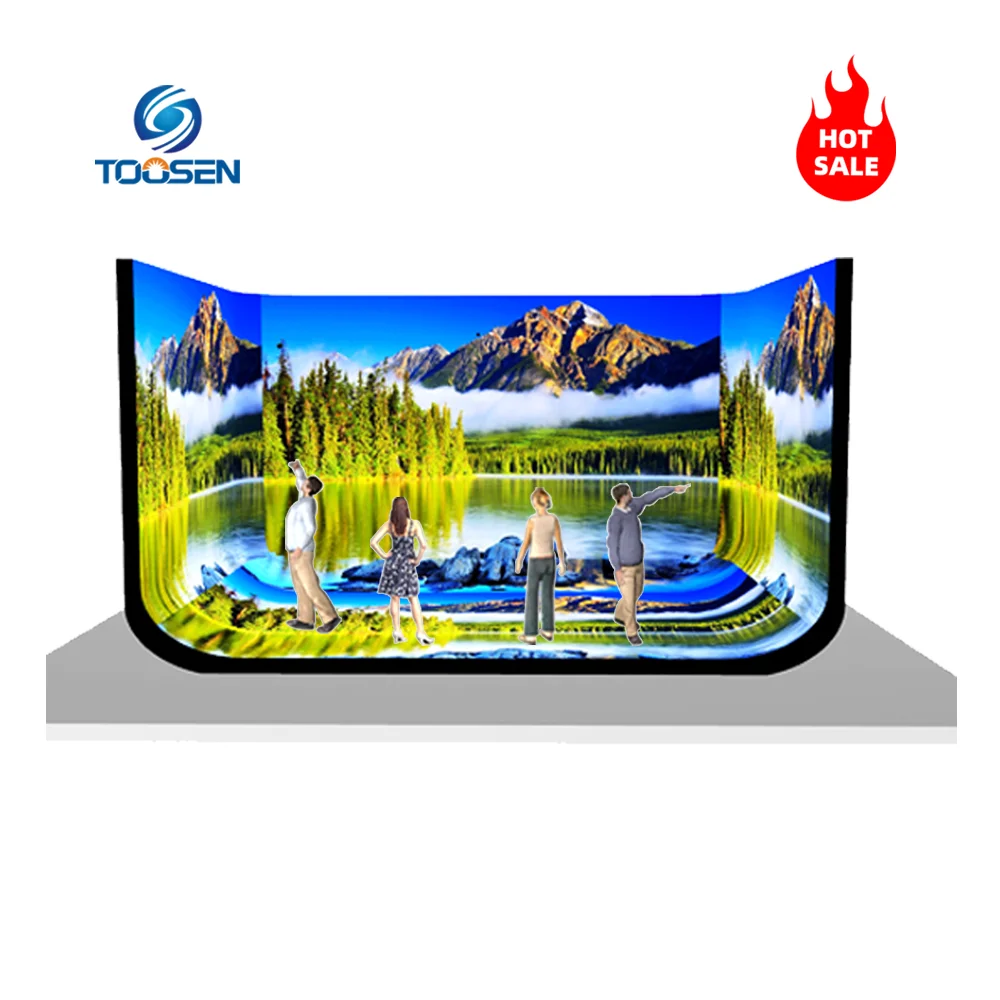
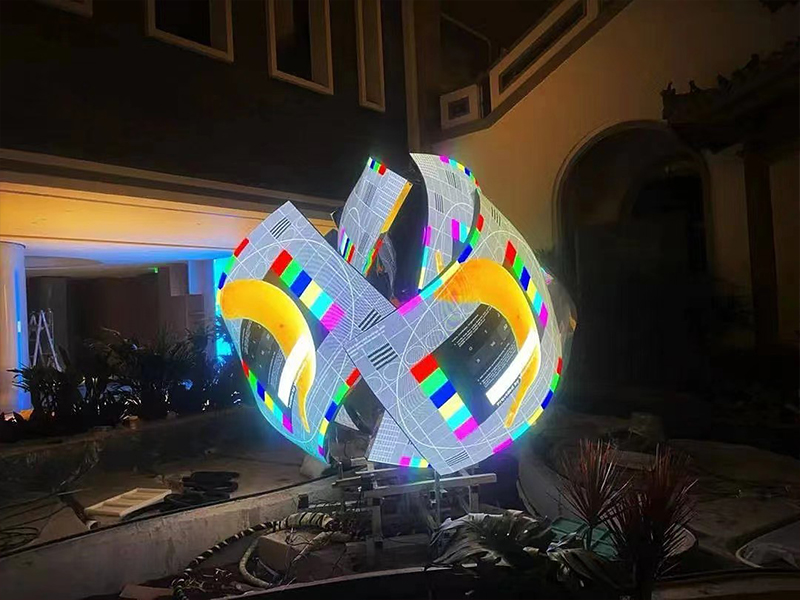
Chociaż format 16:9 pozostaje najbardziej powszechny, nie jest on jedyną opcją.
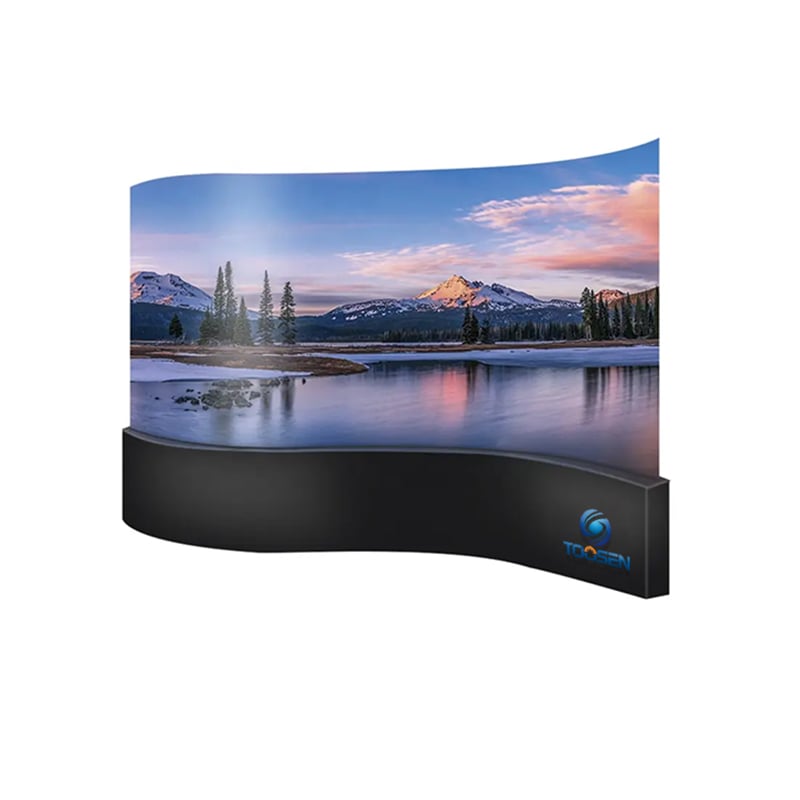
Wiele instalacji korzysta z niestandardowych proporcji obrazu, szczególnie w środowiskach opartych na scenie, gdzie kreatywne układy poprawiają opowiadanie wizualne i rozmieszczenie treści.
Niestandardowe konfiguracje LED mogą lepiej odpowiadać:
Elastyczność często zapewnia bardziej wizualnie zrównoważoną i immersyjną prezentację.
Koszty instalacji często nie otrzymują wystarczającej uwagi na wczesnym etapie budżetowania.
W rzeczywistości koszty instalacji mogą stanowić od 10% do 20% całkowitych kosztów projektu.
Typowe koszty instalacji obejmują:
Złożone instalacje mogą wymagać również przeglądu inżynieryjnego oraz wyspecjalizowanej siły roboczej.
Wczesne planowanie tych kosztów pozwala uniknąć przekroczenia budżetu w późniejszym etapie projektu.
Solidna gwarancja oraz szybko reagujący zespół wsparcia odgrywają kluczową rolę w zapewnieniu długotrwałej niezawodności.
Większość renomowanych producentów wyświetlaczy LED oferuje:
Bez niezawodnej obsługi technicznej nawet drobne usterki techniczne mogą prowadzić do kosztownego przestoju i zakłóceń w funkcjonowaniu.
Dlatego kupujący powinni oceniać usługi posprzedażowe z taką samą starannością jak specyfikacje sprzętowe.
Zakup wyświetlacza LED wiąże się zdecydowanie więcej niż tylko doborem rozmiaru ekranu i ceny. Każda decyzja — od skoku pikseli i częstotliwości odświeżania po wybór kontrolera oraz planowanie instalacji — wpływa bezpośrednio na długoterminową wydajność i jakość odbioru przez użytkownika.
Gdy kupujący podejmują projekty związane z wyświetlaczami LED w sposób strategiczny, unikają kosztownych błędów i budują systemy zapewniające niezawodną wydajność przez wiele lat.
Nie ma znaczenia, czy wyświetlacz będzie służył sanktuarium kościoła, sali imprez na żywo, centrach konferencyjnych czy publicznych instalacjach — staranne planowanie zawsze przynosi lepsze rezultaty niż pośpieszne wybieranie najtańszego dostępnego rozwiązania.
 EN
EN
 AR
AR
 BG
BG HR
HR
 CS
CS
 DA
DA
 NL
NL
 FI
FI FR
FR
 DE
DE EL
EL
 HI
HI
 IT
IT JA
JA
 KO
KO
 NO
NO PL
PL PT
PT RO
RO
 RU
RU
 ES
ES
 SV
SV
 TL
TL
 ID
ID
 SR
SR
 UK
UK VI
VI
 ET
ET
 HU
HU
 TH
TH
 TR
TR
 FA
FA
 AF
AF
 MS
MS
 GA
GA
 HY
HY
 AZ
AZ
 MN
MN
 UZ
UZ