Home > News > Company News
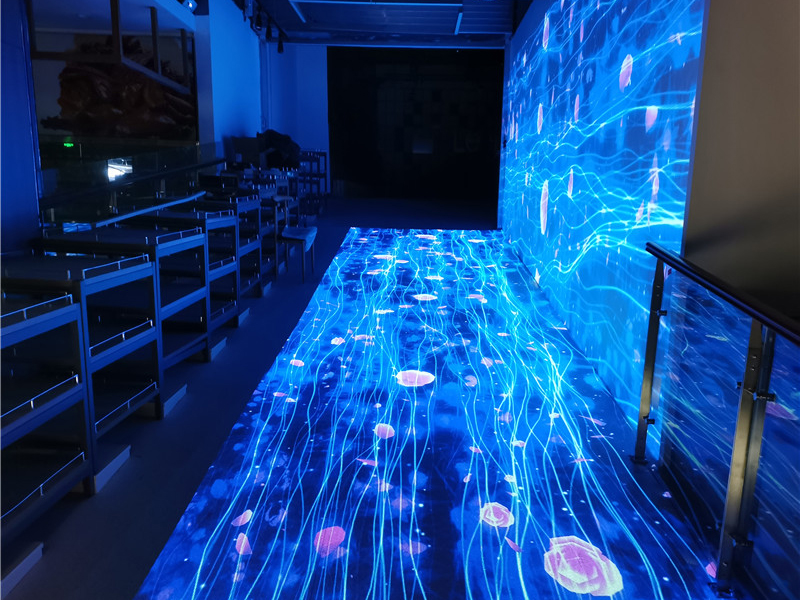
A dance floor LED screen creates far more than a visual effect in a nightclub. It transforms the entire venue into an immersive entertainment space. Modern LED dance floor systems combine high-load structural design, interactive technology, and synchronized visual content to deliver an engaging atmosphere that keeps guests energized throughout the night.
Unlike traditional flooring, LED dance floors respond to music, lighting, and even foot traffic in real time. As a result, bars and clubs can create unforgettable experiences while strengthening their brand identity and increasing customer retention.
Choosing the right LED floor screen directly affects performance, durability, and overall visual impact. Therefore, venue operators should balance pixel pitch, brightness, protection level, and load-bearing capacity according to the club environment.
| Parameter | Recommended Configuration | Description |
|---|---|---|
| Pixel Pitch | P1.8 / P2 / P3.91 / P4.81 | Ideal indoor dance floor resolution with balanced cost and clarity |
| Cabinet Size | 500×500mm or 500×1000mm | Standard modular size for quick installation and maintenance |
| Load Capacity | ≥1500kg/m² | Supports dense crowds and heavy equipment |
| Protection Rating | IP65 or above | Prevents damage from spilled drinks and humid environments |
| Refresh Rate | ≥3840Hz | Eliminates scan lines during smartphone recording |
| Brightness | 800–1500 nits | Comfortable indoor brightness without glare |
Different nightclub themes require different visual experiences. For this reason, manufacturers now offer several specialized floor screen solutions.
These systems include pressure sensors or infrared sensors beneath the panels. When guests step on the floor, the screen instantly triggers ripple effects, chasing lights, or animated graphics. Moreover, the system supports multi-person interaction simultaneously, which increases audience participation and energy.
This design combines tempered glass with reflective mirror structures to create an endless-depth visual illusion. Consequently, clubs can produce futuristic or sci-fi themed environments that attract attention on social media and enhance the venue atmosphere.
Magnetic cabinet connections allow technicians to install or remove panels within seconds. Therefore, venues can easily reconfigure floor layouts for different events, private parties, or seasonal themes.
A successful LED dance floor project requires more than hardware. Smart spatial planning and content design also play critical roles.
Install a fully covered LED floor system across the central dance area. In most bars and clubs, a recommended area ranges from 20㎡ to 50㎡. This section usually becomes the visual centerpiece of the venue.
Add interactive LED panels near the DJ stage so lighting effects can synchronize with the performance. This setup allows DJs to engage directly with the crowd through dynamic floor visuals.
Partial LED floor installations around VIP seating help create an exclusive atmosphere without overwhelming the entire space.
Decorative LED strips or localized floor sections can guide customer movement while adding visual depth throughout the venue.
Dynamic visual content keeps the nightclub environment fresh and exciting. Therefore, operators should prepare multiple content presets for different business periods and event themes.
Use slow-moving galaxy effects, water ripples, or soft ambient animations during early evening hours. Lower brightness levels create a relaxed atmosphere and encourage social interaction.
When the music intensity rises, the floor can display BPM-synchronized spectrum animations, flames, geometric explosions, and strobe effects. Additionally, direct synchronization with the sound system creates a stronger immersive experience.
Interactive visuals increase guest participation significantly. Common effects include:
Custom holiday and branding visuals help clubs host memorable themed events. For example:
Proper installation ensures long-term stability, safety, and display performance. Therefore, contractors should carefully plan structural support, ventilation, and cable routing before deployment.
Use self-leveling cement treatment before installation. The flatness deviation should remain within 3mm per 2 meters.
Install galvanized steel frameworks combined with vibration-damping pads. This structure distributes pressure evenly while minimizing resonance caused by bass-heavy sound systems.
Leave approximately 0.5mm gaps between panels and integrate drainage channels beneath the floor. As a result, spilled drinks and moisture can flow away safely.
Maintain an elevated airflow cavity of at least 15cm beneath the floor structure. Silent cooling fans further improve thermal management and extend component lifespan.
Technicians first mark the steel framework grid according to CAD construction drawings.
The team assembles and levels the galvanized square-tube support framework.
Each LED cabinet should connect to an independent power circuit. Additionally, the main electrical cabinet should reserve at least 30% redundant power capacity.
Use network or fiber-optic ring topology to prevent single-point failures from affecting the entire display system.
Install panels outward from the center using magnetic or locking connections.
Finally, engineers calibrate brightness, color temperature consistency, and sensor sensitivity panel by panel.
Safety remains essential in nightclub environments because heavy foot traffic and liquid exposure create challenging operating conditions.
Manufacturers usually apply matte or micro-textured finishes to improve friction. The recommended friction coefficient should remain above 0.6.
Rounded aluminum edge trims reduce the risk of injuries caused by accidental contact near the dance floor perimeter.
Routine maintenance helps operators reduce downtime and maintain consistent display quality.
After business hours, staff should wipe the floor surface using a slightly damp soft cloth. Avoid corrosive cleaning chemicals because they may damage the protective surface layer.
Technicians should regularly inspect:
Keeping 5–10% spare panels in stock allows quick hot-swapping when failures occur.
Updating visual materials every month keeps the dance floor experience fresh and encourages repeat customer visits.
A failed panel typically does not interrupt the overall display. Staff can replace the module after operating hours.
The system can automatically switch to local preset effects and maintain basic visual operation.
An integrated UPS backup system should provide at least 15 minutes of emergency lighting and evacuation support.
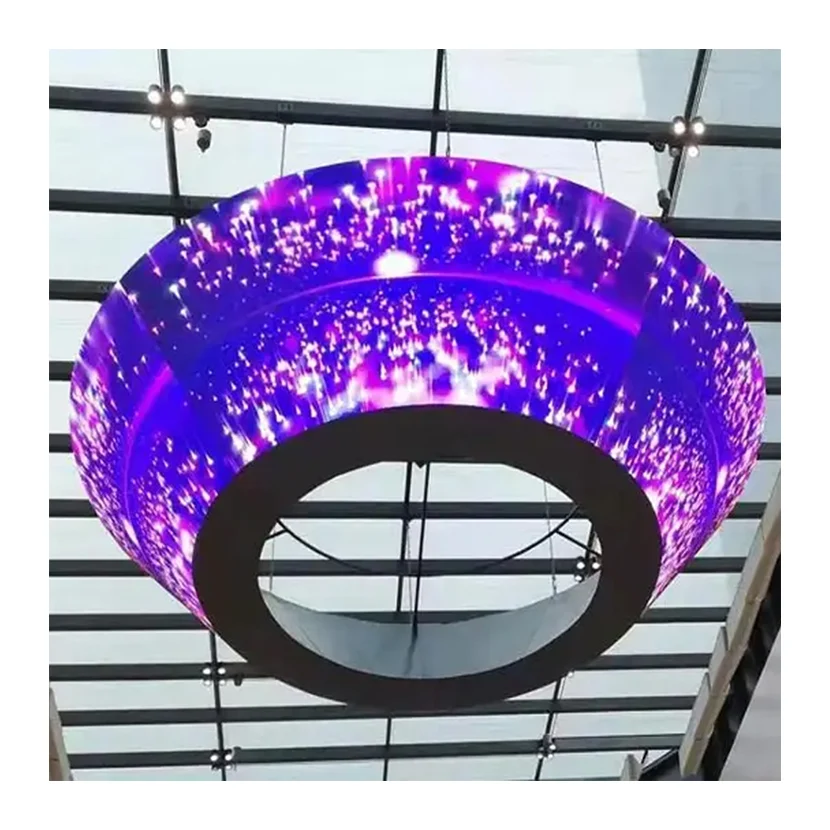
One well-known example is OMNIA Nightclub in Las Vegas. The venue combines a massive elliptical LED dome with an interactive LED dance floor system. Its 74-foot kinetic dome synchronizes with floor lighting effects, creating a fully immersive nightclub experience that has become a global benchmark for luxury entertainment venues.
 EN
EN
 AR
AR
 BG
BG
 HR
HR
 CS
CS
 DA
DA
 NL
NL
 FI
FI
 FR
FR
 DE
DE
 EL
EL
 HI
HI
 IT
IT
 JA
JA
 KO
KO
 NO
NO
 PL
PL
 PT
PT
 RO
RO
 RU
RU
 ES
ES
 SV
SV
 TL
TL
 ID
ID
 SR
SR
 UK
UK
 VI
VI
 ET
ET
 HU
HU
 TH
TH
 TR
TR
 FA
FA
 AF
AF
 MS
MS
 GA
GA
 HY
HY
 AZ
AZ
 MN
MN
 UZ
UZ