Home > News > Industry News
Today’s video processors support ultra-high-definition formats such as 4K and 8K. This allows LED displays to present sharper details, smoother gradients, and more realistic visuals.
In live broadcasting and interactive applications, low latency is critical. Advanced processors can achieve millisecond-level response times, ensuring smooth real-time performance.
LED displays often operate continuously in demanding environments such as airports, shopping malls, stadiums, and command centers. Therefore, video processors must deliver stable long-term performance under heavy workloads.
Professional video processors support a wide range of input and output interfaces, including:
This flexibility allows seamless integration with various LED display configurations and AV systems.
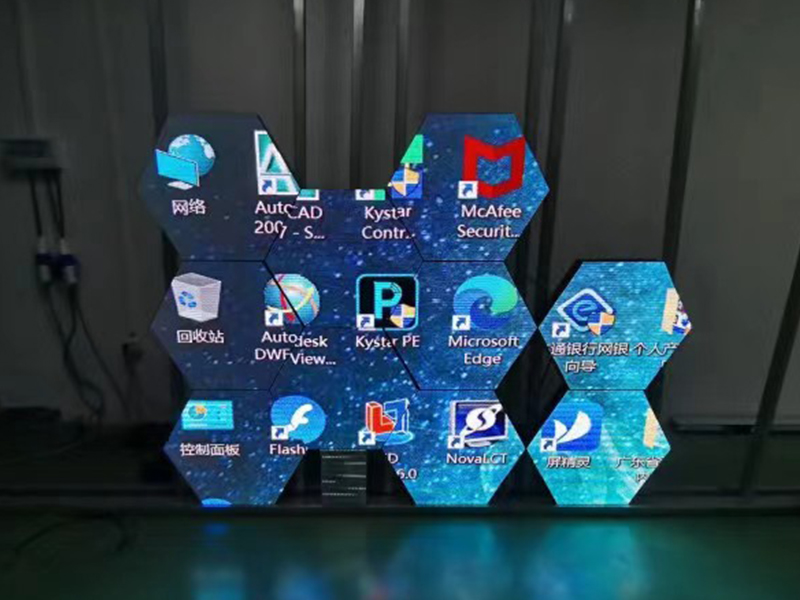
Modern processors offer customizable software interfaces and programmable control systems, allowing users to adjust display layouts, signal processing methods, and screen management functions more efficiently.
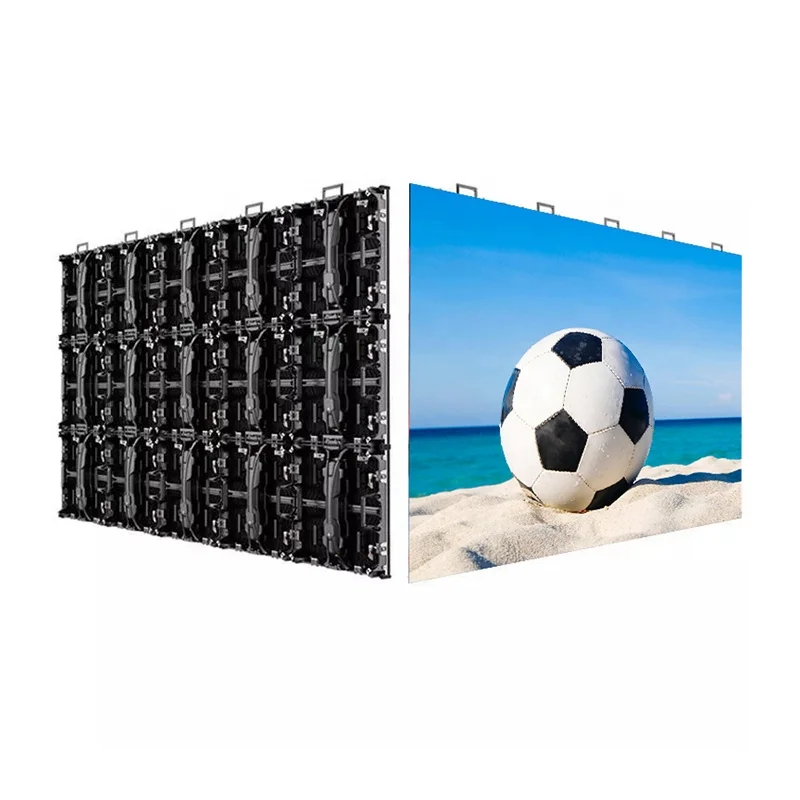
For large LED video walls and stage displays, video processors support multi-screen splicing and automatic image optimization. This creates a seamless large-format display without visible borders.
Color calibration technology ensures accurate and consistent image reproduction across the entire LED display. This function becomes especially important in broadcasting, advertising, and high-end visual applications.
Since video processors often run under high workloads, manufacturers integrate advanced cooling systems, heat dissipation structures, and intelligent fan control to maintain stable operation during long-term use.
Modern LED video processors emphasize ease of use through intuitive interfaces, modular architecture, and simplified configuration tools. Many systems also integrate smoothly with broader control platforms for centralized management.
LED video processors play a vital role in modern LED display systems. Beyond basic signal conversion, they provide advanced image optimization, real-time video processing, multi-screen synchronization, audio-video coordination, and intelligent remote management.
With continuous improvements in resolution support, low-latency performance, and system reliability, LED video processors now deliver better visual quality and a more efficient user experience across a wide range of commercial, entertainment, and professional display applications.
 EN
EN
 AR
AR
 BG
BG
 HR
HR
 CS
CS
 DA
DA
 NL
NL
 FI
FI
 FR
FR
 DE
DE
 EL
EL
 HI
HI
 IT
IT
 JA
JA
 KO
KO
 NO
NO
 PL
PL
 PT
PT
 RO
RO
 RU
RU
 ES
ES
 SV
SV
 TL
TL
 ID
ID
 SR
SR
 UK
UK
 VI
VI
 ET
ET
 HU
HU
 TH
TH
 TR
TR
 FA
FA
 AF
AF
 MS
MS
 GA
GA
 HY
HY
 AZ
AZ
 MN
MN
 UZ
UZ