Home > News > Industry News
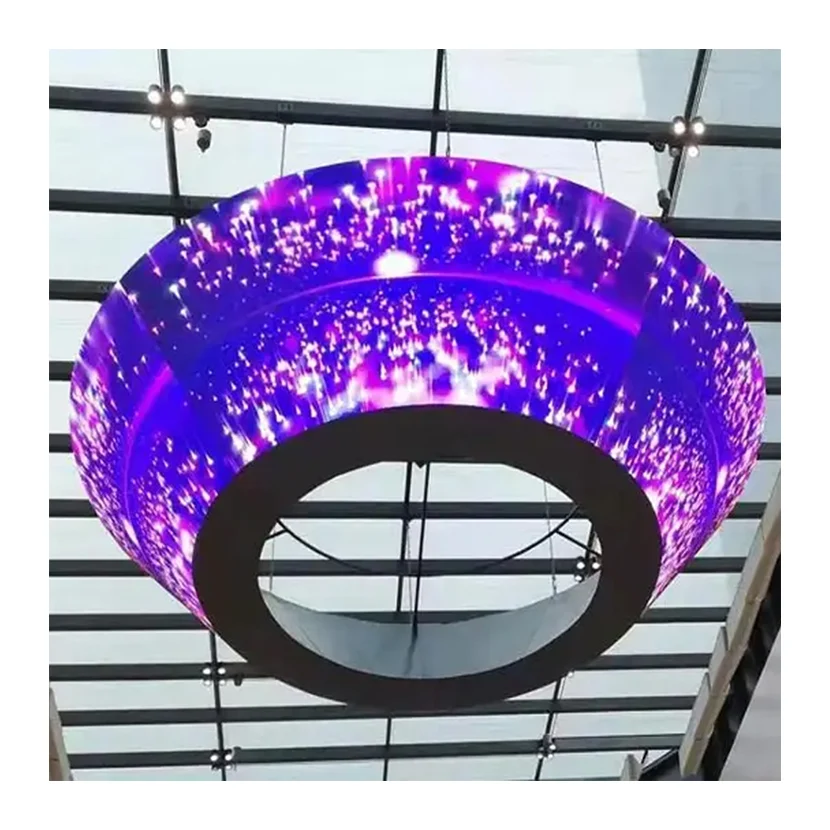
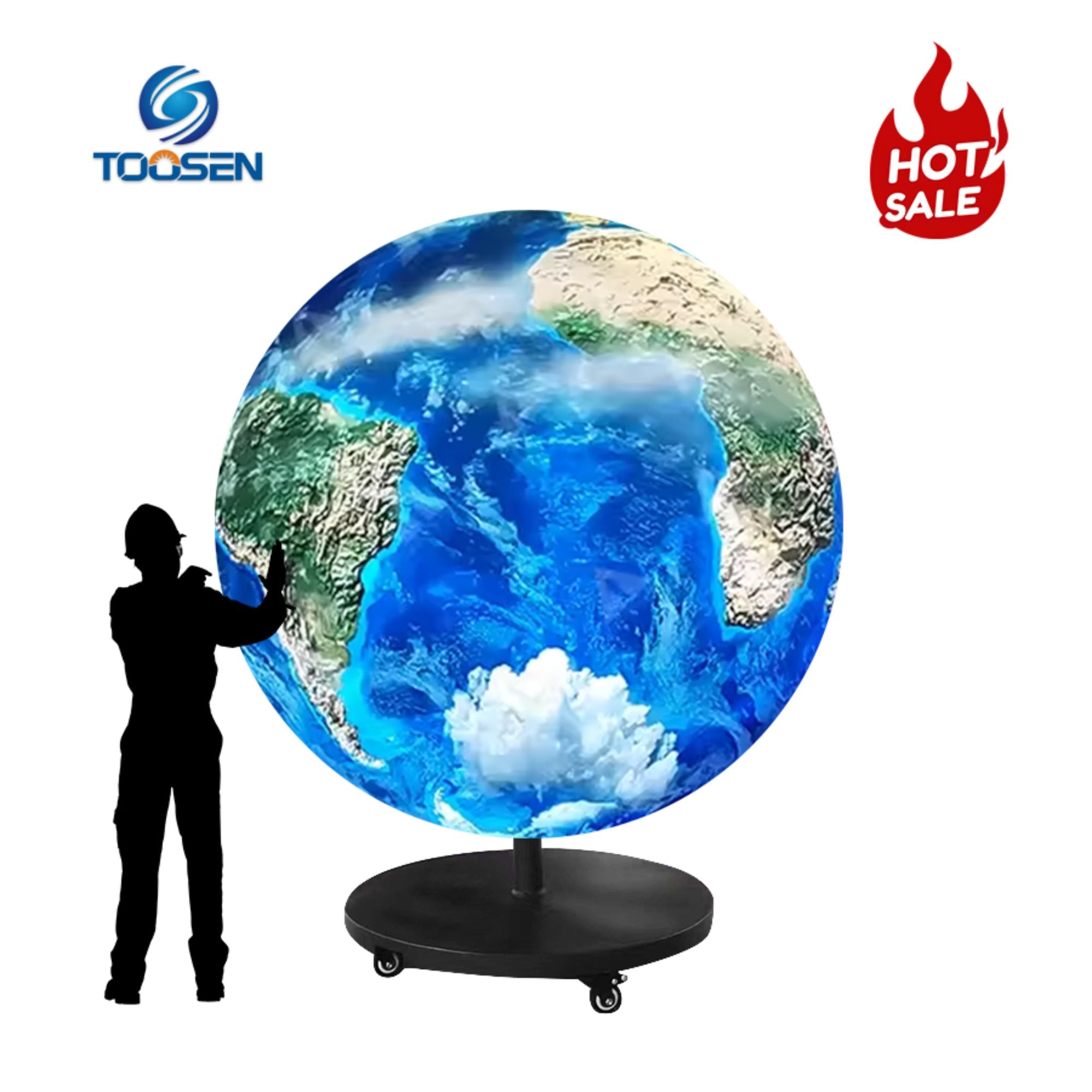
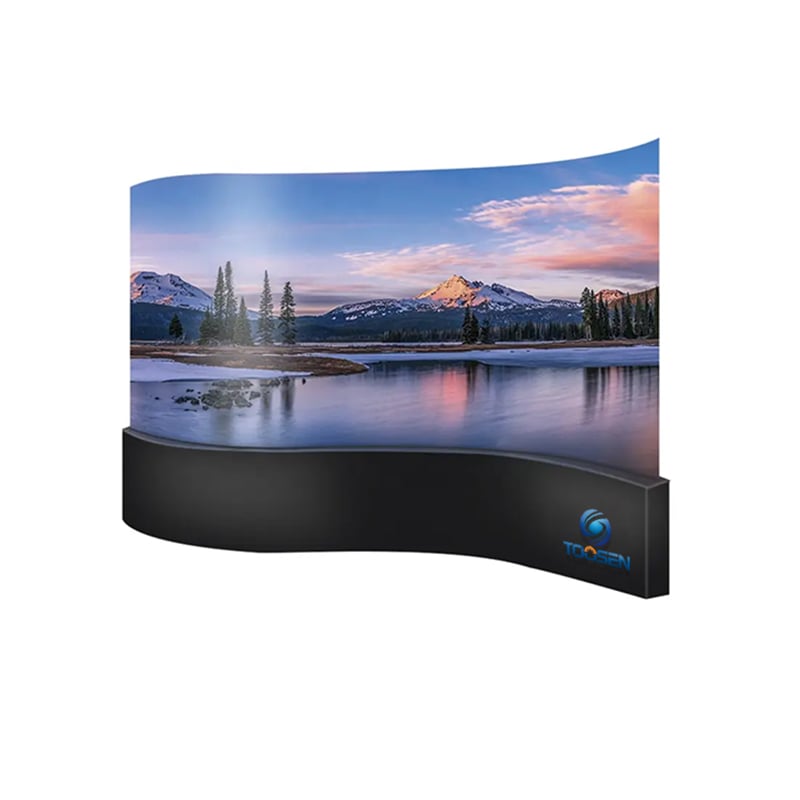
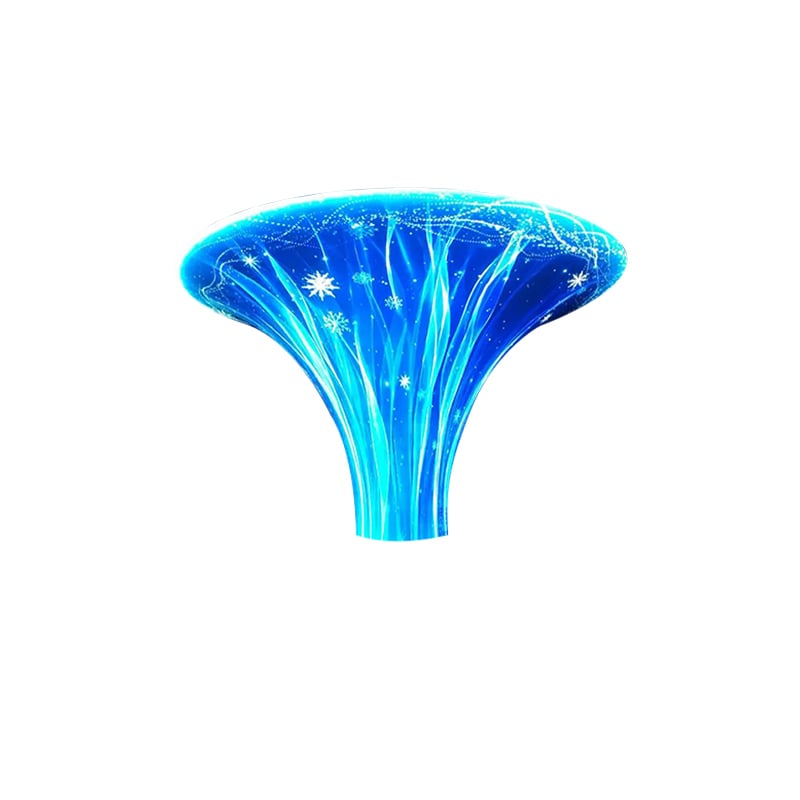
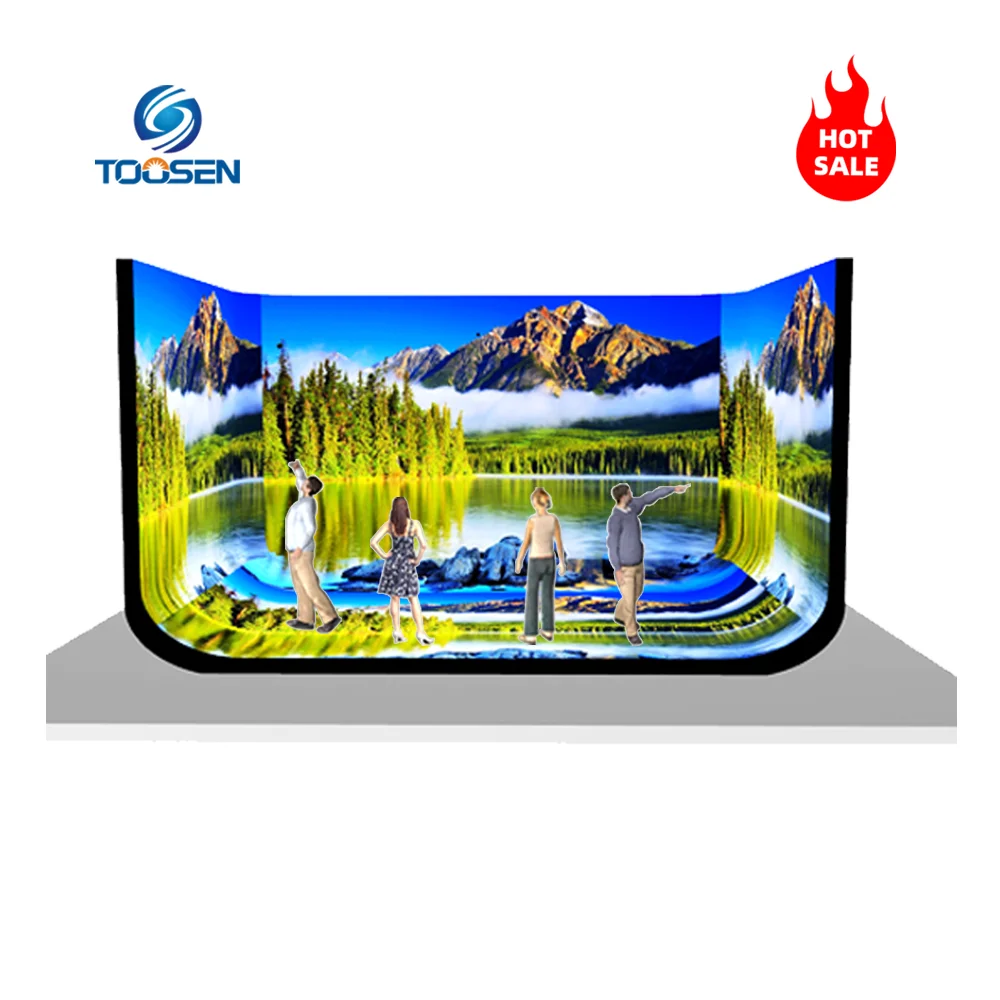
The irregular LED display industry — including spherical screens, cylindrical displays, wave-shaped LED walls, cube screens, and other creative LED structures — is entering a rapid growth phase. Driven by immersive entertainment, digital architecture, and XR technologies, irregular LED screens are evolving from niche showcase products into important components of modern visual spaces.
At the same time, the industry still faces major obstacles related to standardization, content production, engineering complexity, and talent shortages.
The rise of immersive entertainment has created enormous demand for spatial visual experiences.
Industries such as:
all want stronger visual immersion and greater audience interaction.
Traditional flat LED screens can only display content on a two-dimensional surface. In contrast, irregular LED displays break spatial boundaries and transform entire environments into immersive visual spaces.
As governments and private investors continue increasing spending on digital cultural tourism projects, irregular LED screens are shifting from optional decorative features to core infrastructure components.
In the past, irregular LED projects required:
Today, several technological improvements have changed the economics of the industry:
These innovations allow installers to assemble irregular screens almost like building blocks.
As a result:
This trend is accelerating market penetration.
Emerging technologies such as:
all require non-traditional display surfaces to create immersive interactions between digital and physical environments.
Irregular LED displays naturally support this transformation because they function as “spatial pixel carriers” rather than simple flat screens.
In virtual production studios especially, curved and irregular LED environments help create realistic real-time backgrounds while improving camera tracking and spatial immersion.
This gives the industry strong long-term growth potential.
Modern architecture increasingly emphasizes dynamic building facades and interactive exterior surfaces.
As a result, LED media facades are evolving from flat rectangular installations into curved, integrated architectural skins.
Irregular LED screens can blend seamlessly with:
This enables the concept of:
“The building itself becomes the screen.”
In commercial facades and urban landmark projects, irregular LED structures are gradually replacing traditional lightboxes and static signage materials.
This remains the industry’s biggest challenge.
Almost every irregular LED project requires custom engineering:
Unlike standard LED screens, manufacturers cannot easily mass-produce inventory using uniform production lines.
Consequently:
This “highly non-standard” nature limits scalability across the industry.
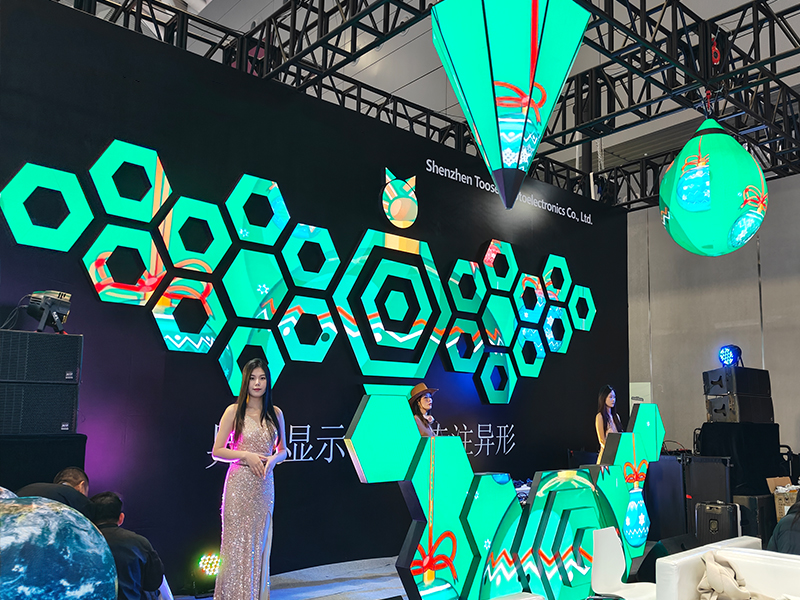
Many irregular LED projects suffer from a major imbalance:
The hardware looks impressive, but the content quality remains poor.
Irregular displays require specialized content creation techniques, including:
However, experienced content teams with skills in tools such as:
remain relatively scarce.
As a result, many completed projects simply play stretched flat-screen content, which severely weakens the immersive effect and reduces customer satisfaction.
Suspended spherical screens and large hanging structures require advanced calculations for:
These projects often require professional structural engineers rather than ordinary installation teams.
Enclosed irregular structures trap heat much more easily than flat displays.
For example, heat accumulation inside spherical LED screens can significantly increase failure rates if ventilation systems are inadequate.
Many irregular surfaces cannot be easily accessed from the front or rear.
This creates major challenges for:
As a result, long-term maintenance costs often become much higher than for conventional LED screens.
Most current LED industry standards focus on rectangular screens and evaluate factors such as:
However, irregular LED displays introduce entirely new technical variables, including:
Because no unified standards exist for these areas, disputes frequently arise during project acceptance and delivery stages.
This often delays payment collection and increases project risk.
Irregular LED projects require professionals who understand multiple technical disciplines simultaneously, including:
The current industry talent structure remains fragmented.
For example:
This disconnect frequently causes coordination problems, redesigns, and costly project rework.
| Industry Dimension | Current Situation | Future Direction |
|---|---|---|
| Product Structure | Fully project-based customization | Develop modular and reconfigurable irregular units |
| Content Production | Expensive one-time customization | Build template libraries and SaaS mapping tools |
| Engineering Delivery | Strong dependence on现场经验 | Adopt BIM pre-assembly and digital twin debugging |
| Talent Structure | Single-discipline specialists | Build integrated multidisciplinary teams |
Irregular LED displays will not replace standard rectangular LED screens as the mainstream market.
However, they will continue expanding rapidly in two high-value sectors:
The companies that succeed in this industry will be the ones that solve two critical problems:
Whoever achieves these two goals will establish a strong competitive barrier in the future irregular LED display market.
 EN
EN
 AR
AR
 BG
BG
 HR
HR
 CS
CS
 DA
DA
 NL
NL
 FI
FI
 FR
FR
 DE
DE
 EL
EL
 HI
HI
 IT
IT
 JA
JA
 KO
KO
 NO
NO
 PL
PL
 PT
PT
 RO
RO
 RU
RU
 ES
ES
 SV
SV
 TL
TL
 ID
ID
 SR
SR
 UK
UK
 VI
VI
 ET
ET
 HU
HU
 TH
TH
 TR
TR
 FA
FA
 AF
AF
 MS
MS
 GA
GA
 HY
HY
 AZ
AZ
 MN
MN
 UZ
UZ