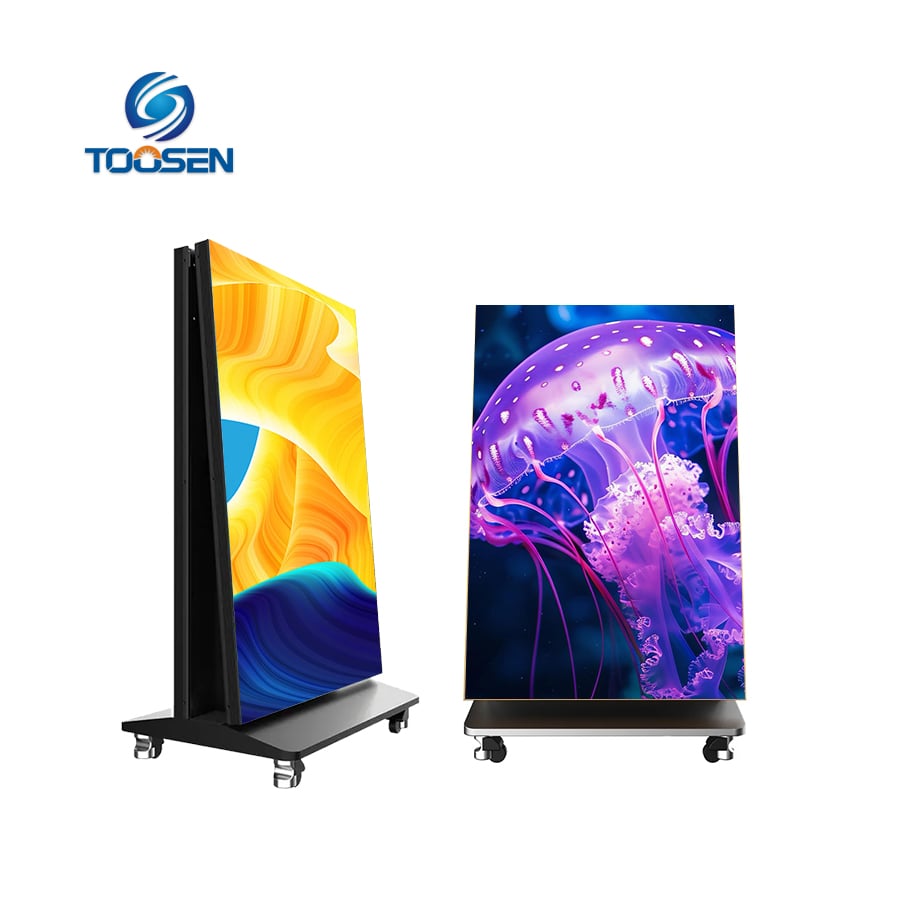
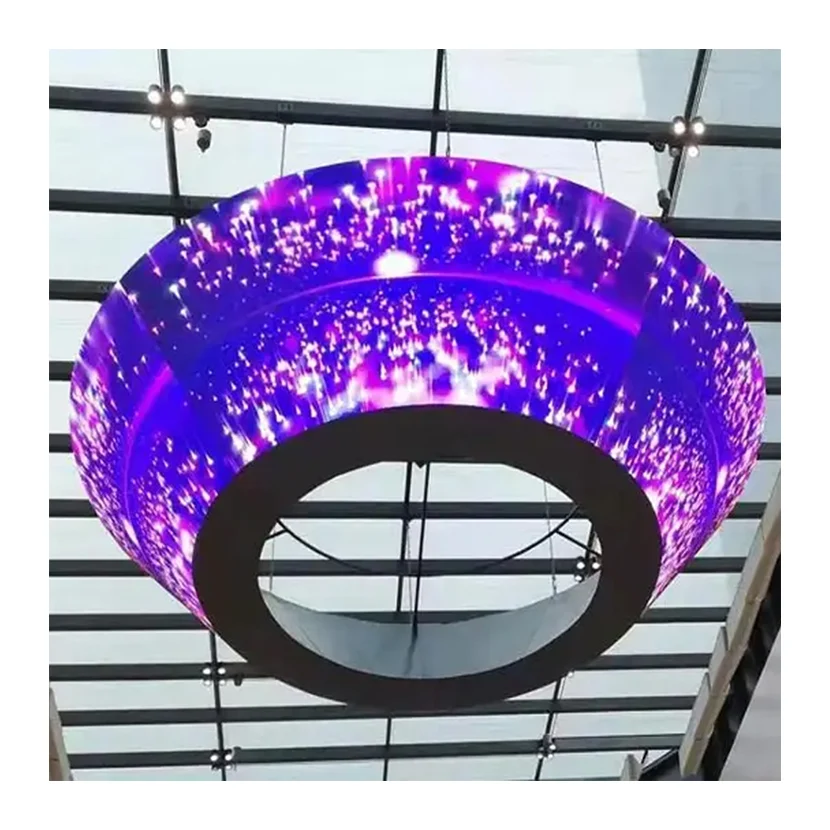
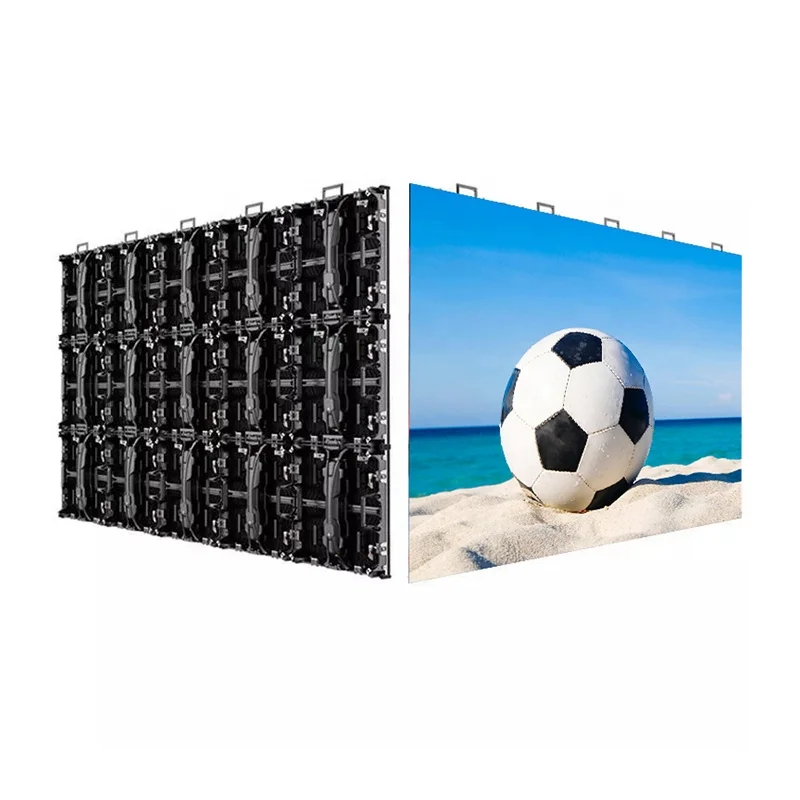
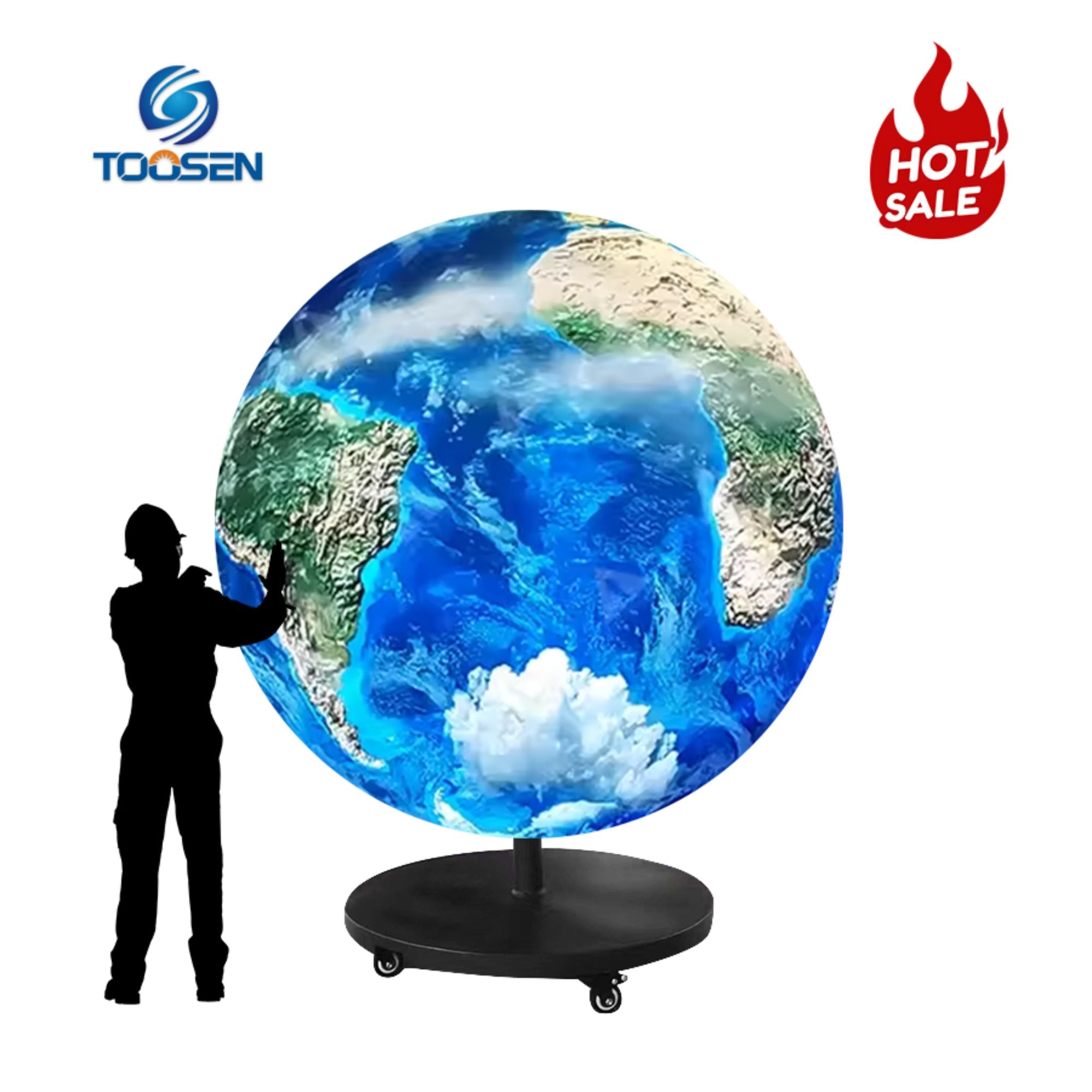
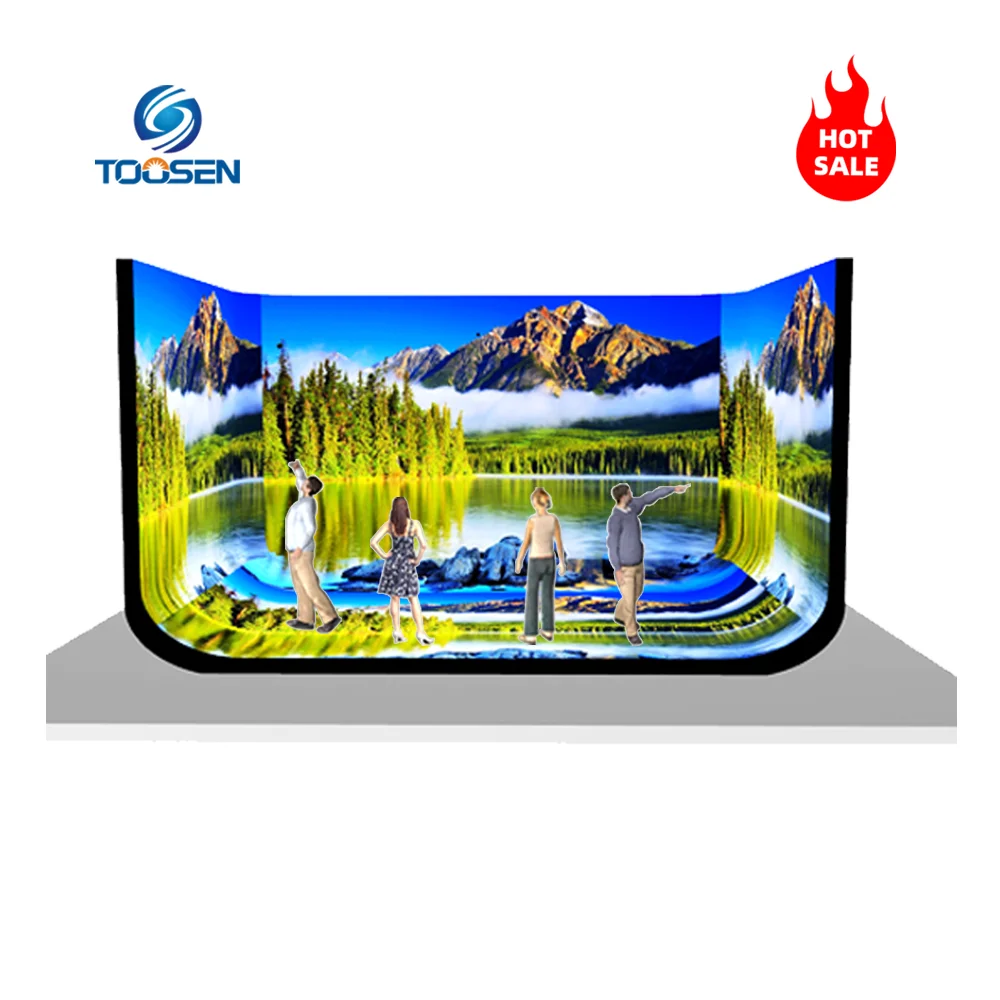
LED վիդեո պրոցեսորը ժամանակակից LED դիսպլեյների համակարգի ամենակարևոր բաղադրիչներից մեկն է: Այն ստանում է վիդեո և պատկերի սիգնալներ, մշակում է պատկերը և վերափոխում այն այնպիսի ձևաչափի, որով LED էկրանը ճիշտ կցուցադրի այն: Ավելի կարևորն այն է, որ այն բարելավում է պատկերի որակը, բարձրացնում է ցուցադրման արդյունավետությունը և ապահովում է կայուն աշխատանք տարբեր կիրառման դեպքերում:
Ստորև ներկայացված է LED դիսպլեյների վիդեո պրոցեսորների ինը հիմնական ֆունկցիաների և հիմնարար տեխնիկական հատկանիշների մանրամասն վերլուծությունը:
LED ցուցադրիչներ հաճախ ստանում են բազմաթիվ վիդեո աղբյուրներից ազդանշաններ, այդ թվում՝ HDMI, DVI, VGA, SDI և DisplayPort սարքերից: Քանի որ այս ազդանշանները կարող են օգտագործել տարբեր լուսանկարային չափսեր, թարմացման հաճախականություններ և ձևաչափեր, վիդեո պրոցեսորը ստիպված է դրանք փոխակերպել LED էկրանին համատեղելի ստանդարտ ձևաչափի:
Դրա հիմնական ֆունկցիաներն են.
Այս պատճառով LED էկրանը կարող է ցուցադրել բովանդակությունը հարթ կերպով՝ անկախ մուտքային աղբյուրից:
Պատկերի որակը ուղղակիորեն ազդում է դիտման փորձի վրա: Հետևաբար LED վիդեո պրոցեսորները կատարում են առաջադեմ պատկերի օպտիմալացում՝ ընդհանուր տեսողական կատարումը բարելավելու համար:
Հիմնական մշակման ֆունկցիաներն են.
Այս հատկությունները օգնում են LED էկրանին արտադրել ավելի կենսորոշ, իրական և համասեռ պատկերներ:
Մուտքային սիգնալները և LED էկրանների բարձրությունները հաճախ տարբերվում են: Վիդեո մշակիչը լուծում է այս խնդիրը՝ ինտելեկտուալ մասշտաբավորման և բարձրության փոխակերպման միջոցով:
Օրինակ՝ այն կարող է.
Սա ապահովում է, որ նյութը ճիշտ կհարմարվի էկրանին՝ պահպանելով պատկերի որակը:
Մեծ ԷԼԵԴ ցուցադրիչները սովորաբար բաղկացած են մի քանի կաբինետներից կամ մոդուլներից, որոնք միասին աշխատում են որպես մեկ էկրան: Անընդհատ պատկերի ստացման համար վիդեոպրոցեսորը իրական ժամանակում համաժամանակեցնում է բոլոր ցուցադրիչները:
Նրա համաժամանակեցման ֆունկցիաներն են.
Այդ պատճառով դիտողները տեսնում են հարթ և միասնական ցուցադրում՝ առանց տեսանելի բացվածքների կամ ժամանակային խնդիրների:
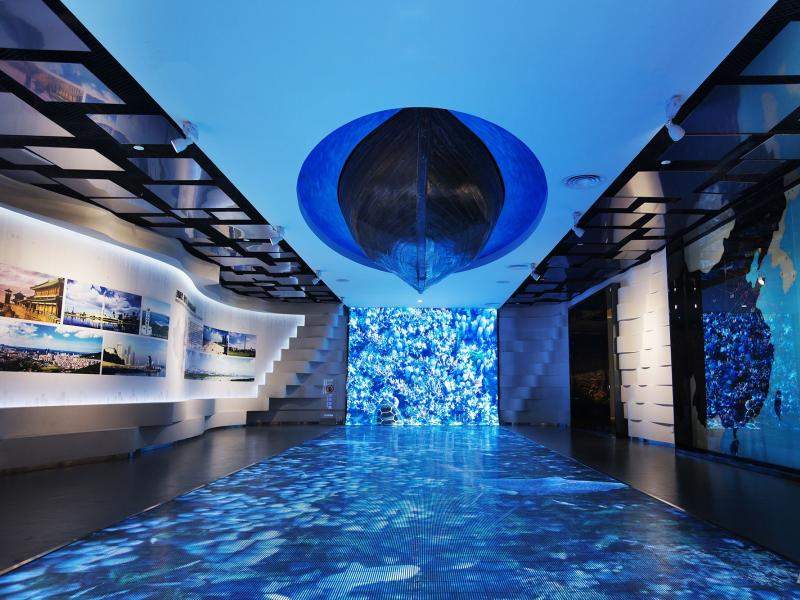
Ժամանակակից LED վիդեո պրոցեսորները աջակցում են բազմաթիվ վիդեո ստանդարտների և կարող են սիգնալները փոխակերպել տարբեր ձևաչափերի՝ հիմնված ցուցադրման պահանջների վրա:
Ընդհանուր փոխակերպման ֆունկցիաներն են.
Այս ճկունությունը թույլ է տալիս LED ցուցադրիչներին հեշտությամբ ինտեգրվել մեծ տարածք զբաղեցնող մասնագիտական AV սարքավորումների հետ:
Կենդանի միջոցառումները, մարզական հեռարձակումները, համերգները և ինտերակտիվ կիրառումները պահանջում են իրական ժամանակում սիգնալի մշակում՝ արտակարգ ցածր արձագանքման ժամանակով:
Այս միջավայրերի աջակցման համար վիդեո պրոցեսորները ապահովում են.
Ցածր արգելակման մշակումը հատկապես կարևոր է ուղիղ եթերաշխատանքների միջավայրում, որտեղ ձայնի և վիդեոյի համաժամանակյան վերարտադրումը պետք է մնա ճշգրիտ:
LED էկրանները հաճախ միաժամանակ ցուցադրում են տարբեր տիպի բովանդակություն՝ ներառյալ վիդեոներ, նկարներ, անիմացիաներ և գրաֆիկա:
Վիդեո պրոցեսորները աջակցում են զարգացած ցուցադրման ռեժիմների.
Այս ֆունկցիաները հնարավորություն են տալիս օպերատորներին ավելի ճկուն կառավարել պարունակության դիրքը, չափսը և դասավորությունը:
Կոնցերտների, կինոթատրոնների, համաժողովների և բեմադրական ներկայացումների նման կիրառումներում ձայնի և տեսանյութի համաժամանակյան վերարտադրումը անհրաժեշտ է:
LED վիդեո պրոցեսորը ապահովում է.
Սա բարելավում է լսարանի ընկալումը և կանխում է շեղող ժամանակային անհամապատասխանությունները:
Ժամանակակից LED վիդեո պրոցեսորները այժմ ներառում են ինտելեկտուալ ցանցային կառավարման և հեռակառավարման ֆունկցիաներ:
Այս հնարավորությունները ներառում են.
Այդ պատճառով օպերատորները կարող են ավելի արդյունավետ կառավարել LED համակարգերը՝ նվազեցնելով սպասարկման ժամանակը և շահագործման ծախսերը:
 EN
EN
 AR
AR
 BG
BG HR
HR
 CS
CS
 DA
DA
 NL
NL
 FI
FI FR
FR
 DE
DE EL
EL
 HI
HI
 IT
IT JA
JA
 KO
KO
 NO
NO PL
PL PT
PT RO
RO
 RU
RU
 ES
ES
 SV
SV
 TL
TL
 ID
ID
 SR
SR
 UK
UK VI
VI
 ET
ET
 HU
HU
 TH
TH
 TR
TR
 FA
FA
 AF
AF
 MS
MS
 GA
GA
 HY
HY
 AZ
AZ
 MN
MN
 UZ
UZ