Home > News > Industry News
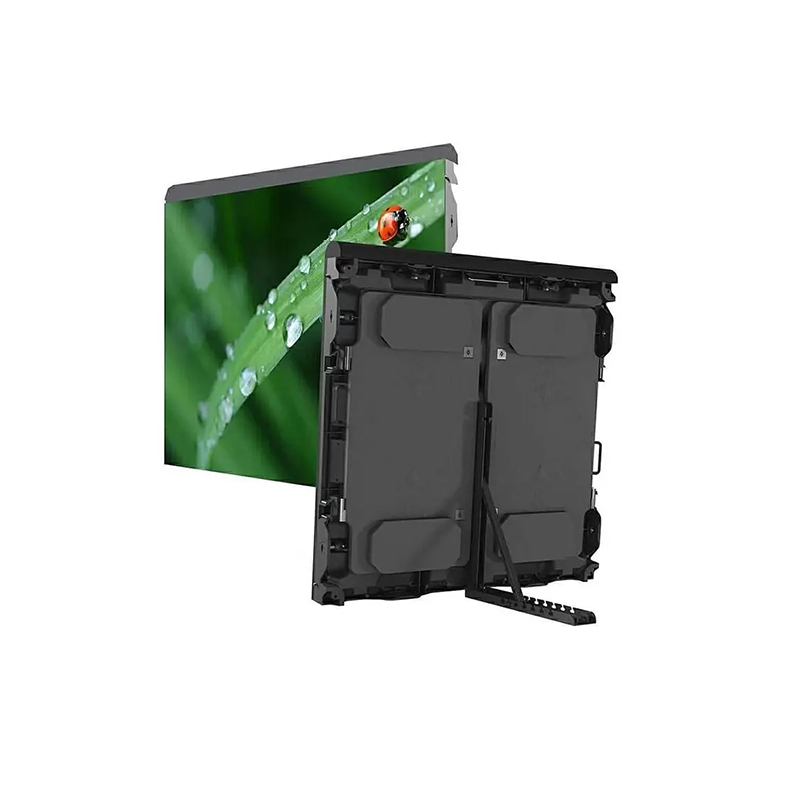
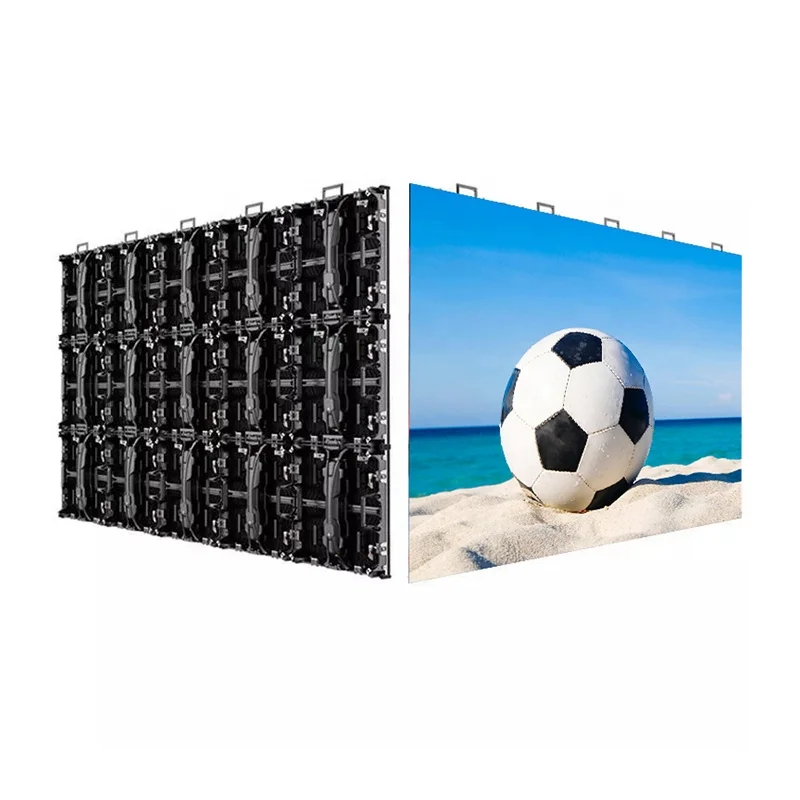
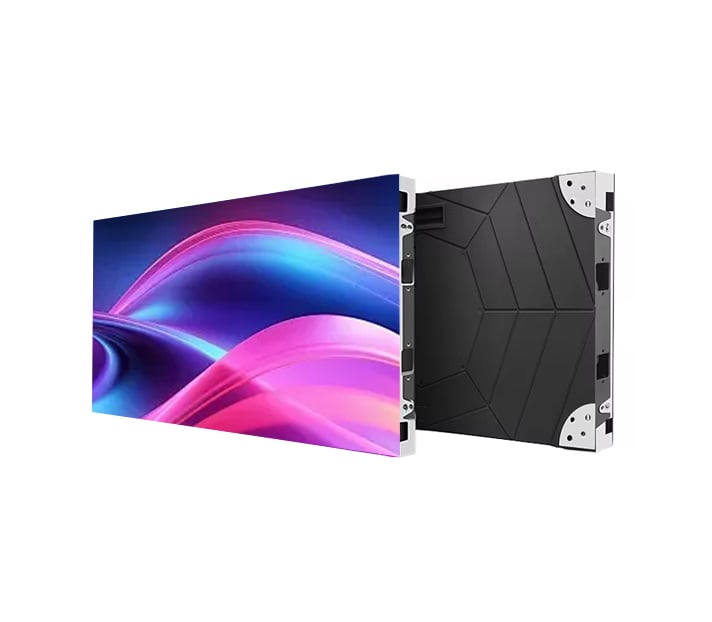
An LED display cabinet is the fundamental structural and electronic unit of an LED screen. Multiple cabinets are assembled together to form a complete LED video wall or large-format display.
Each cabinet contains several key components that work together to ensure stable image display, signal transmission, power distribution, structural support, and thermal management.
The LED module is the primary display component responsible for image output.
Each module typically includes:
The module determines critical display characteristics such as:
LED modules are mounted directly onto the cabinet frame and combined to create the complete screen surface.
The power supply converts incoming AC power into stable DC voltage required by the LED system.
Its main functions include:
A stable power supply is essential for:
High-quality LED cabinets often use industrial-grade switching power supplies for better efficiency and durability.
The receiving card acts as the signal control center inside the cabinet.
It receives video data from the main controller or sending processor and distributes image information to the LED modules.
Its responsibilities include:
The receiving card directly affects:
The cabinet frame is the mechanical structure that supports and connects all internal components.
Common materials include:
The cabinet frame is responsible for:
A high-precision cabinet frame is essential for achieving a flat and seamless LED display surface.
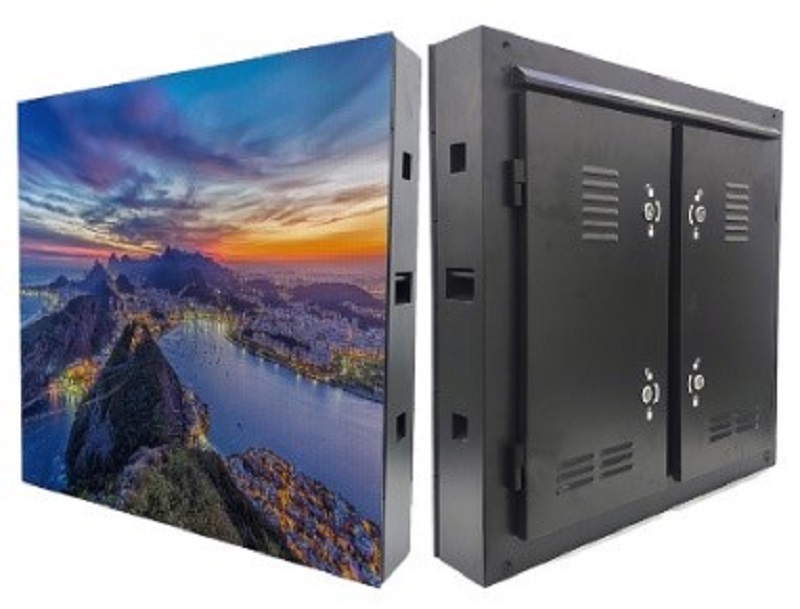
Internal cabling is used for data and signal transmission between modules and control components.
Main cable types include:
These cables transmit:
Proper cable routing is critical for:
LED displays generate substantial heat during operation, especially high-brightness outdoor screens.
Cooling components may include:
Efficient heat dissipation helps:
Thermal management becomes even more important in:
The hub board (or interface board) distributes both signal and power within the cabinet.
Its functions include:
Benefits of using a hub board:
Modern LED cabinets often use integrated hub boards for modular maintenance efficiency.
Outdoor LED cabinets require waterproof and moisture-resistant protection systems.
These components may include:
Their purpose is to protect the cabinet against:
Effective sealing is essential for maintaining:
Power terminals and switches manage the cabinet’s electrical input and operational safety.
These components handle:
Professional LED cabinets often include:
These features improve:
An LED display cabinet is far more than a simple housing structure. It is an integrated system combining:
The overall performance of an LED screen depends heavily on the quality and coordination of these core cabinet components.
A well-designed cabinet ensures:
 EN
EN
 AR
AR
 BG
BG
 HR
HR
 CS
CS
 DA
DA
 NL
NL
 FI
FI
 FR
FR
 DE
DE
 EL
EL
 HI
HI
 IT
IT
 JA
JA
 KO
KO
 NO
NO
 PL
PL
 PT
PT
 RO
RO
 RU
RU
 ES
ES
 SV
SV
 TL
TL
 ID
ID
 SR
SR
 UK
UK
 VI
VI
 ET
ET
 HU
HU
 TH
TH
 TR
TR
 FA
FA
 AF
AF
 MS
MS
 GA
GA
 HY
HY
 AZ
AZ
 MN
MN
 UZ
UZ