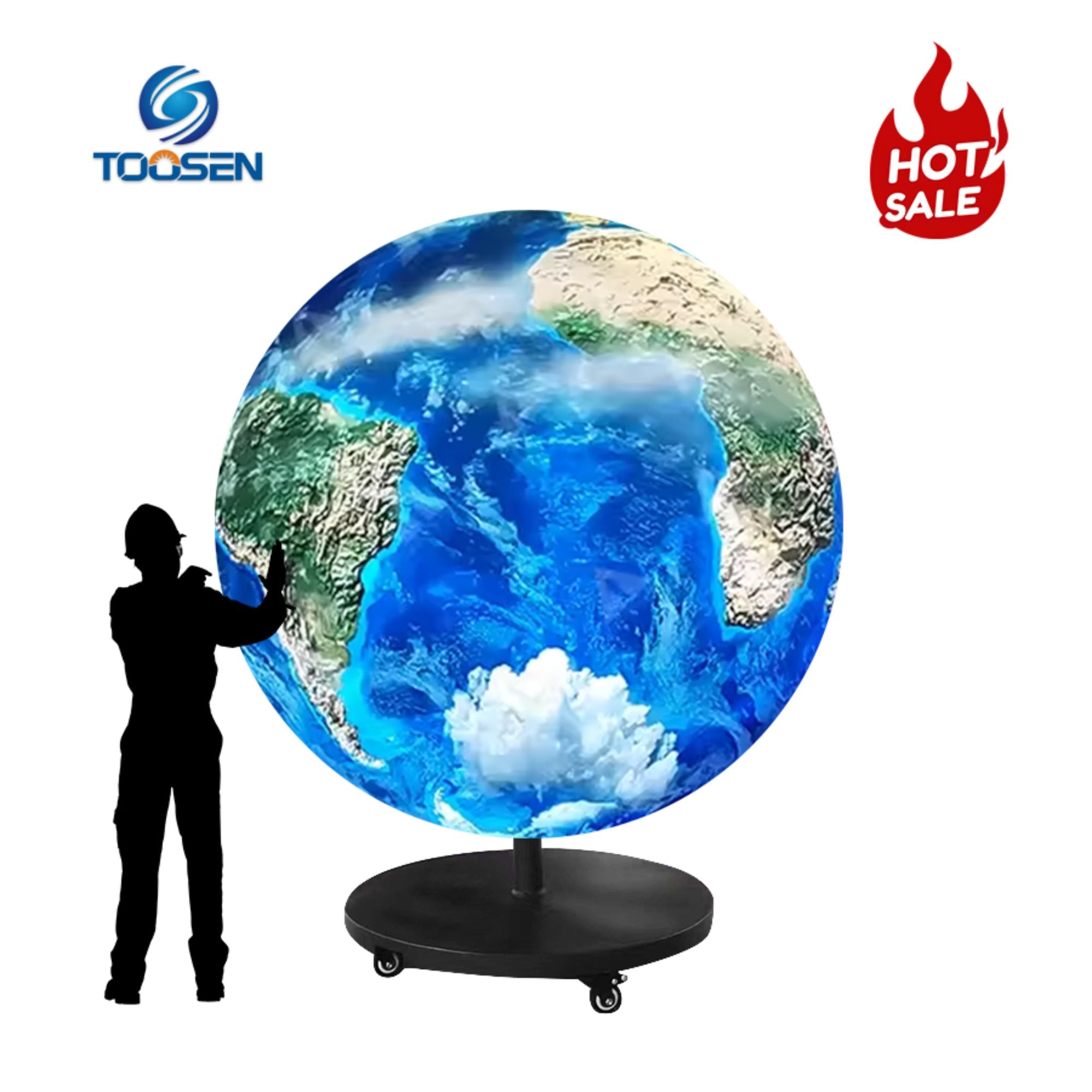
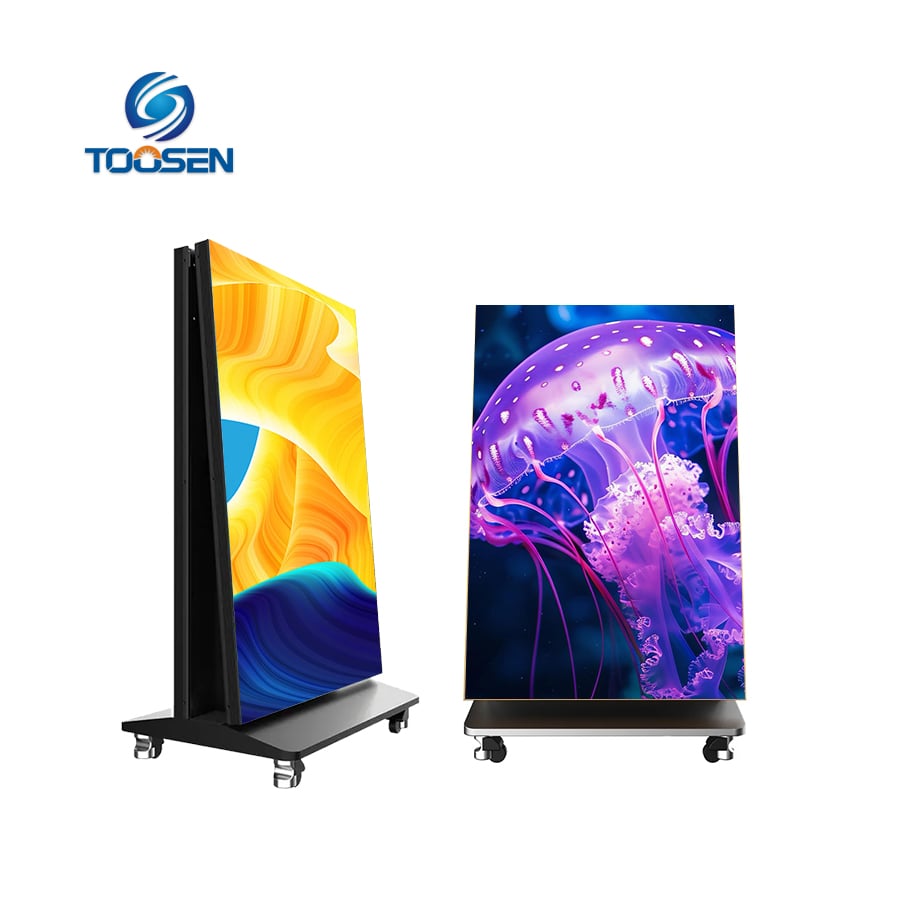
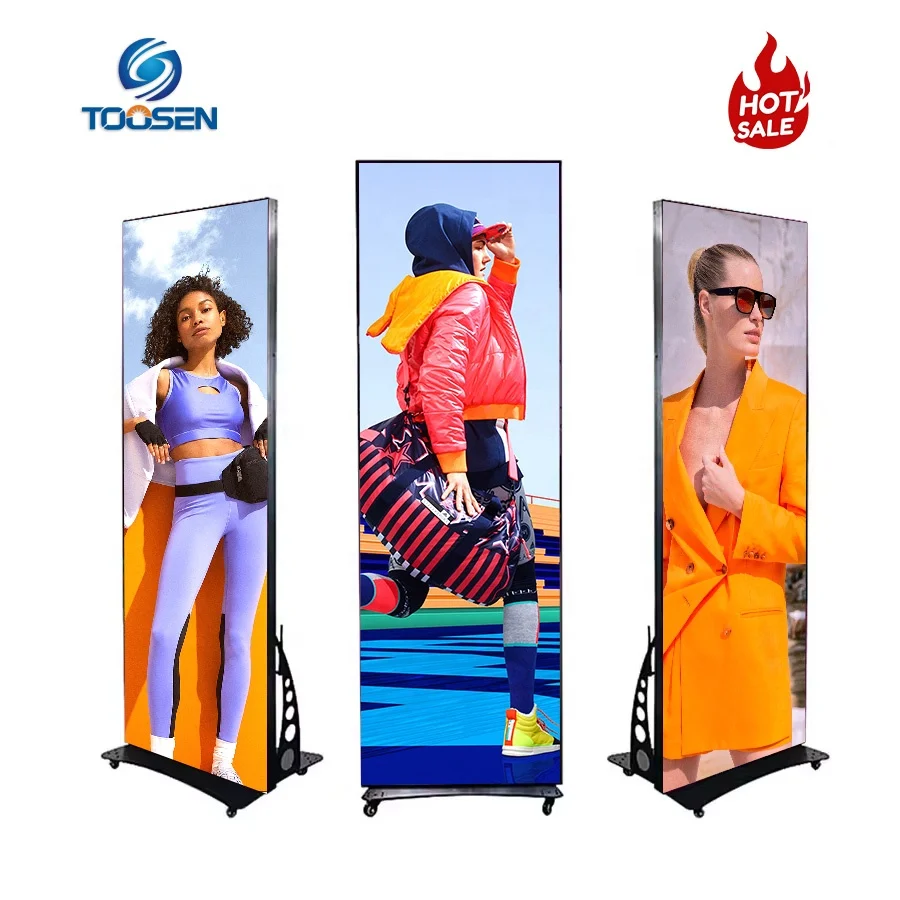
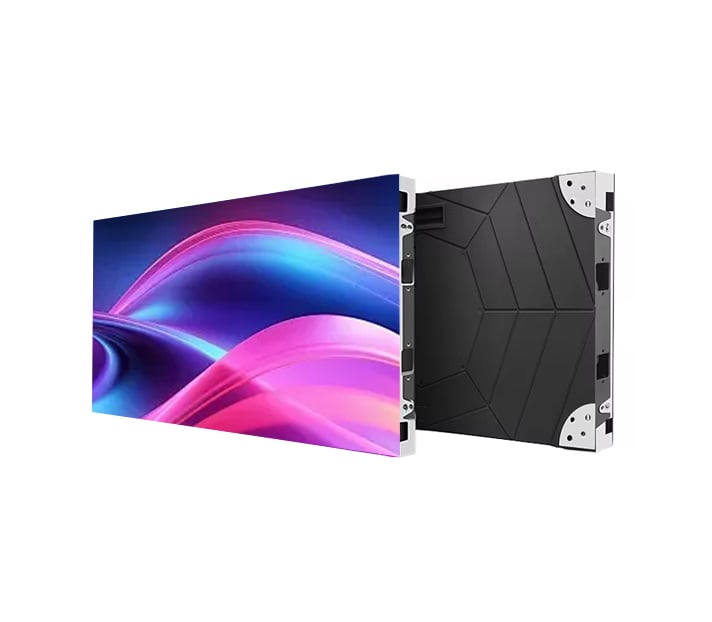
According to the 2025 Global LED Display Market Report released by QYResearch, the global LED display industry is expected to exceed 120 billion RMB by 2025. Over the years, LED display technology has become deeply integrated into our daily lives—from shopping malls and airports to concert stages and sports venues.
Thanks to their adjustable brightness and vivid color performance, LED screens deliver clear visuals under direct sunlight outdoors or in low-light indoor environments. Businesses use them for brand advertising, event organizers rely on them for visual staging, and even fans use them for creative campaigns.
So how do you choose the right LED display model among so many options? Let’s explore the most common LED display types and their ideal application scenarios.
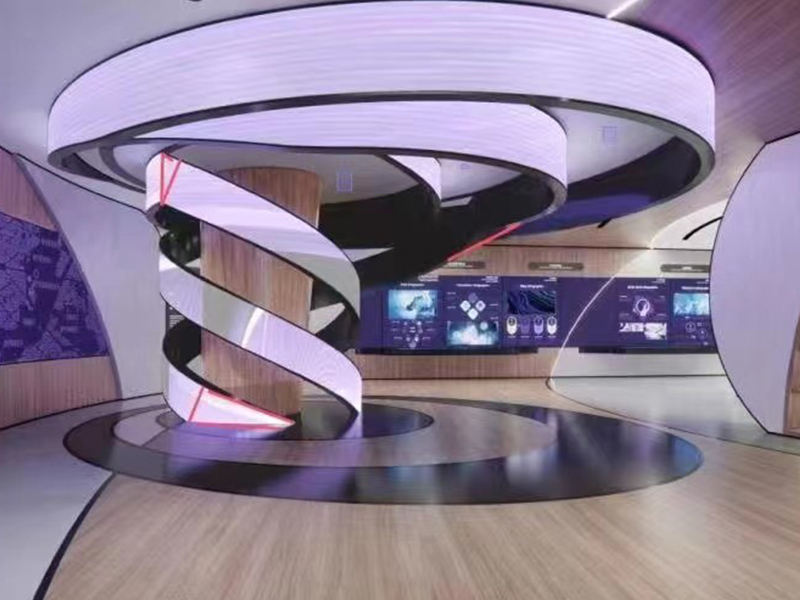
Indoor LED displays typically feature a small pixel pitch for high-definition viewing at close range. Common models include P1.2, P1.5, P1.8, P2.5, P3, and P4.
Conference rooms and control centers
Exhibition halls and showrooms
Shopping malls and hotel lobbies
For corporate and educational displays, the best pixel pitch for indoor LED displays usually ranges from P1.25 to P1.8 for clear visuals even from short distances. For larger retail or commercial venues that balance visual performance and cost, models like P2.5–P4 are widely used.
Manufacturers like Toosen provide various indoor LED display solutions, including customized shapes such as letter-shaped LED screens or creative modular designs, meeting diverse interior installation needs.
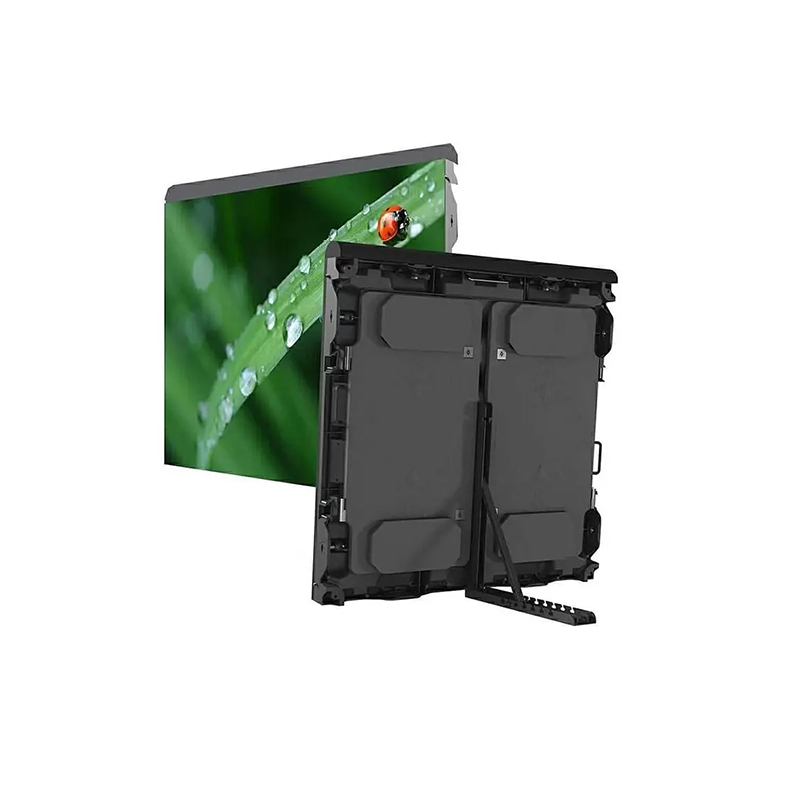
Outdoor LED screens are designed for long-distance viewing and bright daylight conditions. They’re built with waterproof and dustproof cabinets, suitable for a range of environments.
Common models: P4, P5, P6, P8, P10, P16
Outdoor billboards and large square screens
Sports arenas for live broadcasting and scoreboards
Highway and transportation hubs for public information displays
For advertising and brand promotion, P5–P8 models offer great visibility, while stadiums and large outdoor venues often use P10–P16 for wide-area coverage. When installing along highways or public areas, consider features like anti-glare design and energy-saving brightness control.
Transparent LED displays are ideal for glass façades and commercial showrooms. They maintain high transparency (up to 80%) without blocking natural light, combining aesthetic appeal and advertising efficiency.
Glass curtain walls in shopping centers or office buildings
Retail store windows and boutique displays
Airport terminals and exhibition pavilions
Stage performances with semi-transparent background effects
Common models: P3–P6 for indoor and P8–P10 for large outdoor buildings.
Lightweight and thin, they can be installed with film-style or cabinet-style mounting, and some versions are bendable to fit curved glass. Toosen also provides custom transparent LED wall solutions that align with modern architectural design.
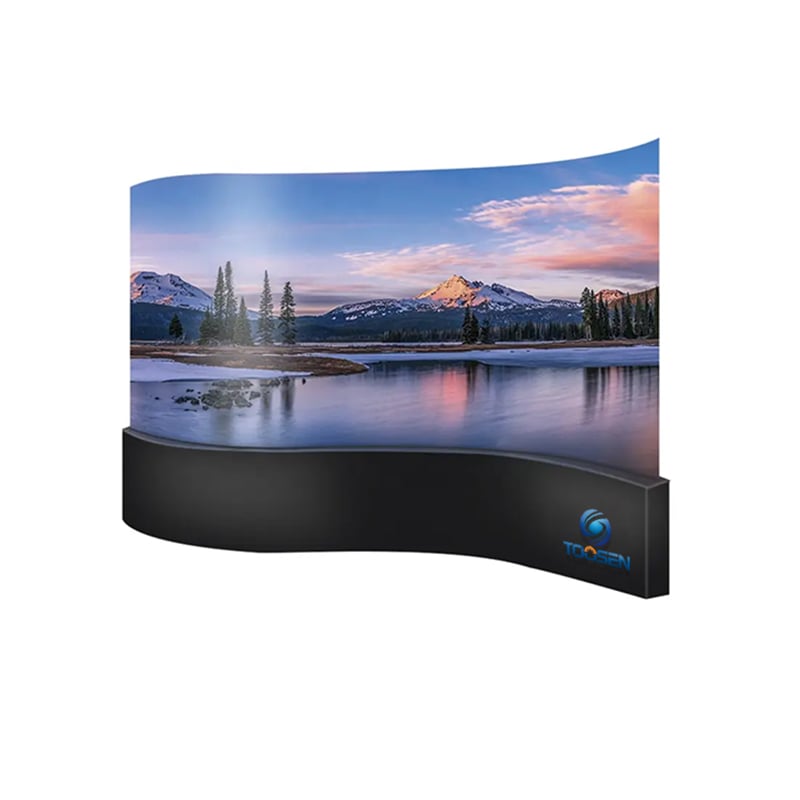
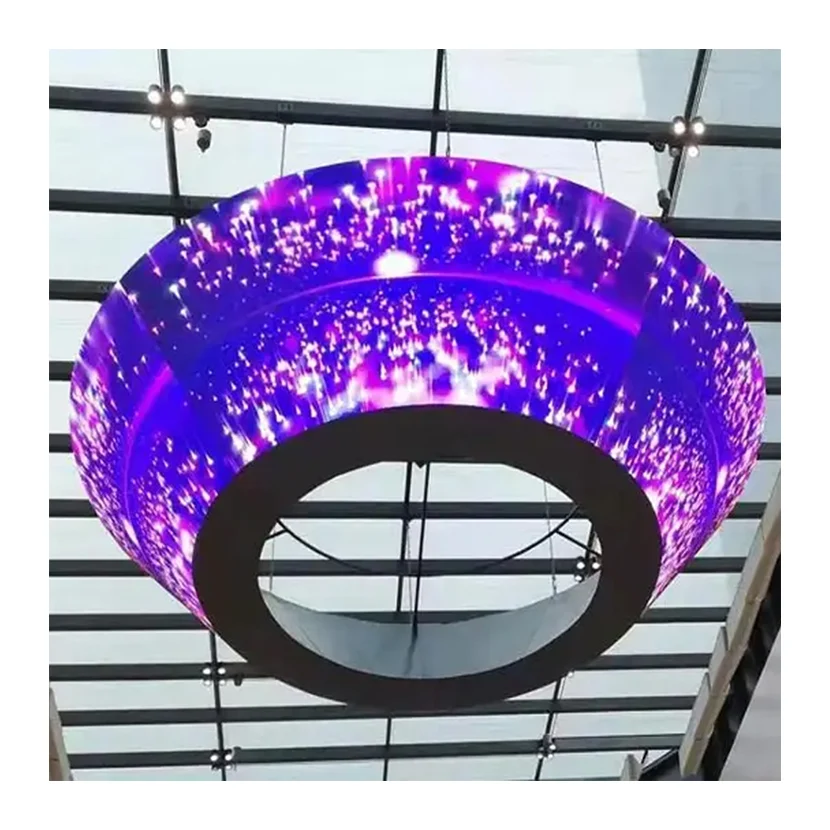
Flexible LED displays, also known as soft LED panels, are designed for creative installations and curved surfaces. Made with silicone substrates, they can bend and form 360-degree cylindrical or wavy screens.
Common models: P2.5, P5, P6, P8, P10
Curved building and architectural decorations
Stage performances and immersive theaters
Bars, museums, and theme parks for artistic 3D effects
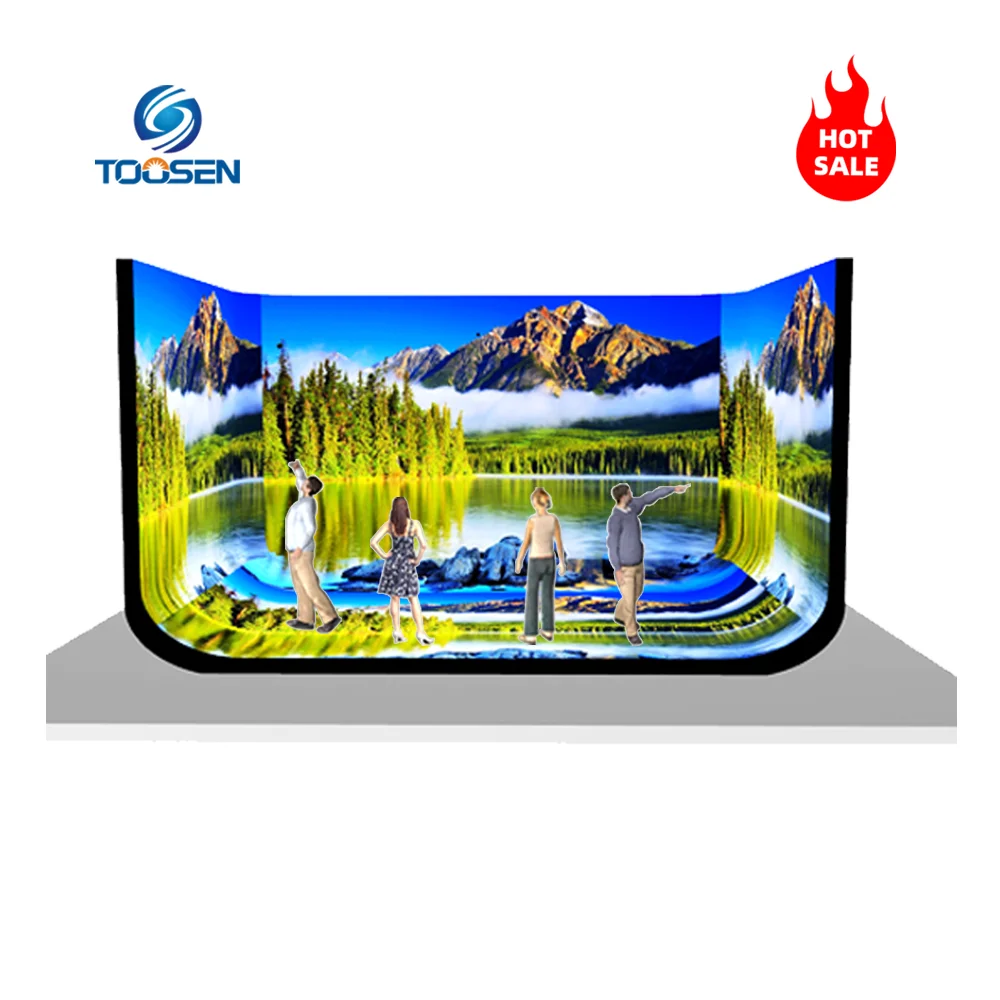
For stage design, a flexible LED wall for the stage background enhances immersion and provides unlimited creativity. The modular magnetic design allows quick assembly, easy maintenance, and scalable artistic installations.
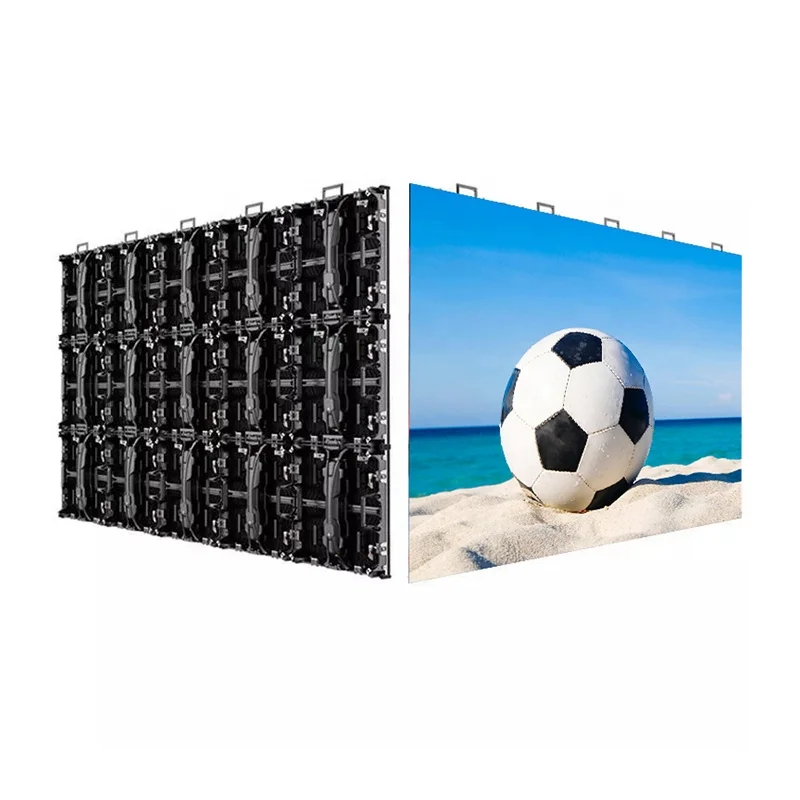
Rental LED screens are built for temporary or mobile use—lightweight, quick to assemble, and easy to transport.
Common models: P1.5, P2.5, P3, P4, P5, P8
Concerts, product launches, and trade shows
Corporate annual meetings or weddings
Outdoor festivals and sports events
For close-range events, choose ≤P2.5 for high resolution. For medium distances (10–20 meters), P4–P5 is recommended.
Outdoor rentals require at least 5000 nits brightness and an IP65 waterproof rating to ensure stable performance in changing environments.
High-definition presentations in corporate conference rooms and video conference rooms, ideal for data visualization.
Brand promotions and event announcements in shopping mall atriums and hotel lobbies; product display screens in retail stores.
Exhibit explanation screens and immersive experience zone backdrops in museums and science centers.
Educational presentations in school auditoriums and training institutions, suitable for courseware display.
Large billboards in city squares and along streets; building facade advertising screens.
Scoreboards, live event broadcasts, and audience interaction displays in stadiums and arenas.
Information and navigation screens at high-speed rail stations, airports, and highway interchanges.
Public service announcements and policy interpretation screens on city landmarks and government building exteriors.
Industrial parks and business districts: Brand promotion and investment attraction displays.
Commercial complexes and office buildings: Illuminated glass curtain walls and advertising displays (without obstructing natural light).
Jewelry stores, clothing boutiques, and electronics shops: Creative window displays to attract pedestrian attention.
Information display screens on glass partitions and jet bridges at airports and high-speed rail stations.
Semi-transparent visual overlays for stage backdrops and immersive theaters, enhancing spatial depth.
Translucent displays for custom exhibition booths, integrating exhibits with screen content.
Wavy or curved stage backdrops for concerts and music festivals; custom-shaped scenic screens for theaters and cultural performances.
Illuminated decorations for cylindrical structures and curved walls; uniquely shaped ambiance screens for bars and KTV venues.
Artistic landscape displays for cultural tourism sites; 3D naked-eye visual carriers for commercial events.
Can serve as customized displays for irregular indoor/outdoor spaces (e.g., curved exhibition halls).
Temporary background screens or check-in displays for concerts, product launches, corporate events, and as a creative LED display for exhibitions.
Live streaming and score displays for outdoor music festivals and temporary sporting events.
Mobile display screens for roadshows and temporary promotional activities.
Atmosphere creation and photo/video replays for weddings and anniversary celebrations.
The above outlines common LED screen models and their application scenarios. LED displays offer excellent visual performance and strong practicality, adapting to diverse needs. For instance, shopping malls use them to broadcast advertisements and promotional offers to attract customers, while airports and high-speed rail stations utilize them for clear flight information displays. Different scenarios require tailored LED screen types. For further details on LED display solutions, feel free to contact us anytime. Our professional team provides customized services.
 EN
EN
 AR
AR
 BG
BG
 HR
HR
 CS
CS
 DA
DA
 NL
NL
 FI
FI
 FR
FR
 DE
DE
 EL
EL
 HI
HI
 IT
IT
 JA
JA
 KO
KO
 NO
NO
 PL
PL
 PT
PT
 RO
RO
 RU
RU
 ES
ES
 SV
SV
 TL
TL
 ID
ID
 SR
SR
 UK
UK
 VI
VI
 ET
ET
 HU
HU
 TH
TH
 TR
TR
 FA
FA
 AF
AF
 MS
MS
 GA
GA
 HY
HY
 AZ
AZ
 MN
MN
 UZ
UZ