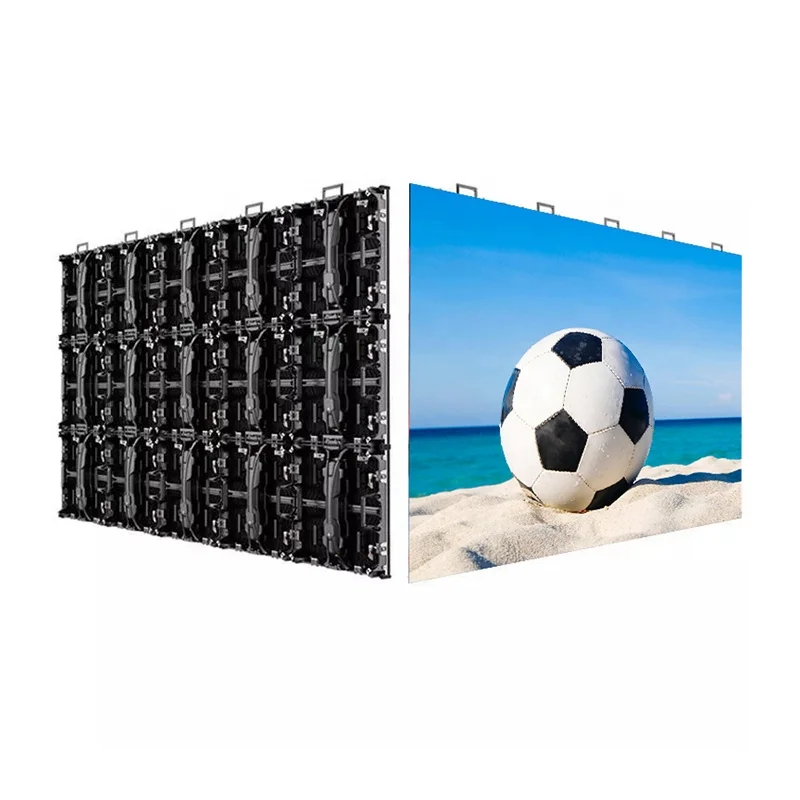
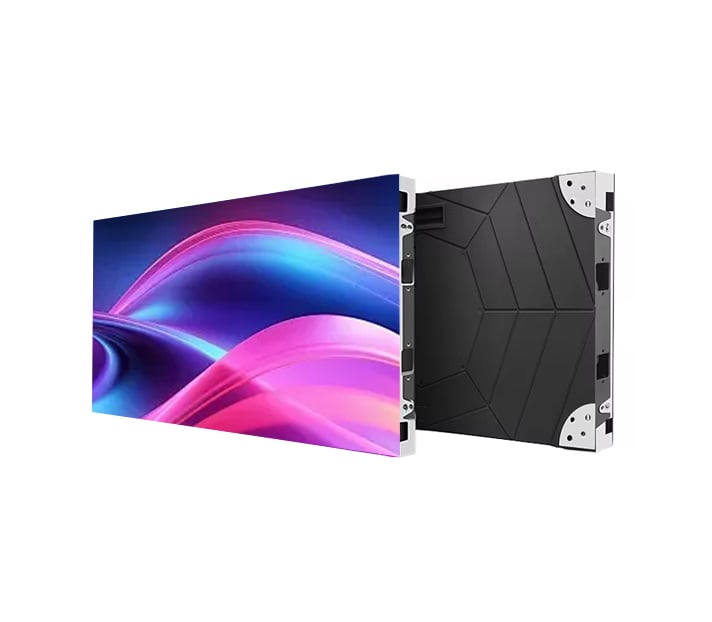
Looking for a trustworthy LED display manufacturer? Learn how to evaluate quality, technology, and service to find the best LED screen supplier for your business.
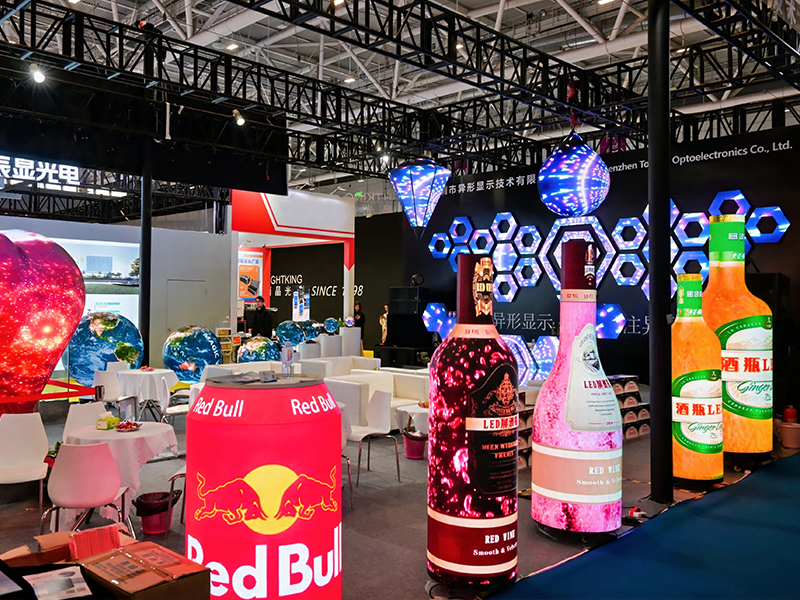
In recent years, LED displays have experienced steady growth across diverse sectors, including advertising, stage production, and commercial applications. Data indicates the market will surpass $24 billion by 2024, with projections reaching $38 billion by 2030—representing a compound annual growth rate of 7.8%. The report indicates that in stage and large-scale event applications, new stadium construction projects have driven a 28% increase in demand for custom-shaped displays. The adoption of naked-eye 3D technology in advertising applications such as urban landmarks has boosted click-through rates by 3.2 times. The market for producing such special-effect content is projected to exceed RMB 5 billion by 2025. As the market continues to expand, an increasing number of LED display suppliers have entered the LED display production sector. However, the quality of LED products on the market varies significantly, with substantial differences in both product quality and service offerings. How can one select an LED display manufacturer that offers long-term partnership potential, competitive pricing, and high-quality service? Below are some insights to guide your decision-making.
When selecting an LED manufacturer, consider the company's background and experience first. As the old saying goes: “A workman must first sharpen his tools if he is to do his work well.” The product quality from a manufacturer with two or three years of experience may differ significantly from that of a manufacturer with over a decade of experience. LED suppliers with over ten years of experience are often better equipped to provide reliable products and services. Additionally, verify if the company holds certifications such as ISO9001. Such certifications indicate compliance with core standards for quality, safety, electromagnetic compatibility, and environmental protection. For instance, Toosen LED is an experienced LED screen factory, which boasts 11 years of production experience and holds ISO9001, CE, FCC, and RoHS certifications. Their standardized production management and international awareness have earned them widespread customer preference in the market.
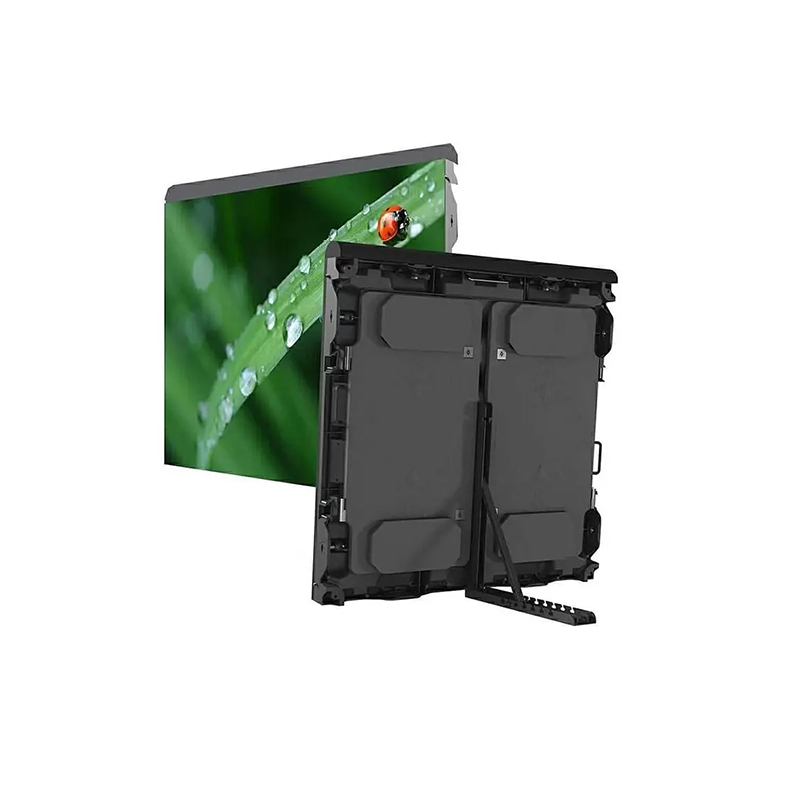
Evaluate LED display quality across four key metrics: brightness, contrast ratio, refresh rate, and stability. Regarding brightness, the true indicator of display quality is actual luminance output, not merely high-spec values. For instance, outdoor displays typically require ≥5000 cd/m² brightness to ensure clear visibility even under intense sunlight. Screens below this threshold generally indicate lower quality. Indoor screens, however, only require 2000-3000 cd/m², as excessively high brightness can cause eye strain and visual fatigue. For contrast, check for light leakage or whitening when displaying pure black images. The absence of these issues indicates a high-quality screen. Regarding stability, observe whether the LED screen experiences blackouts, image distortion, or flickering after continuous operation exceeding 24 hours. For video walls, ensure no bright edges or color discontinuities appear at the seams. Absence of these issues indicates a high-quality screen.
Additionally, manufacturing technology is a key consideration. The mainstream techniques are SMD and COB. SMD technology involves packaging red, green, and blue LED chips into individual lamp beads, then soldering them onto a PCB board via SMT technology. These modules are finally assembled into the full screen. Individual beads create gaps, and bead mounts occupy space, limiting pixel pitch reduction due to physical constraints. COB technology eliminates separate bead packaging by directly bonding micron-level LED chips to the PCB substrate. After wire bonding for circuit interconnection, the entire assembly is encapsulated into a module. Chips are densely packed without mounting obstructions, resulting in a compact structure that forms a seamless display surface through integrated encapsulation. Neither process is inherently superior; the key lies in their suitability for specific applications. Generally, SMD technology is suited for outdoor large-scale billboards, standard indoor announcement screens, mid-to-low-end conference rooms, and conventional stage displays. COB technology is ideal for high-end conference rooms, big data monitoring centers, exhibition halls, close-range medical displays, and premium retail storefronts.
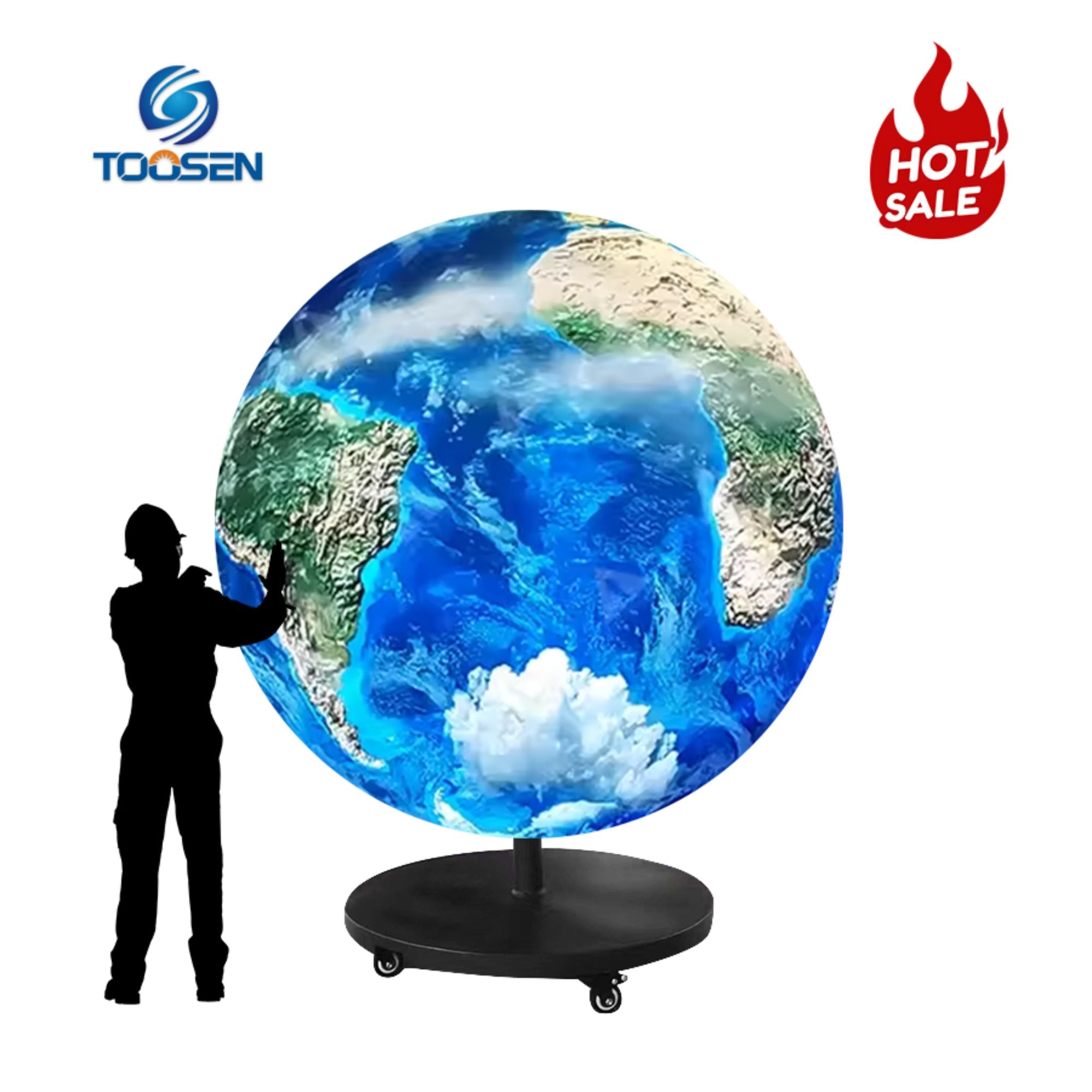
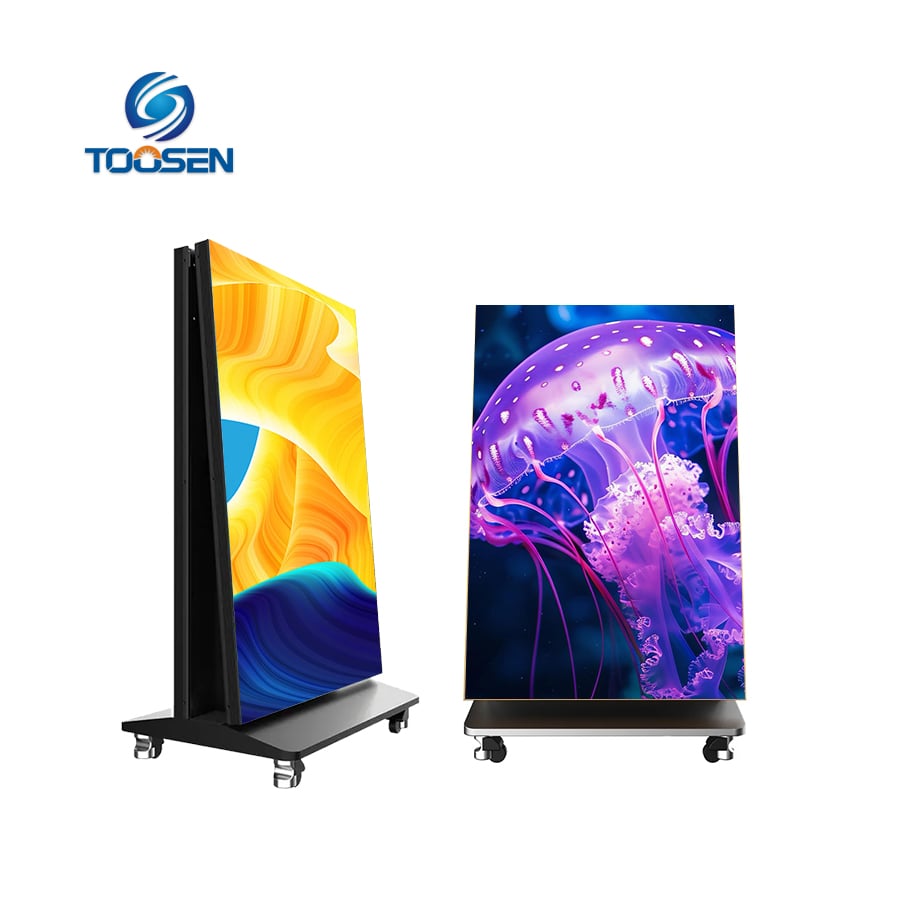
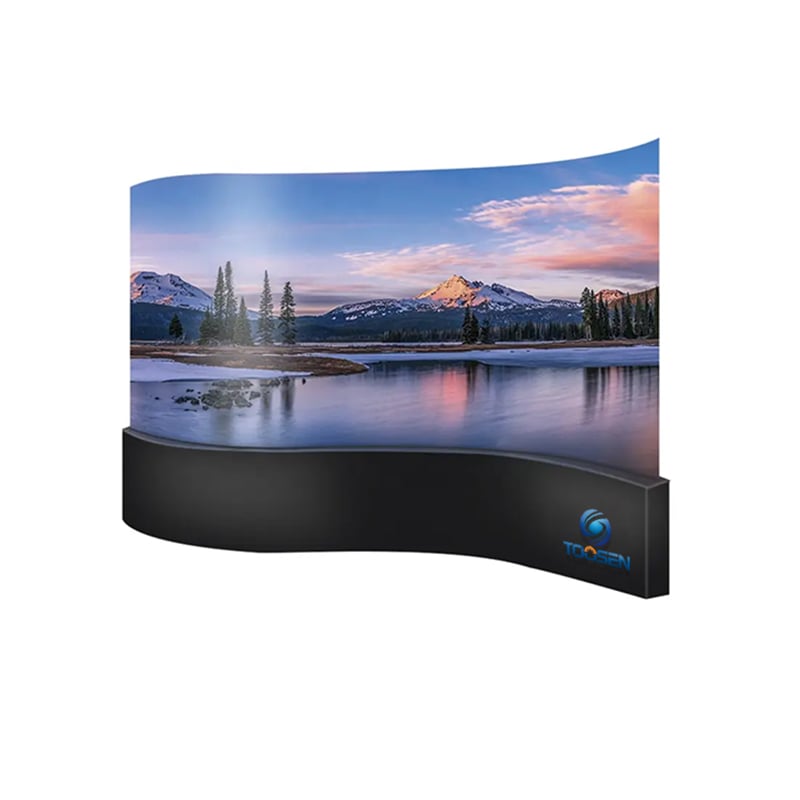
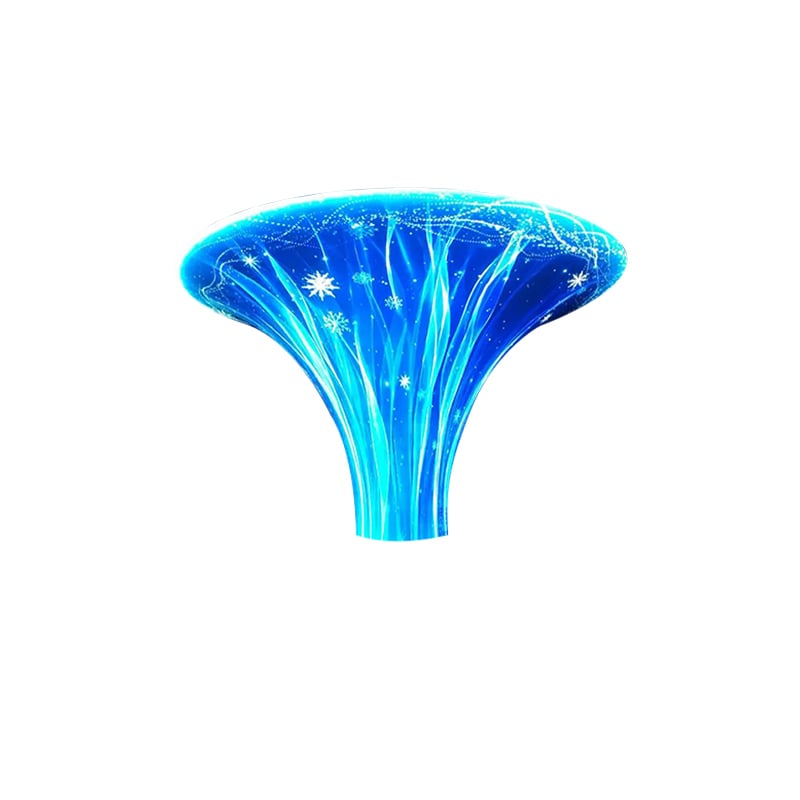
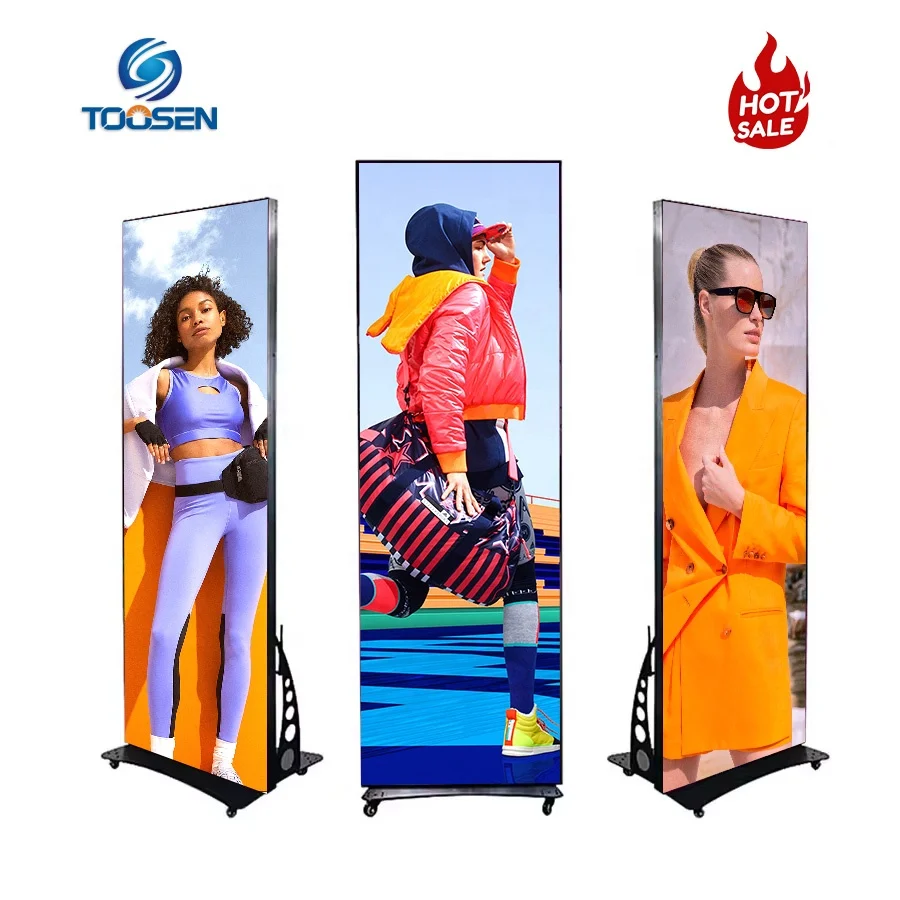
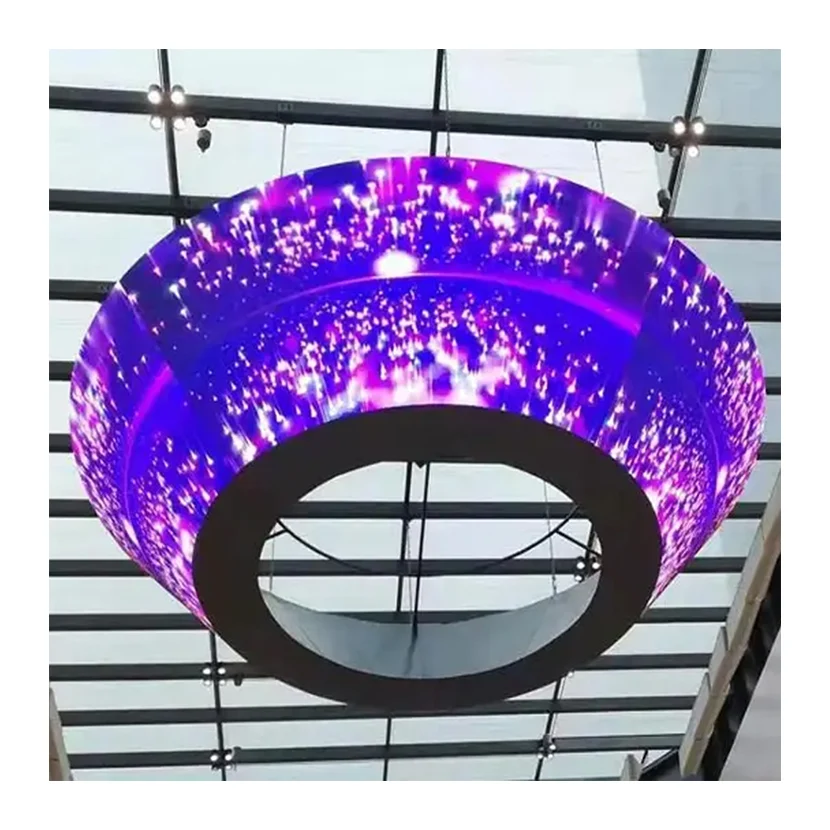
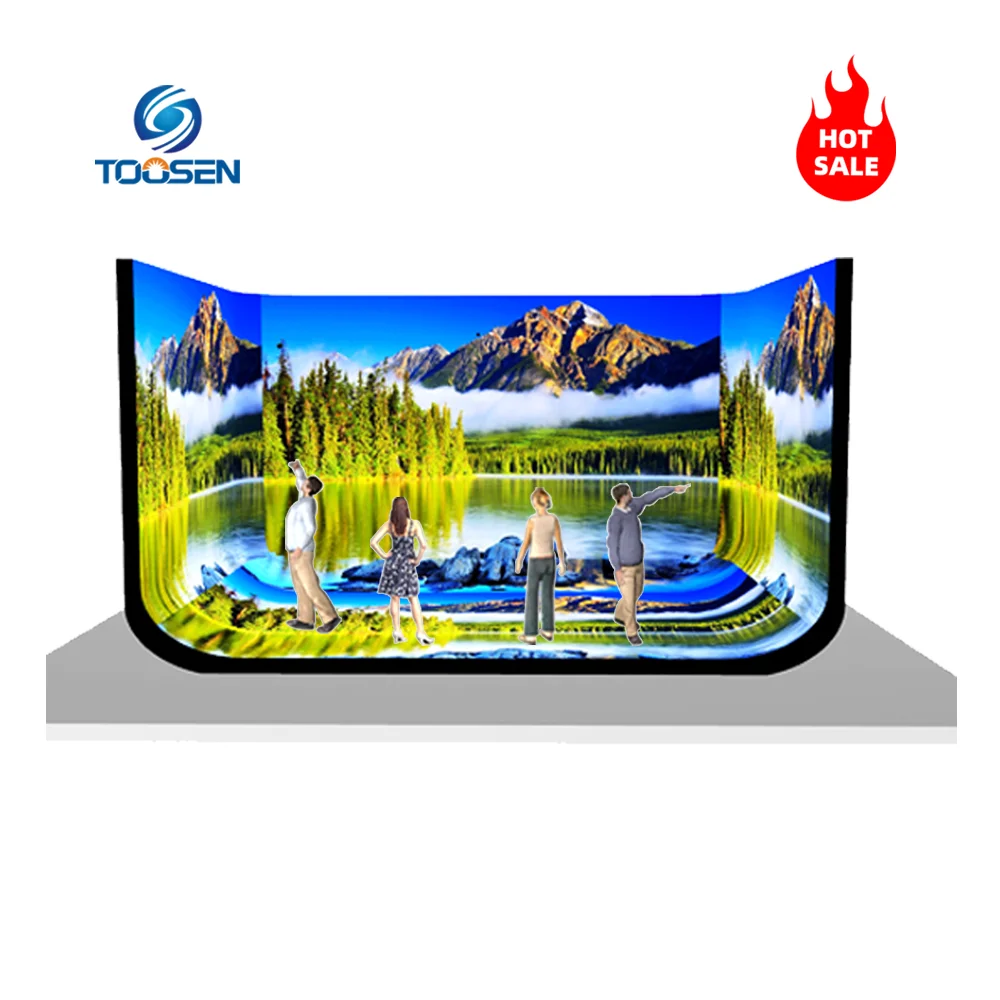
Innovation capability is another indicator of a quality manufacturer. Toosen supports customized LED display solution while also producing specialty displays like irregular-shaped screens, flexible screens, transparent screens, and floor tile screens to meet diverse client needs.
Superior LED screen after-sales service support ensures long-term stable operation of LED displays. When selecting a manufacturer, clearly understand the scope of their service offerings. For instance, Toosen LED provides a two-year warranty and 24/7 online service. They also offer free design drawings and facilitate on-site visits, enabling customers to assess product quality firsthand.
Evaluating a trusted LED display partner involves multiple factors, including product quality, quality control capabilities, technical expertise, and long-term support. Choosing an experienced LED display supplier with a comprehensive service system saves time and ensures peace of mind. For more information on LED displays, contact us to receive a customized solution.
 EN
EN
 AR
AR
 BG
BG
 HR
HR
 CS
CS
 DA
DA
 NL
NL
 FI
FI
 FR
FR
 DE
DE
 EL
EL
 HI
HI
 IT
IT
 JA
JA
 KO
KO
 NO
NO
 PL
PL
 PT
PT
 RO
RO
 RU
RU
 ES
ES
 SV
SV
 TL
TL
 ID
ID
 SR
SR
 UK
UK
 VI
VI
 ET
ET
 HU
HU
 TH
TH
 TR
TR
 FA
FA
 AF
AF
 MS
MS
 GA
GA
 HY
HY
 AZ
AZ
 MN
MN
 UZ
UZ