Home > News > Industry News
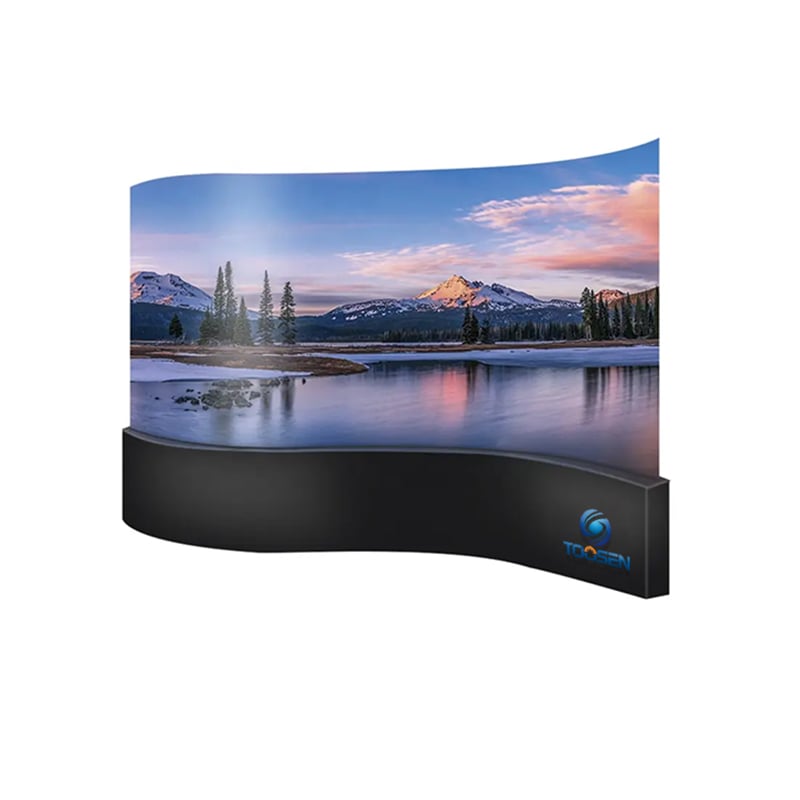
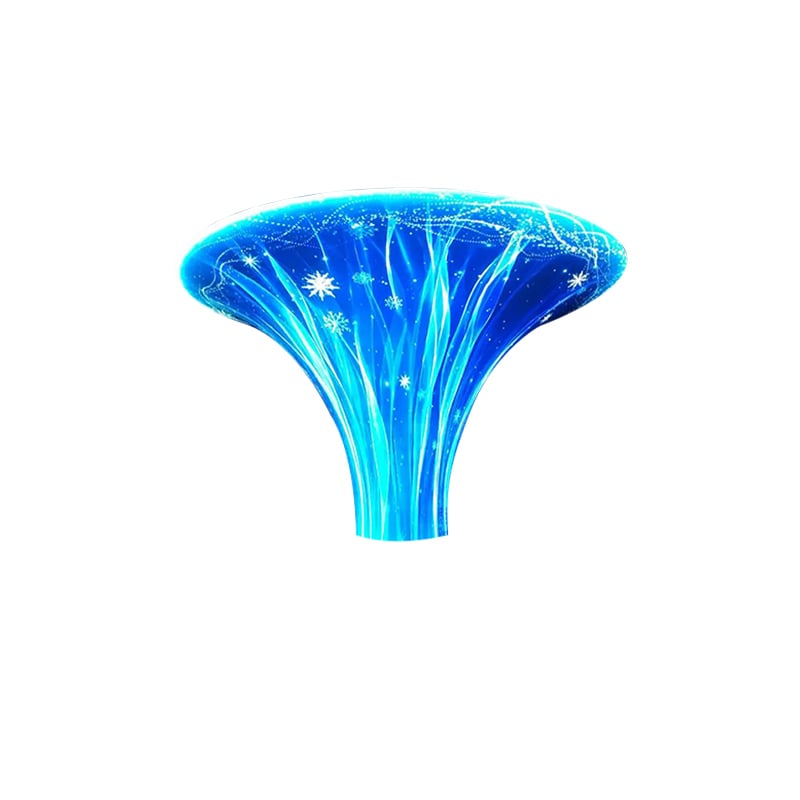
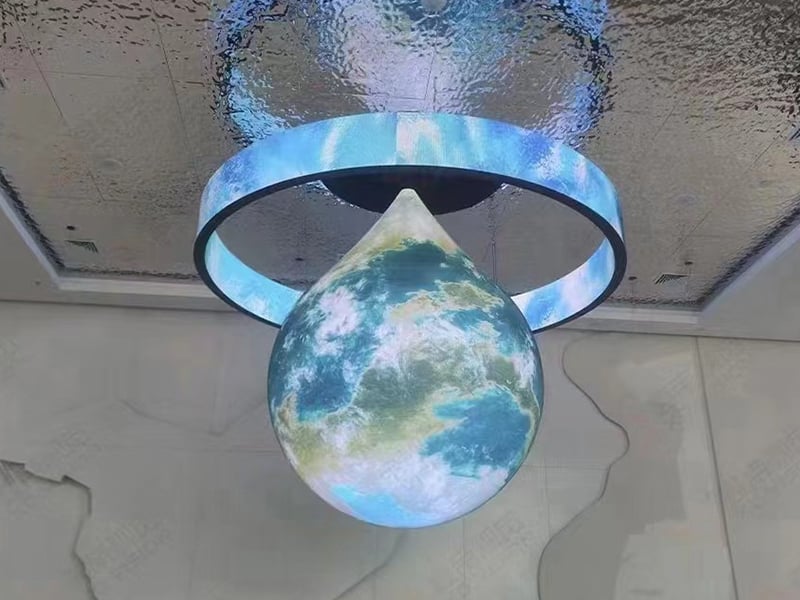
For decades, the standard rectangular screen has dominated our visual landscape. While functional, it often lacks the soul required for high-end artistic expression. Enter the water drop-shaped LED screen—a design breakthrough that combines fluid, organic geometry with high-impact digital technology.
By ditching sharp, rigid corners for soft, tapering curves, these displays offer a refreshing aesthetic that captures the viewer's attention instantly. Let’s explore why architects, brand managers, and designers are embracing this versatile technology.
In the competitive world of retail, standing out is non-negotiable. A water drop-shaped screen acts as a powerful visual anchor.
Retail Flagships: Brands use these displays to tell immersive stories, transforming a simple lobby into a high-end, artistic environment.
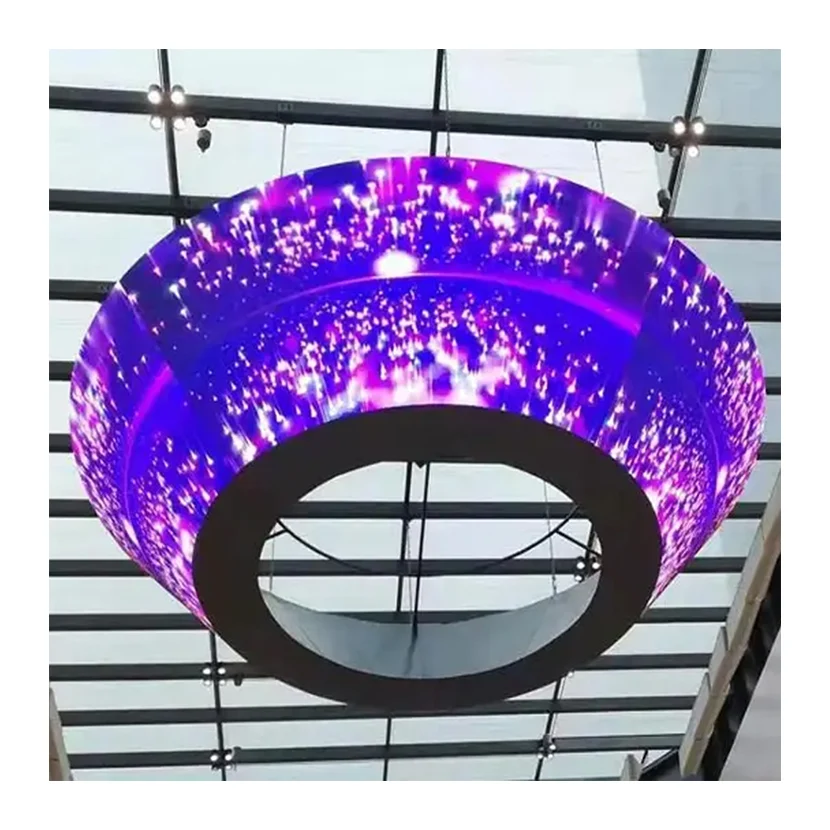
Mall Centers: By serving as a central focal point, these screens pull foot traffic, boost brand visibility, and elevate the overall atmosphere of commercial corridors.
Luxury Hospitality: Hotels utilize the soft, elegant curves of water drop screens to project calm, sophisticated visuals, immediately enhancing the guest experience from the moment they check in.
Modern tourism thrives on "shareable" moments. Water drop-shaped screens turn passive sightseeing into active, immersive experiences.
Theme Parks & Resorts: These screens integrate seamlessly with natural surroundings. They showcase everything from shimmering water textures to celestial themes, creating magical night-time displays.
Cultural Landmarks: Cities now utilize these screens as iconic landmarks. By syncing them with light shows and local cultural narratives, planners breathe new life into city squares and historic town centers.
Whether it’s a global product launch or an intimate wedding, the medium matters.
Stage Presence: Production designers use these screens as dynamic props or stage backdrops. Their unique shape breaks the monotony of traditional stage setups, adding depth and artistic flair to any performance.
Corporate Events: When launching a new product, companies crave a unique "wow" factor. A water drop screen provides a modern, sleek canvas for high-definition media, ensuring the brand stays etched in the audience’s memory.
Why should a building facade be static? Architects are increasingly treating water drop-shaped LED screens as a functional "second skin" for buildings.
Dynamic Facades: By mapping screens to the building's curves, designers turn plain exteriors into living, breathing light sculptures.
Transportation Hubs: Airports and subway stations leverage these screens for more than just logistics. They transform sterile transit zones into modern, aesthetically pleasing hubs that reduce commuter stress.
The symbolism of a water droplet—representing life, purity, and sustainability—makes this shape ideal for specialized spaces.
Science and Tech Centers: These venues often use the water drop shape to mirror the organic nature of scientific discovery.
Wellness & Beauty: Fitness centers and spas adopt these screens to reinforce a message of flow, relaxation, and rejuvenation.
The water drop-shaped LED screen isn’t just a trend; it represents a shift toward more human-centric, organic design in the digital age. By breaking free from the "rectangular box" constraint, businesses can now communicate their brand identity with more fluidity and grace than ever before.
 EN
EN
 AR
AR
 BG
BG
 HR
HR
 CS
CS
 DA
DA
 NL
NL
 FI
FI
 FR
FR
 DE
DE
 EL
EL
 HI
HI
 IT
IT
 JA
JA
 KO
KO
 NO
NO
 PL
PL
 PT
PT
 RO
RO
 RU
RU
 ES
ES
 SV
SV
 TL
TL
 ID
ID
 SR
SR
 UK
UK
 VI
VI
 ET
ET
 HU
HU
 TH
TH
 TR
TR
 FA
FA
 AF
AF
 MS
MS
 GA
GA
 HY
HY
 AZ
AZ
 MN
MN
 UZ
UZ