Home > News > Industry News
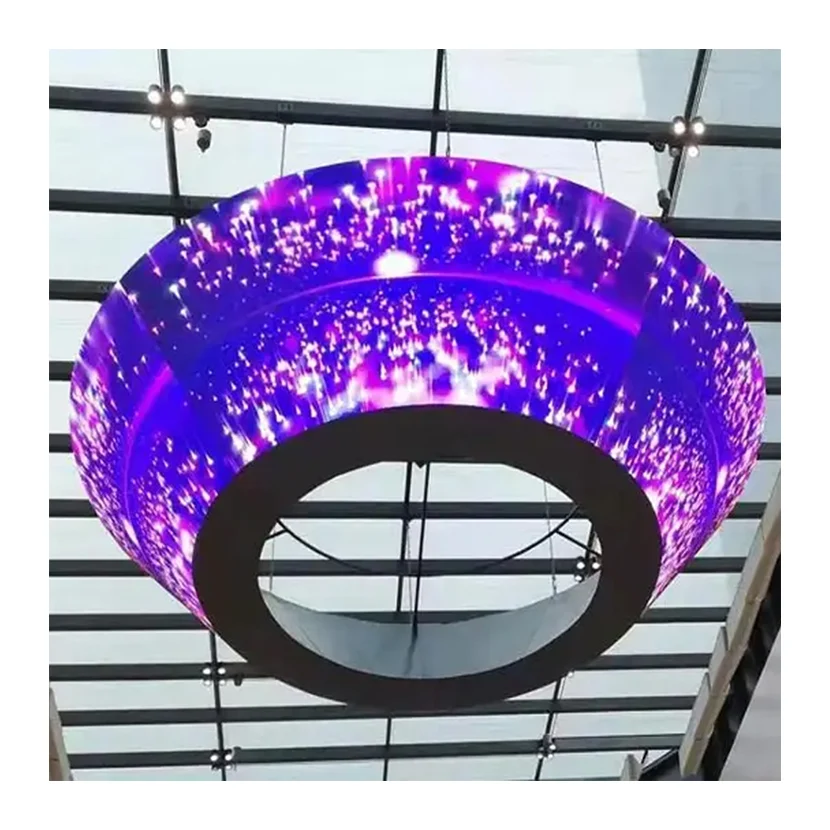
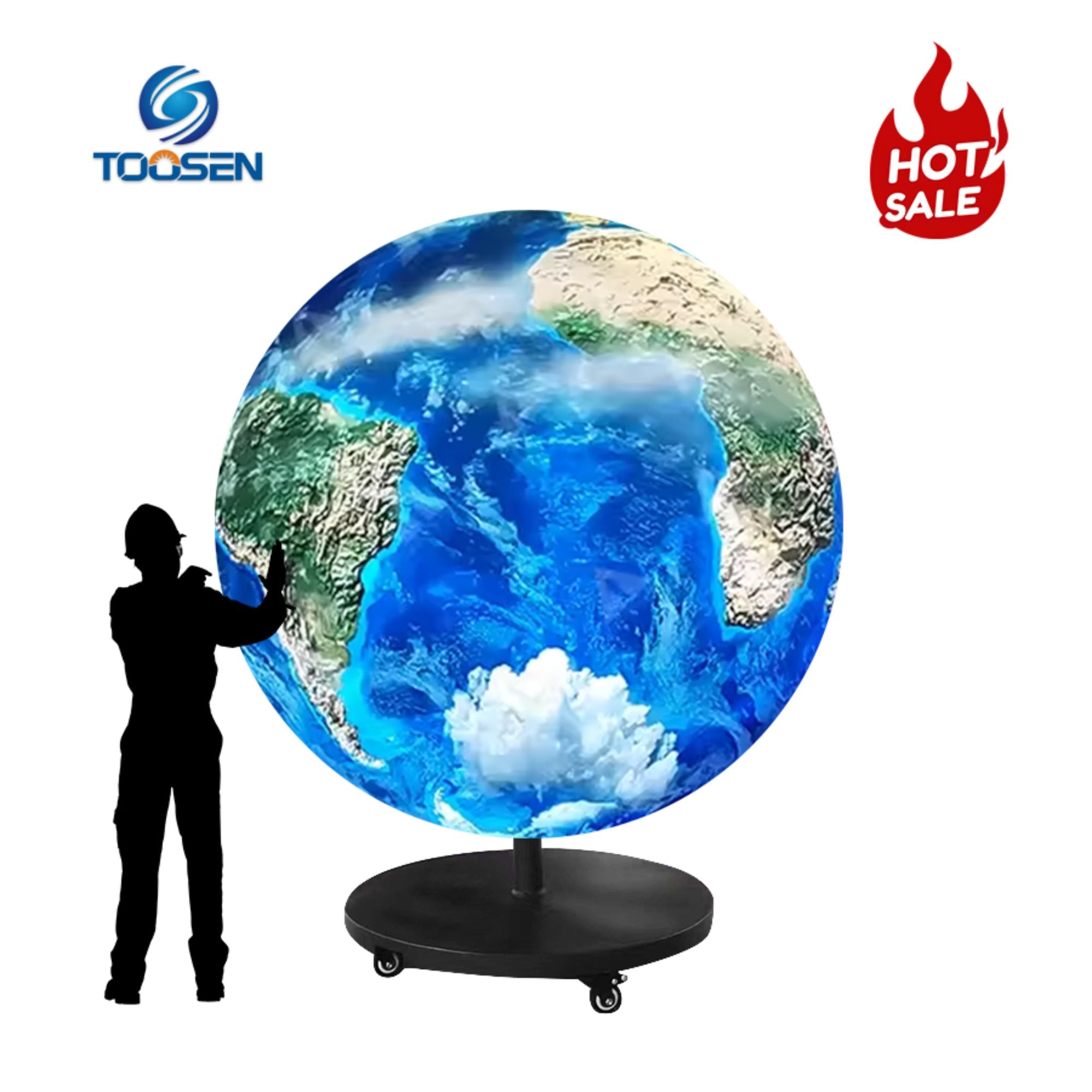
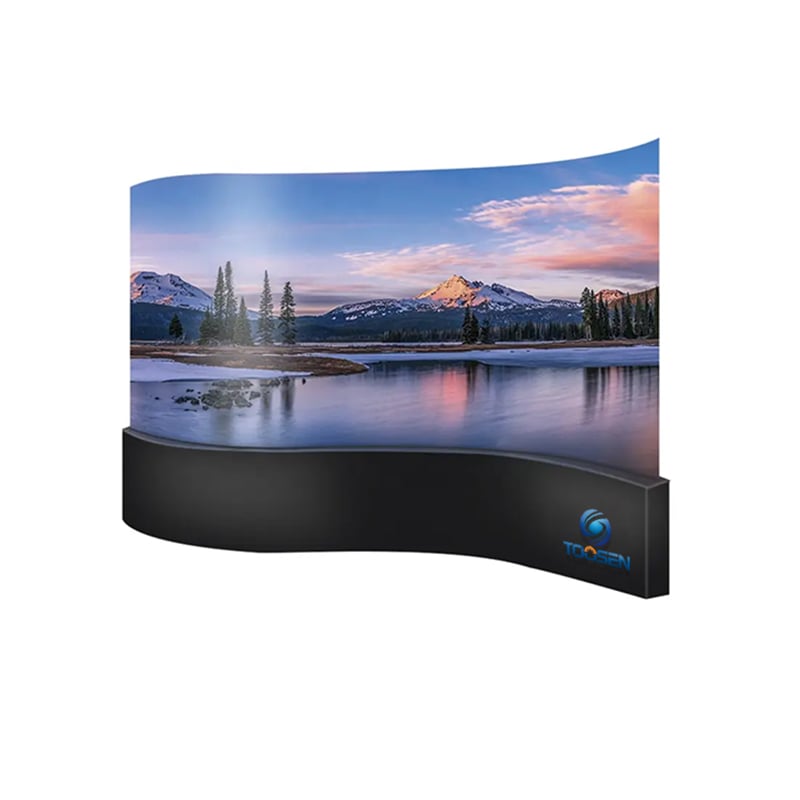
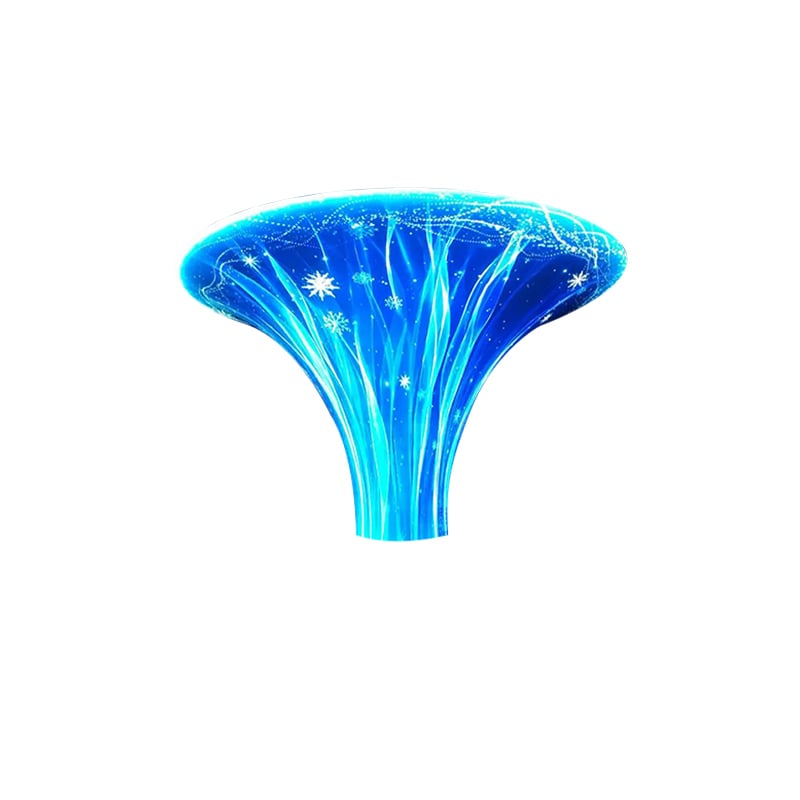
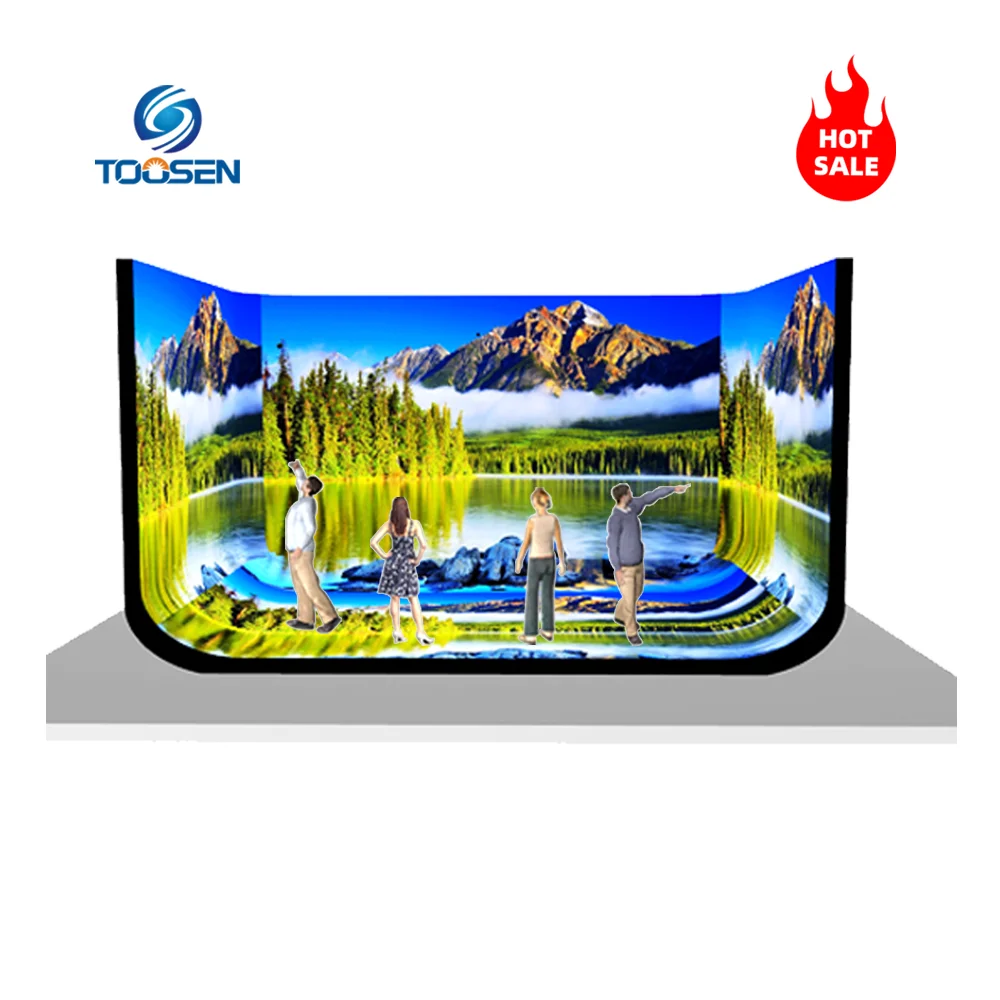
SMD technology adapts to curves LED displays far more effectively because its structure is inherently modular and flexible.
Here’s a simple comparison:
| Feature | COB LED | SMD LED |
|---|---|---|
| Packaging Structure | Large integrated surface | Independent LED packages |
| PCB Requirement | Rigid flat board | Flexible PCB available |
| Flexibility | Very limited | Excellent |
| Curved Screen Capability | Extremely difficult | Mature solution |
| Stress Tolerance | Low | Higher |
| Commercial Curved Applications | Rare | Widely used |
Because of this flexibility, manufacturers commonly use SMD with flexible PCBs for cylindrical screens, wave-shaped displays, ribbon screens, and other creative LED installations.
Although true flexible COB displays remain difficult, the industry has developed several workaround solutions.
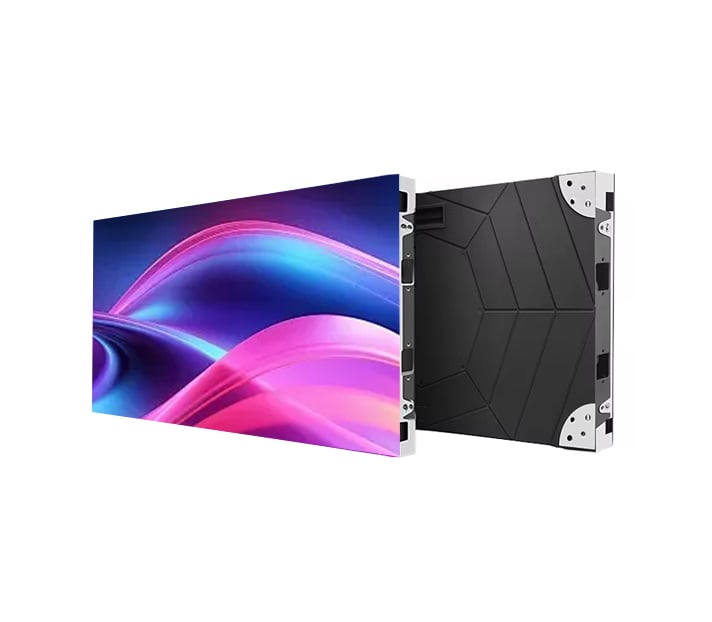
Manufacturers combine multiple flat COB modules at small angles to simulate a curved surface.
This approach creates a polygon-like structure that appears curved from a distance.
Some industrial-grade applications allow extremely slight curvature. However, the bending radius remains very limited compared to flexible SMD screens.
Some companies use SMD-based curved screens and then apply protective coating technologies such as GOB (Glue-on-Board).
This improves durability while retaining flexibility, although it no longer qualifies as pure COB technology.
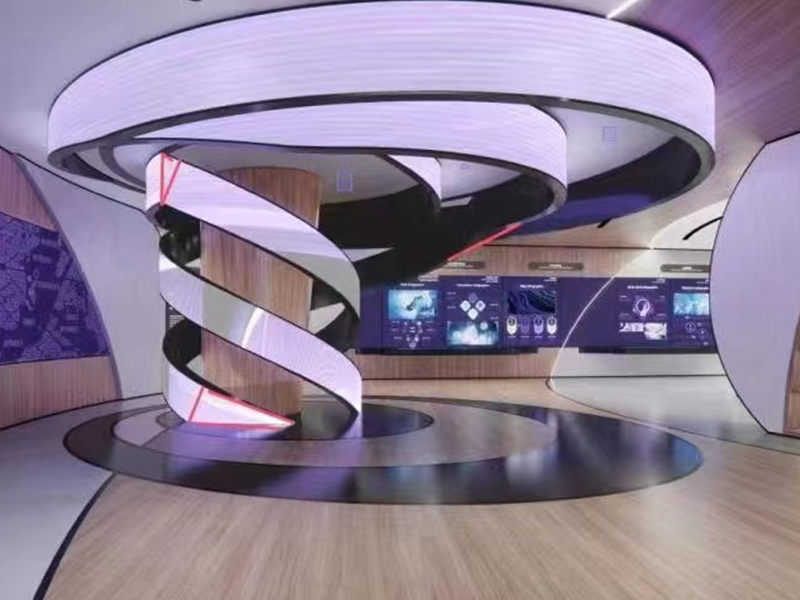
Ultimately, COB and curved LED screens follow two very different design philosophies.
COB focuses on:
Curved LED displays require:
Because of this fundamental difference, true curved COB displays remain highly challenging from both engineering and reliability perspectives.
COB LED technology excels in flat, high-resolution applications where durability and image quality matter most. However, its rigid encapsulation structure makes curved implementations extremely difficult.
For now, the LED industry still relies primarily on:
for most curved and creative LED display projects.
As materials science and flexible packaging technologies continue to evolve, future innovations may eventually bridge the gap. Until then, COB remains primarily a flat-display solution, while SMD continues to dominate the curved LED screen market.
 EN
EN
 AR
AR
 BG
BG
 HR
HR
 CS
CS
 DA
DA
 NL
NL
 FI
FI
 FR
FR
 DE
DE
 EL
EL
 HI
HI
 IT
IT
 JA
JA
 KO
KO
 NO
NO
 PL
PL
 PT
PT
 RO
RO
 RU
RU
 ES
ES
 SV
SV
 TL
TL
 ID
ID
 SR
SR
 UK
UK
 VI
VI
 ET
ET
 HU
HU
 TH
TH
 TR
TR
 FA
FA
 AF
AF
 MS
MS
 GA
GA
 HY
HY
 AZ
AZ
 MN
MN
 UZ
UZ