Home > News > Industry News
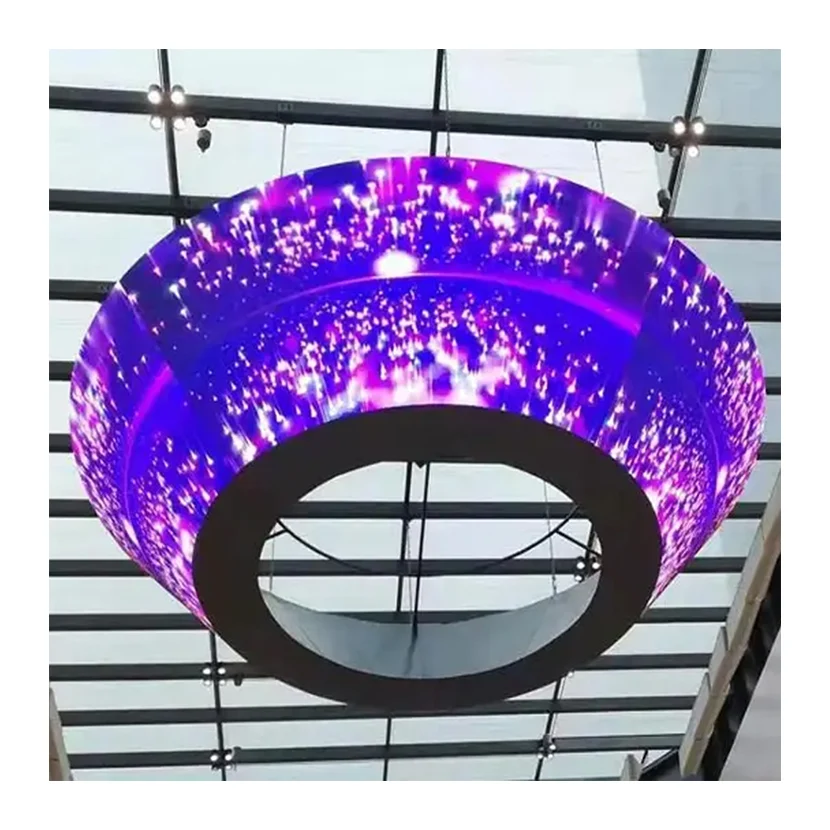
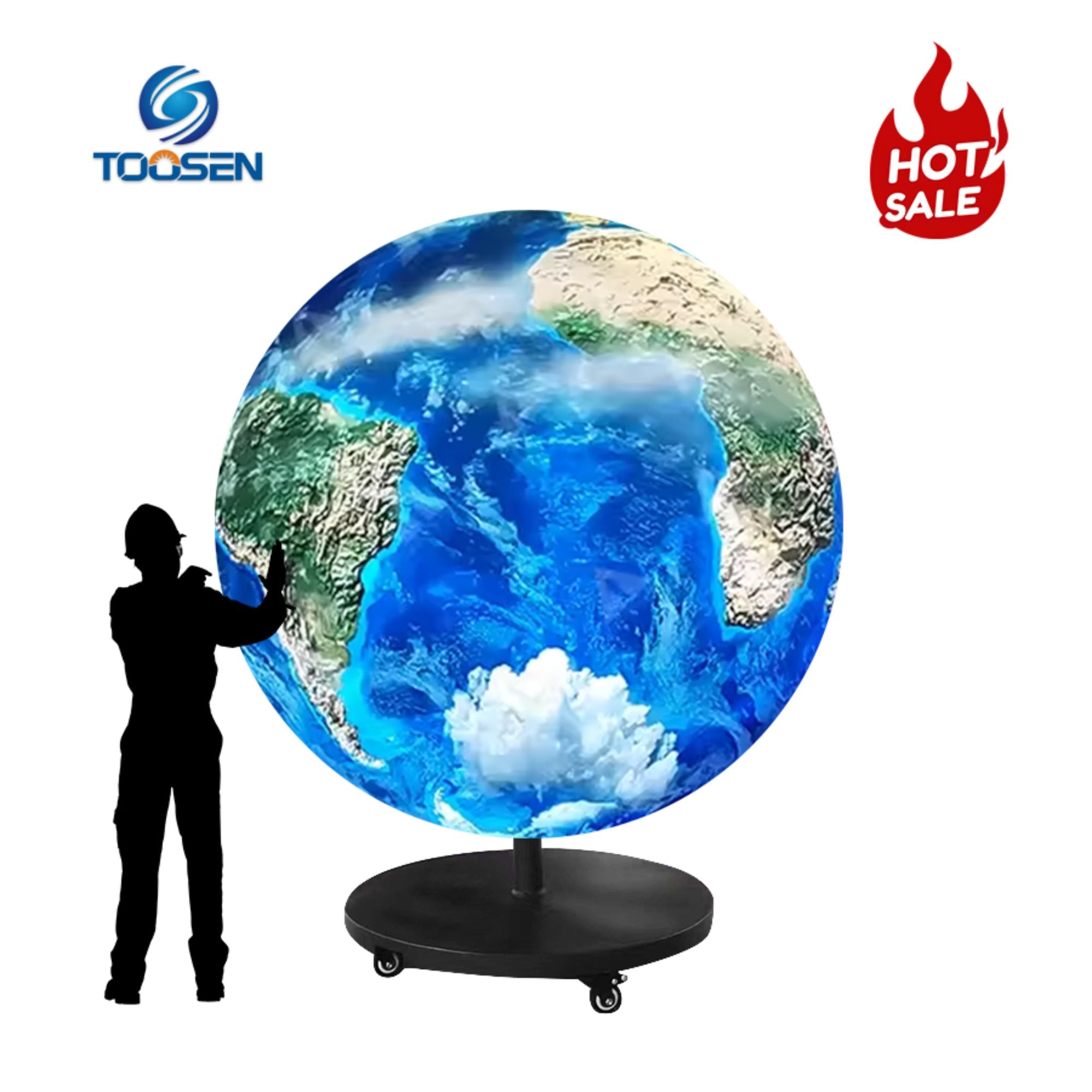
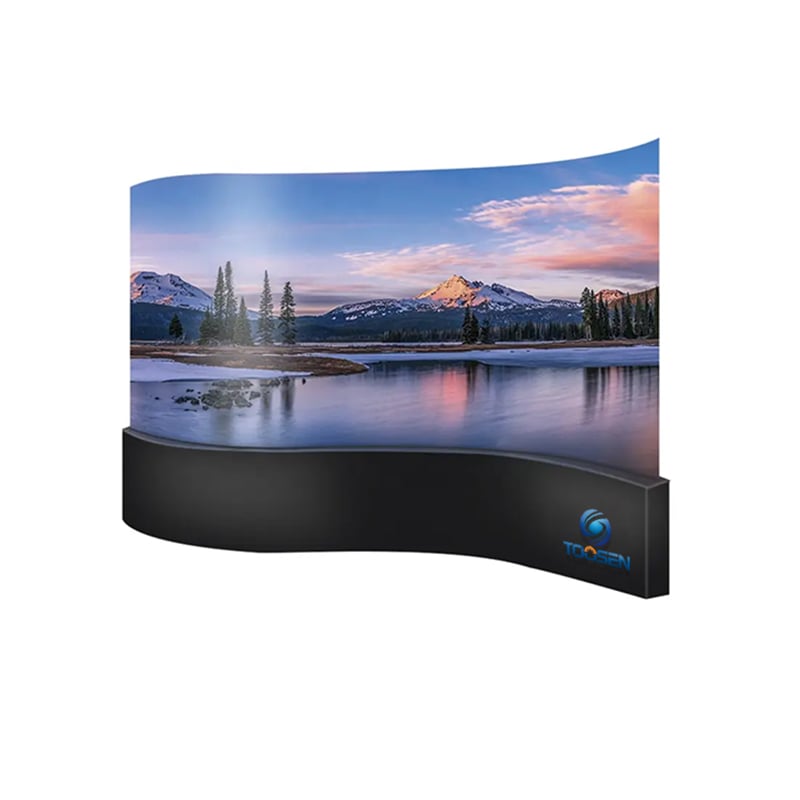
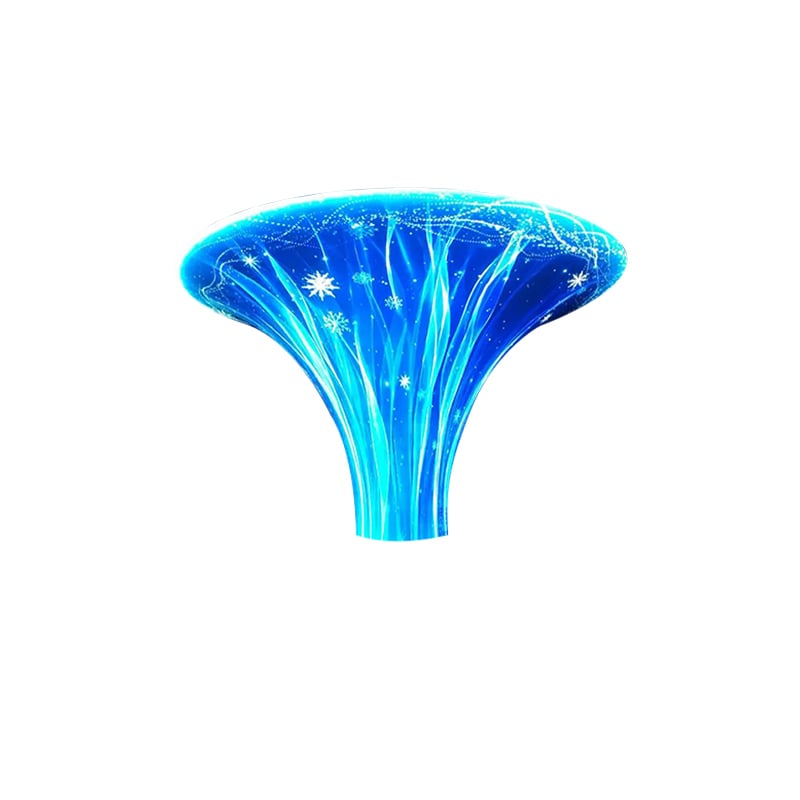
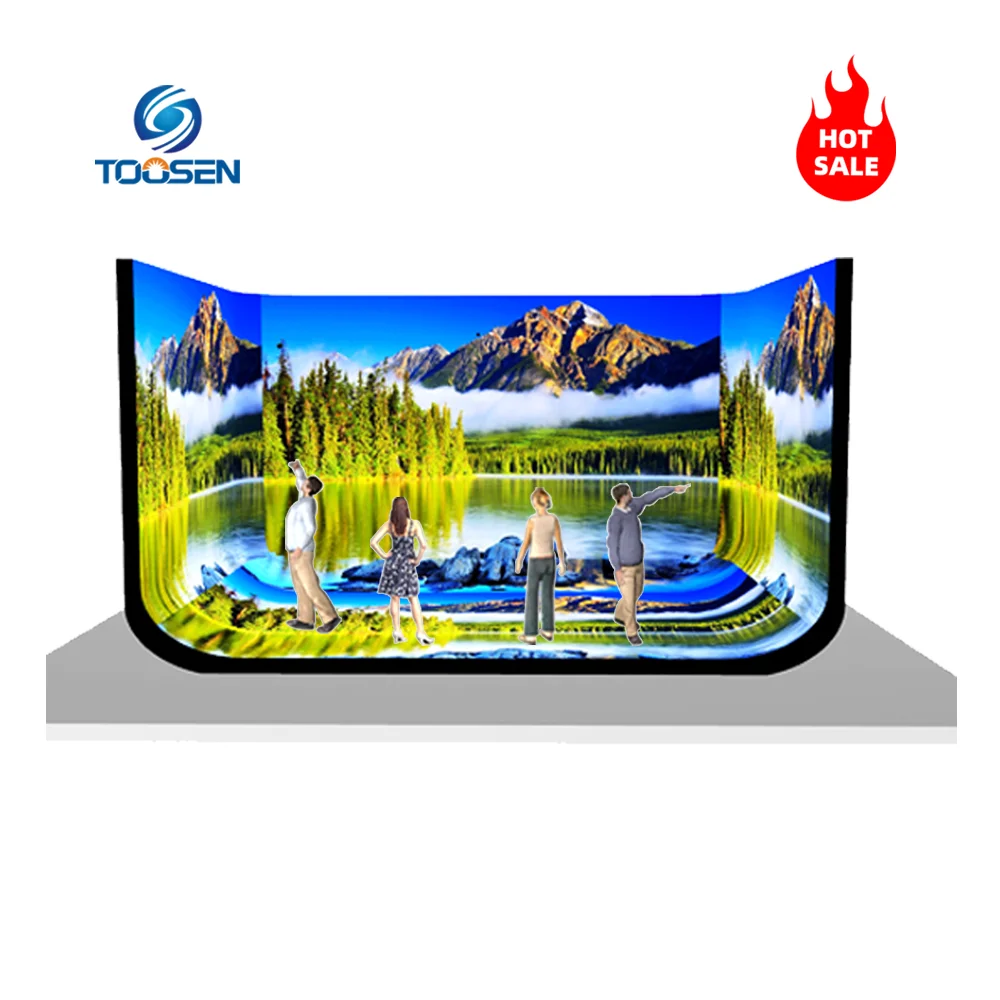
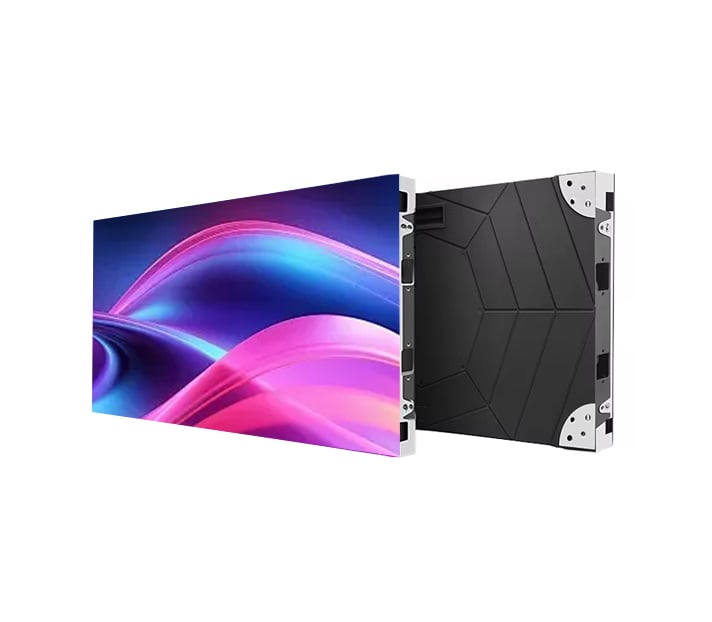
Irregular LED display screens — such as curved screens, cylindrical screens, spherical displays, and artistic LED installations — usually rely on lightweight modules, especially flexible LED modules or specially designed cabinet structures. The main reason is simple: these unique screen shapes create complex challenges in structure, installation, weight distribution, and flexibility.
First, lightweight modules significantly reduce the overall weight of the display. Many irregular LED screens hang from ceilings, attach to building facades, or integrate into suspended stage structures. Therefore, excessive weight can create serious pressure on steel frames and building supports.
Manufacturers often use aluminum alloys, magnesium materials, or carbon-fiber structures to lower the cabinet weight while still maintaining excellent strength and durability. As a result, installers can reduce structural stress, improve safety, and simplify engineering requirements.
Unlike traditional flat LED screens, irregular LED displays often feature curves, waves, twists, or fully customized artistic forms. Flexible lightweight modules can bend and reshape more easily, allowing designers to create cylindrical screens, ribbon displays, spheres, and other creative structures.
In contrast, traditional rigid modules struggle to achieve these complex geometries. They limit design freedom and often increase installation difficulty.
Therefore, lightweight flexible modules give designers far more creative possibilities while keeping the screen stable and visually consistent.
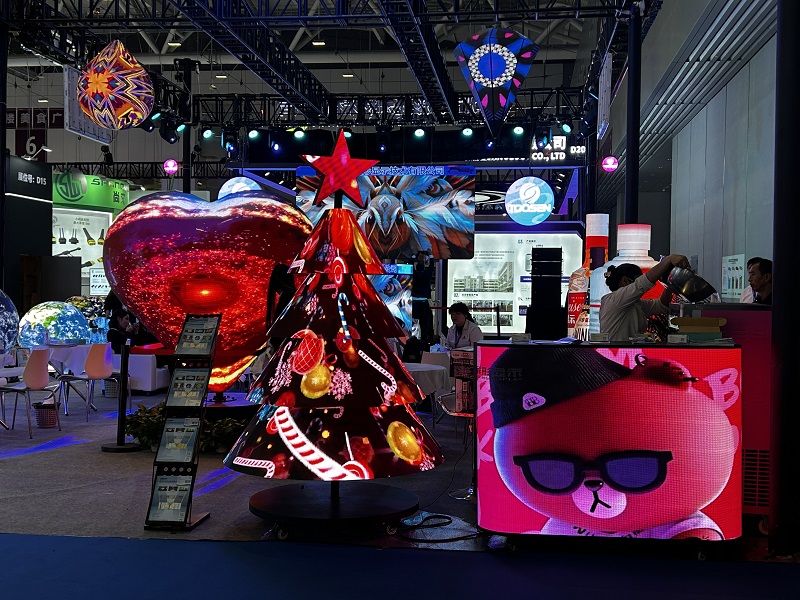
Another major advantage involves screen uniformity. Irregular LED screens require smooth transitions between modules, especially on curved surfaces or small-radius arcs.
Because lightweight soft modules can conform closely to curved structures, they create tighter connections and cleaner alignment between panels. This helps reduce visible gaps, uneven surfaces, and mosaic-like visual defects.
As a result, the display delivers a smoother image and a more immersive viewing experience.
Lightweight modules also make transportation, installation, and maintenance much easier. Technicians can handle lighter panels more efficiently during on-site assembly, especially when working at height or inside complicated architectural spaces.
In addition, irregular screens usually contain customized structures that leave limited maintenance space. Lightweight modules allow faster removal and replacement, which reduces downtime and improves long-term service efficiency.
Many lightweight flexible modules use specially engineered bottom shells and soft structural materials that improve shock absorption and vibration resistance. This becomes especially important in environments such as concert stages, exhibitions, transportation hubs, or immersive entertainment venues where vibration frequently occurs.
By reducing overall mass and improving flexibility, lightweight modules help irregular LED screens maintain structural stability under dynamic conditions.
In simple terms, lightweight modules solve several core challenges in irregular LED display design. They reduce structural pressure, support complex artistic shapes, improve seamless splicing, simplify installation, and enhance overall safety.
Without lightweight and flexible module technology, many modern creative LED display projects would become far more difficult, expensive, or even impossible to achieve.
 EN
EN
 AR
AR
 BG
BG
 HR
HR
 CS
CS
 DA
DA
 NL
NL
 FI
FI
 FR
FR
 DE
DE
 EL
EL
 HI
HI
 IT
IT
 JA
JA
 KO
KO
 NO
NO
 PL
PL
 PT
PT
 RO
RO
 RU
RU
 ES
ES
 SV
SV
 TL
TL
 ID
ID
 SR
SR
 UK
UK
 VI
VI
 ET
ET
 HU
HU
 TH
TH
 TR
TR
 FA
FA
 AF
AF
 MS
MS
 GA
GA
 HY
HY
 AZ
AZ
 MN
MN
 UZ
UZ