Home > News > Industry News
The difference between IP54 and IP65 mainly comes down to two things: dust protection and water resistance. These ratings directly affect where an LED display can be safely installed and how long it will last in different environments.
| Rating | Dust Protection | Water Protection | Overall Protection Level |
|---|---|---|---|
| IP54 | Level 5: Limited dust ingress allowed, but not enough to affect normal operation | Level 4: Protected against water splashes from any direction | Basic protection for indoor or semi-outdoor environments |
| IP65 | Level 6: Completely dust-tight | Level 5: Protected against low-pressure water jets from any direction | Full protection for direct outdoor exposure |
An IP54-rated LED screen can resist most dust, but tiny particles may still enter the cabinet over time. In dusty outdoor environments, this buildup can collect on PCBs and internal components, reducing heat dissipation and increasing the risk of short circuits. Regular maintenance and cleaning are usually required.
IP65 is completely dust-tight. No dust can enter the cabinet, making it ideal for harsh environments such as construction sites, desert regions, coastal areas, and industrial zones. The internal components stay cleaner, which helps reduce failure rates and extend service life.
IP54 can handle light rain, splashes, or minor water spray. However, it is not designed for direct exposure to heavy rain or continuous water pressure. If installed outdoors without proper shelter, water ingress may occur during storms.
IP65 can withstand water jets from a standard 6.3 mm nozzle coming from any direction. This level of protection is considered the minimum requirement for most outdoor LED displays because it can handle heavy rain and routine cleaning with water.
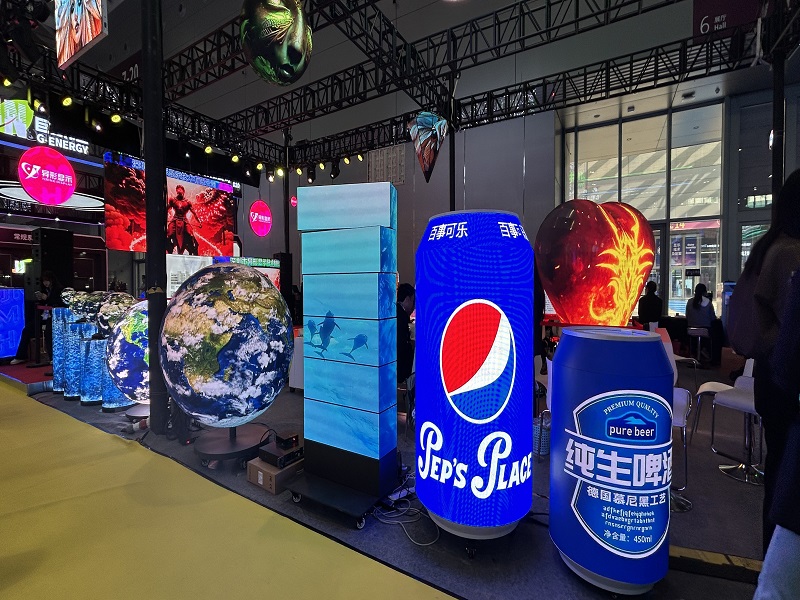
| Application Scenario | Recommended Rating | Reason |
|---|---|---|
| Indoor meeting rooms, exhibition halls, stage displays | IP30–IP54 | Minimal exposure to dust or water |
| Semi-outdoor areas such as storefronts or under canopies | IP54 | Protected from direct rain exposure |
| Outdoor billboards, stadium screens, building facades | IP65 or higher | Constant exposure to rain, dust, and weather |
| Coastal areas, chemical plants, dusty industrial environments | IP65–IP67 | Higher resistance to moisture, dust, and corrosion |
 EN
EN
 AR
AR
 BG
BG
 HR
HR
 CS
CS
 DA
DA
 NL
NL
 FI
FI
 FR
FR
 DE
DE
 EL
EL
 HI
HI
 IT
IT
 JA
JA
 KO
KO
 NO
NO
 PL
PL
 PT
PT
 RO
RO
 RU
RU
 ES
ES
 SV
SV
 TL
TL
 ID
ID
 SR
SR
 UK
UK
 VI
VI
 ET
ET
 HU
HU
 TH
TH
 TR
TR
 FA
FA
 AF
AF
 MS
MS
 GA
GA
 HY
HY
 AZ
AZ
 MN
MN
 UZ
UZ