Home > News > Industry News
Commercial LED walls can transform a hotel lobby, casino, retail store, event venue, or corporate space. However, many businesses quickly discover one important fact:
A premium LED display does not guarantee premium visual results.
In fact, the content matters just as much as the hardware. Poorly optimized videos can look blurry, stutter during playback, or expose compression artifacts that become painfully obvious on large-format LED screens.
A recent discussion in the Reddit CommercialAV community highlighted a common industry challenge: finding LED wall content that actually looks professional on large commercial displays.
This article explains what kind of content works best on LED walls, why standard video footage often fails, and how businesses can optimize playback quality for a better viewer experience.
Many people assume they can simply upload ordinary 4K videos to an LED wall. Unfortunately, that approach often creates disappointing results.
LED video walls behave differently from TVs and LCD displays because they:
As a result, content that looks good on a monitor may look terrible on a large LED installation.
For example:
Therefore, commercial LED walls require carefully optimized media.
Experienced AV professionals generally prefer content with bold visuals and controlled motion. In many cases, simple visuals outperform highly detailed cinematic footage.
Here are the most effective content styles for commercial LED displays.
Abstract animations remain one of the most popular choices for LED walls because they:
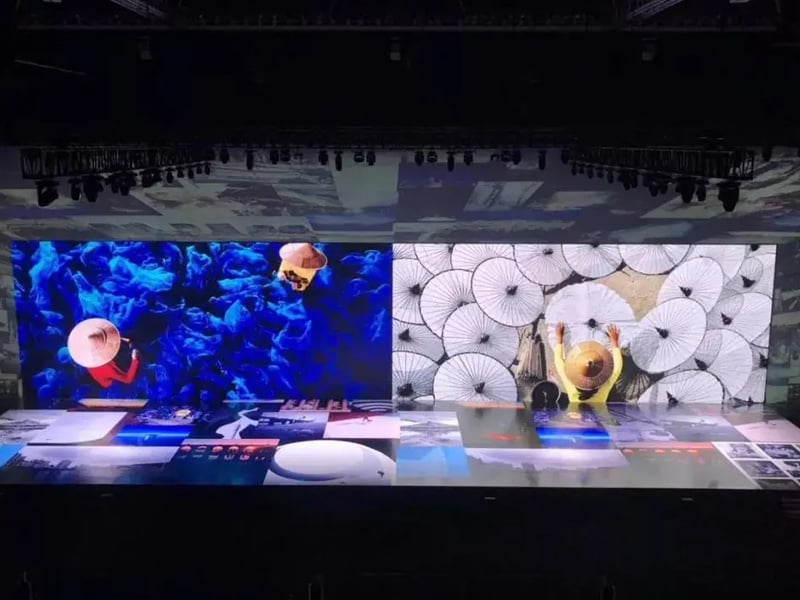
Flowing particles, geometric animations, liquid motion, and ambient visuals often produce excellent results.
Slow-moving nature footage also works well, especially in:
Popular options include:
However, creators should still optimize the footage carefully. Heavy compression can ruin natural gradients and dark scenes.
Many companies now use LED walls to strengthen brand identity rather than simply display advertisements.
For example, businesses often create:
Creative LED display content helps brands stand out while improving customer engagement.
Although stock footage libraries offer thousands of videos, much of that content was never designed for LED displays.
This creates several problems.
LED walls magnify visual flaws. Compression blocks and noise that seem invisible on a laptop become extremely noticeable on a giant display.
Many stock videos do not loop seamlessly. As a result, viewers notice abrupt jumps every few seconds.
For commercial installations that run all day, poor looping quickly becomes distracting.
Ultra-detailed footage can overwhelm lower pixel-pitch displays. Instead of looking sharper, the image may appear unstable or noisy.
That is why many AV professionals prefer cleaner motion graphics over busy cinematic footage.
Content quality alone is not enough. Playback optimization also plays a critical role.
The Reddit discussion specifically mentioned playback challenges with BrightSign media players when handling high-bitrate content.
This is a common issue in commercial AV projects.
Extremely high bitrates do not always improve visual quality. In fact, they can overload media players and cause frame drops.
Instead:
Many installations perform better with properly optimized H.265 files rather than excessively large H.264 files.
Always design content around the LED wall’s actual pixel resolution.
For example, a large LED wall may physically look enormous but still operate at a relatively modest pixel resolution compared to standard 4K displays.
Creating content at the correct resolution improves playback efficiency while reducing scaling issues.
Smooth looping creates a more professional appearance.
To achieve this:
A perfect 20-second loop often looks better than a complicated 3-minute video.
As LED installations become more creative, businesses increasingly invest in custom visual experiences.
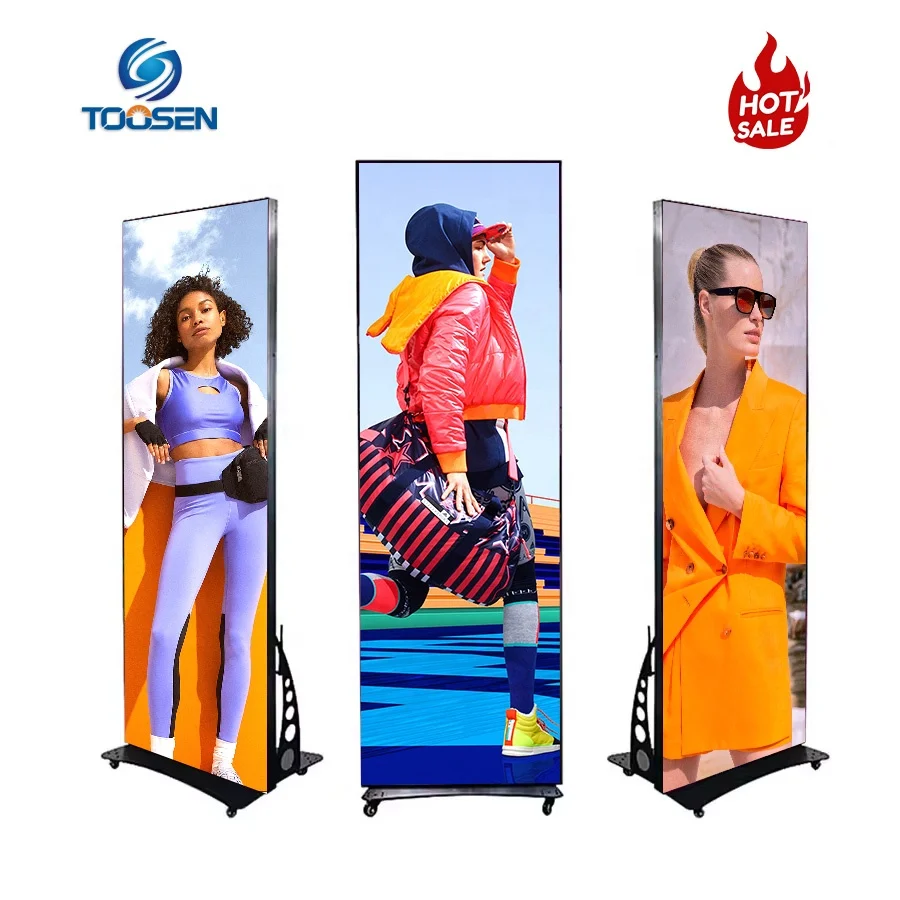
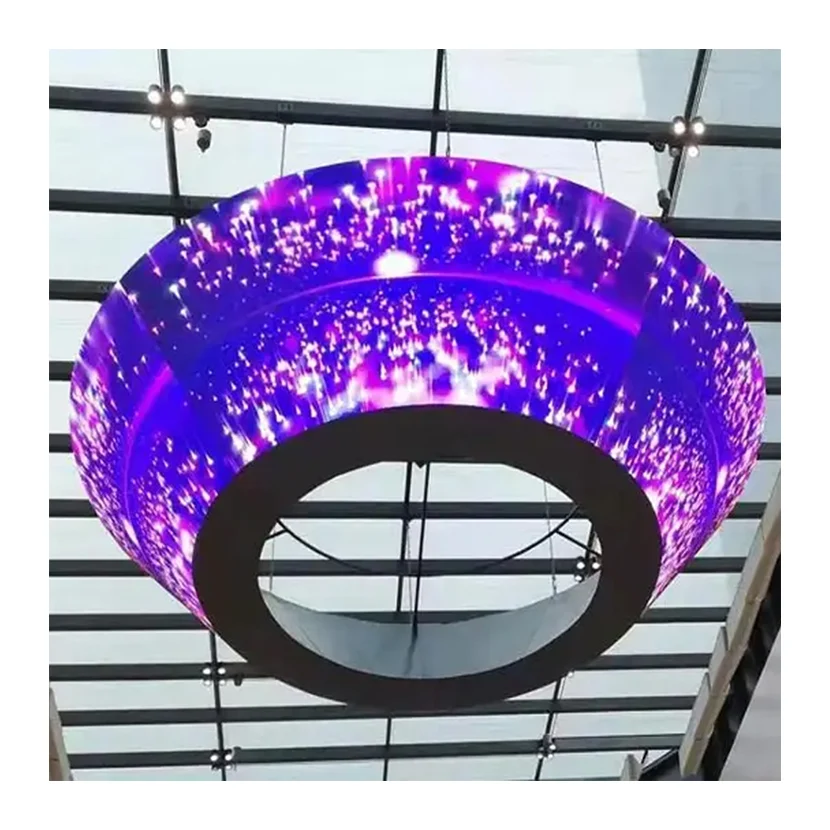
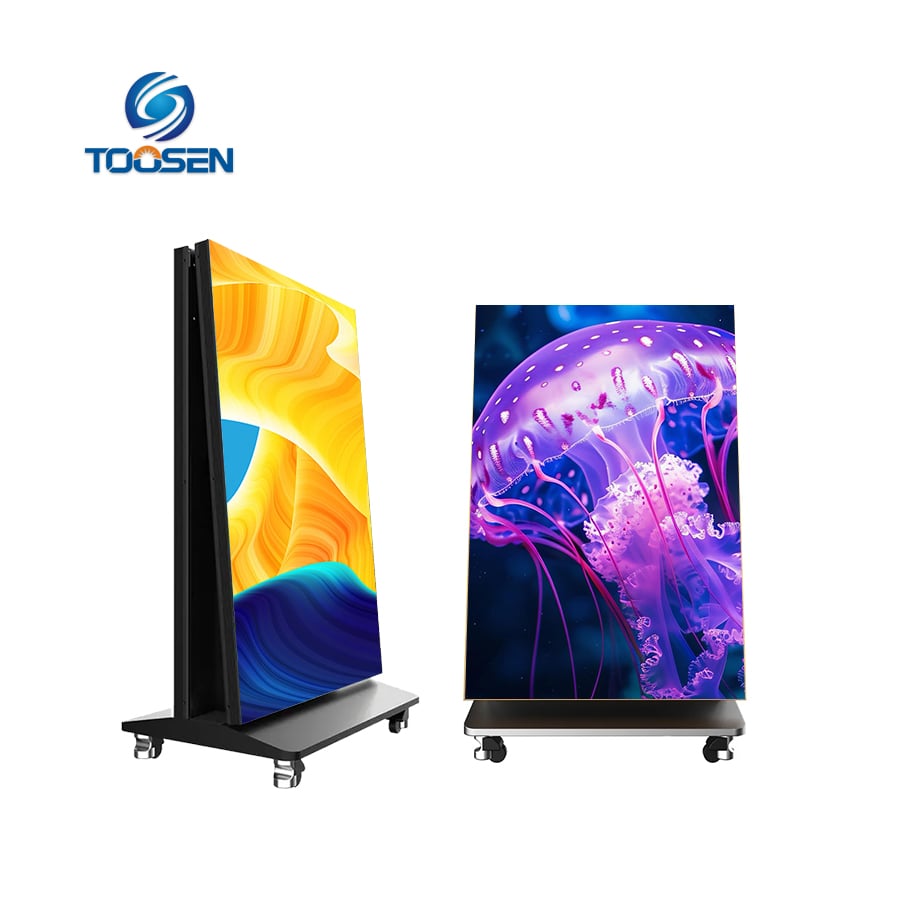
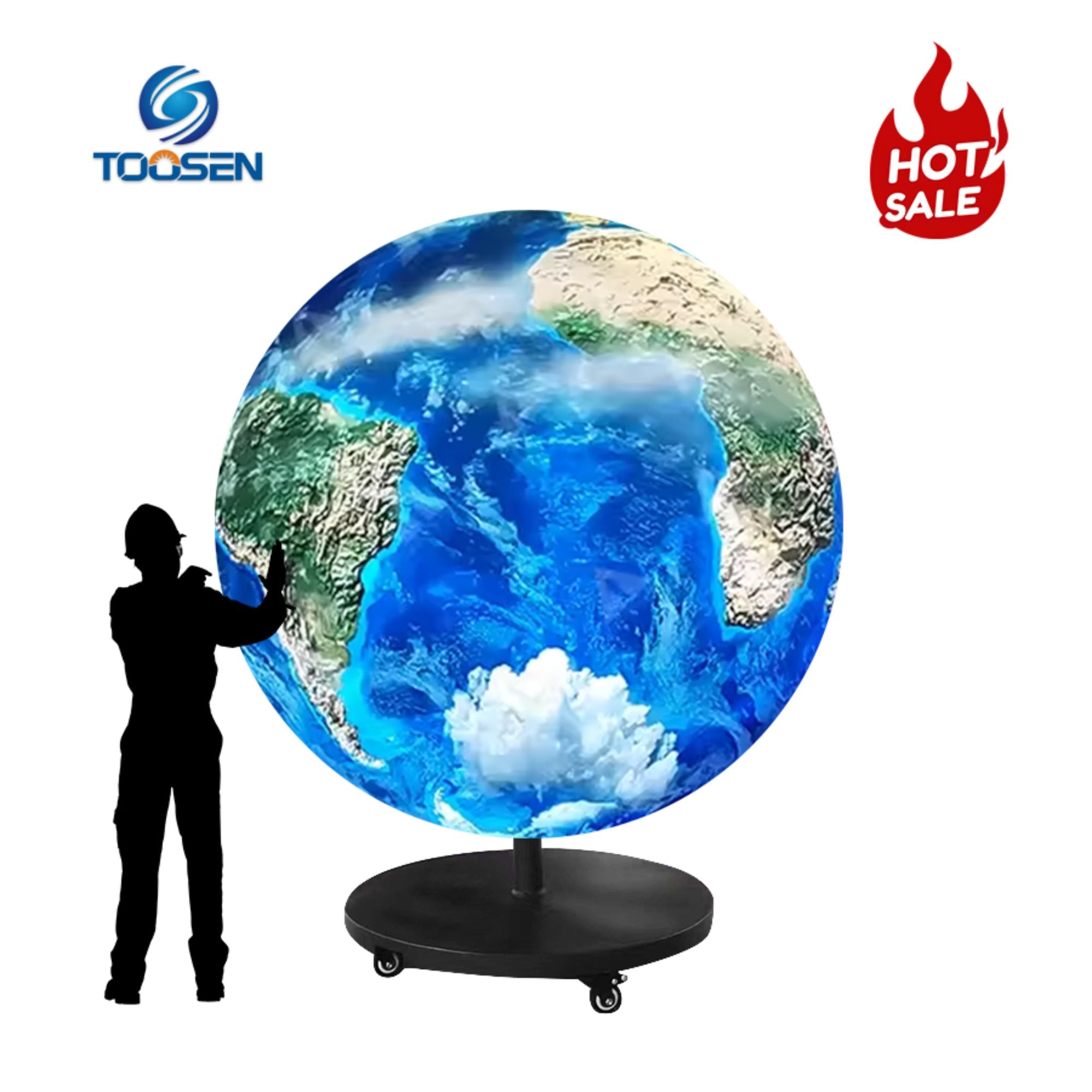
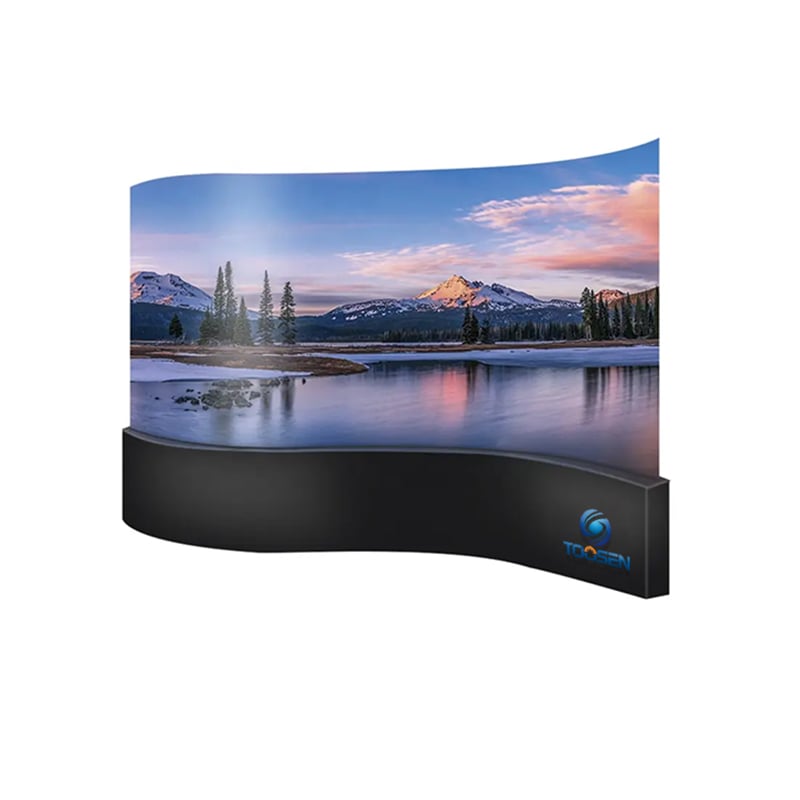
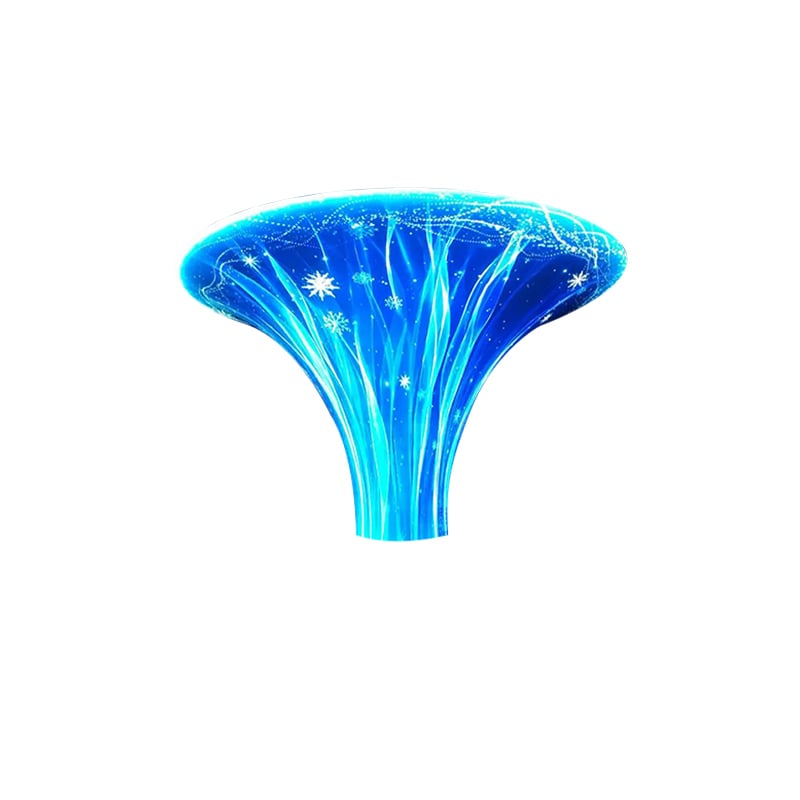
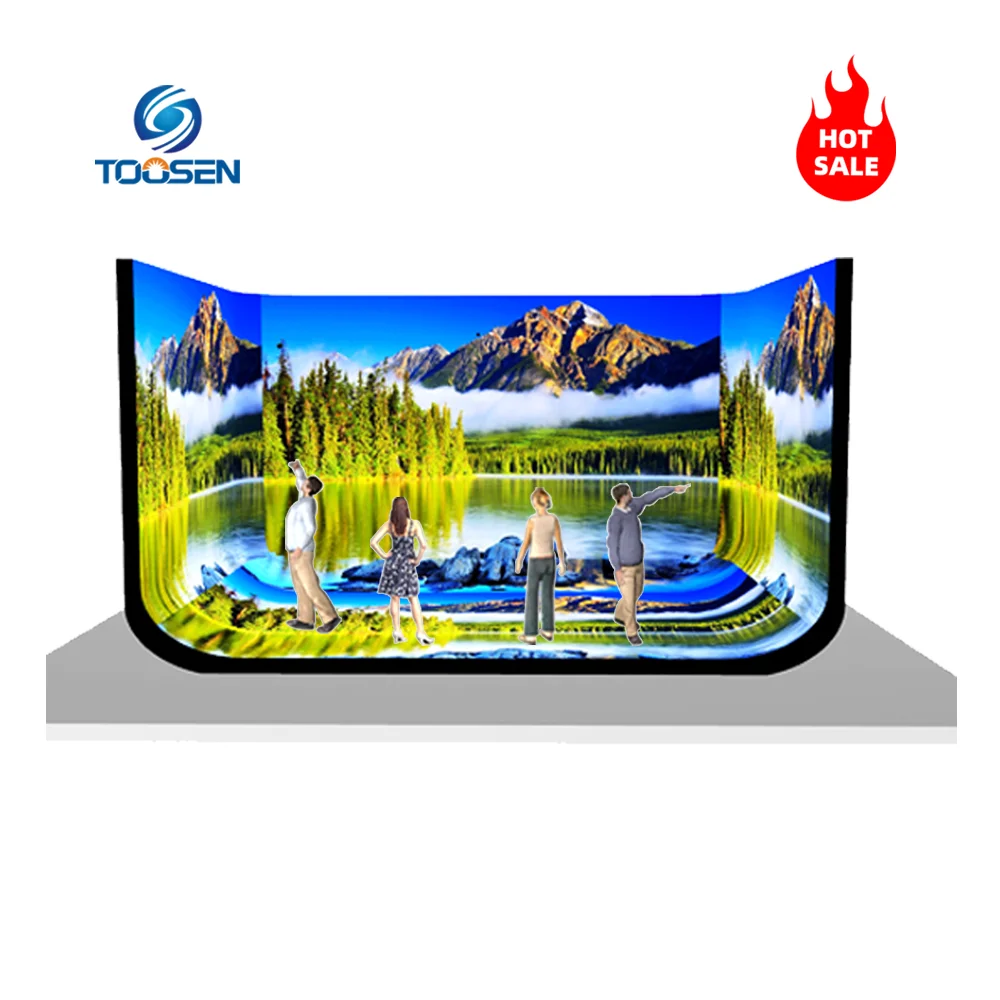
Today’s LED displays include:
Standard video content rarely fits these unique formats properly.
Therefore, many brands now create custom media specifically for their LED structures. This approach improves immersion while maximizing the display’s visual impact.
A commercial LED wall is only as impressive as the content running on it.
High-quality visuals, optimized playback settings, and properly designed motion graphics can dramatically improve the viewing experience. Meanwhile, poorly compressed stock footage can make even expensive LED installations look unprofessional.
For the best results:
As commercial LED technology continues to evolve, content strategy will become even more important. Businesses that invest in both hardware and visual design will create stronger, more memorable digital experiences.
 EN
EN
 AR
AR
 BG
BG
 HR
HR
 CS
CS
 DA
DA
 NL
NL
 FI
FI
 FR
FR
 DE
DE
 EL
EL
 HI
HI
 IT
IT
 JA
JA
 KO
KO
 NO
NO
 PL
PL
 PT
PT
 RO
RO
 RU
RU
 ES
ES
 SV
SV
 TL
TL
 ID
ID
 SR
SR
 UK
UK
 VI
VI
 ET
ET
 HU
HU
 TH
TH
 TR
TR
 FA
FA
 AF
AF
 MS
MS
 GA
GA
 HY
HY
 AZ
AZ
 MN
MN
 UZ
UZ