Home > News > Industry News
LED display masks play a much bigger role than many people realize. Although they look like simple cover pieces, they directly affect contrast, durability, viewing experience, and even camera performance. So if you want better image quality or long-term stability, choosing the right LED mask is essential.
In this guide, I will explain what an LED display mask does and how to choose the best type for different applications. I will also use clear examples and simple explanations to make the information easy to understand.
1. Core Functions of an LED Display Mask
An LED mask improves both visual performance and physical protection. Its functions can be grouped into four main categories.
1) Improve Contrast and Black Level
Most masks use matte-black surfaces. They cover everything between LED pixels, including the PCB and solder pads. Because of this, they reduce reflections from ambient light.
As a result, the LED screen shows deeper blacks and brighter highlights. The picture looks clearer, richer, and more layered—especially in dark scenes. This is why high-contrast LED screens always rely on well-designed masks.
2) Reduce or Remove Moiré Patterns
Moiré happens when a camera captures the LED pixel grid. The camera sensor and LED pixels interfere with each other, creating wavy or stripe-like distortions.
A high-quality LED mask can solve this. Its special micro-structure breaks the interference pattern. This greatly reduces or even eliminates moiré when filming the screen. For TV studios, concerts, XR virtual productions, and live events, this feature is extremely important.
3) Protect the LEDs and Internal Components
Masks also act as a physical shield. They are usually made from PC plastic or aluminum and can prevent damage caused by cleaning, installation, or accidental impact.
Besides physical protection, they also reduce dust and moisture entering the LED module. This helps extend the life of the display and lowers maintenance costs.
4) Improve Viewing Angle and Light Consistency
The mask surrounds each LED like a small “well.” This structure helps guide the light forward, reducing unnecessary side scattering.
Because of this, the audience sees more consistent brightness and color from the best viewing angles. It also minimizes color shift at different angles, creating a more stable visual experience.
2. How to Choose the Right LED Display Mask
Selecting the right LED mask depends on application needs, budget, and durability requirements. Here are the key factors to consider.
1) Mask Type and Surface Treatment
Surface treatment affects both contrast and moiré performance.
• Matte Black (Recommended)
This is the best option in most cases. It absorbs ambient light, enhances contrast, and helps reduce moiré.
• Glossy or Colored Masks (Not recommended)
They reflect more light and may reduce visual performance.
Structure Design Matters Too
• Standard Flat Mask
Basic and cost-effective.
• Masks with Physical Knobs / Micro-Teeth
These feature raised edges around each pixel. They further optimize the light path and minimize moiré. They are widely used in broadcast-level and high-end commercial LED displays.
2) Material Selection
Material affects durability, weight, and overall screen lifespan.
Plastic Masks (PC or ABS)
Advantages:
Lightweight
Low cost
Easy to manufacture
Disadvantages:
Weaker outdoor durability
Can yellow or become brittle under UV exposure
Lower scratch resistance
Best for:
Indoor displays and cost-sensitive projects
Metal Masks (Aluminum, Aluminum-Magnesium Alloy)
Advantages:
High strength
Excellent outdoor durability
Better heat dissipation
Premium appearance
Disadvantages:
Higher cost
Heavier
Best for:
Outdoor LED screens, rental LED displays, high-end indoor screens
3) Flatness and Module Consistency
A good mask must stay flat. Any warping will cause color inconsistency or visible shadows across the display.
Metal masks typically offer better flatness than plastic ones. They keep the visual performance stable over long-term use.
4) Compatibility and Installation Method
The mask must match the module and cabinet design, including:
pixel pitch
mounting holes
clip or buckle structure
The installation should be firm, secure, and resistant to vibration or temperature changes.
Final Recommendations
To help you make the right choice, here are practical suggestions based on real application needs.
• For broadcast studios, film sets, XR stages, high-end conference rooms:
Choose matte-black masks with micro-knob structures (metal recommended).
They deliver the best anti-moiré performance and top image quality.
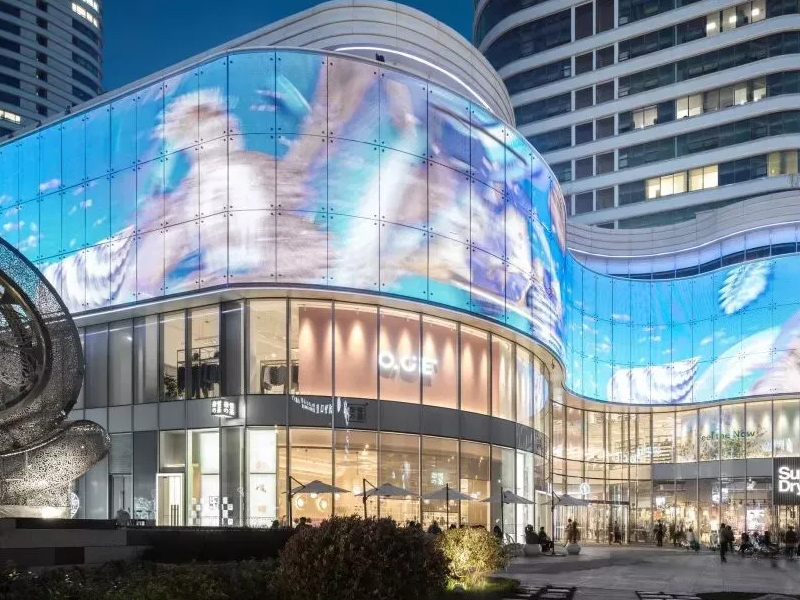
• For outdoor LED displays (billboards, stadiums, building façades):
Select matte-black metal masks for maximum durability and weather resistance.
• For indoor commercial displays (malls, exhibitions, meeting rooms):
Matte-black plastic masks offer the best price-performance ratio.
• For rental LED screens:
Metal masks are ideal because they handle frequent transportation and assembly.
Before finalizing your purchase, always request a sample. Test it in a dark room to check black level quality, and use a phone or camera to examine moiré performance.
FAQ:
An LED mask improves contrast, reduces reflections, protects LED pixels, and enhances viewing angles. It also helps control light output and creates a cleaner, sharper image.
High-quality masks use micro-structures or matte surfaces that scatter interference between the camera sensor and LED pixels. This helps minimize wavy distortion when the screen is filmed.
Plastic masks are lightweight and affordable, making them ideal for indoor displays. Metal masks offer higher strength, better weather resistance, and superior flatness, which is important for outdoor and rental screens.
 EN
EN
 AR
AR
 BG
BG
 HR
HR
 CS
CS
 DA
DA
 NL
NL
 FI
FI
 FR
FR
 DE
DE
 EL
EL
 HI
HI
 IT
IT
 JA
JA
 KO
KO
 NO
NO
 PL
PL
 PT
PT
 RO
RO
 RU
RU
 ES
ES
 SV
SV
 TL
TL
 ID
ID
 SR
SR
 UK
UK
 VI
VI
 ET
ET
 HU
HU
 TH
TH
 TR
TR
 FA
FA
 AF
AF
 MS
MS
 GA
GA
 HY
HY
 AZ
AZ
 MN
MN
 UZ
UZ