Home > News > Industry News
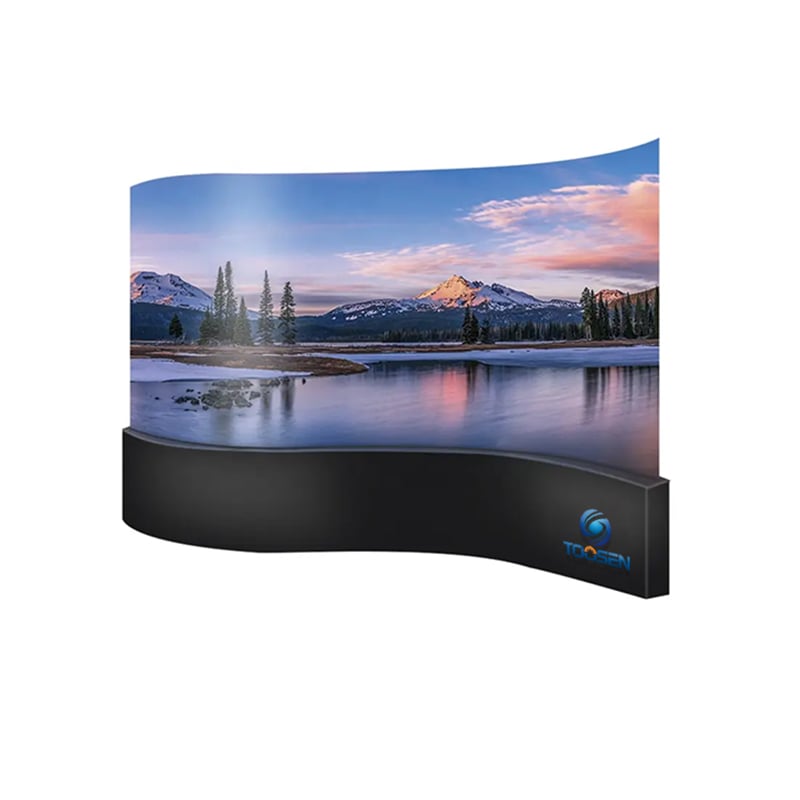
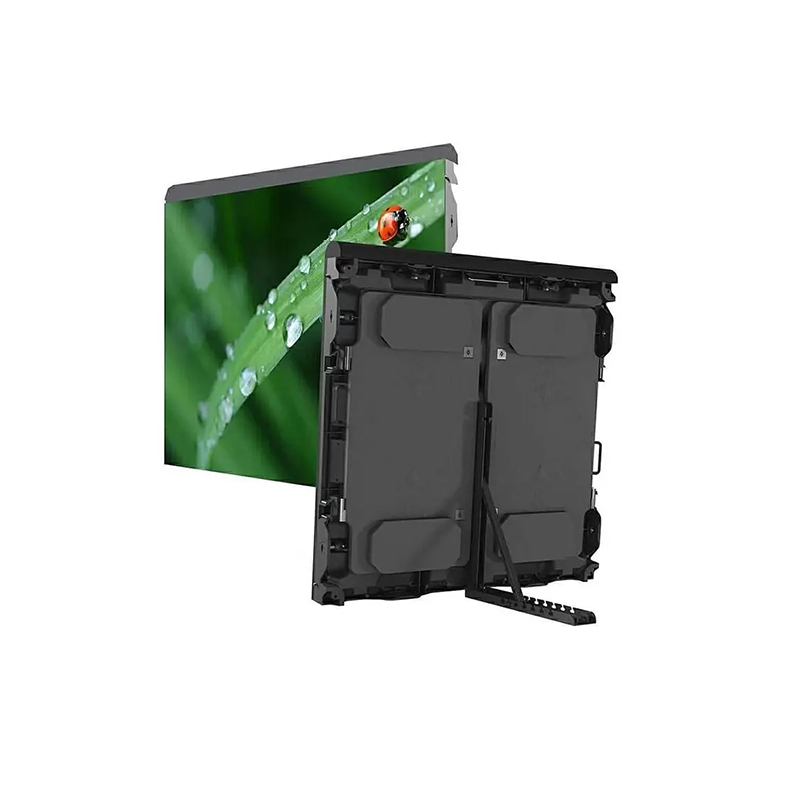
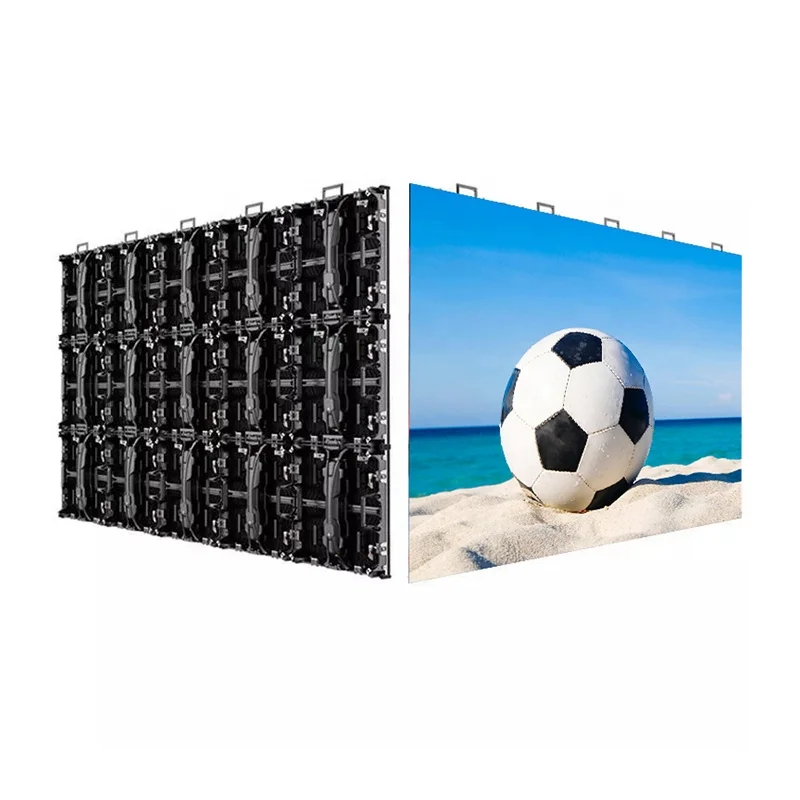
LED screen look simple when they light up on stage, in malls, or on city streets. But behind every bright screen, there is a group of components working together. These include LED lamps, driver ICs, PCB boards, LED modules, cabinets, power supplies, frames, masks, cooling systems, and protection systems. Among them, three key devices determine how the content appears on the screen: the LED processor, the LED controller, and the media player.
This article explains what each device does, how they work, and why they matter. The goal is to help you understand how an LED display shows a clear and stable image, no matter the screen size or shape.
The LED processor plays a central role in image quality. It receives video signals from many types of sources. These sources may include computers, cameras, media servers, DVD players, and production consoles. The processor takes these signals and makes sure they match the LED screen’s physical resolution.
It supports many inputs such as HDMI, DVI, DP, SDI, and VGA. Because of this, the processor can accept almost any professional video source. It also allows fast switching between different inputs. This is very important for live shows, events, broadcast studios, and large control rooms.
After receiving the signal, the processor adjusts it step by step. First, it scales or crops the image so it fits the LED screen exactly. LED displays often have irregular resolutions, so the processor must convert the original image without distortion. A good processor can scale a 1920×1080 image to a screen like 3840×1200 while keeping sharp details.
Next, it performs image processing tasks. These include de-interlacing, noise reduction, sharpening, color-space conversion, and grayscale optimization. These steps make the image clearer, smoother, and more vivid.
For large installations, such as wide screens or multi-screen setups, the processor also handles signal synchronization. It aligns the output of multiple processors so the entire image looks seamless and does not shift. This ensures the whole display stays stable, even when the screen is made of many different shapes or segments.
Because of these functions, the processor has a direct impact on final image quality. A high-end processor produces better clarity, smoother motion, and more accurate colors.
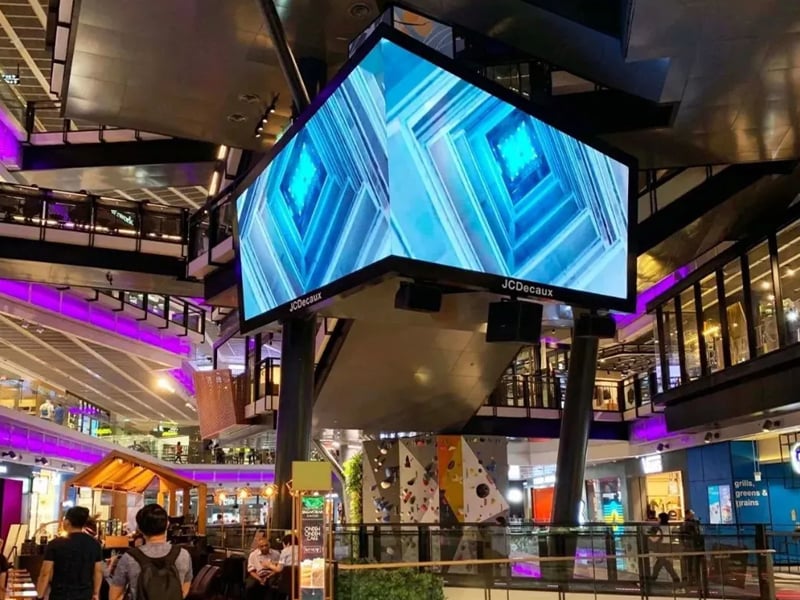
While the processor handles video formatting and enhancement, the LED controller makes the LED modules light up correctly. The controller includes two main parts: the sending card and the receiving card.
The sending card is usually placed near the signal source, such as a computer or processor. Its job is to take the processed video and convert it into a special data format for LED screens. LED displays do not use standard HDMI or DVI signals internally. They need serial data that is broken into many small pieces. The sending card compresses, organizes, and transmits this data through network cables or fiber cables.
On the LED screen side, the receiving card is installed inside each cabinet or module. The receiving card takes the incoming data packets and rebuilds them into complete video frames. Then, it sends accurate electrical signals to the LED driver ICs. These signals control the brightness and color of every single LED lamp on the screen.
Even a small display may have many receiving cards working at the same time. Each card controls a section of the screen. When all receiving cards work together, they form the full image.
In short, the processor adjusts the image, and the controller brings the image to life by lighting the LEDs correctly.
The media player is responsible for storing and playing content. It holds video files, images, animations, and text. Many media players support playlists and schedules. You can set the content to play in a loop or at specific times.
Modern media players also include network functions. They often support wired or wireless connections. With remote management, you can upload new files, edit playlists, adjust playback time, or turn the display on and off. This makes media players ideal for advertising screens, retail displays, and digital signage.
Some small LED screens use an integrated controller. This device combines the processor and sending card into one unit to save space and reduce cost. On the other hand, some advanced media players include strong processing capabilities. They can send video directly to a sending card without needing a separate external processor.
Together, the processor, controller, and media player form the core of an LED system. Each device has a different job, but all three work together. When one device is weak, the overall performance suffers. A poor processor reduces image quality. A weak controller causes display errors. A simple media player limits control and flexibility.
When you understand how these devices work, you can choose the right ones for your LED project. This helps you avoid problems such as blurry images, tearing, wrong colors, lag, or unstable playback.
LED screens are more than panels and modules. The processor ensures the image is clean and sharp. The controller sends data and lights up the LED lamps accurately. The media player stores content and keeps it running smoothly. When these devices work together, your display shows the best possible image.
Whether you are planning a stage show, building a store display, or setting up outdoor advertising, knowing how these components work helps you make better decisions. Simple choices during planning can lead to strong performance, stable operation, and long-term value.
1. Do all LED screens need a processor?
Not always. Small or simple screens may use an integrated controller, but large or high-resolution screens benefit from a dedicated processor.
2. What is the difference between a sending card and a receiving card?
The sending card converts video into LED-specific data and sends it to the screen. The receiving card rebuilds the data and drives the LEDs.
3. Can a media player control the entire LED screen?
Yes. A high-end media player can store content, manage schedules, and even include built-in processing functions.
 EN
EN
 AR
AR
 BG
BG
 HR
HR
 CS
CS
 DA
DA
 NL
NL
 FI
FI
 FR
FR
 DE
DE
 EL
EL
 HI
HI
 IT
IT
 JA
JA
 KO
KO
 NO
NO
 PL
PL
 PT
PT
 RO
RO
 RU
RU
 ES
ES
 SV
SV
 TL
TL
 ID
ID
 SR
SR
 UK
UK
 VI
VI
 ET
ET
 HU
HU
 TH
TH
 TR
TR
 FA
FA
 AF
AF
 MS
MS
 GA
GA
 HY
HY
 AZ
AZ
 MN
MN
 UZ
UZ