Home > News > Industry News
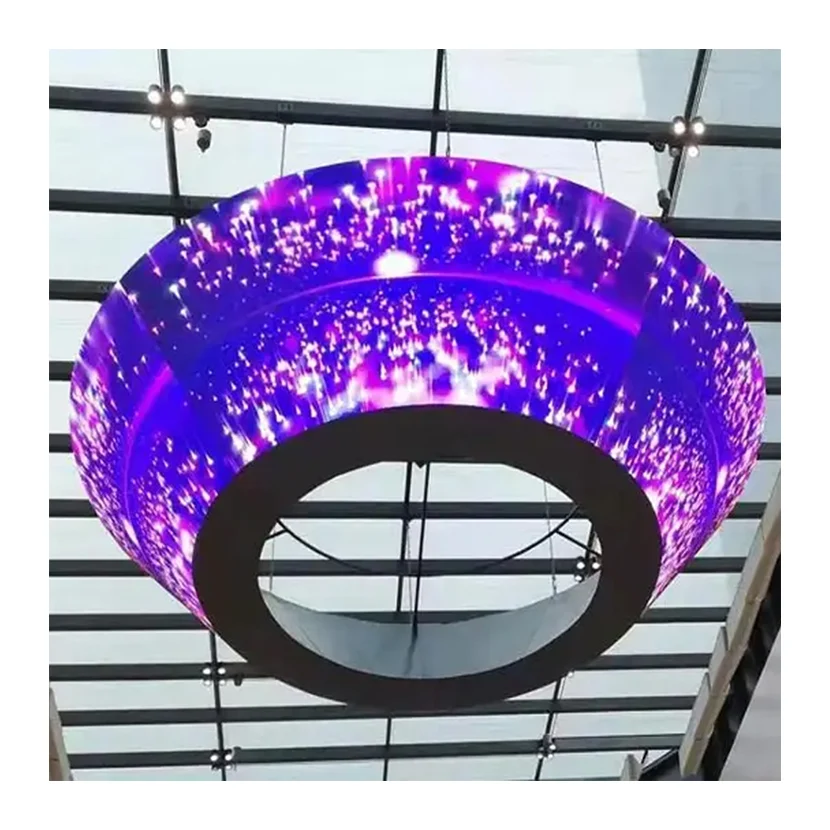
In today’s digital-first environment, LED display technology is no longer just about advertising—it has become a powerful medium for storytelling, architectural design, and immersive brand experiences. From universities to corporate headquarters and entertainment venues, creative LED displays are transforming how people interact with spaces.
This article explores 10 of the most creative LED display installations, showing how innovative design and engineering can turn ordinary environments into unforgettable visual experiences.
Before diving into the examples, it’s important to understand why creative LED displays are so impactful:
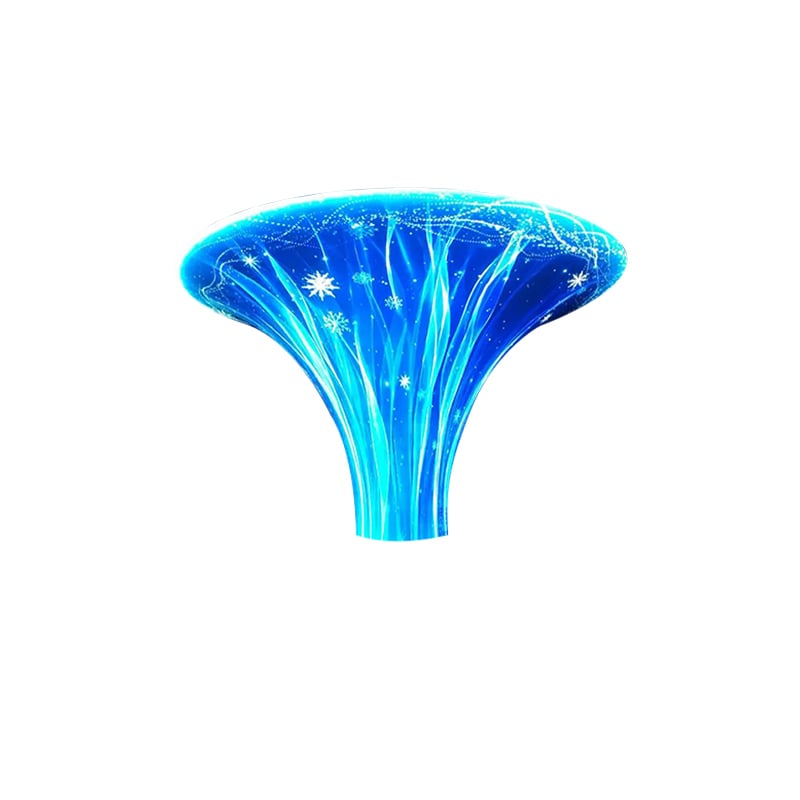
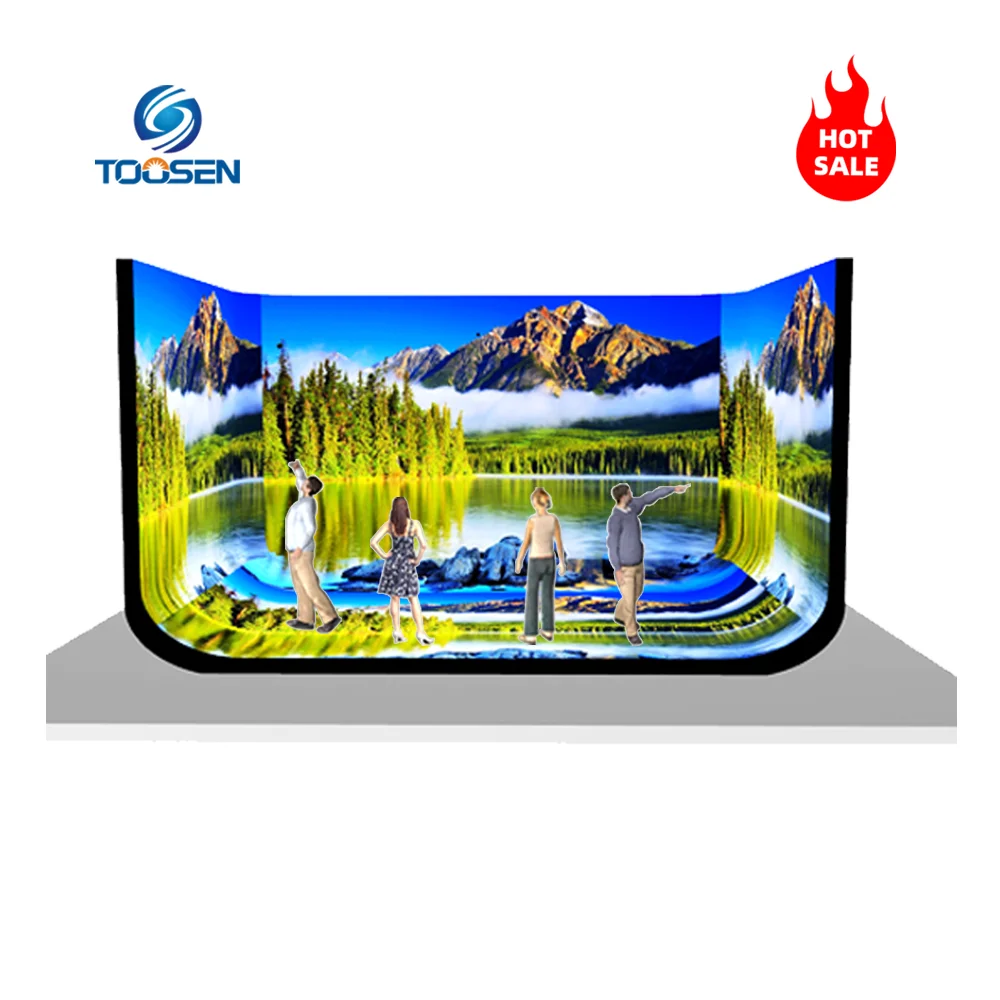
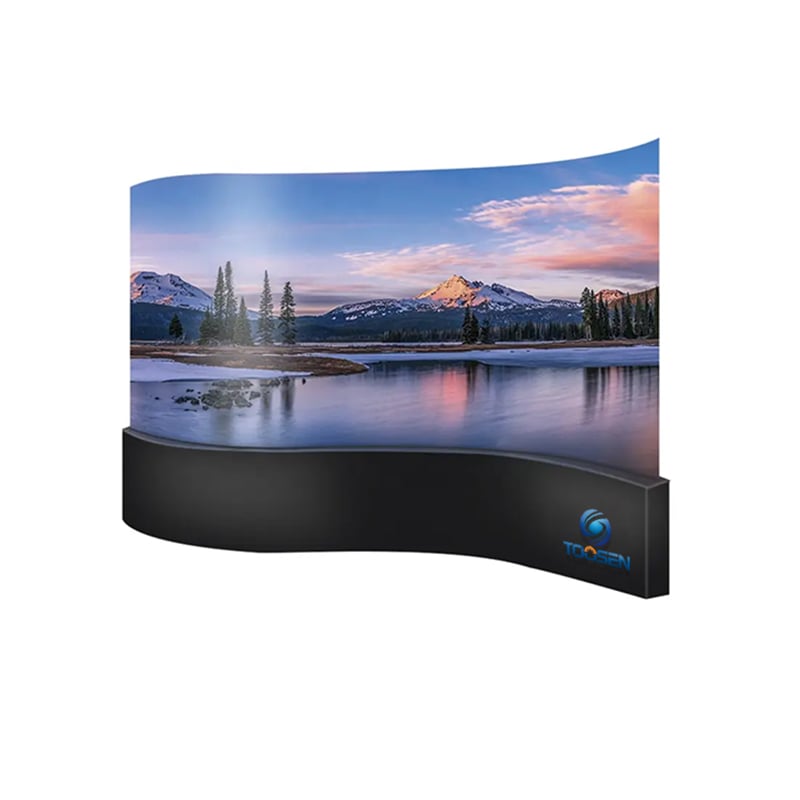
Unlike traditional flat screens, creative LED installations often feature custom shapes, angles, and interactive elements that push the boundaries of design.
One of the most iconic examples is the immersive LED installation at Baylor University’s welcome center.
This installation turns a simple entrance space into a fully immersive storytelling environment, reinforcing the university’s identity and values.
Hudson Yards showcases how LED displays can elevate corporate environments.
This setup transforms a standard workspace into a dynamic digital hub for communication and innovation.
This museum installation demonstrates how LED technology adapts to complex architecture.
The result is a visually stunning centerpiece that blends seamlessly with the building’s architecture.
This creative installation solves a unique challenge: balancing digital media with ocean views.
During the day, passengers enjoy natural ocean views; at night, the space becomes a digital entertainment venue.
Broadcast environments demand precision—and this installation delivers it.
It creates a high-tech studio environment that enhances viewer engagement and production quality.
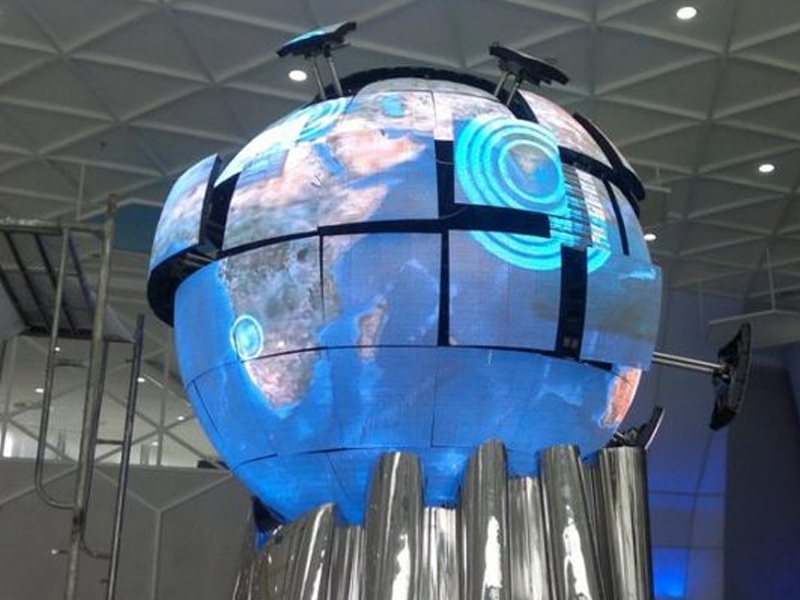
This installation combines architecture and LED engineering.
It creates a fully immersive visual experience that wraps around viewers.
A highly experimental design featuring motion-based LED panels.
This installation demonstrates how LED displays can become kinetic art pieces.
This project turns a corporate lobby into a digital art experience.
It creates an interactive experience where visuals evolve as visitors walk through the space.
This installation extends digital media into architecture.
It functions both as a visual landmark and a lighting system for the building.
A second Hudson Yards installation highlights the scale of innovation in corporate environments.
This creates a fully immersive arrival experience for visitors.
Across all 10 examples, several clear trends emerge:
LED displays are no longer separate objects—they are built into walls, ceilings, and structures.
360-degree rooms, domes, and curved installations are becoming more common.
Touchscreens and motion-responsive displays enhance engagement.
Designs now include spirals, ribbons, vertical columns, and irregular geometries.
The goal is no longer just visibility—it is emotional impact and storytelling.
Creative LED displays represent the future of digital communication. As seen in these 10 examples, the most successful installations go far beyond traditional screens. They merge architecture, storytelling, and technology into a single immersive experience.
Whether in universities, corporate offices, museums, or entertainment venues, LED displays are redefining how spaces are experienced.
 EN
EN
 AR
AR
 BG
BG
 HR
HR
 CS
CS
 DA
DA
 NL
NL
 FI
FI
 FR
FR
 DE
DE
 EL
EL
 HI
HI
 IT
IT
 JA
JA
 KO
KO
 NO
NO
 PL
PL
 PT
PT
 RO
RO
 RU
RU
 ES
ES
 SV
SV
 TL
TL
 ID
ID
 SR
SR
 UK
UK
 VI
VI
 ET
ET
 HU
HU
 TH
TH
 TR
TR
 FA
FA
 AF
AF
 MS
MS
 GA
GA
 HY
HY
 AZ
AZ
 MN
MN
 UZ
UZ