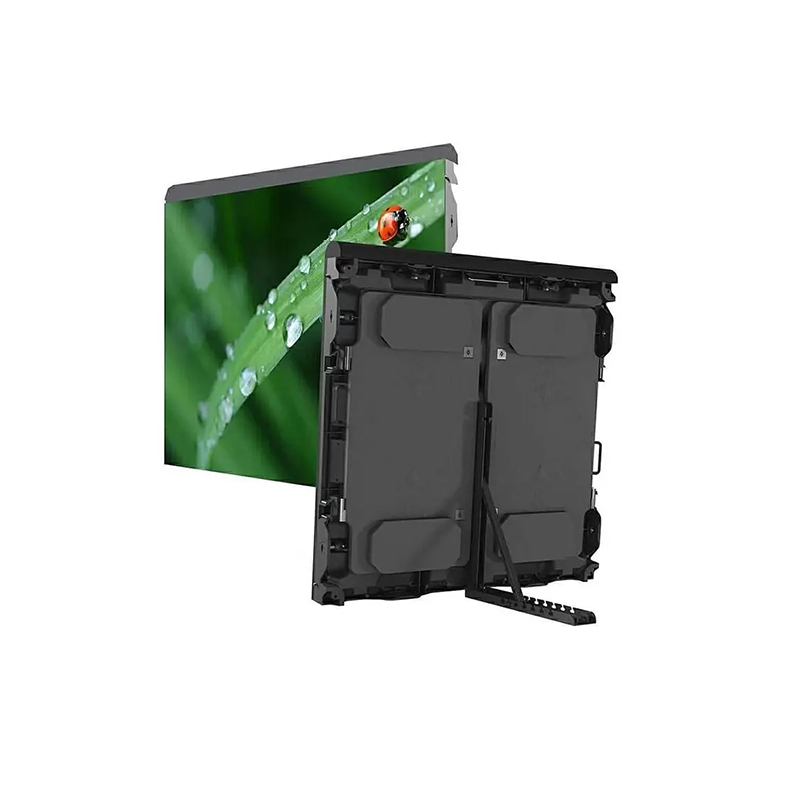
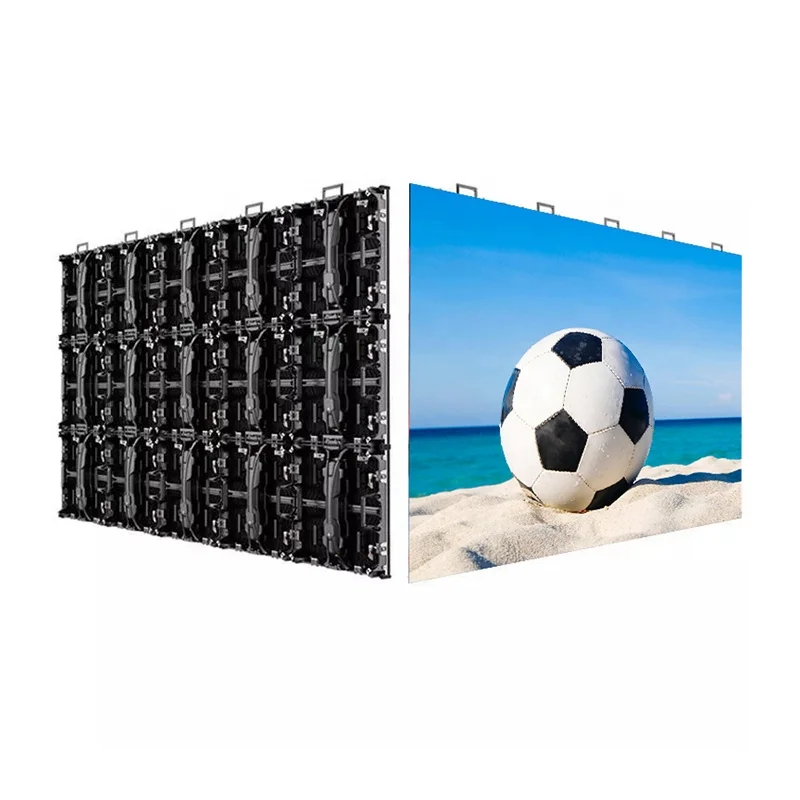
Most people think LED display screens are optical systems. In reality, they are thermal systems with light output.
If you fail to manage heat, everything else fails.
Where the Energy Goes
LEDs are not perfectly efficient.
- Only a portion becomes visible light
- The rest turns into heat
In large displays:
- Heat accumulates quickly
- Thermal hotspots form
Why Heat Is Dangerous
Excess heat causes:
- Brightness decay
- Color shift
- Driver IC failure
- Solder fatigue
Over time, this leads to:
- Dead pixels
- Uneven panels
- Expensive maintenance
Passive vs Active Cooling
Passive Cooling
- Heat sinks
- Aluminum structures
- Natural airflow
Active Cooling
- Fans
- Air conditioning
- Liquid cooling (rare but growing)
Passive systems are preferred because they:
- Reduce failure points
- Lower maintenance
The Cost Tradeoff
Engineers must balance:
- Larger heat sinks (higher cost)
- Lower driving current (lower brightness)
In many cases:
Reducing power is more efficient than increasing cooling capacity
Thermal Design Strategy
Best practice includes:
- Lower current operation
- Efficient PCB layout
- Heat-dissipating materials
- Smart module spacing
Conclusion
Thermal design is not optional—it’s the limiting factor.
If you control heat, you control:
- Lifespan
- Reliability
- Total cost

 EN
EN
 AR
AR
 BG
BG
 HR
HR
 CS
CS
 DA
DA
 NL
NL
 FI
FI
 FR
FR
 DE
DE
 EL
EL
 HI
HI
 IT
IT
 JA
JA
 KO
KO
 NO
NO
 PL
PL
 PT
PT
 RO
RO
 RU
RU
 ES
ES
 SV
SV
 TL
TL
 ID
ID
 SR
SR
 UK
UK
 VI
VI
 ET
ET
 HU
HU
 TH
TH
 TR
TR
 FA
FA
 AF
AF
 MS
MS
 GA
GA
 HY
HY
 AZ
AZ
 MN
MN
 UZ
UZ