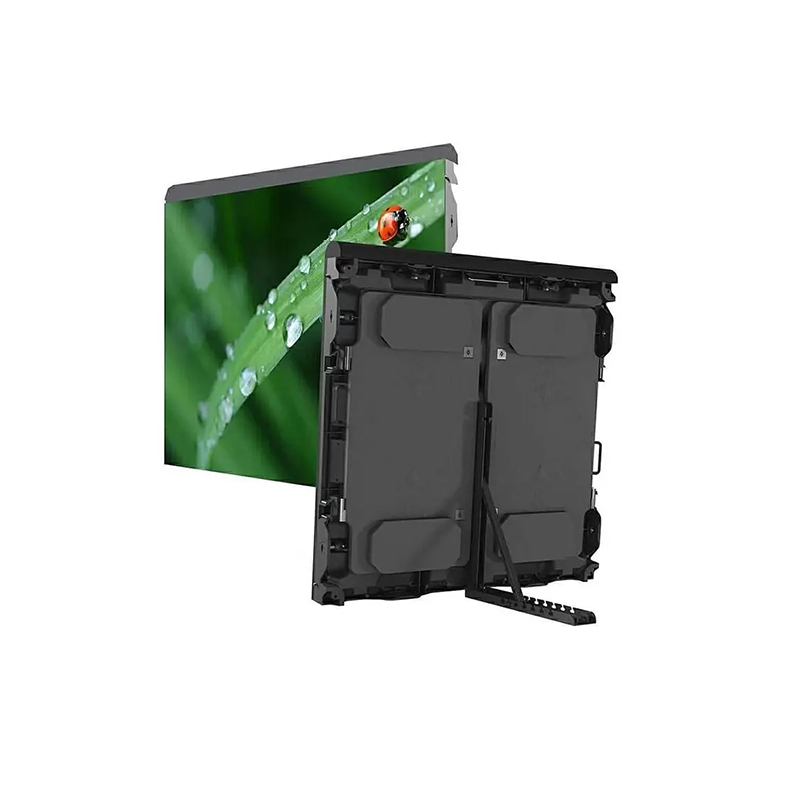
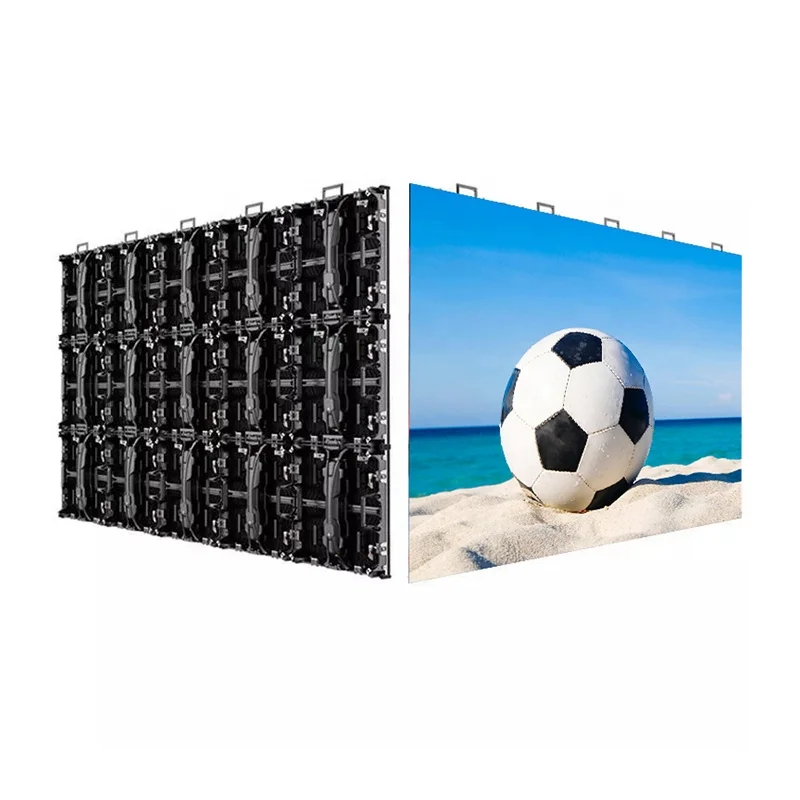
Å installere en LED-skjerm å installere systemet riktig handler ikke bare om å få det til å fungere — det handler om å sikre langvarig stabilitet, sikkerhet og enkel vedlikehold .
Denne veiledningen fører deg gjennom standardinstallasjonsarbeidsflyten , fra oppsett av konstruksjonen til endelig igangsetting, med klare, handlingsorienterte trinn.
1. Kjerneprinsipper for installasjon
Før du rører på noen hardware, følg disse grunnleggende reglene:
-
Installer først den strukturelle rammen , deretter monter alle komponenter
-
Slå alltid AV strømmen under installasjon —koble aldri kabler til mens de er strømførende
-
Separer strøm- og signalruting :
- Høy spenning (220 V AC)
- Lav spenning (5 V DC, Ethernet, flatkabler)
-
Fest alle komponenter godt på plass :
- Strømforsyninger
- Mottagerkort
- LED-moduler
-
La rom for varmeavledning —unngå tett stablet oppstilling
-
Hold ledningsføringen konsekvent (samme retning og rekkefølge) for enklere feilsøking
2. Strømforsyningsinstallasjon (kritisk trinn)
2.1 Montering
- Fest alle strømforsyninger på aluminiumsrammen eller bakpanelet
- Stram skruene godt for å forhindre vibrasjoner
Lastplanlegging
- Én strømforsyning bør vanligvis støtte:
- Overbelastning fører til:
- Svarte skjermer
- Spenningssvakkelser
- Brente strømenheter
Varmebehandling
- Forlate avstander mellom strømforsyningene
- Stabel dem aldri stramt sammen
2.2 Kablingsstandarder
AC-inngang (220 V)
- Koble riktig til:
- L (Fase)
- N (Null)
-
PE (Jord) →obligatorisk
Jording er påkrevd:
- Forhindrer elektrisk lekkasje
- Reduserer statisk forstyrrelse
Kraftfordeling
- Bruk separerte kretser for store skjermer
- Installere automatbrytere (MCB) for sikker vedlikehold
DC-utgang (5 V)
- Rød ledning = +5 V
- Svart ledning = GND
Ikke bytt polaritet:
- Umiddelbar skade på moduler og mottakerkort
Kabelstørrelse
- Bruk tykkere kabler for distribusjon av strøm
- Forebygg spenningsfall → unngår svak eller ujevn lysstyrke
3. Installasjon av LED-modul
3.1 Fysisk montering
- Juster moduler:
- Frontorientert
- Jevne mellomrom
- Ingen høydeforskjeller
- Fest ved hjelp av:
- Magnetiske monteringsholder (innenfor)
- Skruer (utendørs for ekstra sikkerhet)
Trykk aldri direkte på LED-overflaten—dette kan skade LED-ene eller innekapslingen.
3,2 mm båndkabeltilkobling
- Bruk flate båndkabler med kodete tilkoblingskontakter
- Plasser korrekt—tvang ikke innstikkingen
Regel for signalflyt:
Utgang fra forrige modul → Inngang til neste modul
- Behold konsekvent retning (f.eks. alle kabler peker mot høyre eller nedover)
Kabeladministrering
- Unngå:
- Skarpe svinger
- For sterkt trekk
- Samle lange kabler pent sammen
4. Installasjon av kontrollsystem
(Sende-kort + Mottaker-kort + HUB-kort)
4.1 Hardwareoppsett
Mottaker-kort
- Monter på bakpanelet eller rammen , med luftstrømrom
- Koblingsrekkefølge:
- Koble til 5 V strøm
- Koble til HUB-kort (båndkabel)
- Koble til Ethernet-kabel
HUB-kort
- Koble direkte til mottakerkortets pinner
- Sikre:
- Fast innstikking
- Ingen bøyde pinner
- Koble deretter til LED-moduler ved hjelp av korte båndkabler
Sendende kort
-
Synkront system :
- Installer i PC-/industriell datamaskin via PCIe
-
Asynkront system :
- Bruk selvstendig kontroller (ingen separat senderkort nødvendig)
4.2 Signaltilkoblinger
- Koble til:
- Senderkort → Mottakerkort (via Ethernet)
Kabelkrav
- Bruk ren-kopper-Ethernet-kabler
- For lange avstander:
- Cat5e eller Cat6 anbefales
Kaskadeordning
- Koble til mottakerkort i riktig skjermsekvens
- Feil rekkefølge fører til:
- Svarte områder
- Blinking
- Ujustert visning
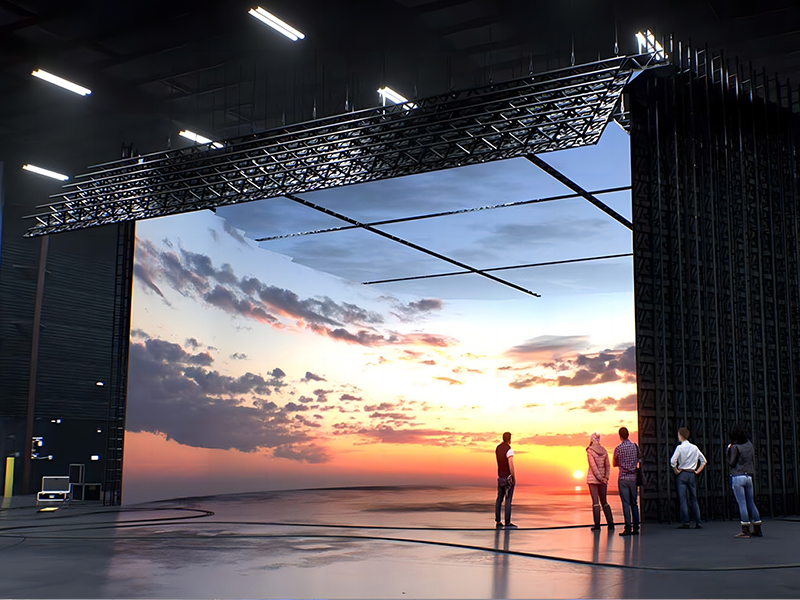
5. Oppstart- og igangsettingsserie (må følges)
Ikke hopp over trinn. Denne sekvensen forhindrer skade og akselererer feilsøking.
Trinn 1: Endelig inspeksjon
- Sjekk:
- Polaritet (5 V + / –)
- Ribbonkabelretning
- Ethernet-tilkoblinger
Trinn 2: Slå på strømmen
- Slå på 220 V hovedstrøm
- Bekreft at strømforsyningsindikatorlysene er på
Steg 3: Sjekk mottakerkortets status
-
Grønn LED AV / fast lysskinn → Ingen signal
- Sjekk senderkort, kabler og konfigurasjon
-
Grønn LED blinker → Signal OK
Steg 4: Programvarekonfigurasjon
- Åpne kontrollprogramvaren
- Last:
- Skjermparame tre
- Skann konfigurasjon
- Send program til skjermen
Steg 5: Funksjonell testing
Kjør testmønstre:
- Fullskjerm PÅ/AV
- Ensfargede områder:
Se etter:
- Døde piksler
- Dimmede områder
- Flimmer eller støy
6. Vanlige feil som bør unngås
Unngå disse hyppige feilene – de forårsaker de fleste feltfeilene:
Omvendt strømpolaritet
- Resultat: Umiddelbar skade på maskinvaren
Ujusterte eller reverserte båndkabler
- Resultatet:
- Hele modulen lyser ikke
- Uleselig display
Strømforsyningsoverlast
- Resultatet:
- Lavere deler er svake
- Systemustabilitet eller omstart
Feil Ethernet-kabling / rekkefølge for kaskade
- Resultatet:
- Delvis displayfeil
- Signaltap
Manglende jordforbindelse
- Resultatet:
- Statisk interferens
- Flikkering eller støyartefakter
Konklusjon
Et pålitelig LED-displayssystem avhenger av disiplinerte installasjonsrutiner .
Hvis du følger denne strukturerte arbeidsflyten:
Ramme → Strøm → Moduler → Kontroll → Signal → Testing
…vil du betydelig redusere feilrater og forenkle fremtidig vedlikehold.

 EN
EN
 AR
AR
 BG
BG HR
HR
 CS
CS
 DA
DA
 NL
NL
 FI
FI FR
FR
 DE
DE EL
EL
 HI
HI
 IT
IT JA
JA
 KO
KO
 NO
NO PL
PL PT
PT RO
RO
 RU
RU
 ES
ES
 SV
SV
 TL
TL
 ID
ID
 SR
SR
 UK
UK VI
VI
 ET
ET
 HU
HU
 TH
TH
 TR
TR
 FA
FA
 AF
AF
 MS
MS
 GA
GA
 HY
HY
 AZ
AZ
 MN
MN
 UZ
UZ