Home > News > Industry News
Choosing the right LED screen setup for a bar or nightclub depends on several practical factors—viewing distance, installation position, content style, and environmental conditions. Unlike office environments, clubs are dynamic and unpredictable. People move constantly, lighting changes rapidly, drinks spill, and screens must handle fast-moving visuals like sports, DJ content, and live effects.
Below are the most widely used LED screen configurations in bars and clubs, along with how they function in real-world scenarios.
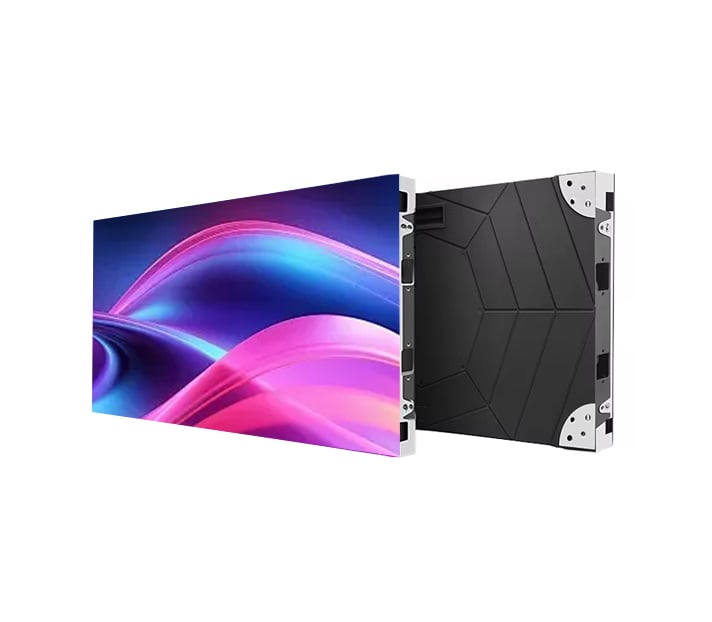
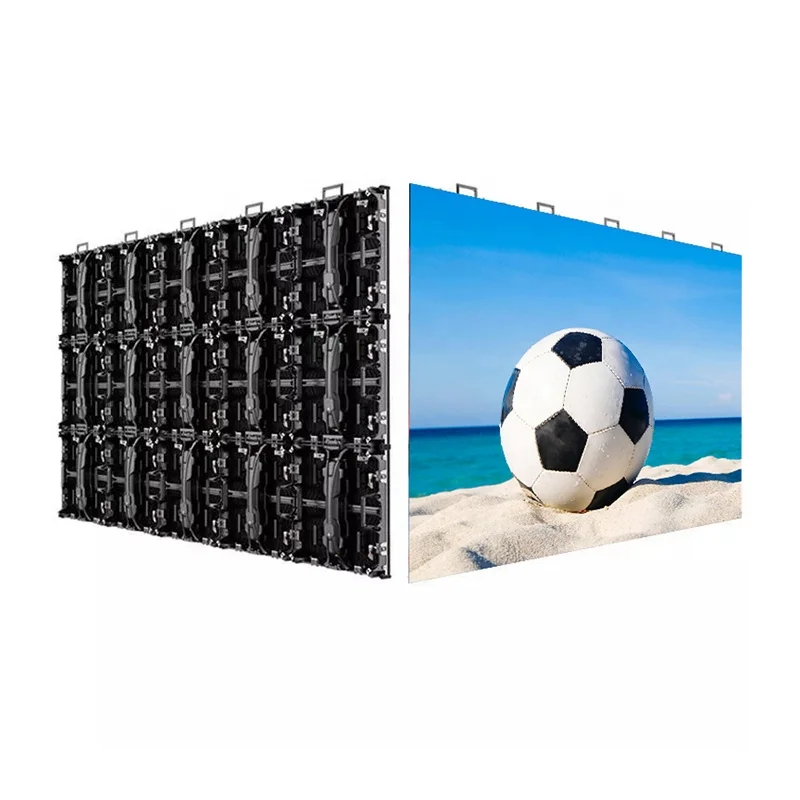
Indoor LED video walls work best for main feature walls, sports viewing zones, VIP rooms, and back-bar displays. They provide seamless visuals and scale easily for larger spaces. If you are evaluating options, it helps to understand pixel pitch, brightness levels, and optimal viewing distance before making a decision.
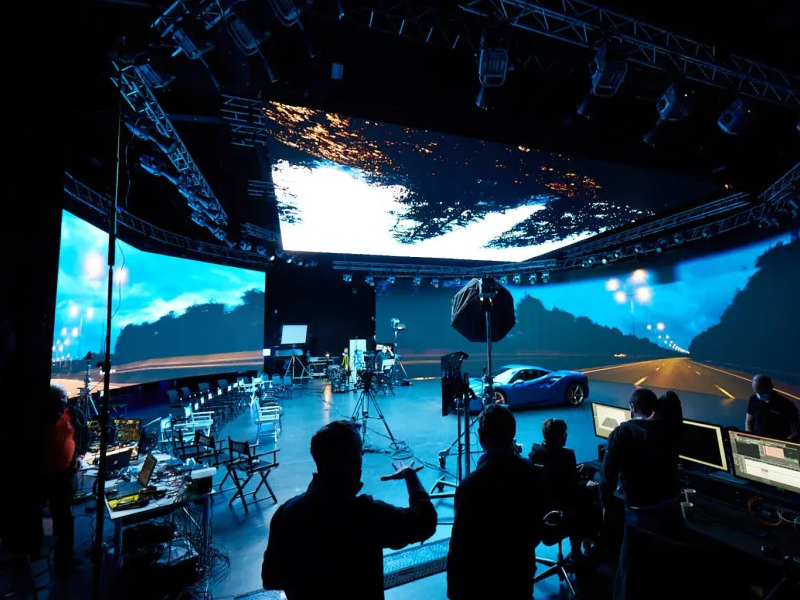
Stage LED screens sit behind DJs, performers, or hosts, and they often become the visual centerpiece of the venue. These displays sync with lighting systems and music, showing VJ loops, branding, event themes, and motion graphics that elevate the performance atmosphere.
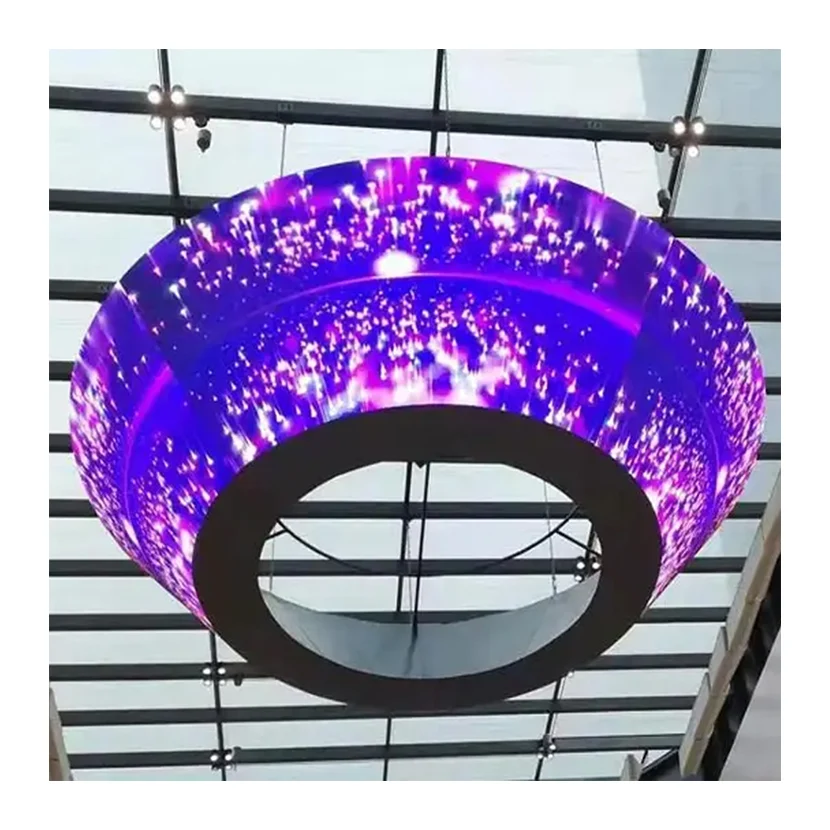
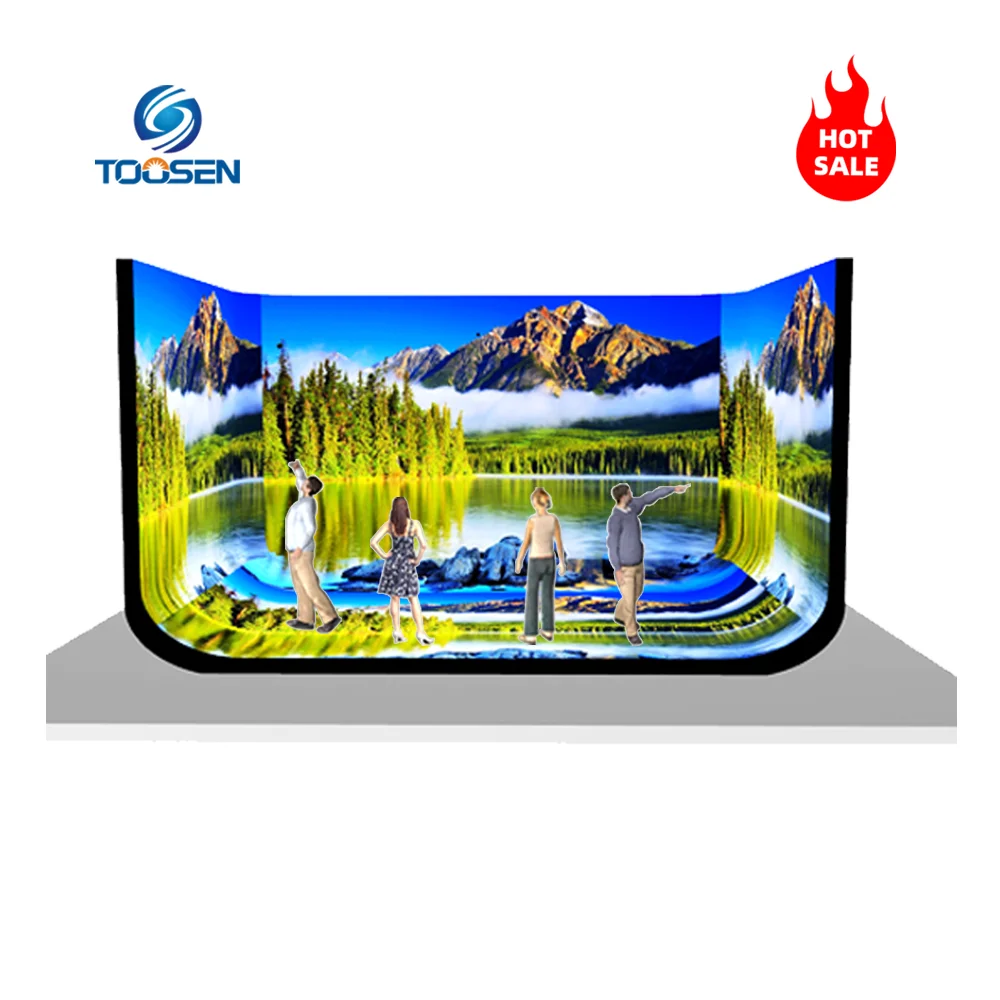
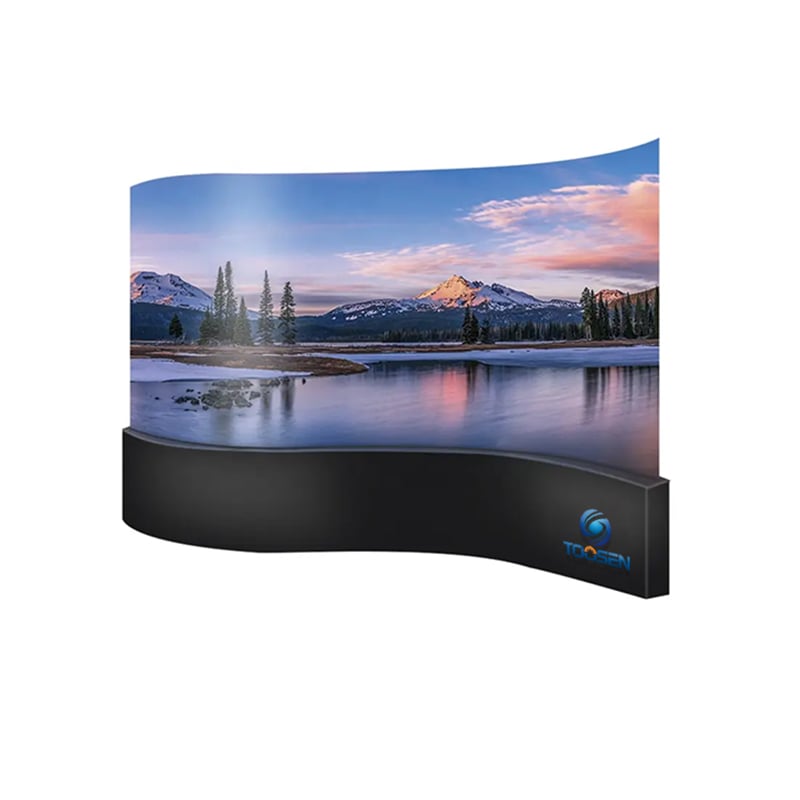
Flexible LED panels allow installations on curved walls, columns, and round bar structures. Designers use them to create immersive layouts that standard flat screens cannot achieve.
GOB (Glue-on-Board) LED screens offer extra protection, making them ideal for high-contact areas. They resist impact, moisture, and dust, which is critical in crowded bar environments where accidental contact is common.
Transparent LED screens are typically installed on glass walls, windows, or entrances. They display content while still allowing visibility through the surface, making them useful for storefront aesthetics and branding.
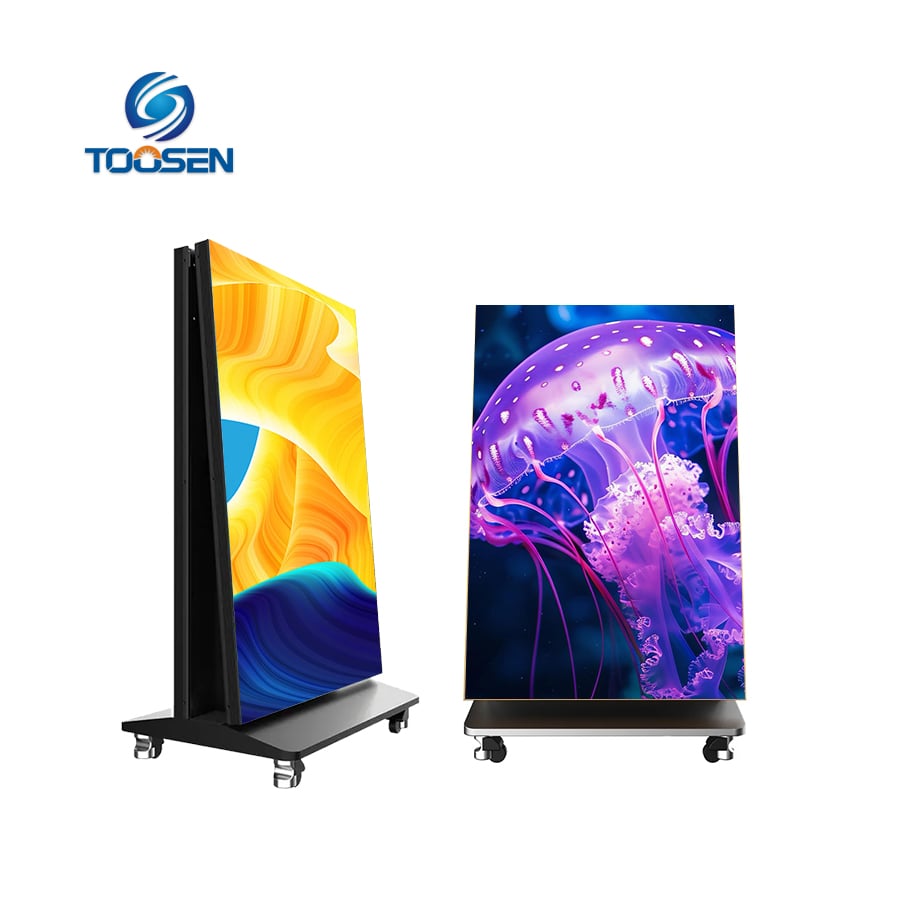
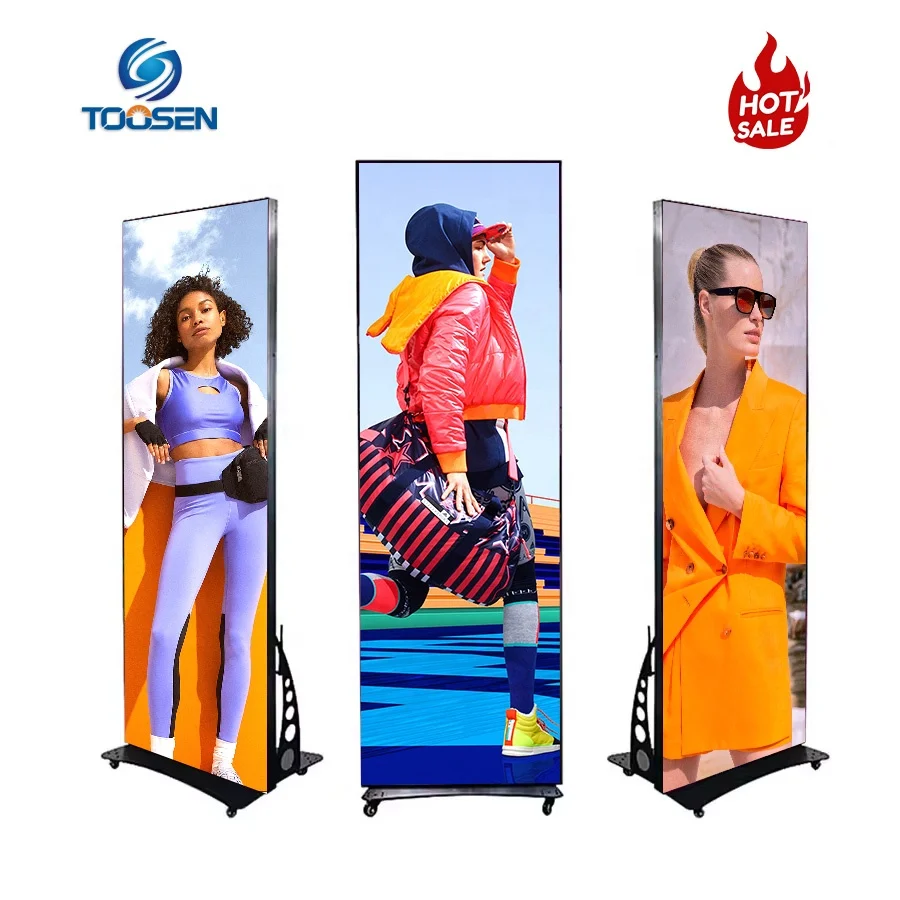
Poster LED displays function as digital signage. Venues place them at entrances or inside the space to promote events, drink specials, or brand messaging. Their mobility adds flexibility for changing campaigns.
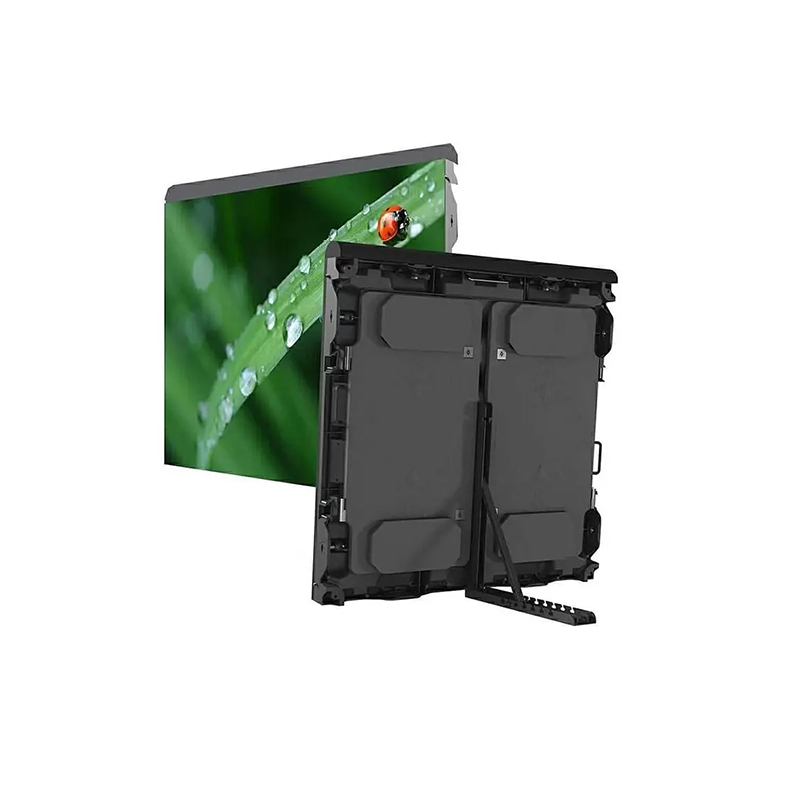
Outdoor LED displays serve as street-facing signage and exterior branding tools. They attract foot traffic and communicate promotions to passersby, even in bright daylight conditions.
In music-driven venues, the stage LED screen is often the most impactful investment. It transforms the DJ booth or stage into a fully immersive visual experience.
Instead of acting as a passive display, it actively supports the show by presenting:
Because club content moves quickly and changes frequently, performance specifications matter more than in typical hospitality settings. Refresh rate, contrast ratio, grayscale accuracy, and control system stability all directly affect visual quality.
The size and complexity of the venue determine how many LED zones you need.
When these zones operate cohesively, they create a strong and consistent visual identity, which enhances the overall customer experience.
A reliable LED screen for nightlife use should deliver high brightness, smooth visuals, durability, and easy control. Many buyers make the mistake of focusing only on size or price, while ignoring performance factors that impact daily operation.
Pixel pitch defines the distance between LED pixels, and it directly affects image clarity.
For indoor bars:
Choosing the wrong pitch leads to either unnecessary cost or poor image quality at close range.
Brightness should match the venue’s lighting conditions:
Refresh rate becomes critical when displaying:
For nightlife environments:
This is especially important because customers frequently record videos for platforms like TikTok or Instagram. A higher refresh rate reduces flicker and ensures smoother playback on camera.
Bars present challenging conditions:
Therefore, screens installed near walkways or counters should include:
For safety and compliance, always follow established electrical and installation standards, such as guidelines from the Occupational Safety and Health Administration.
An effective club LED setup is not just about installing screens—it’s about engineering a coordinated visual system. When you align screen type, pixel pitch, brightness, and layout with the venue’s real conditions, you create a space that feels immersive, dynamic, and commercially competitive.
If you want to go deeper, the next step is to map pixel pitch selection to exact viewing distances or calculate ROI based on customer dwell time and engagement.
 EN
EN
 AR
AR
 BG
BG
 HR
HR
 CS
CS
 DA
DA
 NL
NL
 FI
FI
 FR
FR
 DE
DE
 EL
EL
 HI
HI
 IT
IT
 JA
JA
 KO
KO
 NO
NO
 PL
PL
 PT
PT
 RO
RO
 RU
RU
 ES
ES
 SV
SV
 TL
TL
 ID
ID
 SR
SR
 UK
UK
 VI
VI
 ET
ET
 HU
HU
 TH
TH
 TR
TR
 FA
FA
 AF
AF
 MS
MS
 GA
GA
 HY
HY
 AZ
AZ
 MN
MN
 UZ
UZ