Home > News > Industry News
When businesses plan to purchase a custom LED screen, price is not the only concern. Lead time often becomes the deciding factor, especially for events, retail openings, exhibitions, or advertising campaigns with strict deadlines.
Some manufacturers advertise “shipment within 7 days.” While this sounds attractive, the reality can be more complex once a project begins. Custom LED displays involve engineering, manufacturing, testing, and logistics. Each stage requires time.
So how long does it actually take to receive a custom LED display? And what factors affect the delivery schedule? This guide explains the typical timeline and the key variables that influence it.
In most cases, delivery time depends on whether the screen is a standard product or a customized solution.
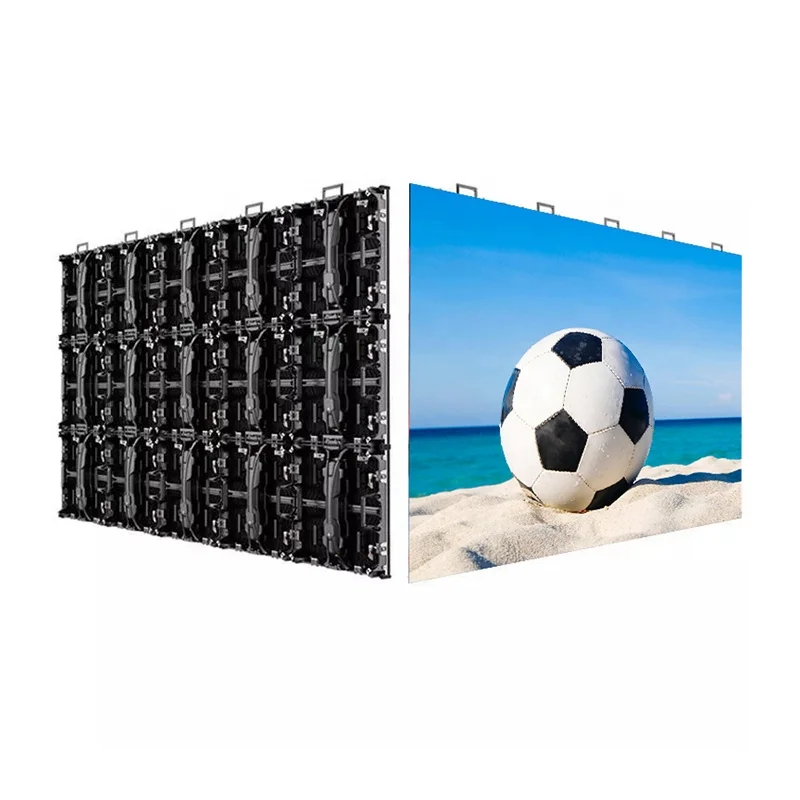
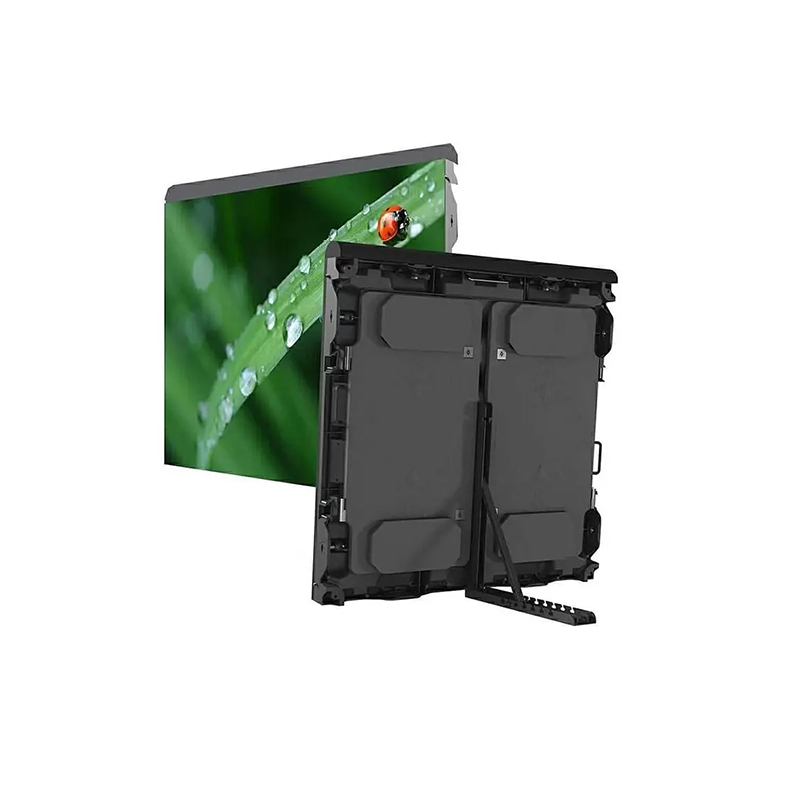
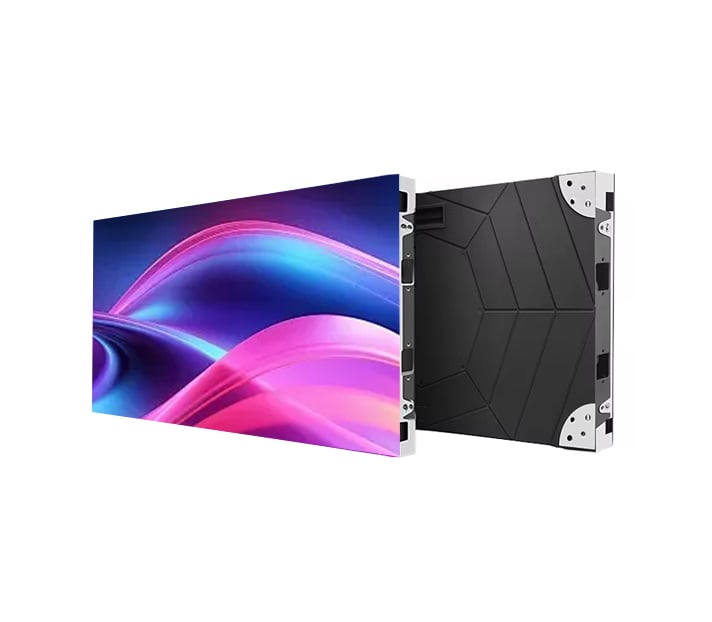
Standard LED screens with regular cabinets and common pixel pitches often ship faster because manufacturers keep these products in stock.
Small quantities or stocked models: 3–7 days
Standard LED displays: 7–15 working days
Large LED display projects: 15–30 days
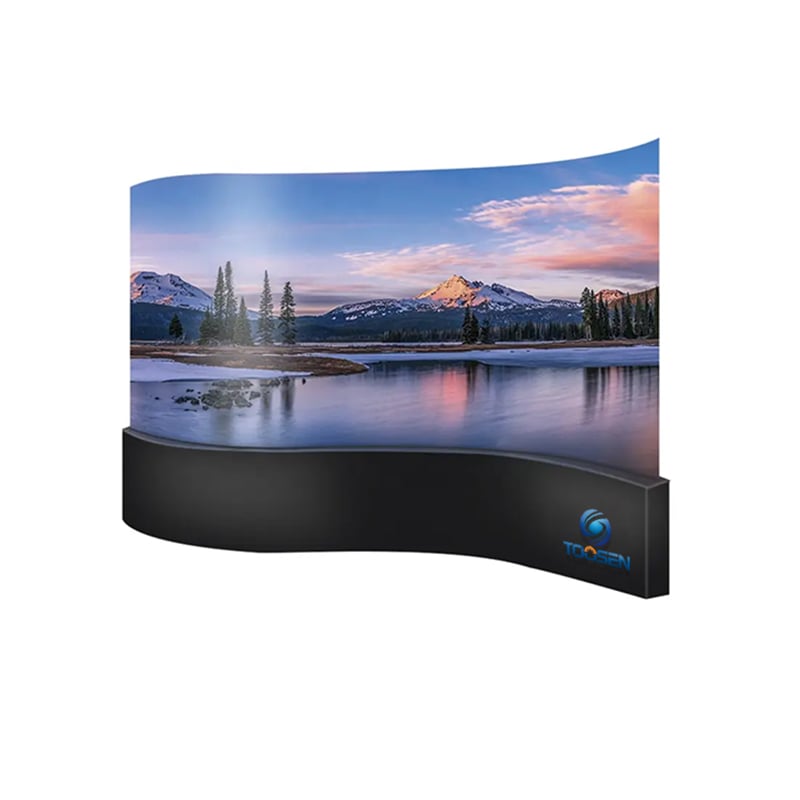
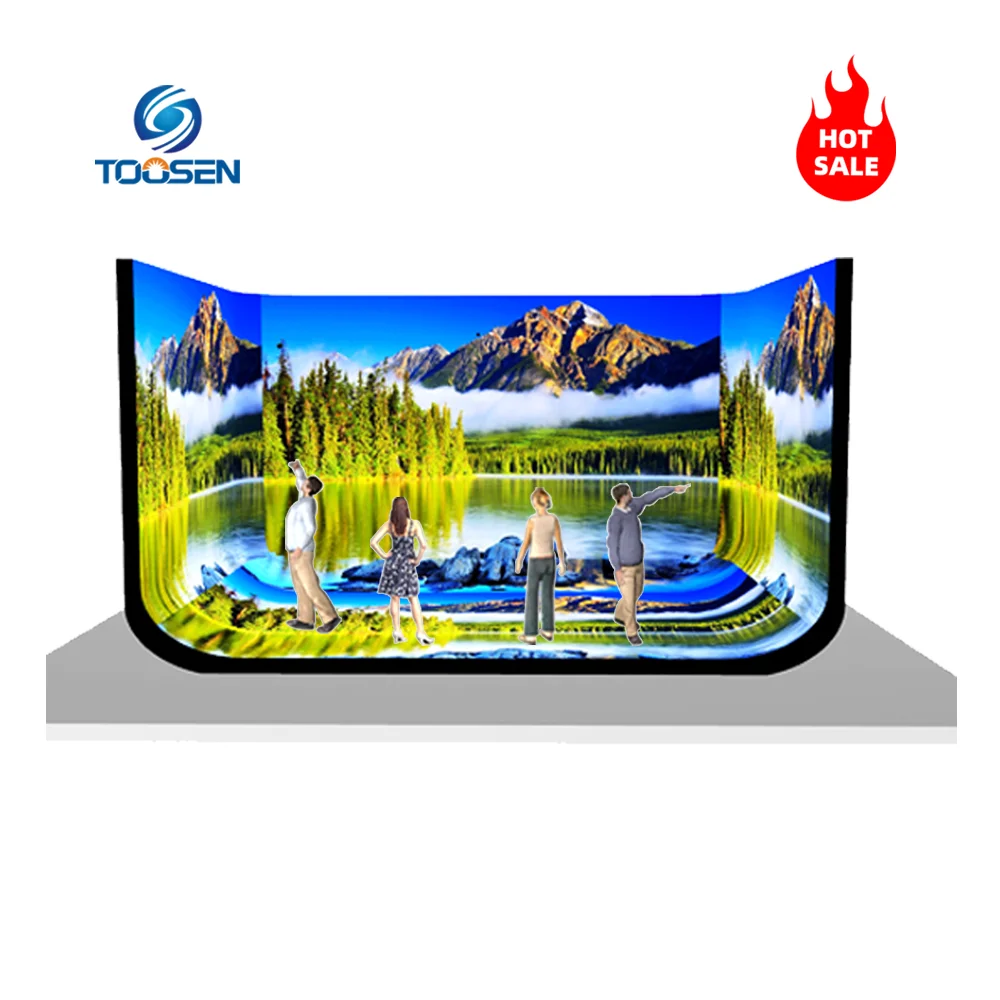
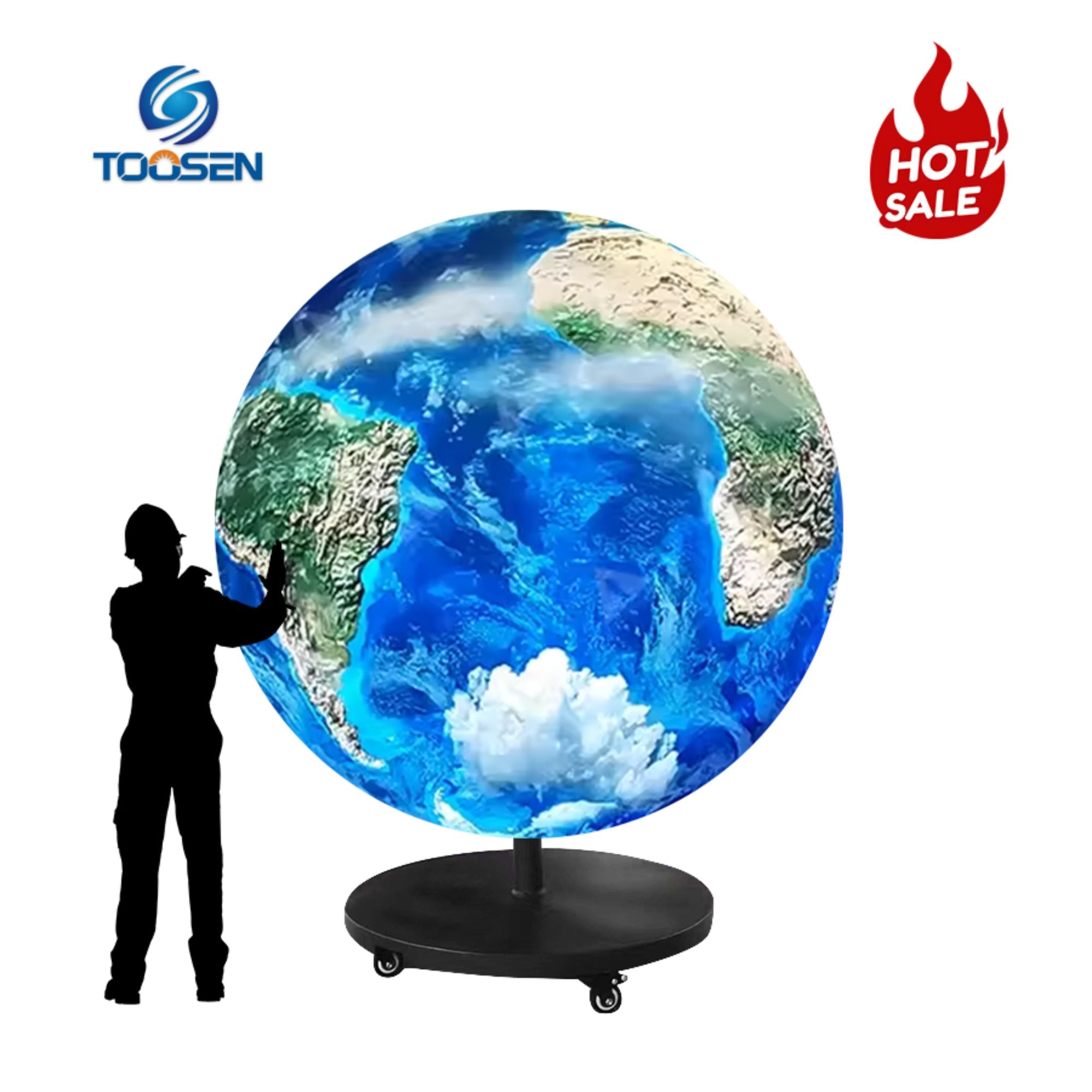
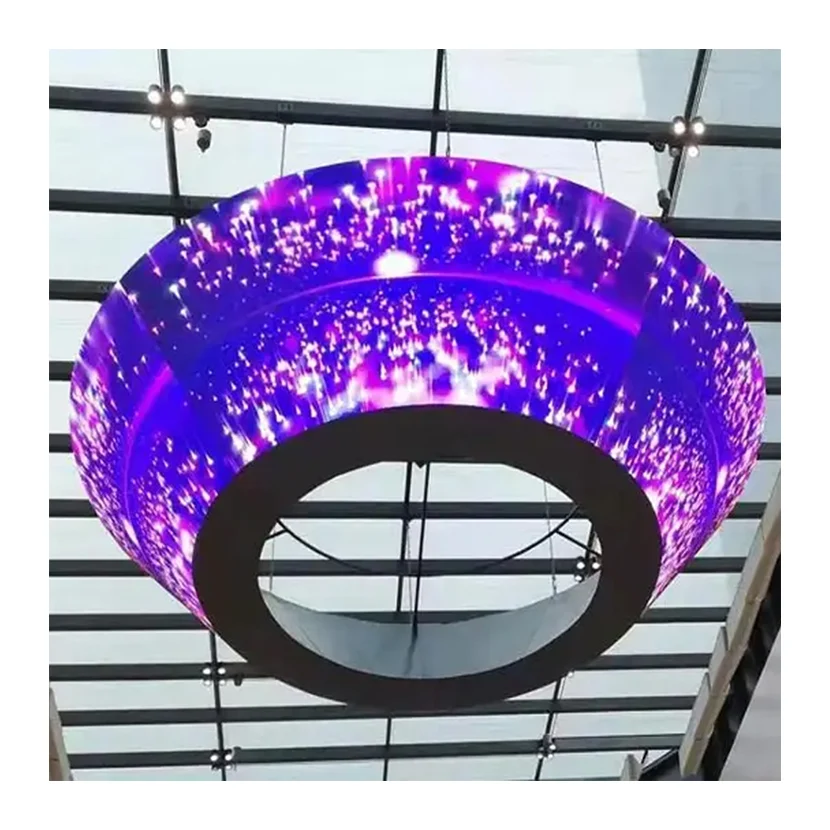
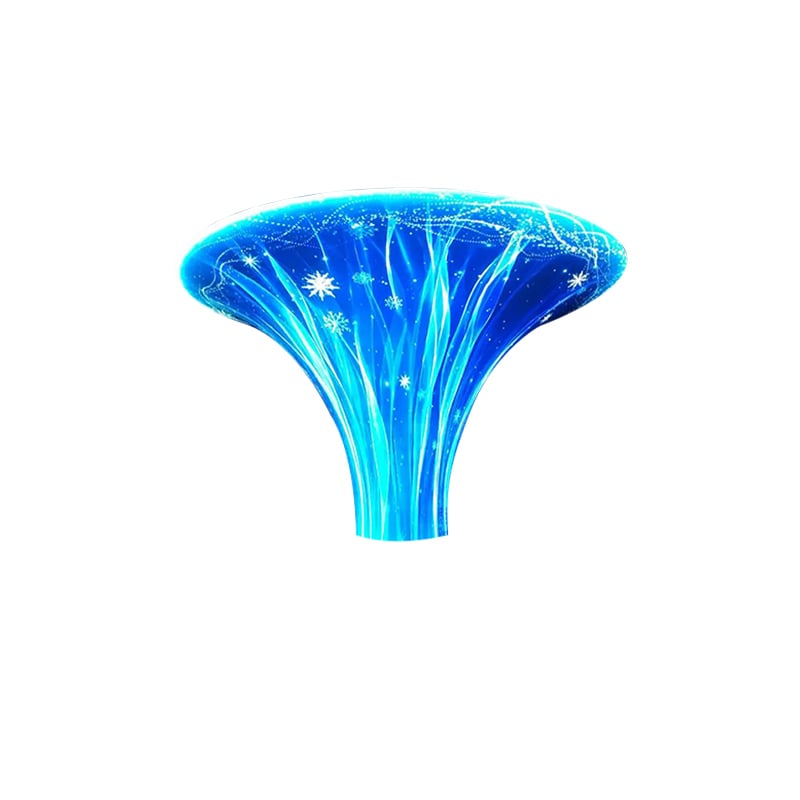
However, custom LED screens require more time. Curved screens, spherical displays, special-shaped screens, or large outdoor installations usually require additional engineering and production steps.
For these projects, the typical lead time is:
30 days or longer
This happens because custom LED displays are not off-the-shelf products. Instead, engineers must design and manufacture them specifically for each project. The process typically includes:
Structural design
Module production
Cabinet fabrication
Aging tests
System assembly
Factory quality inspection
Each stage ensures the screen performs reliably once installed.
Several variables determine how quickly a manufacturer can deliver your LED display.
Technical requirements significantly affect production time.
Important parameters include:
Pixel pitch (smaller pixel pitch requires higher precision manufacturing)
Screen size and resolution
Indoor vs. outdoor display
Outdoor LED screens often require waterproof structures, stronger cabinets, and additional protection layers. As a result, they typically take longer to manufacture than indoor screens.
In addition, custom dimensions or unusual shapes—such as curved or irregular displays—require structural adjustments and sometimes new molds, which increases the timeline.
Global supply chains have experienced fluctuations in recent years. Even large manufacturers can face component shortages.
Key LED display components include:
LED lamp beads
Driver ICs
Power supplies
Signal and power cables
If any of these parts become temporarily unavailable, the entire production schedule may shift. Reliable suppliers usually maintain stable component inventories to reduce delays.
For international projects, logistics plays a major role in the final delivery schedule.
Typical shipping timelines include:
Sea freight: 20–35 days
Air freight: 5–7 days (much more expensive)
For example, shipping a 40-foot container from China to the U.S. West Coast typically costs around $2,500–$4,000 by sea, while air freight may cost several times more.
Because of this, buyers must consider transportation time in addition to manufacturing time.
Factory workload also affects delivery speed.
During peak seasons—such as before large trade shows, holidays, or major events—LED display orders increase significantly. When production lines fill up, manufacturers schedule projects according to order time and project scale.
Large LED installations naturally require longer production cycles because they involve more modules, cabinets, and system integration work.
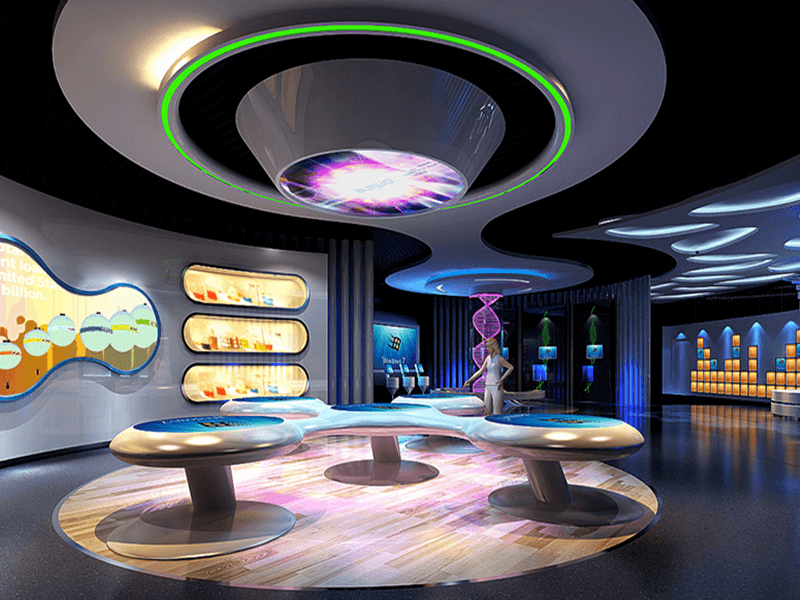
Some suppliers promote “7-day shipment” as a marketing strategy. In many cases, this promise only applies to stocked standard products, not custom LED displays.
Therefore, buyers should always confirm the delivery schedule in the official quotation or contract. If a supplier does not clearly specify the delivery date, it is wise to ask for clarification before placing the order.
Transparent scheduling often indicates a more reliable manufacturer.
Although production timelines depend on many factors, buyers can take several steps to speed up the process.
1. Finalize the design early
Frequent design revisions delay engineering and manufacturing. Confirm the screen size, shape, and installation method before production begins.
2. Arrange payment promptly
Most factories schedule production only after receiving the deposit. Faster payment allows the manufacturer to secure materials and reserve production capacity earlier.
3. Plan transportation in advance
For urgent projects, consider using air freight for small shipments or critical components while sending the rest by sea.
Custom LED screens offer tremendous creative flexibility for advertising, retail displays, exhibitions, and architectural installations. However, because these systems require design, engineering, and precision manufacturing, they also require reasonable production time.
In general:
Standard LED screens: 3–15 days
Large displays: 15–30 days
Custom LED screens: 30 days or more
By understanding the production process and planning ahead, buyers can avoid delays and ensure their LED display arrives on schedule.
1. Can a custom LED screen really be produced in 7 days?
In most cases, no. Seven-day shipment usually applies only to stocked standard models, not customized screens.
2. What type of LED screen takes the longest to manufacture?
Large outdoor displays and special-shaped LED screens typically require the longest production time because they involve structural design and complex assembly.
3. How can I ensure the delivery date is reliable?
Always request a written delivery schedule in the quotation or contract. Reliable manufacturers clearly specify production and shipment timelines.
 EN
EN
 AR
AR
 BG
BG
 HR
HR
 CS
CS
 DA
DA
 NL
NL
 FI
FI
 FR
FR
 DE
DE
 EL
EL
 HI
HI
 IT
IT
 JA
JA
 KO
KO
 NO
NO
 PL
PL
 PT
PT
 RO
RO
 RU
RU
 ES
ES
 SV
SV
 TL
TL
 ID
ID
 SR
SR
 UK
UK
 VI
VI
 ET
ET
 HU
HU
 TH
TH
 TR
TR
 FA
FA
 AF
AF
 MS
MS
 GA
GA
 HY
HY
 AZ
AZ
 MN
MN
 UZ
UZ