Home > News > Industry News
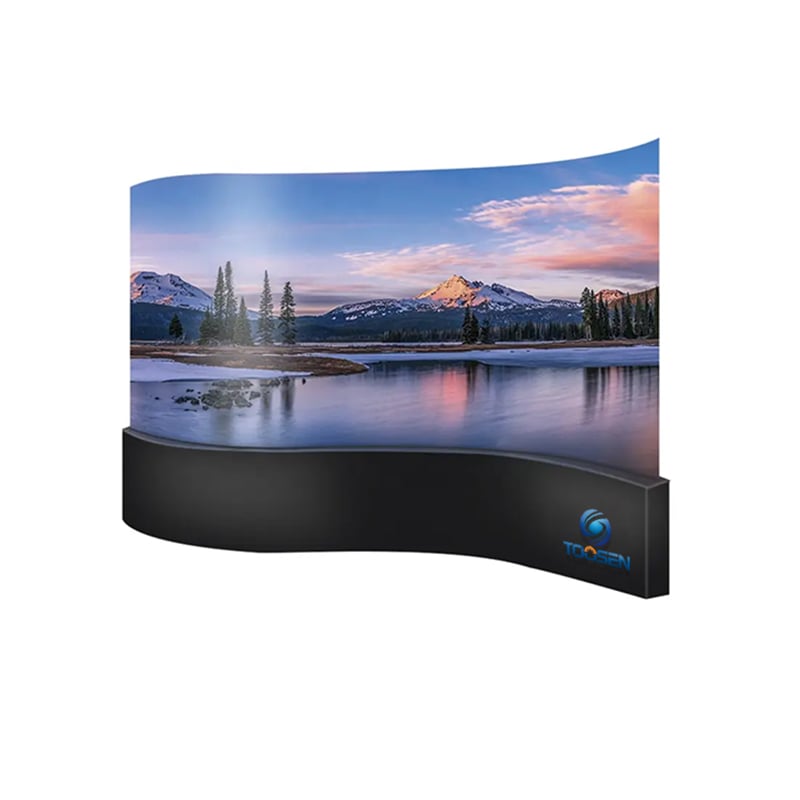
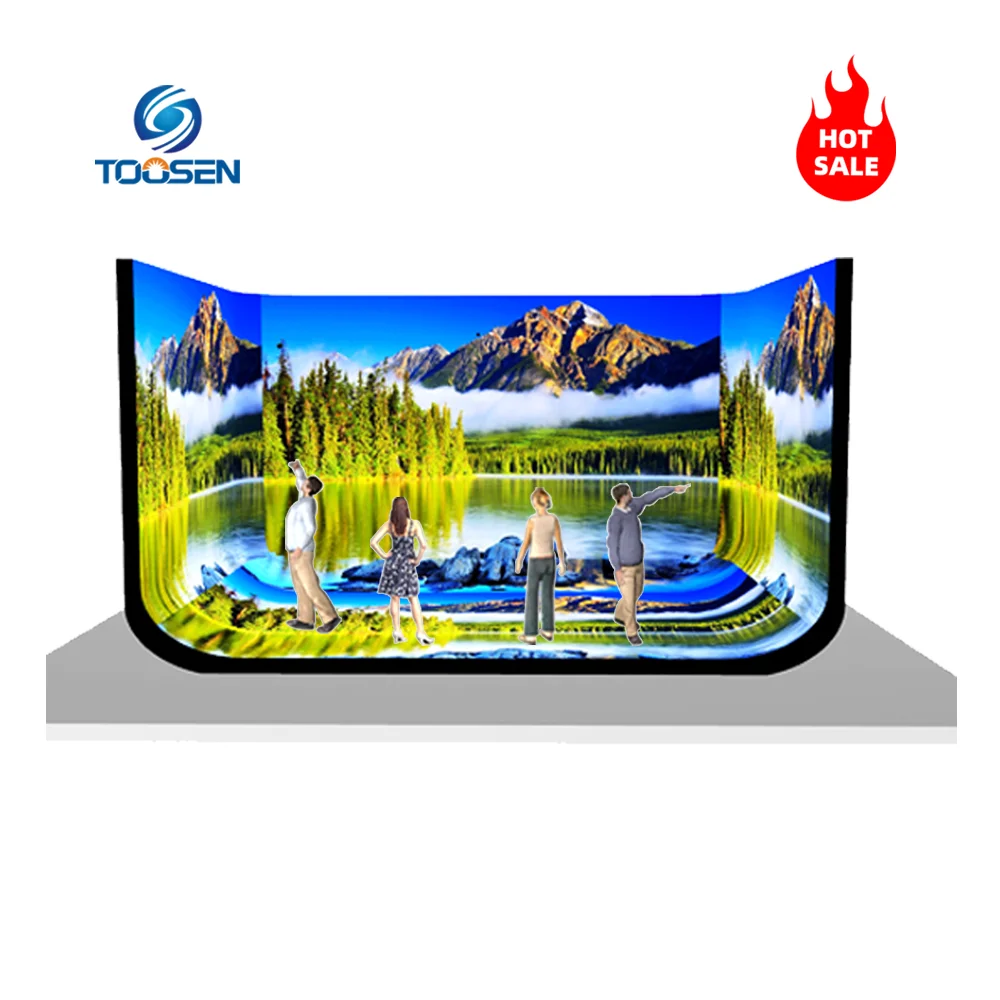
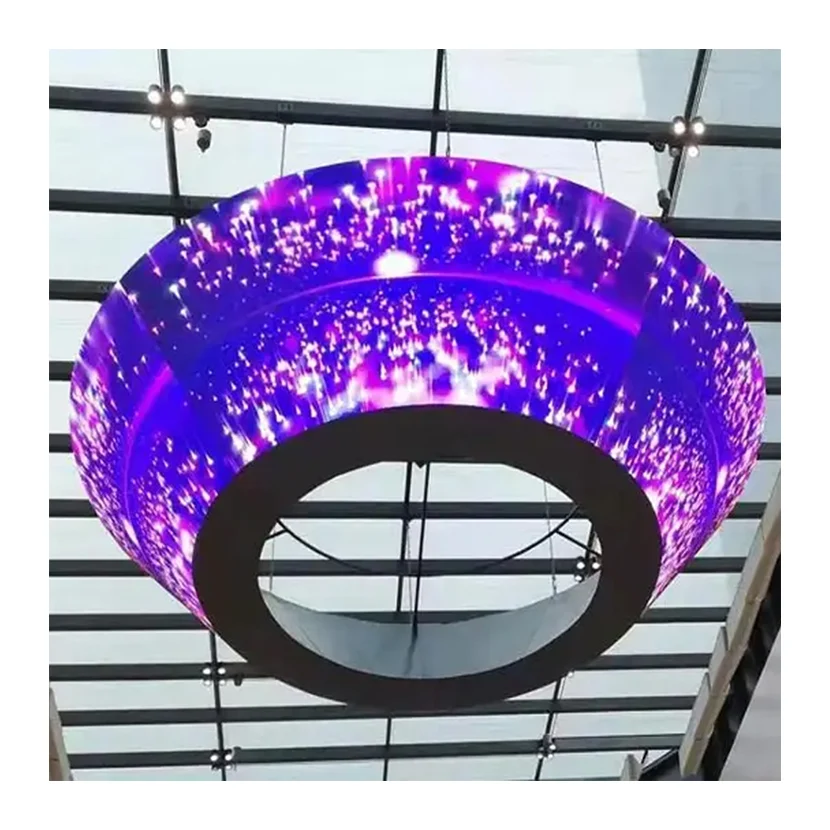
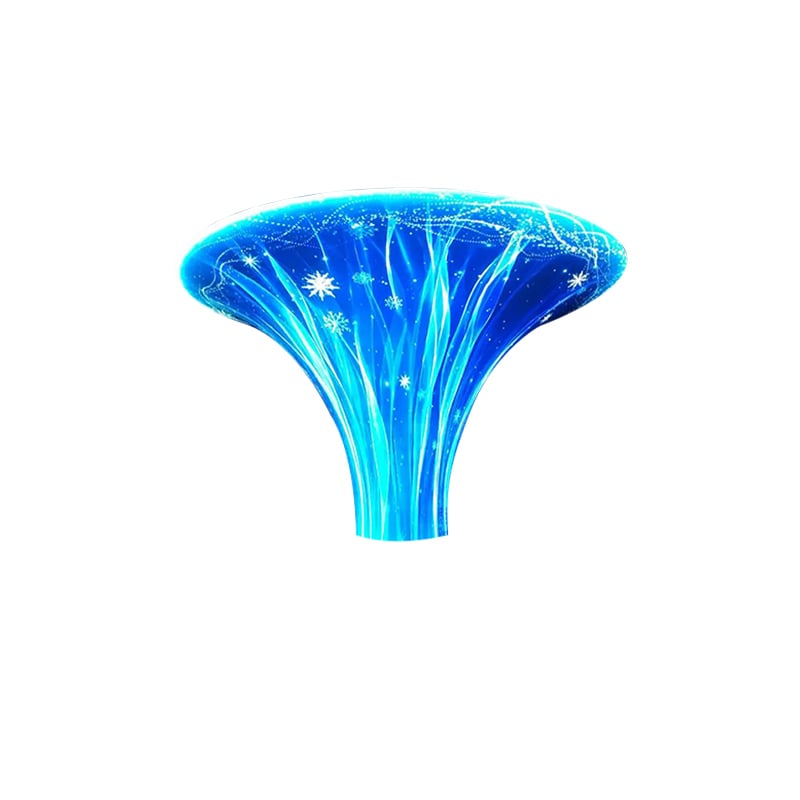
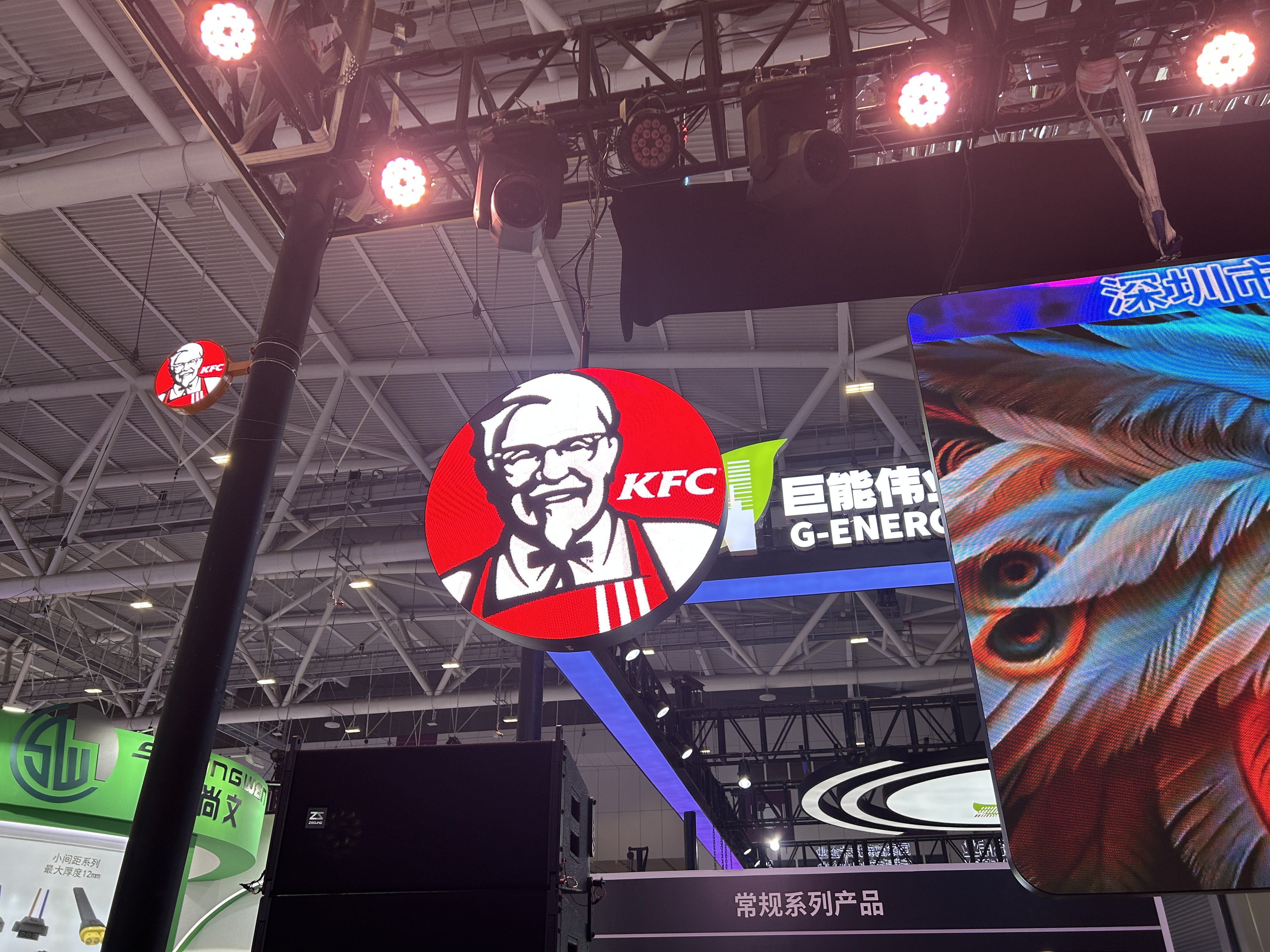
Circular LED displays are becoming more popular in retail stores, exhibition halls, museums, and digital art installations. Their smooth curves and immersive visuals attract attention and create a strong visual identity. However, building a reliable circular LED screen requires more than creative design. The internal structure, especially the PCB type, plays a critical role.
When engineers design a ring-shaped or curved LED display, they usually choose between flexible PCB and standard rigid PCB. Each option offers different advantages in terms of bending ability, dead pixel rate, and maintenance cost. For high-density displays between P1.5 and P2.5, the choice becomes even more important.
This article explains the key differences and helps you select the best solution for your circular LED project.
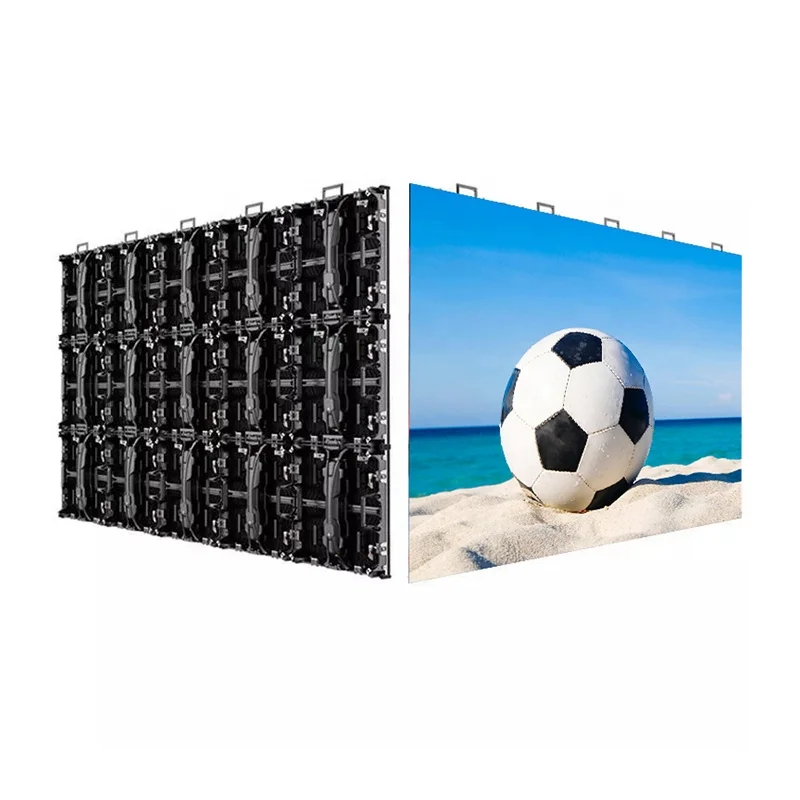
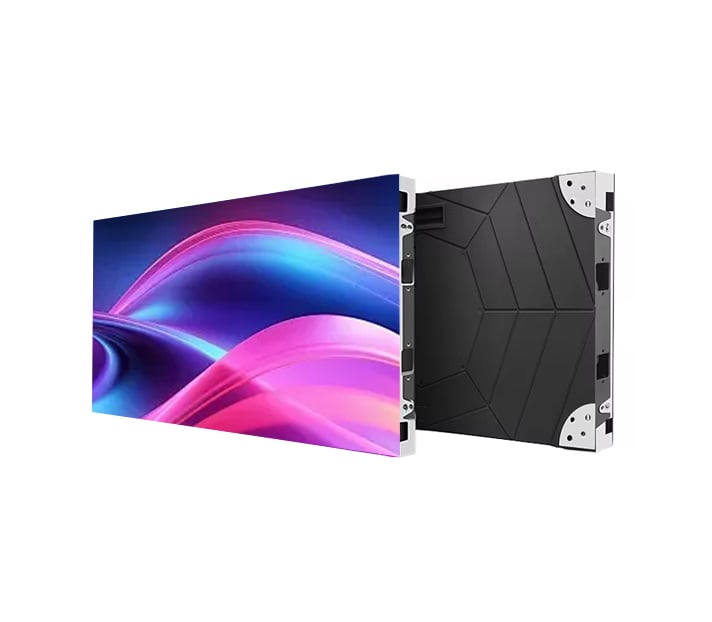
Traditional LED screens use flat rectangular cabinets. Standard PCBs work well in those systems because the modules remain flat.
Circular LED displays are different. The modules must follow a curved structure. If the PCB cannot adapt to the curvature, the screen may show gaps, uneven brightness, or pixel failures.
Therefore, manufacturers must carefully evaluate three technical factors:
Bending radius
Dead pixel rate
Maintenance cost
Let’s compare flexible and rigid PCB solutions based on these parameters.
Flexible PCBs use bendable substrates such as polyimide. This material allows the circuit board to bend without damaging the conductive traces.
The biggest advantage of flexible PCBs is their excellent bending capability.
Flexible modules can easily follow tight curves. For circular LED screens, this feature allows engineers to build smooth and seamless rings without visible segmentation.
Typical bending performance:
Flexible PCB bending radius: as low as 20–30 mm
Suitable for small-diameter circular displays
As a result, the screen surface looks more continuous and visually refined.
Rigid PCBs resist bending. When installers force them into curved structures, mechanical stress increases quickly. Over time, this stress can damage solder joints or LEDs.
Flexible PCBs solve this problem. They naturally adapt to curved frames and reduce stress on the components. Consequently, the risk of dead LEDs decreases.
High-resolution LED displays require extremely precise module alignment. Even a small structural deformation can affect pixel accuracy.
Flexible PCBs maintain consistent curvature and help preserve pixel spacing. This precision becomes critical in P1.5 to P2.5 displays, where the LED pitch is very small.
For this reason, many high-end circular LED screens rely on flexible modules.
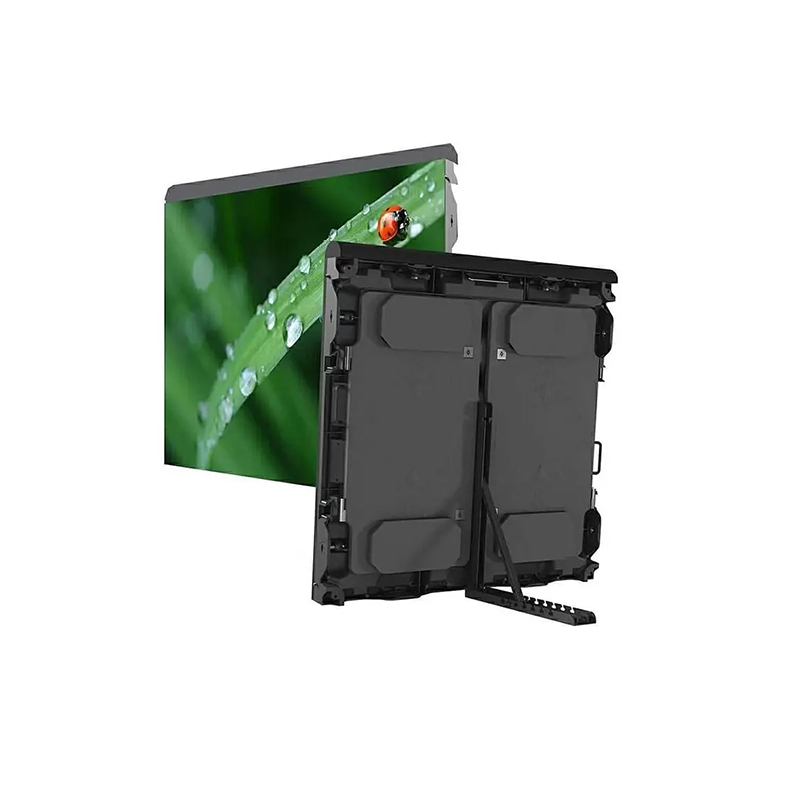
Standard PCBs use rigid fiberglass materials such as FR-4. These boards provide excellent structural stability, but they do not bend.
Rigid modules cannot follow a continuous curve. Instead, engineers divide the circle into multiple flat segments.
Although this approach works for large circular displays, it often creates visible seams between modules.
Typical design characteristics include:
Polygon-style circle structure
Larger screen diameter required
More complex mechanical frames
When installers force rigid modules into curved structures, solder points experience constant tension. Over time, this stress may lead to:
LED failure
signal instability
higher dead pixel rates
The problem becomes more serious in fine-pitch displays, where components are smaller and more sensitive.
Rigid PCBs usually cost less than flexible ones. Manufacturing processes are mature and widely available.
However, lower purchase cost does not always mean lower lifecycle cost. Frequent repairs or module replacements can increase long-term expenses.
Maintenance is another key factor for LED display operators.
Flexible LED modules usually integrate precise magnetic or front-service designs. Technicians can quickly replace modules without disassembling the entire screen.
Because flexible boards reduce mechanical stress, they also experience lower failure rates over time.
As a result:
fewer dead pixels
fewer replacements
lower long-term maintenance costs
Rigid modules often require more structural support to form curved displays. Maintenance can become more complicated, especially when modules sit inside segmented frames.
In addition, higher stress levels may increase failure probability. Over time, this can lead to higher maintenance workloads.
Fine-pitch LED displays demand extremely accurate engineering. At P1.5–P2.5, the distance between LEDs becomes very small. Even minor structural deviations can affect:
brightness uniformity
image clarity
viewing comfort
Therefore, manufacturers must use high-precision modules, stable drivers, and accurate calibration systems.
Flexible PCBs help maintain consistent curvature and precise pixel spacing. This advantage makes them a preferred solution for high-resolution circular displays in museums, retail environments, and digital art installations.
Both PCB types have their place in LED display design.
Flexible PCB is usually the best choice when:
The screen has a small or medium circular diameter
The project requires smooth curvature
The display uses fine pixel pitch (P1.5–P2.5)
Long-term reliability is a priority
Standard PCB may work when:
The circle diameter is very large
Budget constraints are strict
Minor segmentation is acceptable
In most high-end circular LED displays, however, flexible PCB technology delivers better visual performance and lower maintenance risk.
1. Why are flexible PCBs preferred for circular LED screens?
Flexible PCBs bend easily and adapt to curved structures. This ability creates smoother circular displays and reduces mechanical stress on LED components.
2. Do flexible PCBs reduce dead pixel rates?
Yes. Flexible boards reduce structural tension, which helps protect solder joints and LEDs. As a result, dead pixel rates often decrease.
3. Are flexible LED modules more expensive?
They usually cost more at the beginning. However, lower failure rates and easier maintenance can reduce the total cost over the display’s lifespan.
 EN
EN
 AR
AR
 BG
BG
 HR
HR
 CS
CS
 DA
DA
 NL
NL
 FI
FI
 FR
FR
 DE
DE
 EL
EL
 HI
HI
 IT
IT
 JA
JA
 KO
KO
 NO
NO
 PL
PL
 PT
PT
 RO
RO
 RU
RU
 ES
ES
 SV
SV
 TL
TL
 ID
ID
 SR
SR
 UK
UK
 VI
VI
 ET
ET
 HU
HU
 TH
TH
 TR
TR
 FA
FA
 AF
AF
 MS
MS
 GA
GA
 HY
HY
 AZ
AZ
 MN
MN
 UZ
UZ