Home > News > Industry News
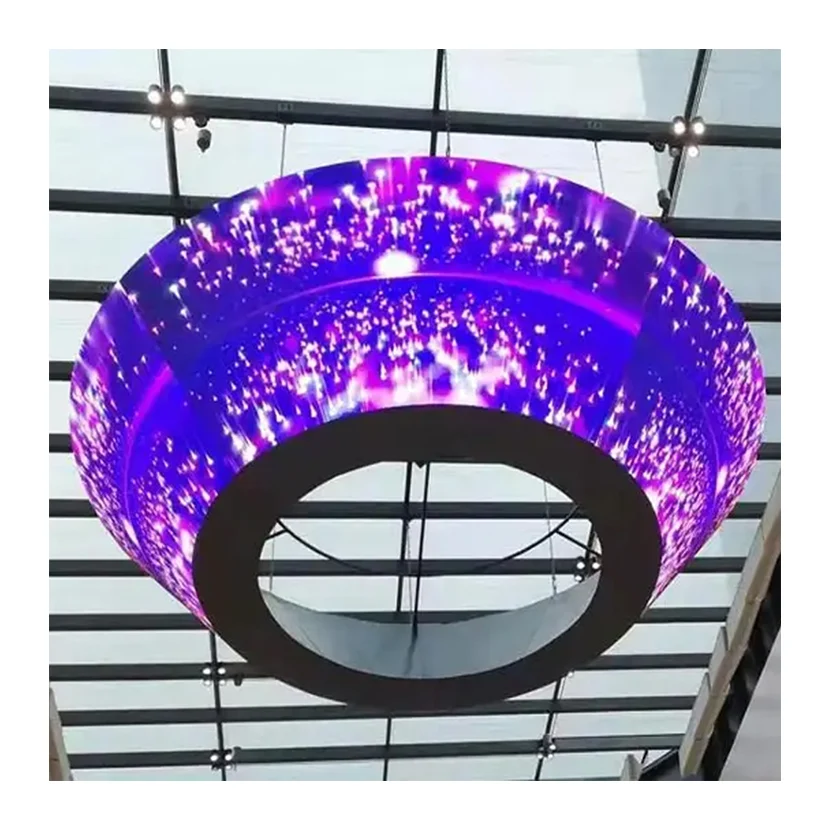
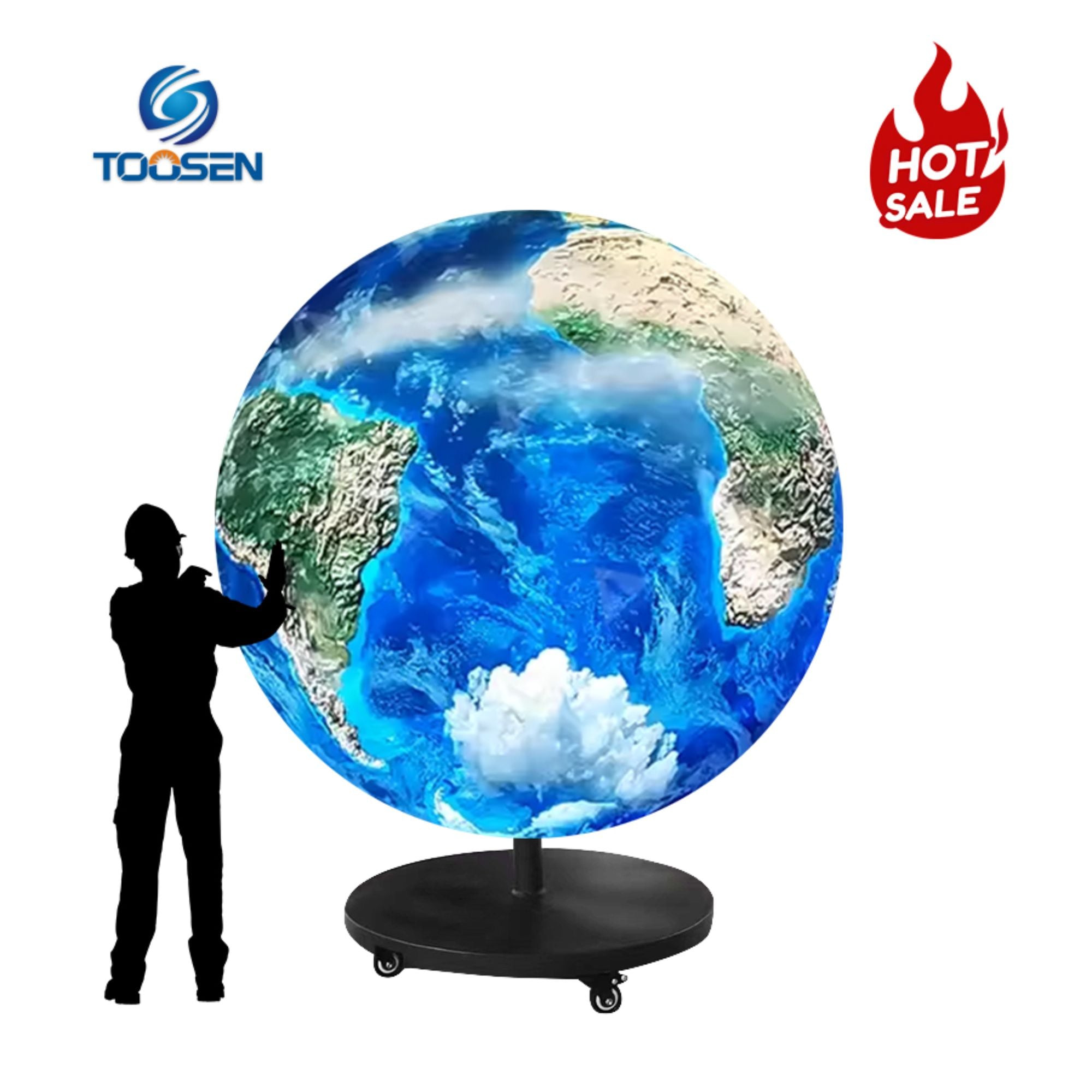
A spherical LED display may look complete after installation, but the project is not truly finished until the buyer receives the necessary technical documents.

Unlike a standard flat LED screen, a spherical LED display has a curved structure, customized modules, special mounting components, and a specific pixel mapping arrangement. If the supplier only provides a product brochure and a warranty certificate, the buyer may have difficulty maintaining or repairing the screen later.
For example, if a module stops working six months after installation, the maintenance team needs to know its exact position, connection method, and replacement model.
A complete handover package helps buyers confirm what was delivered, understand how the system works, and manage future maintenance.
Missing project documents can create several problems:
Difficult maintenance: Technicians may not know how to locate or replace a faulty module.
Installation confusion: Without final drawings, future installers may misunderstand the mounting structure and cable layout.
Configuration loss: If controller settings are not backed up, restoring the display after a system failure can take longer.
Warranty disputes: Buyers may struggle to prove the delivery date, equipment configuration, or agreed warranty coverage.
Higher maintenance costs: Replacement components may be ordered incorrectly, increasing downtime and shipping expenses.
These problems are especially important for large spherical LED displays installed in shopping malls, exhibition centers, hotels, and entertainment venues.
There are several common reasons.
First, some suppliers focus mainly on manufacturing and delivery. They consider the project complete once the screen powers on and displays content.
Second, project information may be spread across different teams. The engineering department holds the drawings, the production team keeps the inspection records, and the technical team manages controller configurations.
Third, changes during installation may not be updated in the original documents. The actual cable route or module arrangement may be different from the initial design.
For this reason, buyers should request a final document package based on the installed system, not simply collect the original quotation and design files.
Before final acceptance, buyers should request the following documents.
1. Final Technical Specification Sheet
This document should identify the delivered screen configuration, including:
Pixel pitch and LED type
Overall diameter and display dimensions
Total screen resolution
Refresh rate and brightness
Indoor or outdoor protection rating
Power requirements
Control system information
The specifications should match the actual equipment supplied.
2. As-Built Drawings
These drawings show how the spherical display was actually installed.
They should include the final structural arrangement, module positions, mounting points, power distribution, and signal cable routes.
For customized spherical screens, module layout drawings are particularly important because each curved section may have a different position.
3. Factory and On-Site Test Reports
Buyers should receive records of the main inspection and commissioning procedures.
These may include:
LED module and pixel inspection
Brightness and color consistency testing
Full-screen playback testing
Signal and power checks
Aging test records
On-site commissioning results
The reports should include inspection dates, test conditions, results, and any corrective actions.
4. Control System Configuration Files
This is one of the most important parts of the handover package.
Buyers should request the final pixel mapping file, receiving card configuration, controller settings, and relevant software information.
A backup of the working configuration can help technicians restore the system after equipment replacement or unexpected configuration loss.
Access credentials should be transferred securely rather than included as plain text in an ordinary shared document.
5. Spare Parts List
The supplier should provide a clear list of spare components delivered with the project.
Depending on the system, this may include LED modules, power supplies, receiving cards, cables, and other replacement components.
The list should show the model, quantity, and compatible screen position or module type.
For customized spherical displays, buyers should also confirm whether replacement modules are compatible with the original production batch.
6. Operation and Maintenance Manual
The manual should explain how to start and shut down the screen, load content, adjust brightness, and perform basic inspections.
It should also include module replacement instructions, cleaning recommendations, troubleshooting steps, and technical support information.
7. Warranty and After-Sales Documents
Before signing the final acceptance form, buyers should confirm:
Warranty start date and coverage period
Covered components and exclusions
Spare parts replacement policy
Technical support channels
Remote or on-site service arrangements
Clear warranty terms help both parties avoid misunderstandings.
Receiving files does not automatically mean the project is ready for acceptance.
Buyers should compare the documents with the actual installation.
For example, check whether the screen diameter, pixel pitch, and resolution match the approved specifications. Compare the as-built drawings with the actual module positions and cable connections.
Next, ask the technical team to demonstrate the controller configuration backup and basic recovery process.
Finally, test normal content playback, inspect the screen surface, and confirm that maintenance access is available.
Any missing documents, unresolved defects, or incomplete work should be recorded in a punch list with a responsible person and expected completion date.
A practical handover package should be organized into clearly named folders:
01_Product Specifications: Final technical datasheets and equipment lists.
02_Engineering Drawings: Structural drawings, module layouts, and wiring diagrams.
03_Test Reports: Factory inspection, aging, and commissioning records.
04_System Files: Pixel mapping, controller configurations, and software information.
05_Spare Parts: Replacement component list and quantities.
06_Operation Manuals: User instructions and maintenance procedures.
07_Warranty: Warranty certificates and after-sales contacts.
Both PDF documents and editable technical files should be provided where applicable.
This makes it easier for the buyer's purchasing, engineering, and maintenance teams to find the information they need.
Consider a shopping mall that installs a 2-meter indoor P1.9 spherical LED display.
After installation, the screen passes the visual inspection and plays the required content correctly.
However, the buyer still needs the final pixel mapping file, structural drawings, module replacement instructions, and spare parts list.
Two years later, one section requires maintenance. With the original module layout and configuration files, technicians can identify the affected area and select the correct replacement component more efficiently.
This is why project documentation should be treated as part of the delivered product, not an optional extra.
A successful spherical LED display project does not end when the screen lights up. Final acceptance should also confirm that the buyer has received the technical information needed for operation, maintenance, and future repairs.
From technical specifications and as-built drawings to test reports, controller backups, spare parts lists, and warranty documents, every item has a practical purpose.
At TOOSENLED, we provide customized spherical LED display solutions for indoor and outdoor applications, with different pixel pitches and screen diameters. Our solutions support projects ranging from compact decorative displays to large-scale spherical installations. With customized production, product inspection, and technical support, we help customers manage their projects from design and manufacturing to installation and after-sales service.
A complete handover package gives buyers more confidence and makes long-term project management easier.
Q1. What documents should buyers receive before accepting a spherical LED display?
Buyers should receive the final specification sheet, as-built drawings, factory and on-site test reports, control system backups, spare parts list, operation manual, and warranty documents.
Q2. Should the supplier provide the pixel mapping file?
Yes. The final pixel mapping file helps technicians understand the module arrangement and restore the correct display configuration during maintenance.
Q3. Are factory test reports enough for final acceptance?
No. Factory reports show the inspection results before shipment. Buyers should also check the installed system through on-site commissioning and functional testing.
Q4. Should buyers receive spare LED modules?
Yes, when spare modules are included in the agreed project scope. Buyers should confirm their quantities, specifications, and compatibility with the installed screen.
Q5. When should the final handover documents be delivered?
Ideally, the document package should be prepared before final acceptance. Buyers should review the documents, identify missing items, and resolve outstanding issues before signing the final handover record.
 EN
 AR
 BG
 HR
 CS
 DA
 NL
 FI
 FR
 DE
 EL
 HI
 IT
 JA
 KO
 NO
 PL
 PT
 RO
 RU
 ES
 SV
 TL
 ID
 SR
 UK
 VI
 ET
 HU
 TH
 TR
 FA
 AF
 MS
 GA
 HY
 AZ
 MN
 UZ