Home > News > Industry News
In today’s live streaming industry, attention is the most valuable asset. Viewers scroll fast. They decide even faster. Many platforms follow the “Golden 3-Second Rule.” This rule means viewers decide within the first three seconds whether to stay or leave a live stream.
If nothing catches their eyes, they swipe away. If the scene looks dull, they leave. If the visual focus is unclear, they lose interest.
So how do you win those first three seconds?
One proven answer is the LED display screen. With the right LED screen setup, live studios can improve visual impact, keep viewers longer, and increase conversion rates.
This article explains how LED screens help improve live streaming viewership and how to choose the right solution. Beyond advertising: What else can LED screens do?
Viewers face endless content every day. Their attention is fragmented. Because of this, the first impression decides everything.
The first three seconds depend on four main factors:
Studio scene design
Product display method
Lighting effects
Visual focus
If these elements work together, viewers stay. If not, they leave.
LED screens help control all four factors at the same time. That is why they are widely used in live studios, broadcast rooms, and streaming spaces.
LED screens stay clear under different lighting conditions. They show sharp images even in bright studios. This ensures viewers see clean visuals at all times.
Strong contrast also improves depth. Details look clearer. Text looks sharper. Products look more real.
LED displays show bright and natural colors. Images look vivid and alive. Even when the camera moves, colors stay consistent.
Wide viewing angles also help. The image does not fade or change color when viewed from different positions.
LED screens can work up to 100,000 hours. They are stable and durable. This makes them ideal for daily live streaming use.
Maintenance costs are also lower. This helps studios control long-term operating costs.
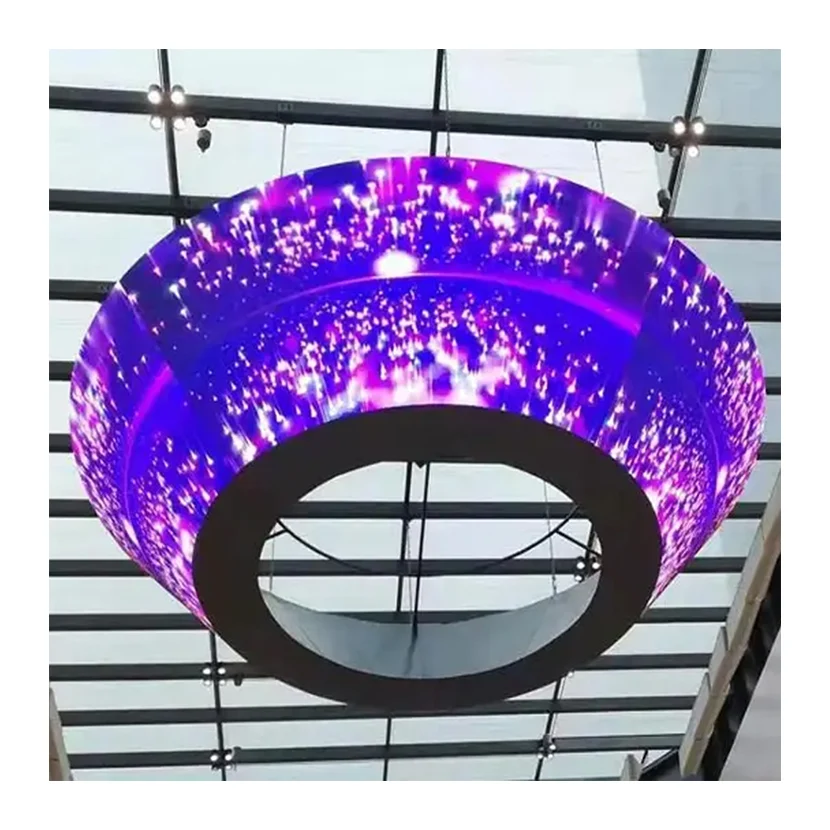
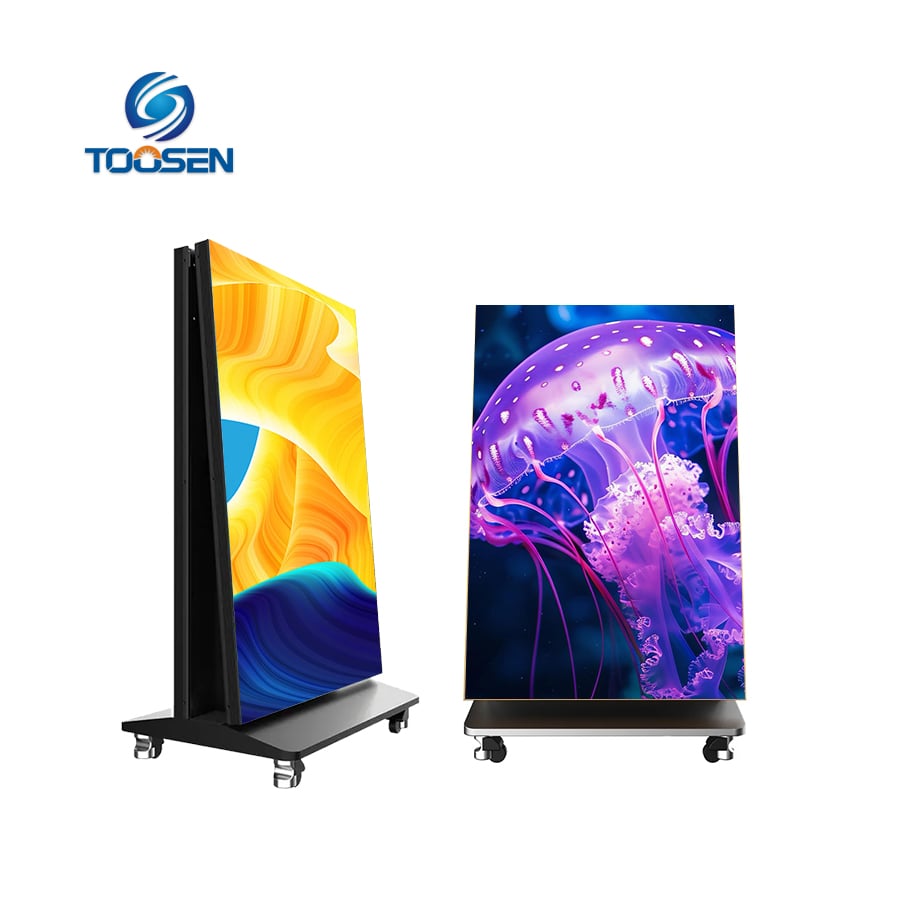
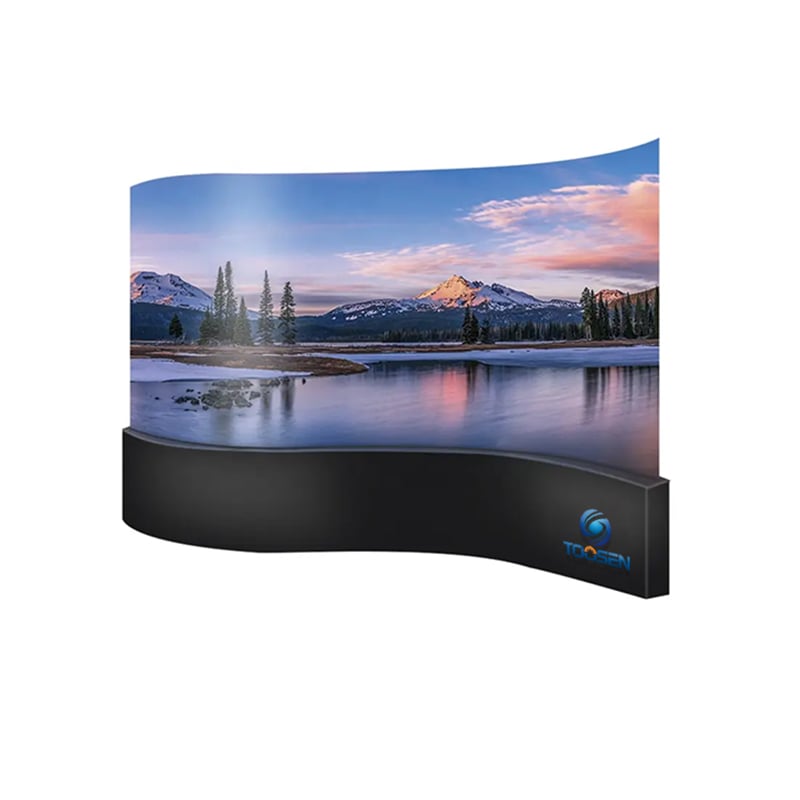
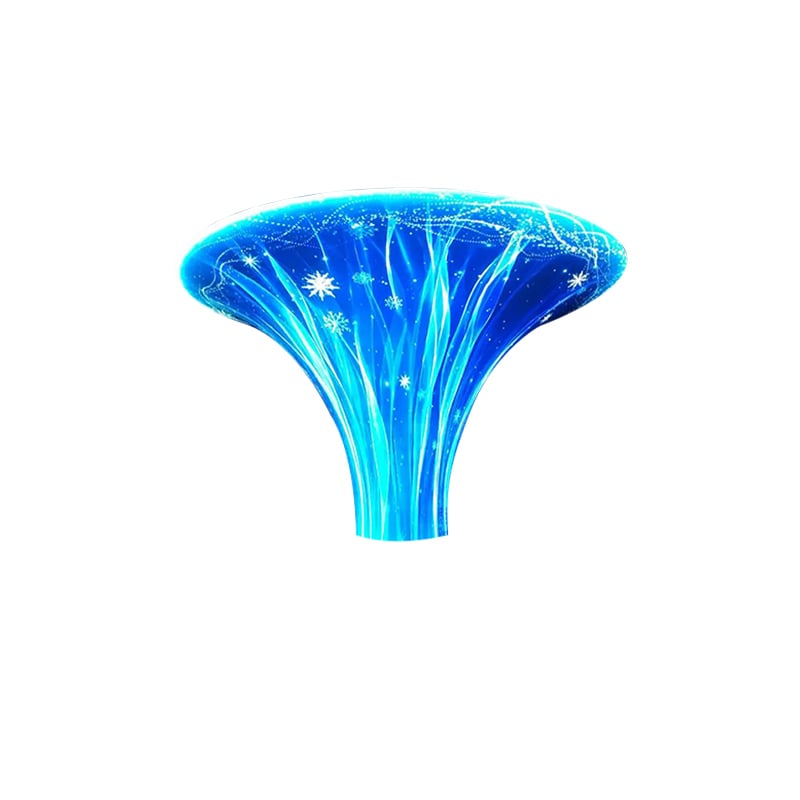
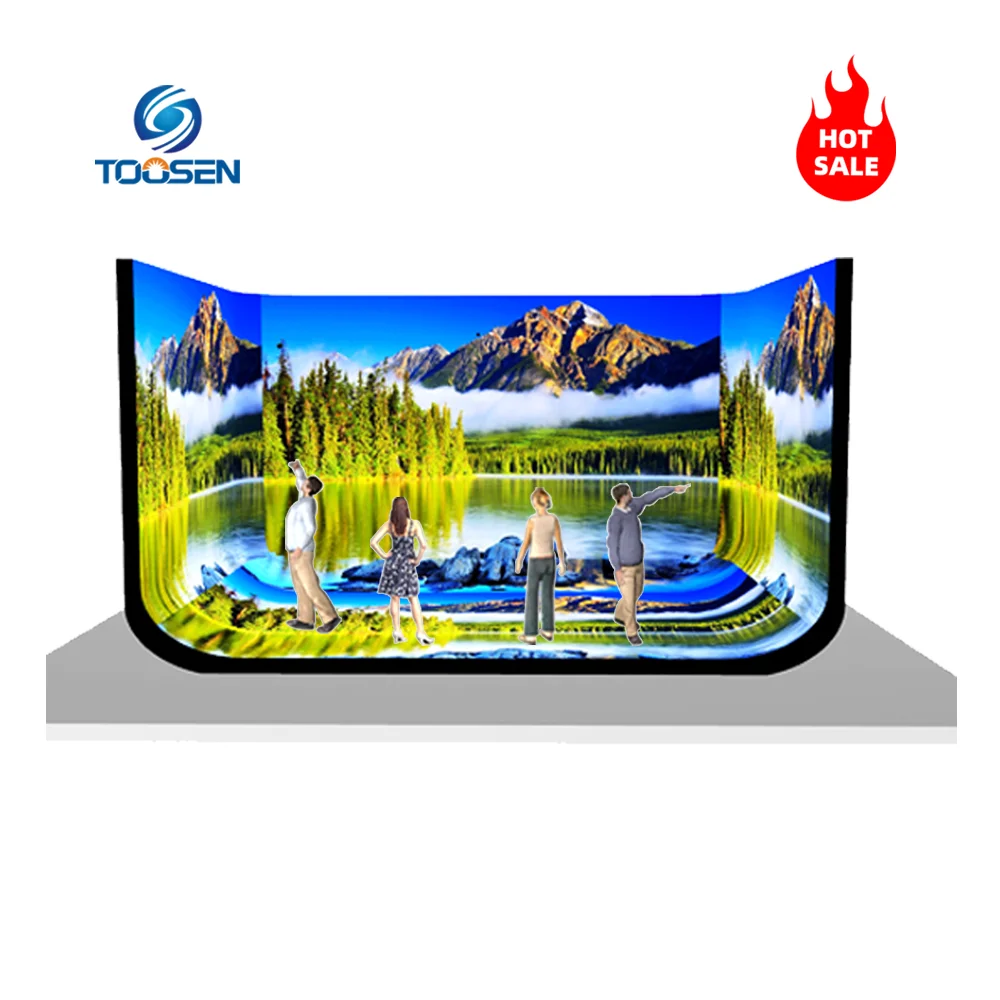
Modern LED screens support custom sizes and shapes. You can build flat screens, curved screens, or creative shapes.
Toosen provides OEM and ODM LED display solutions. Their screens adapt to different studio layouts and visual needs.
Interaction keeps viewers watching. Data clearly shows this.
Industry research shows that when interaction rates increase by 10%, average watch time increases by 27%. Purchase intent also rises by 19%.
In contrast, live rooms without interaction lose up to 83% of viewers within three minutes.
LED screens make interaction visible and exciting.
You can display viewer comments directly on the LED screen. This makes viewers feel noticed. It also encourages others to join the conversation.
You can design hidden commands or keywords. When viewers type them, the screen triggers special effects. This adds fun and surprise.
For live news or events, LED screens can show real-time video, data, or alerts. This keeps content fresh and timely.
You can connect multiple LED screens together. This creates layered visuals and strong impact. It also improves scene depth.
Choosing the right LED display is critical. Live cameras amplify every detail. Small flaws become big problems.
Here are the key factors to consider.
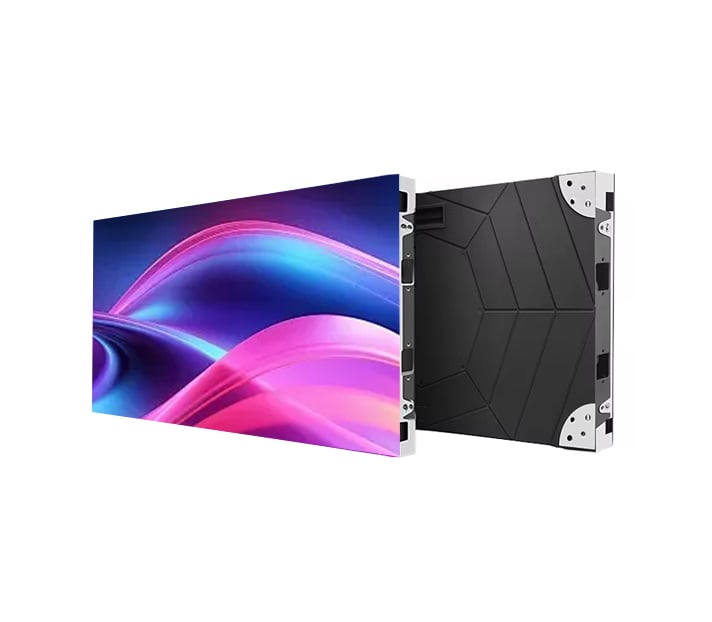
Smaller pixel pitch means higher resolution. Images look clearer at close distances.
Live studios usually need small pixel pitch LED screens. This ensures sharp visuals during close-up shots.
Most live studios use 4K cameras. The LED screen must match this level.
A high refresh rate prevents flicker, ghosting, and scan lines. It also avoids moiré patterns on camera.
Smooth visuals improve professionalism and viewer trust.
Color accuracy matters. Products must look real. Skin tones must look natural.
A good LED screen shows true colors without distortion or color shift.
High contrast improves detail visibility. It is especially important in scenes with light changes.
Better contrast means better depth and clarity.
Live cameras are unforgiving. They capture every flaw.
The LED screen must control brightness precisely. It must also keep smooth gray transitions at low brightness.
This ensures clean images without banding or noise.
Live streaming requires real-time display. Any delay breaks the experience.
Low latency ensures screen content stays in sync with live action.
Flexible LED panels can form curves or custom shapes. These designs attract attention instantly.
A unique screen shape helps your live room stand out.
LED screens can match the theme of the live stream. They help create mood and emotion.
This makes viewers feel more involved.
Use high-resolution images and videos. Match visuals with the live topic.
Clear content improves watch comfort and retention.
LED screens can act as virtual backgrounds. Combined with AR or VR, they turn studios into multi-dimensional spaces.
This adds creativity and uniqueness to live programs.
Today, viewers face an overload of information. Attention is scarce. Winning the first three seconds is not easy.
LED screens play a key role in modern live streaming and broadcast studios. They improve visual quality. They enhance interaction. They help create immersive scenes.
Most importantly, they help keep viewers watching.
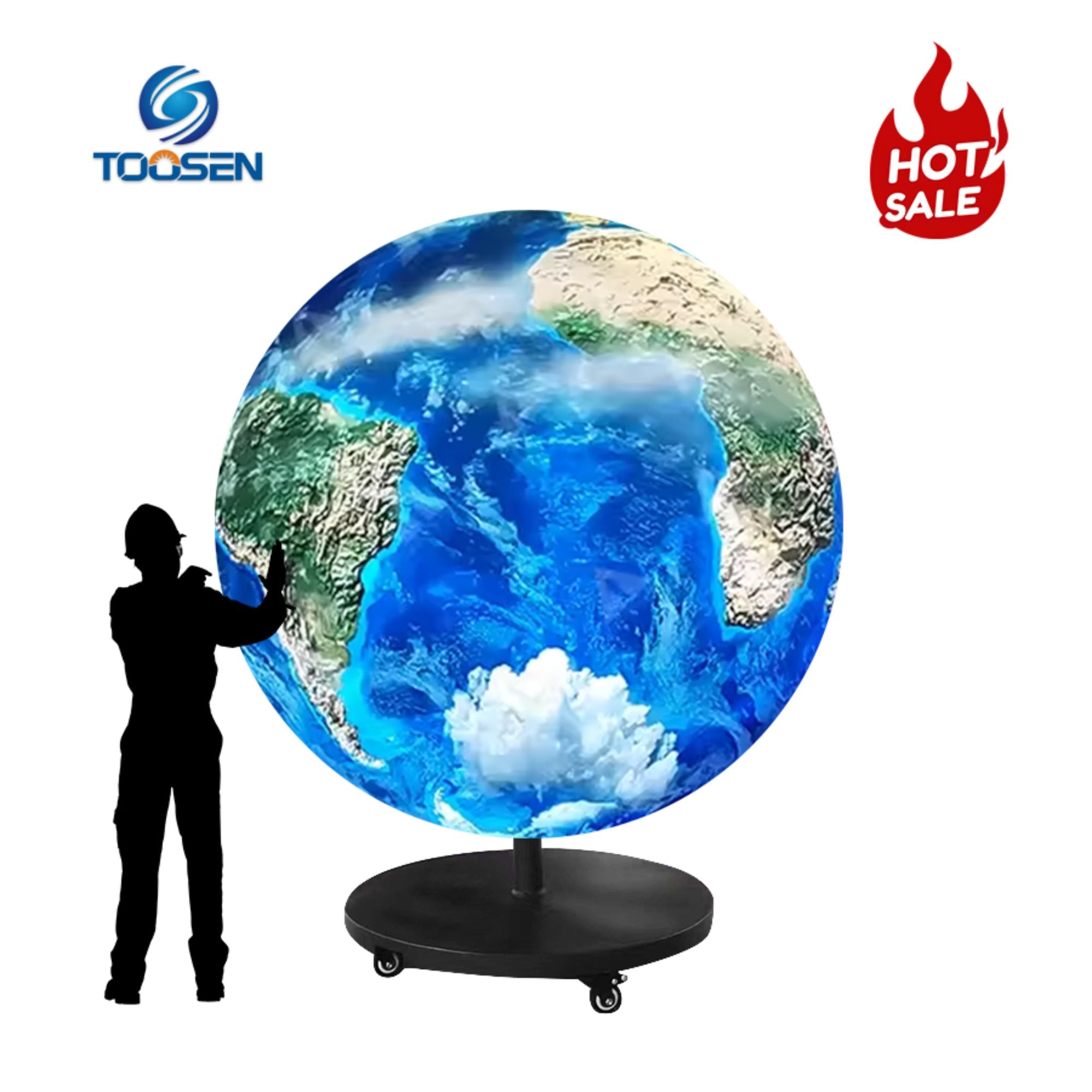
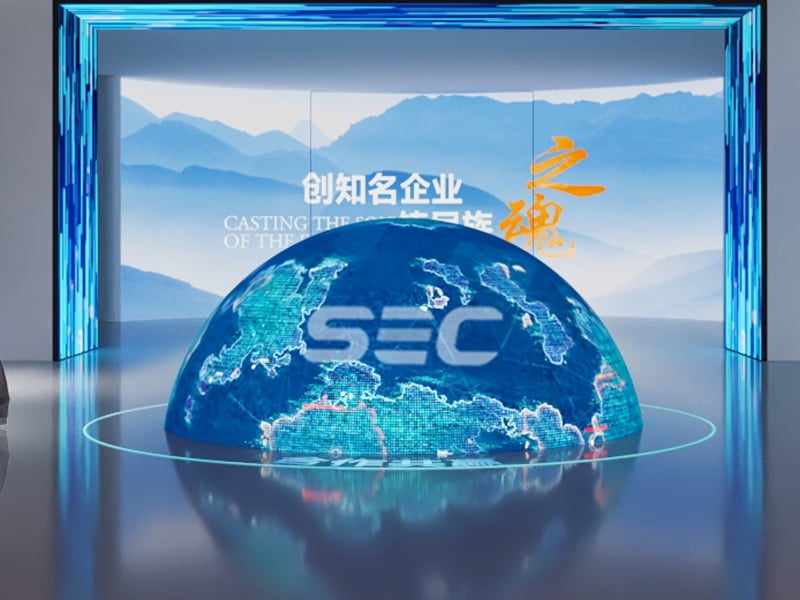
Toosen is a professional LED display manufacturer. The company offers spherical LED screens, rental LED displays, and custom creative LED solutions. All products support customization for different live streaming needs.
If you want to improve your live streaming viewership, LED screens are a smart investment.
1. Why are LED screens better than traditional backgrounds for live streaming?
LED screens offer higher brightness, better color control, and flexible design. They also support real-time interaction and dynamic visuals.
2. What pixel pitch is best for live streaming studios?
Small pixel pitch LED screens are recommended. They provide clearer images for close-up camera shots.
3. Can LED screens reduce viewer drop-off in live streams?
Yes. Strong visuals and interactive displays help capture attention in the first three seconds and increase viewer retention.
 EN
EN
 AR
AR
 BG
BG
 HR
HR
 CS
CS
 DA
DA
 NL
NL
 FI
FI
 FR
FR
 DE
DE
 EL
EL
 HI
HI
 IT
IT
 JA
JA
 KO
KO
 NO
NO
 PL
PL
 PT
PT
 RO
RO
 RU
RU
 ES
ES
 SV
SV
 TL
TL
 ID
ID
 SR
SR
 UK
UK
 VI
VI
 ET
ET
 HU
HU
 TH
TH
 TR
TR
 FA
FA
 AF
AF
 MS
MS
 GA
GA
 HY
HY
 AZ
AZ
 MN
MN
 UZ
UZ