Home > News > Industry News
When people think about LED screens, they often think of advertising. For many years, LED displays mainly served as digital billboards to promote brands and products. But this is no longer the case. As LED technology continues to improve, these screens have become powerful tools for communication, interaction, creativity, and even storytelling. Today, LED displays appear almost everywhere—from giant 3D billboards on city streets to slim shelf-edge screens inside retail stores. In short, wherever information needs to be seen, you will often find an LED display.
In this article, we explore the many ways LED screens are used beyond traditional advertising.
LED screens play an important role in public areas because they offer quick and clear information.
For example, airports, train stations, and bus terminals use LED displays to show:
Arrival and departure schedules
Delay notices
Gate and platform updates
These screens help travelers get the right information at the right time. This improves service efficiency and reduces confusion.
LED screens are also helpful in hospitals. They show queue numbers and guide patients to the correct rooms, making the experience more organized.
During natural disasters such as typhoons, floods, or earthquakes, LED displays inside emergency command centers show alerts, evacuation routes, and real-time updates. Clear information can reduce risks and help people respond quickly.
LED screens have transformed modern entertainment. Concerts now rely heavily on LED video walls to create atmosphere.
The screens change visuals based on music, theme, and rhythm, helping the audience feel more connected to the performance. With custom-shaped LED screens, designers can create immersive stage environments.
Special LED types—such as transparent LED screens or creative LED shapes—add depth and a sense of space. They blend light, visuals, and stage design, making concerts look more dynamic.
LED technology is also changing film and TV production. LED walls can act as virtual backdrops, showing realistic environments during filming. This reduces the need for green screens and allows filmmakers to adjust scenes instantly. It also makes filming more flexible.
In theaters and performing arts spaces, LED screens replace traditional stage backdrops. They allow fast scene changes and combine real and digital elements. This improves storytelling and audience engagement.
LED screens help businesses enhance customer experience.
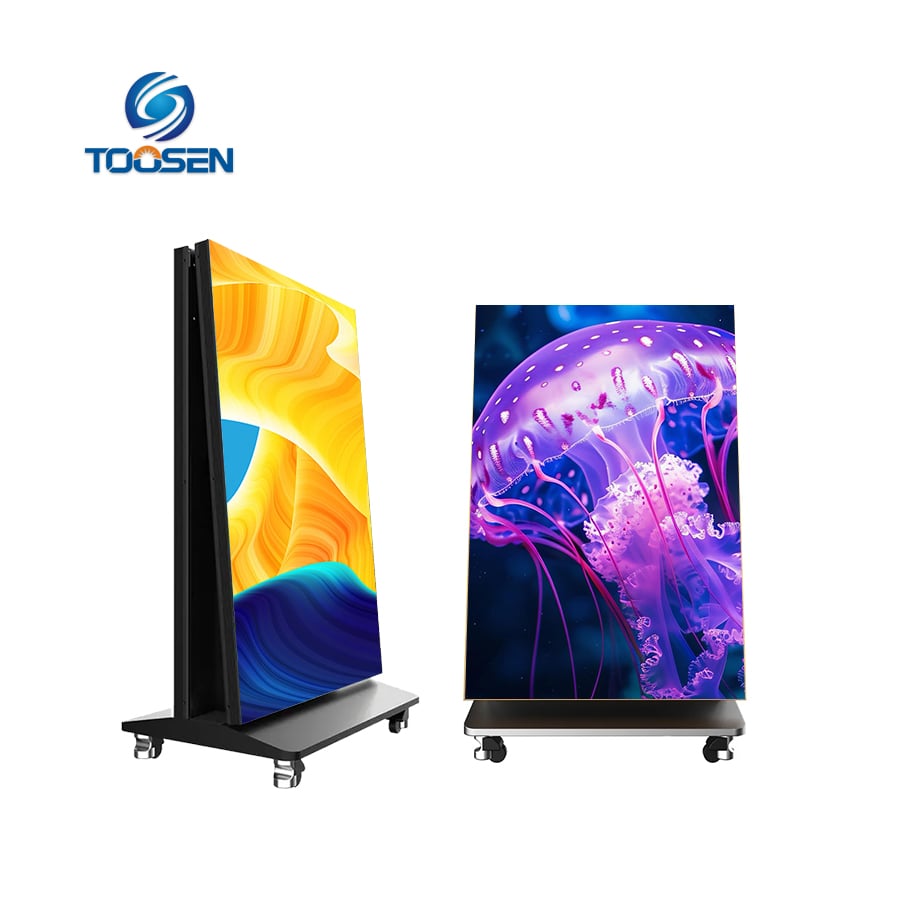
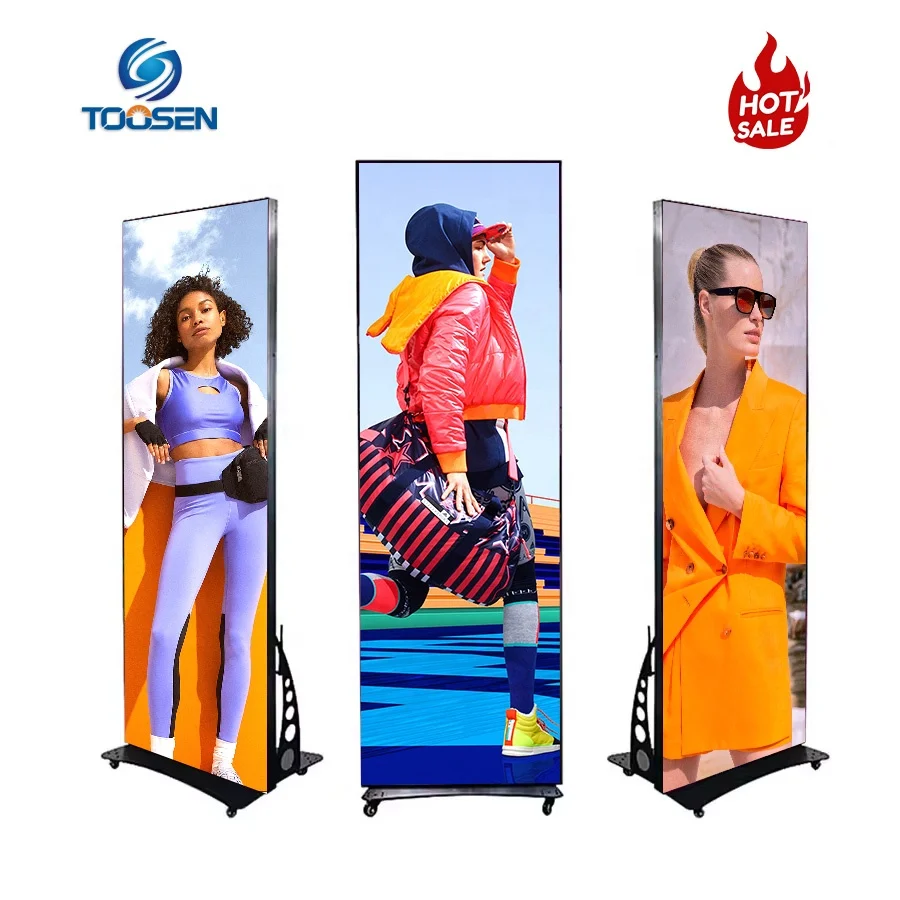
In flagship stores, LED displays show product details, brand stories, and promotional videos. They help shoppers understand products more quickly.
Transparent LED screens are popular for store windows. They highlight products while keeping the view open. Inside stores, LED displays create interactive zones or thematic spaces, making the store more memorable.
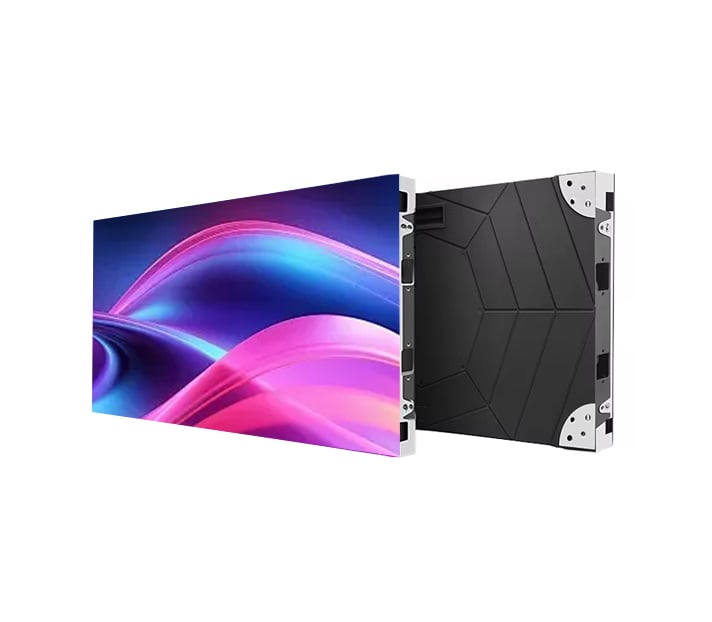
High-end locations such as broadcast studios, digital museums, exhibition halls, control rooms, and corporate meeting rooms use LED screens for their high resolution and accurate colors. These screens support decision-making, monitoring, and presentations.
Modern cities use LED screens to shape visual identity. Many buildings now feature LED façades, turning entire walls into digital canvases. These architectural LED displays can show:
Festival greetings
Creative animations
Public messages
Interactive content
They create a strong sense of presence and often become city landmarks.
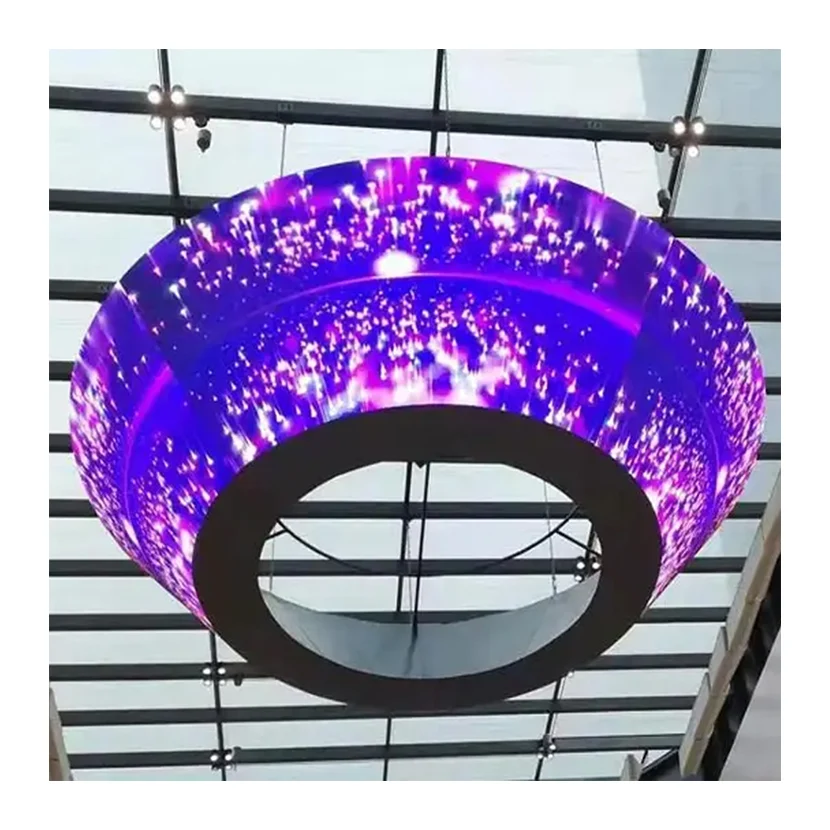
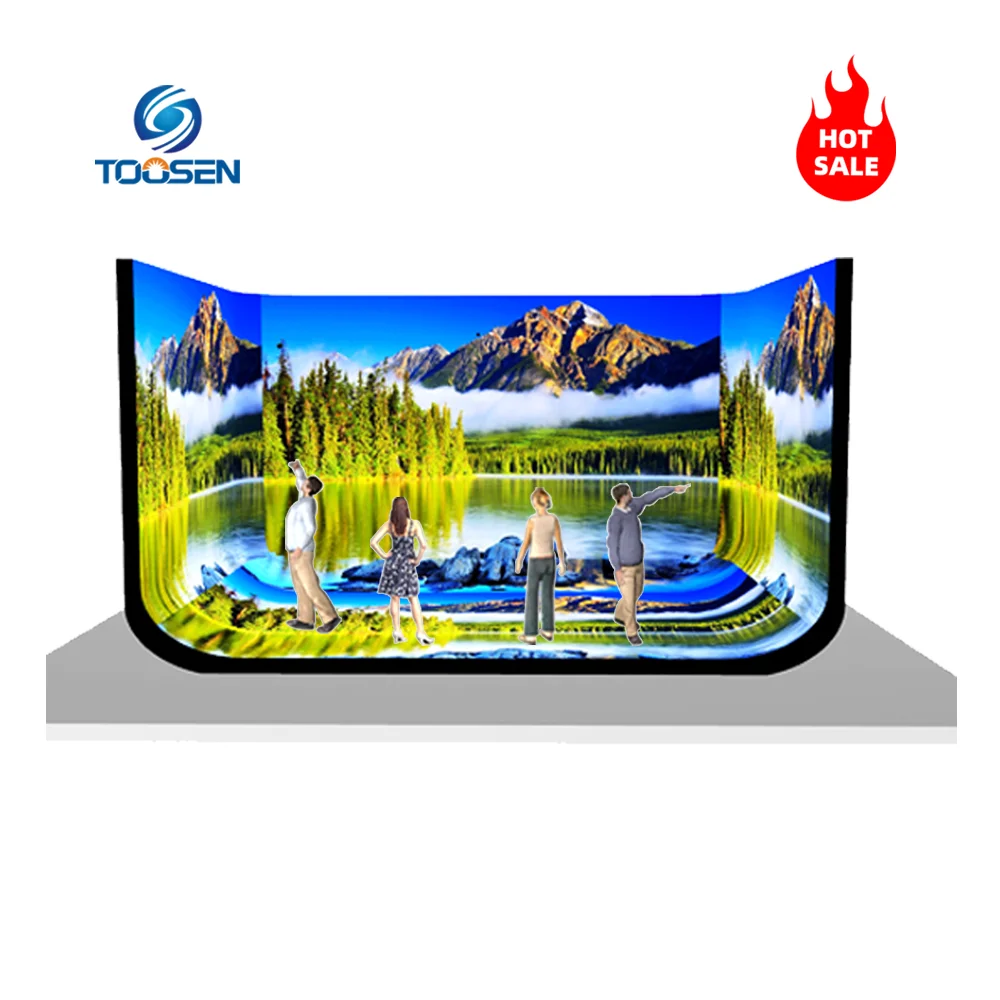
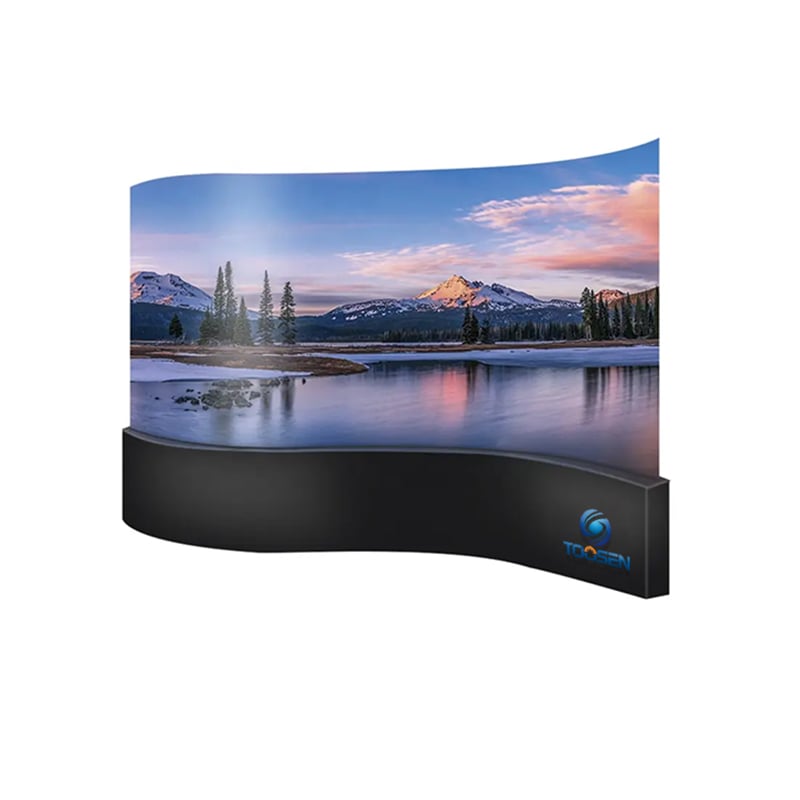
Indoor spaces also use architectural LED displays. Flexible, transparent, or shaped LED screens—such as dome screens, wave screens, or cylinder screens—appear in hotels, malls, restaurants, and atriums. They help build unique visual environments that make spaces feel modern and artistic.
As LED screens become more affordable, more people are using them at home. Ultra-large LED video walls, once used only in commercial spaces, are now appearing in high-end living rooms. They provide a cinema-like viewing experience and can be customized for gaming, parties, or home events.
LED displays are also popular for private parties, weddings, and celebrations. They make events look more professional and help create personalized visual moments.
LED screens are no longer simple advertising tools. They are now versatile communication platforms that can appear in any shape and size. Wherever we need people to look, stay, understand, or interact, LED displays can play a role. Their flexibility allows them to fit into public spaces, cultural venues, commercial environments, architecture, and even homes.
As technology continues to grow, LED displays will become even more creative and widely used. If you want to learn more about custom LED displays or need a solution for your project, our team with 11 years of experience can support you with full customization.
Because LED screens are bright, flexible, and highly customizable. They can fit any space and show clear information, making them useful for many industries beyond advertising.
Yes. LED screens offer fast scene changes and dynamic visuals, which traditional backdrops cannot achieve. They also create immersive effects that improve audience experience.
More people are installing large LED displays at home. As prices drop, LED video walls are becoming a new choice for home theaters or entertainment rooms.
 EN
EN
 AR
AR
 BG
BG
 HR
HR
 CS
CS
 DA
DA
 NL
NL
 FI
FI
 FR
FR
 DE
DE
 EL
EL
 HI
HI
 IT
IT
 JA
JA
 KO
KO
 NO
NO
 PL
PL
 PT
PT
 RO
RO
 RU
RU
 ES
ES
 SV
SV
 TL
TL
 ID
ID
 SR
SR
 UK
UK
 VI
VI
 ET
ET
 HU
HU
 TH
TH
 TR
TR
 FA
FA
 AF
AF
 MS
MS
 GA
GA
 HY
HY
 AZ
AZ
 MN
MN
 UZ
UZ