Home > News > Industry News
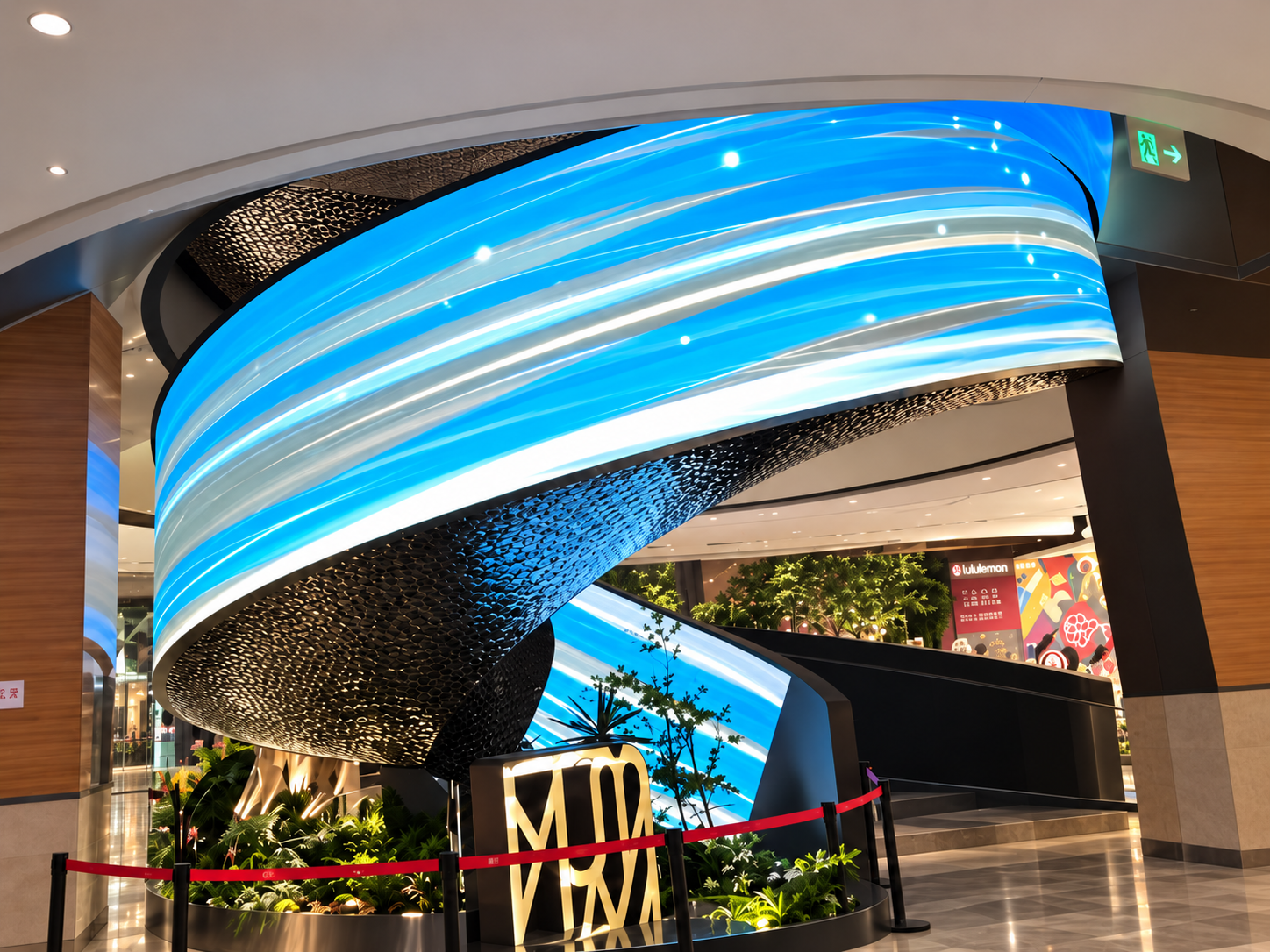
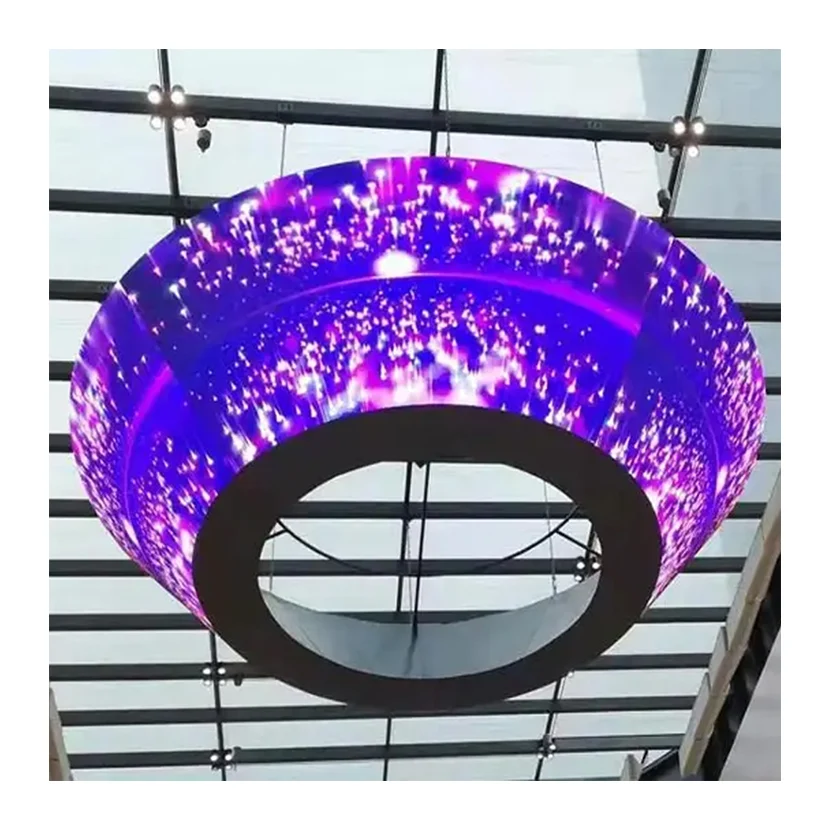
Unlike standard rectangular displays, shaped LED screens may have curved surfaces, irregular frames, or customized mounting structures.
When replacing an existing display, installers must consider both the old installation and the new screen design.
Common challenges include:
The new screen does not match the original mounting structure.
Electrical cables need to be reorganized.
Removing the old display may affect nearby decoration.
Installation work may block customer walkways.
Testing the new screen can create noise or temporary power interruptions.
Without proper planning, even a relatively small replacement project can affect store operations.
For retail businesses, installation problems are not limited to construction time.
A blocked entrance can reduce customer traffic. Dust and exposed cables may create safety concerns. Unexpected power interruptions can affect lighting, payment equipment, and other electronic devices.
There is also a visual problem. If part of the new display is installed incorrectly, customers may notice uneven gaps, inconsistent brightness, or distorted images.
Therefore, the goal should not simply be to finish installation quickly. It should be to complete the upgrade safely while protecting the normal shopping experience.
Several issues commonly slow down shaped LED display retrofits.
Incorrect measurements: The new screen may have a different shape, size, or mounting position from the original display.
Unexpected structural conditions: Existing brackets, wall surfaces, and ceiling supports may not be suitable for the new equipment.
Unprepared components: Missing modules, power supplies, cables, or receiving cards can delay the project.
Poor installation scheduling: Removing the entire old screen at once may leave the store without a display for too long.
These problems can usually be reduced through an early site inspection and factory preparation.
A staged installation plan is often the most practical approach.
Step 1: Inspect the Existing Installation
Before removing anything, measure the available space and inspect the existing frame, mounting points, power supply, and signal connections.
Take photographs and record cable positions. Check whether the existing structure can be reused or needs reinforcement.
Step 2: Prepare the New Screen in Advance
The new shaped LED screen should be manufactured and checked before it arrives at the store.
Confirm the dimensions, module arrangement, installation accessories, power requirements, and control system.
Pre-assembling suitable sections outside the store can reduce the amount of work required on-site.
Step 3: Divide the Installation Into Sections
Instead of removing the entire display at once, divide the project into manageable sections.
For example, installers can replace one side or section first, complete its mechanical installation, and then move to the next section.
However, this method only works when the screen structure and control system support independent section installation.
Step 4: Protect the Customer Area
Set up temporary barriers around the working area. Keep emergency exits, customer walkways, and payment counters accessible.
Schedule noisy or disruptive activities during quieter business hours whenever possible.
All electrical work should be handled by qualified personnel, with the relevant circuits isolated before work begins.
Step 5: Complete Testing Before Final Handover
After installation, check the screen's mechanical stability, electrical connections, image quality, and playback.
Remove temporary barriers only after the work area has been inspected and declared safe.
If a task requires full power isolation, overhead lifting, or an unsafe working environment, that section must be closed temporarily. Keeping the store open should never come before safety.
A successful retrofit requires more than simply turning on the screen.
Use the following checklist:
Mechanical inspection: Check mounting points, frame connections, and screen alignment.
Power testing: Confirm stable voltage and inspect cable connections.
Pixel inspection: Display solid red, green, blue, black, and white images to identify defective pixels.
Brightness testing: Check whether brightness and color remain consistent across different sections.
Content testing: Play the actual advertising materials and check whether images are correctly mapped to the screen shape.
Operating test: Run the display continuously for an appropriate period and monitor temperature and abnormal behavior.
These checks help identify problems before the store returns to normal operation.
A retrofit project should consider more than screen appearance.
The new display must match the store's available space, viewing distance, lighting conditions, and installation structure.
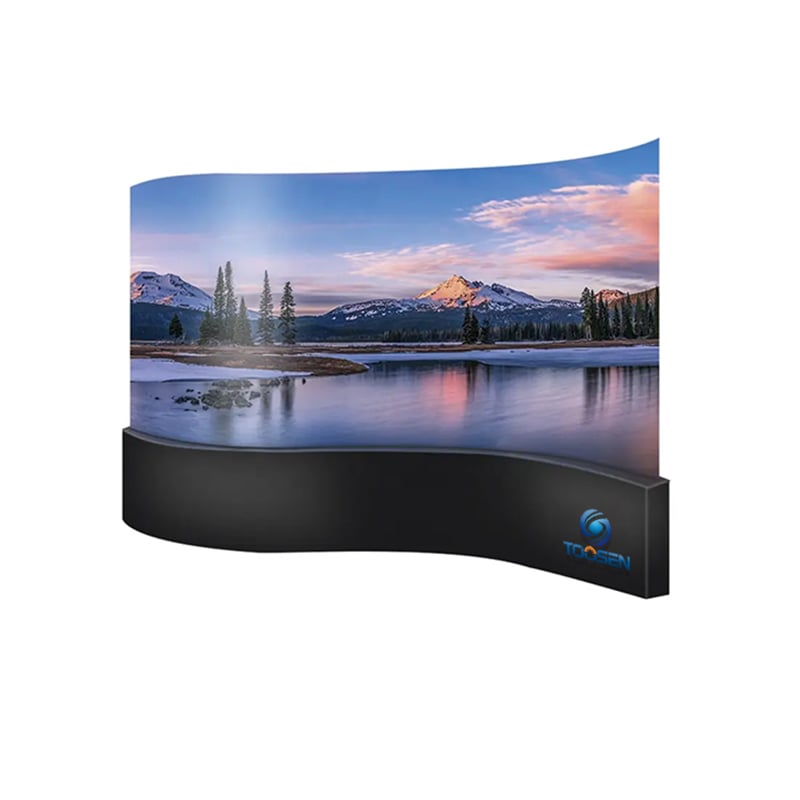
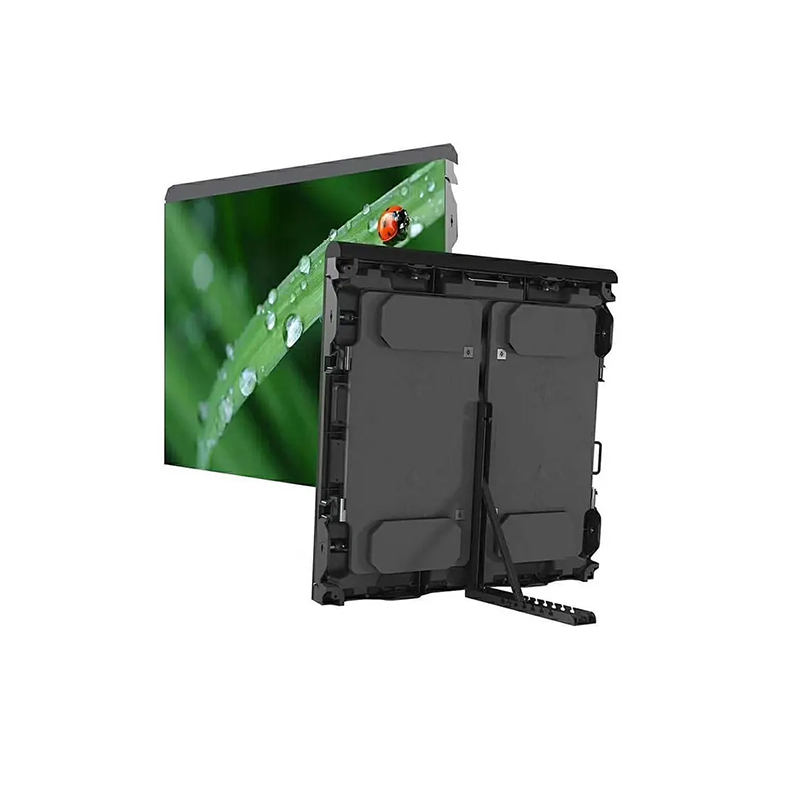
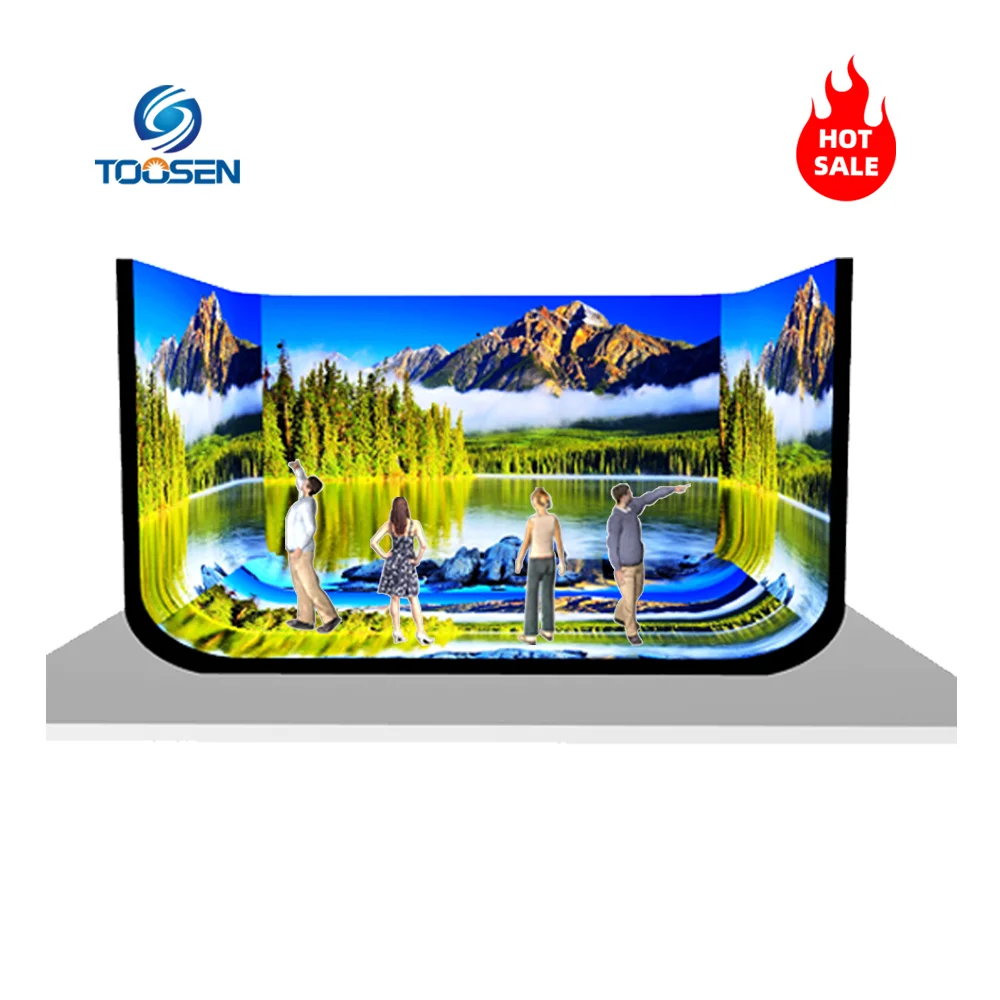
For curved walls or creative retail decorations, a Flexible LED Screen may be suitable.
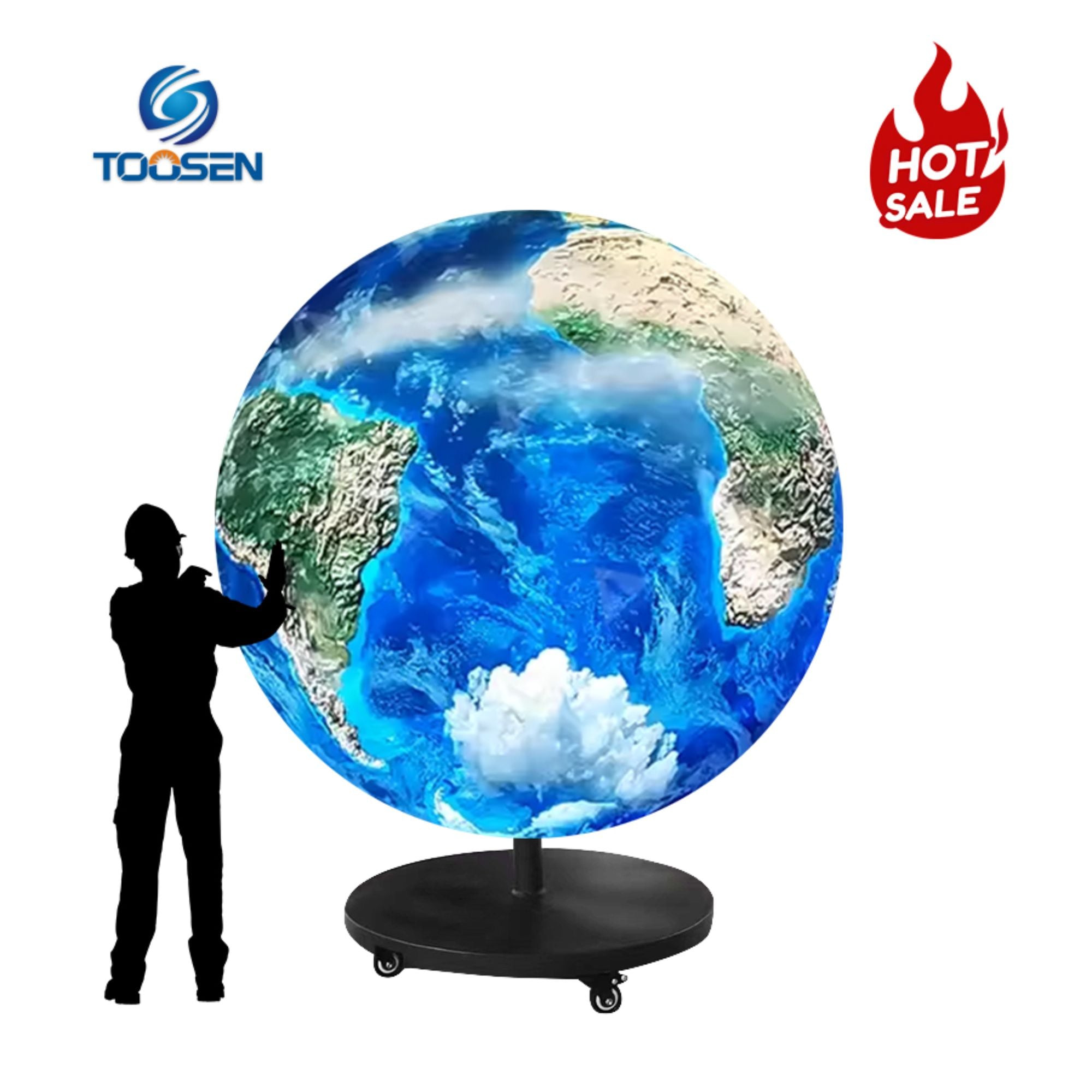
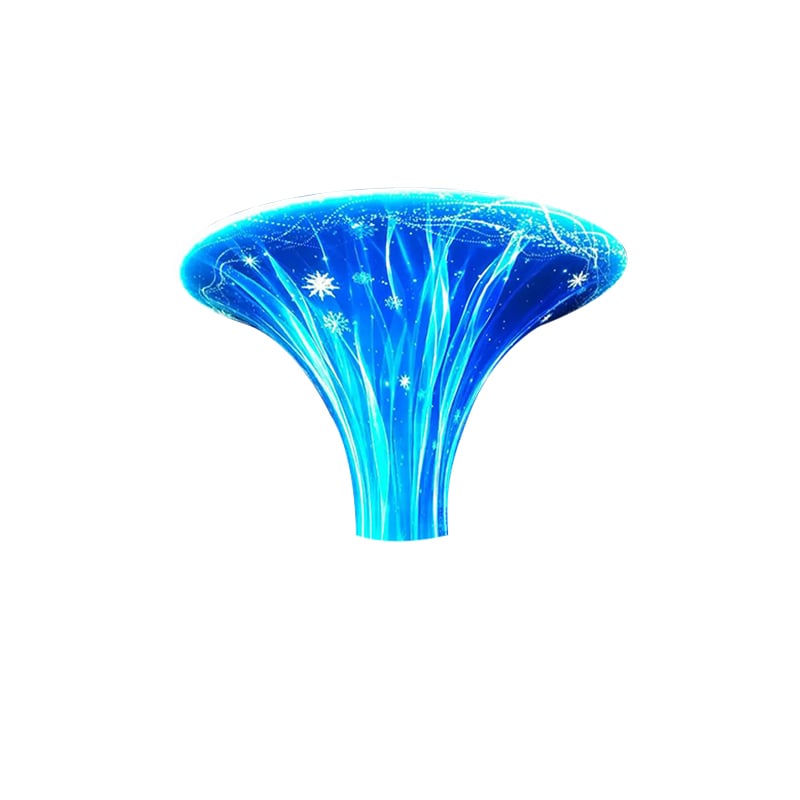
For customized designs such as circular, cylindrical, bottle-shaped, or other irregular structures, explore TOOSEN's Shaped LED Screen.
Important components include:
Custom mounting frames and brackets
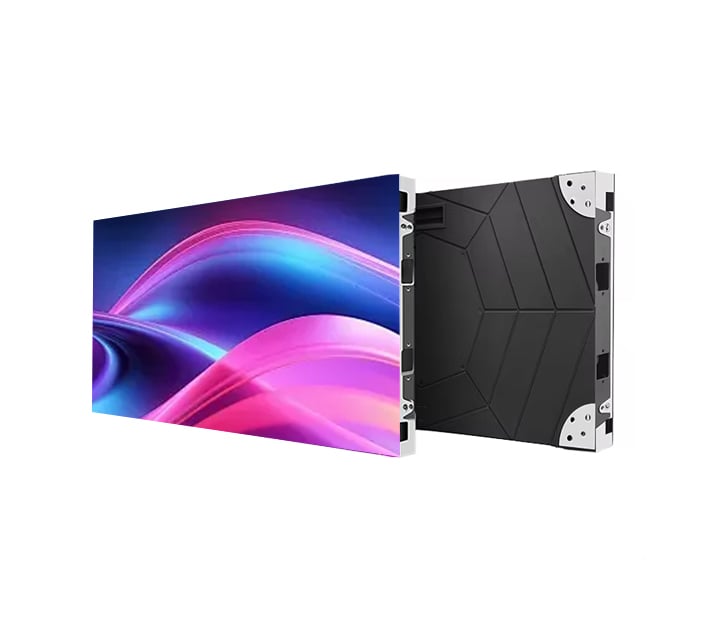
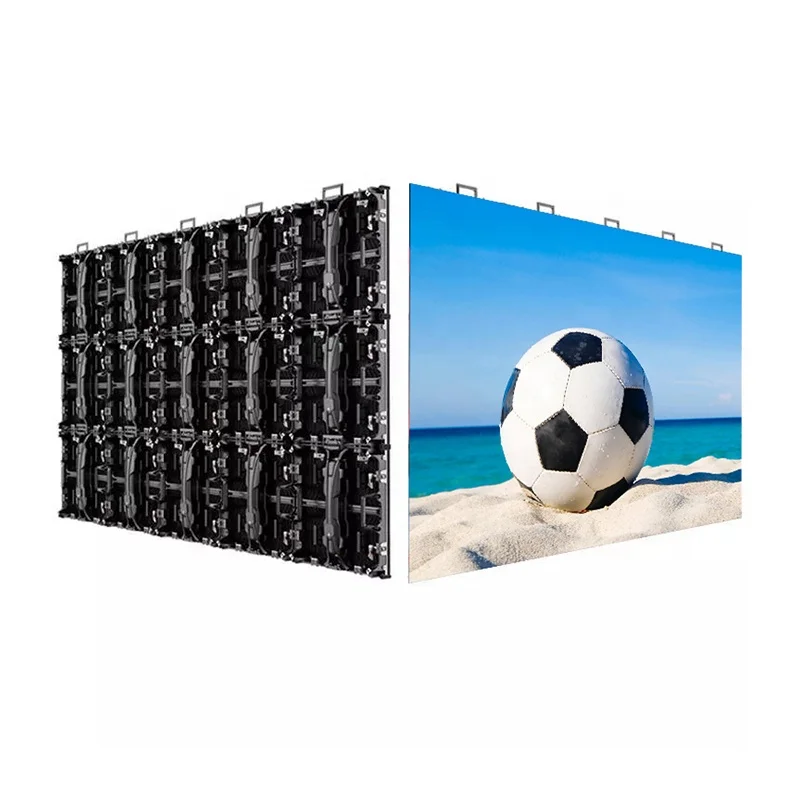
LED modules and cabinets
Power supplies and receiving cards
Signal cables and distribution equipment
Control systems and maintenance accessories
Front-maintenance access can also be useful in retail environments where reaching the back of the display is difficult.
Consider a clothing store that wants to replace an outdated curved LED advertising wall.
The store cannot afford to close for several days because its main business hours are in the afternoon and evening.
The project team first measures the existing structure and prepares the new flexible LED modules in advance.
Installation is then divided into sections. The team works on one protected area at a time, while the remaining customer space stays accessible.
After each section is installed, technicians check the connections and display performance before continuing.
Finally, the team completes full-screen testing, checks the advertising content, and removes the temporary barriers.
This approach helps reduce disruption while giving the store a refreshed digital display.
Q1: Can a shaped LED screen be replaced without closing the store?
In many cases, yes. A staged installation plan can keep unaffected areas open. However, some projects require temporary closures for electrical isolation, lifting operations, or safety reasons.
Q2: How long does a shaped LED display retrofit take?
It depends on screen size, structural complexity, existing conditions, and installation access. A site inspection is necessary to estimate the schedule accurately.
Q3: Can the original mounting frame be reused?
Sometimes. The frame must be inspected for load capacity, dimensions, alignment, and compatibility with the new display before reuse.
Q4: What should retailers prepare before installation?
Prepare the original screen drawings if available, site measurements, electrical information, installation photographs, and the expected new screen design.
Shenzhen Toosen Optoelectronics Co., Ltd. specializes in LED display manufacturing and customized OEM/ODM solutions.
With 11 years of industry experience, TOOSEN provides customized spherical, cylindrical, circular, bottle-shaped, and other creative LED displays for commercial environments.
Our services cover product design, manufacturing, installation guidance, commissioning, and after-sales technical support. We also provide technical assistance for structural design, maintenance access, and installation planning.
Whether you are upgrading an existing retail display or developing a completely new visual installation, our team can help evaluate your project requirements and recommend a suitable solution.
Planning a shaped LED display retrofit? Contact TOOSEN to discuss your store layout, installation conditions, and customization requirements.
Website: https://www.toosenled.com/
 EN
 AR
 BG
 HR
 CS
 DA
 NL
 FI
 FR
 DE
 EL
 HI
 IT
 JA
 KO
 NO
 PL
 PT
 RO
 RU
 ES
 SV
 TL
 ID
 SR
 UK
 VI
 ET
 HU
 TH
 TR
 FA
 AF
 MS
 GA
 HY
 AZ
 MN
 UZ