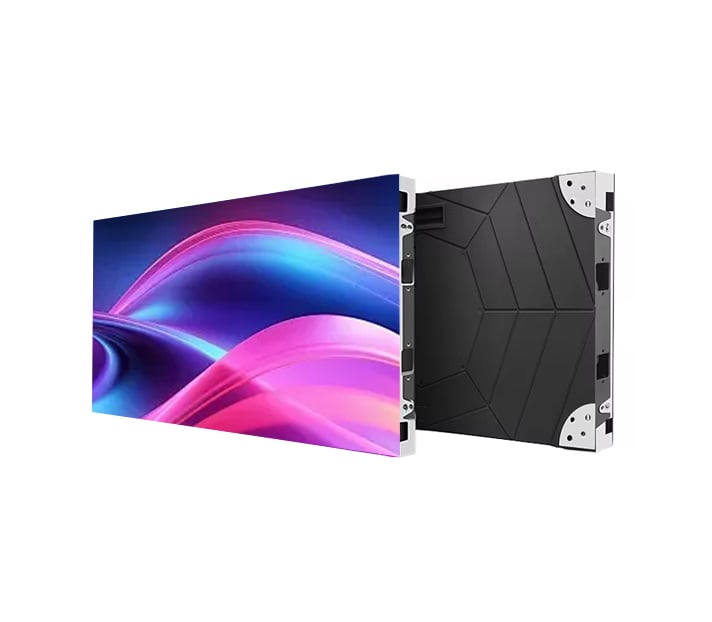
Home > News > Industry News
Creative LED displays generally support the same video formats as standard LED screens. The most commonly used formats include MP4, AVI, MOV, WMV, and several others.
However, for creative-shaped LED screens, the most important factor is not the file format itself — it is how the content is adapted to the screen’s unique shape and pixel layout.
| Format | Compatibility | Notes |
|---|---|---|
| MP4 (H.264 / H.265) | ★★★ Best | Most universal format with high compression efficiency; supported by almost all LED control systems |
| AVI | ★★☆ Good | Strong compatibility but larger file sizes |
| MOV | ★★☆ Good | Common in Apple workflows; widely supported |
| WMV | ★★☆ Good | Windows-based format; some systems may require transcoding |
| FLV | ★☆☆ Limited | Older format gradually replaced by MP4 |
| MKV | ★☆☆ Limited | Not supported by some LED systems; converting to MP4 is usually recommended |
The real challenge with creative LED displays is content mapping, not video playback.
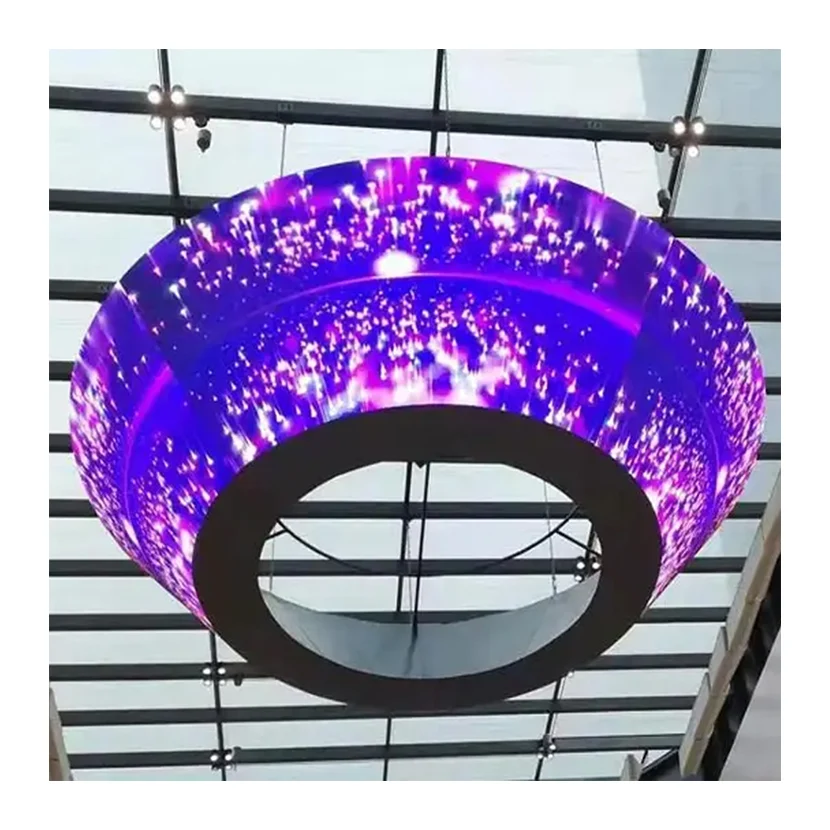
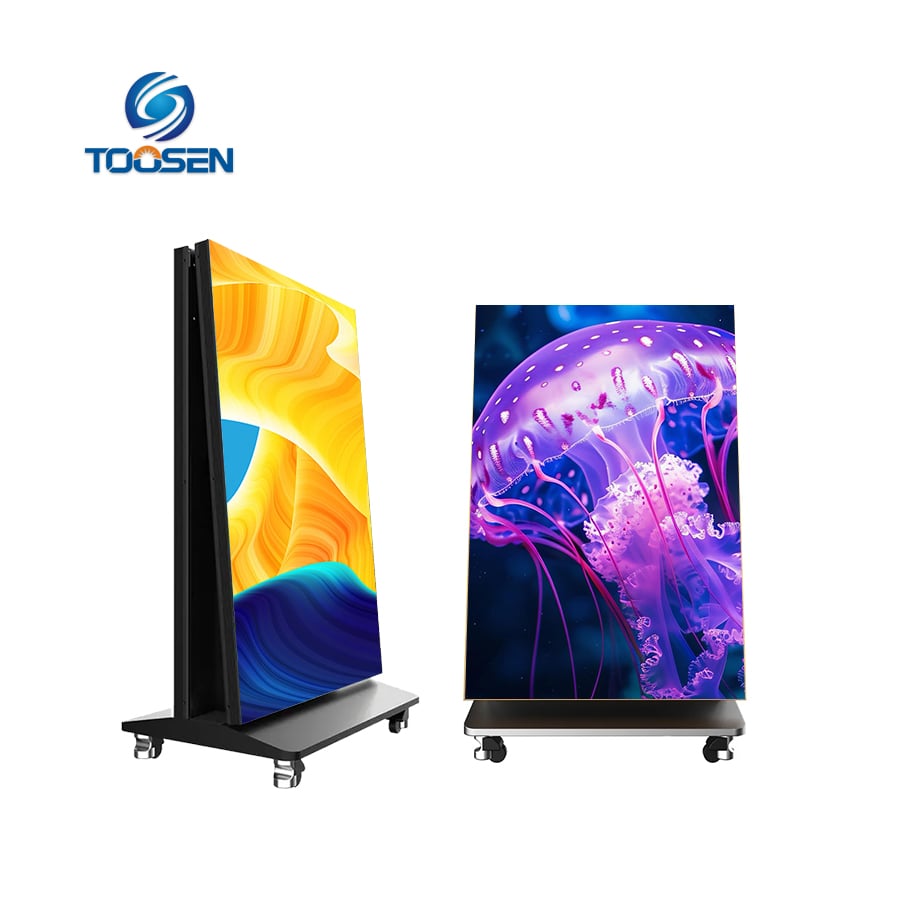
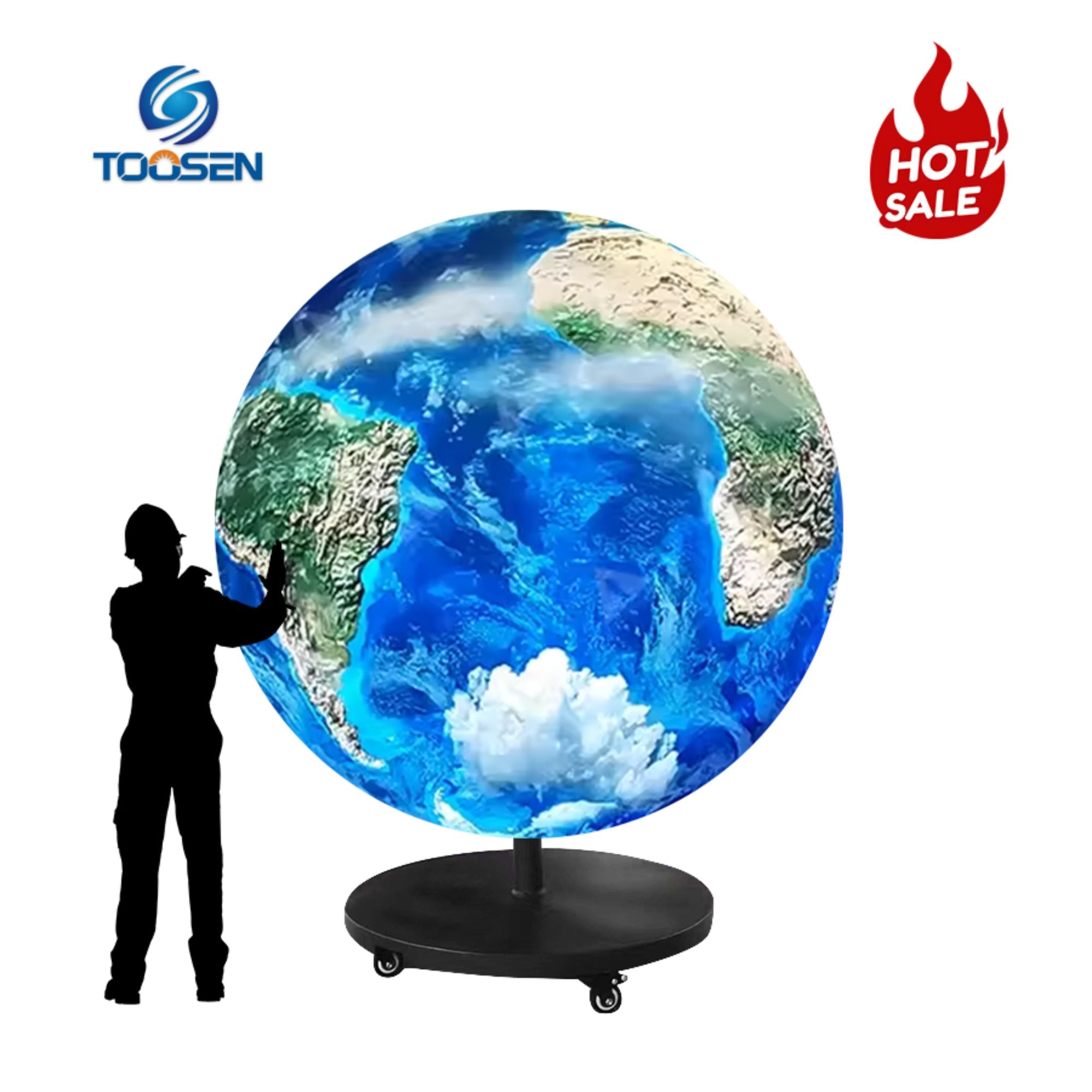
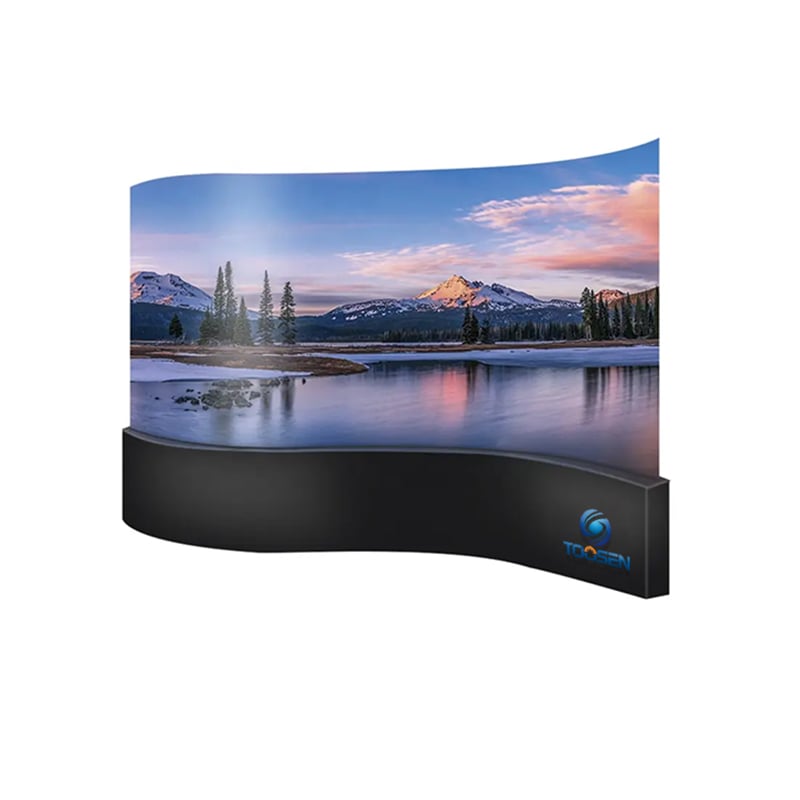
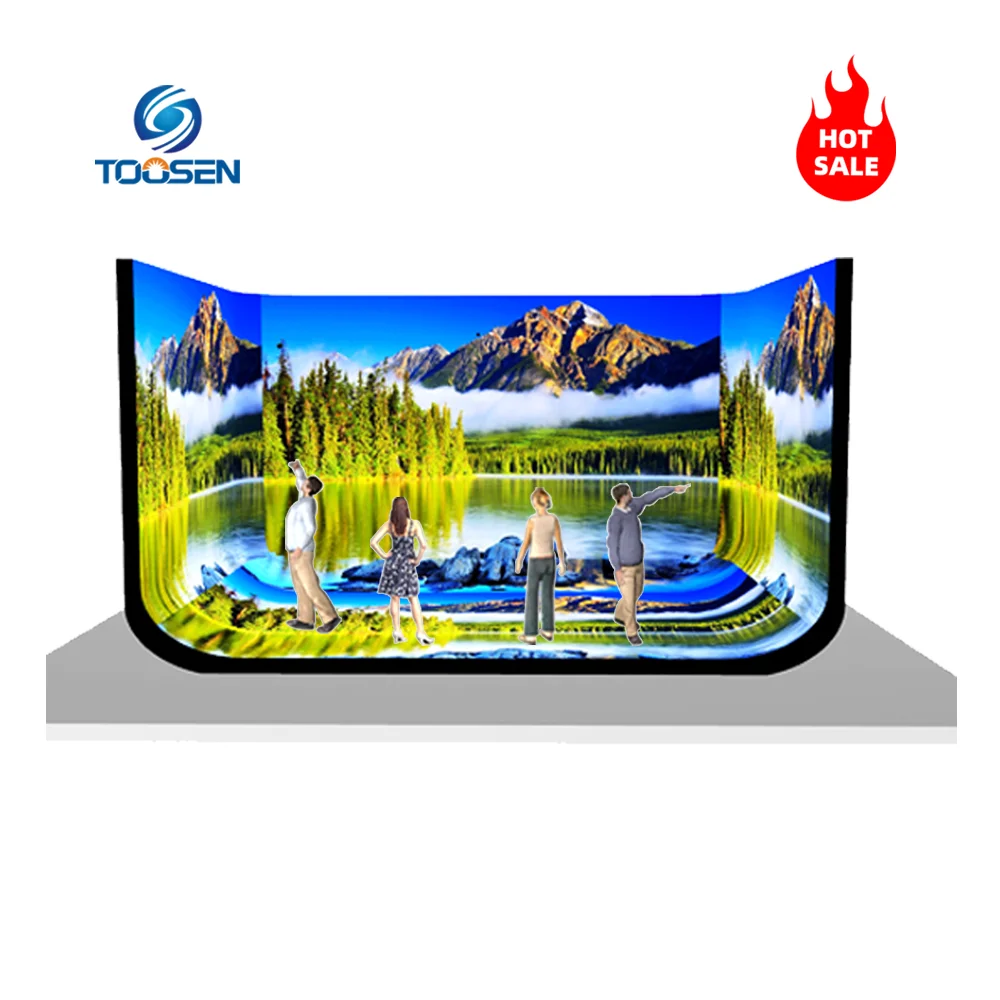
Unlike standard rectangular LED screens, creative LED displays often have irregular shapes such as:
Because of this, video content must be specially adapted to match the screen geometry.
Creative LED screens usually require pixel mapping.
This means the video resolution must correspond to:
The control system then maps or transforms the rectangular video source onto the creative display area.
Without proper mapping, content may appear:
Professional LED software typically handles this process using customized mapping templates.
Some creative LED installations include:
In these cases, standard video formats are not always sufficient.
Content may require formats with alpha channel transparency support, such as:
These formats allow transparent areas to remain invisible while only the visual elements display on the LED screen.
Highly customized LED displays such as:
often require specialized content production workflows.
Designers commonly create content using 3D software such as:
The content is then rendered according to the actual screen geometry.
For real-time playback and advanced mapping, professionals often use:
These systems support advanced real-time mapping and synchronization for irregular LED surfaces.
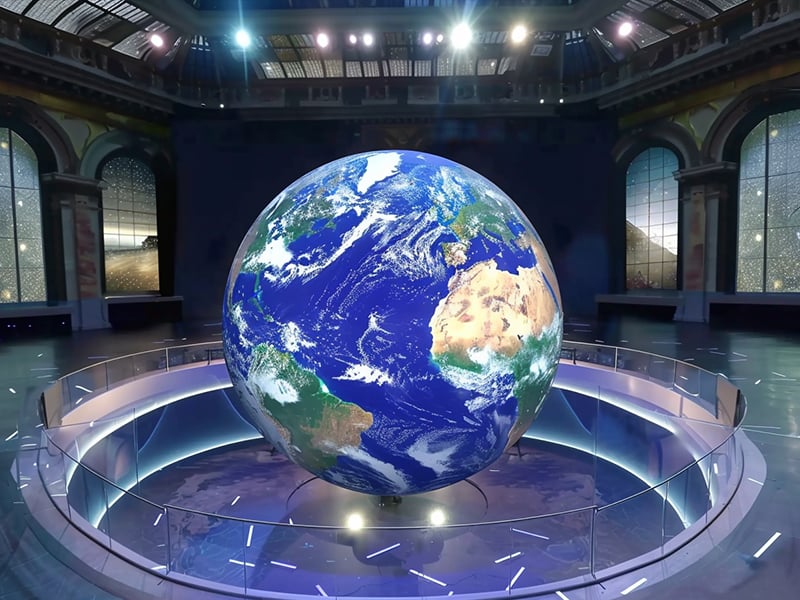
Use:
This format offers:
Use:
These formats are ideal for creative displays requiring transparent backgrounds or layered visual effects.
Before exporting content:
This prevents distortion during playback.
The safest approach is usually:
Most LED control systems support it reliably.
You should also check the specifications of your LED controller or media server before final delivery.
Creative LED displays support most mainstream video formats, including MP4, AVI, MOV, and WMV.
However, the key difference is not the format itself — it is how the content is adapted to the screen’s irregular shape.
For best results:
In creative LED projects, proper pixel mapping and content customization are often more important than the video format alone.
 EN
EN
 AR
AR
 BG
BG
 HR
HR
 CS
CS
 DA
DA
 NL
NL
 FI
FI
 FR
FR
 DE
DE
 EL
EL
 HI
HI
 IT
IT
 JA
JA
 KO
KO
 NO
NO
 PL
PL
 PT
PT
 RO
RO
 RU
RU
 ES
ES
 SV
SV
 TL
TL
 ID
ID
 SR
SR
 UK
UK
 VI
VI
 ET
ET
 HU
HU
 TH
TH
 TR
TR
 FA
FA
 AF
AF
 MS
MS
 GA
GA
 HY
HY
 AZ
AZ
 MN
MN
 UZ
UZ