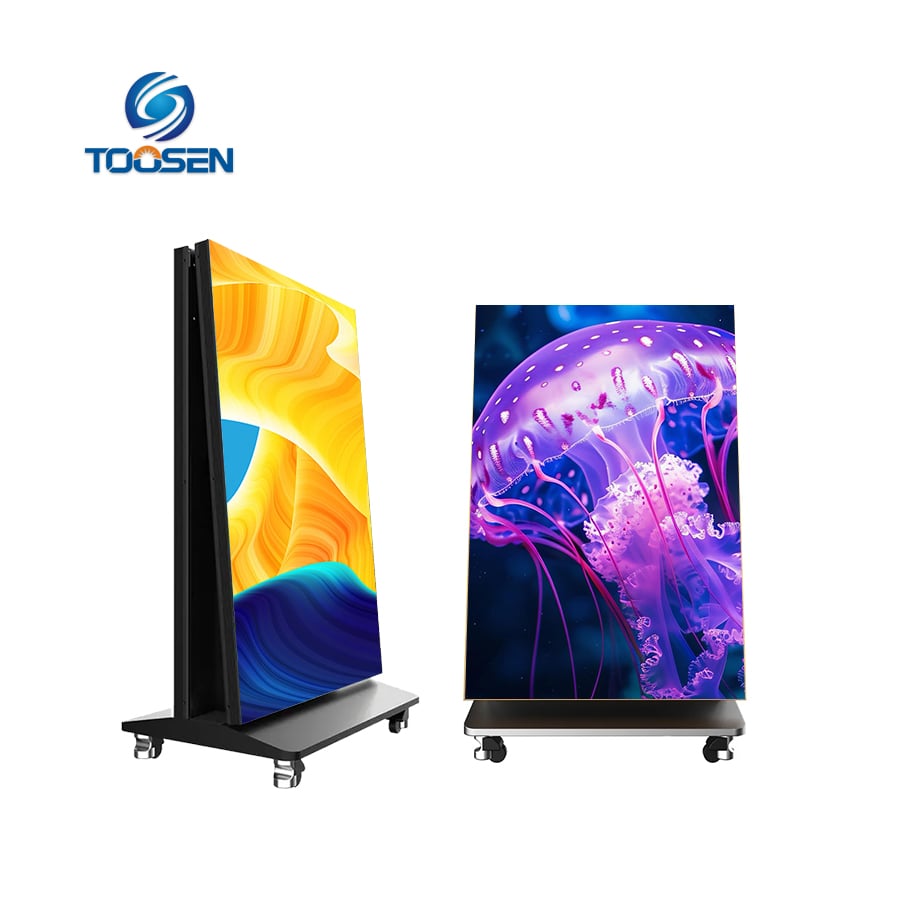
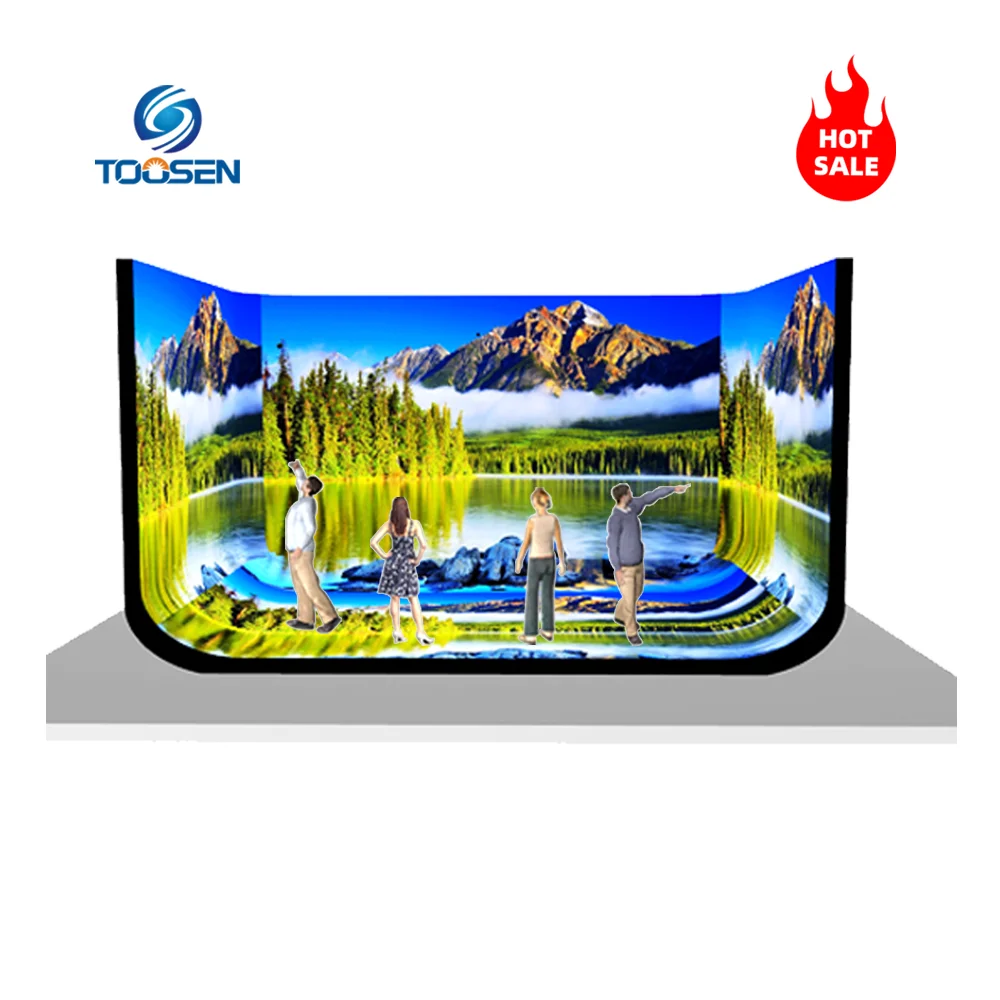
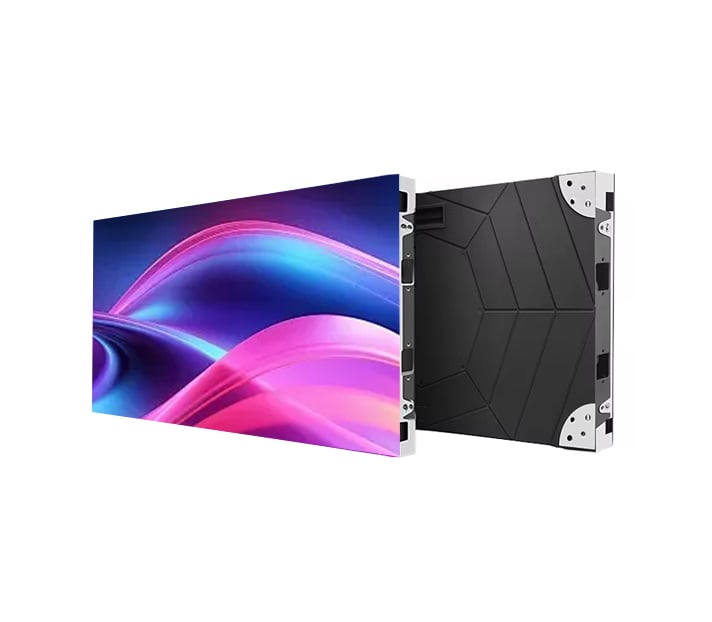
When planning a custom creative LED display, providing detailed project information helps the manufacturer design the right solution, estimate costs accurately, and avoid delays or rework later. Here are the key details suppliers usually need:
1. Basic Physical Specifications
Size & Shape
Provide the display dimensions (width × height × depth) and describe the desired shape, such as:
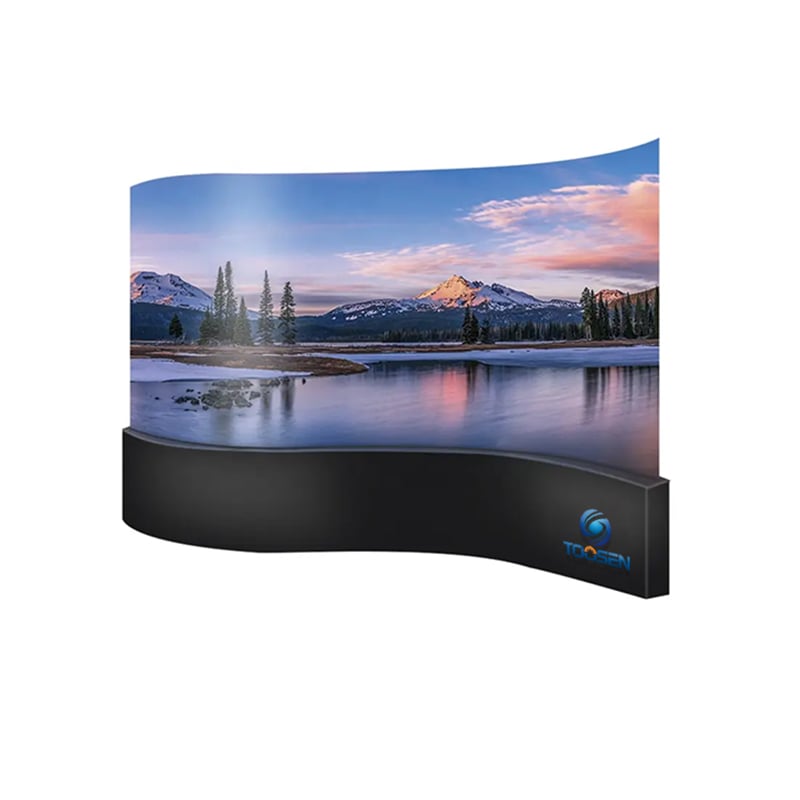
- Curved LED screen
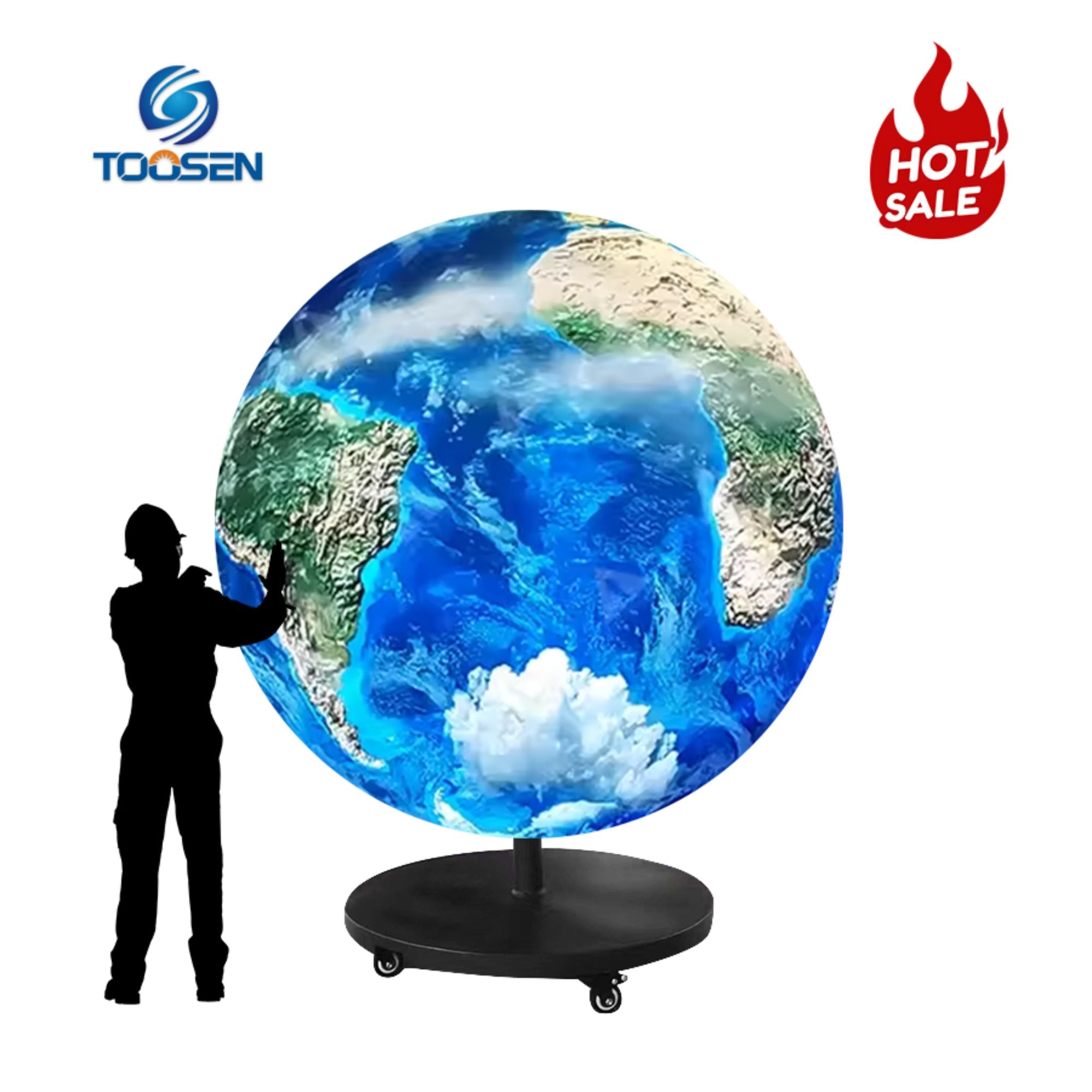
- Spherical LED display
- Cylindrical LED screen
- Wave-shaped display
- Letter or logo-shaped LED display
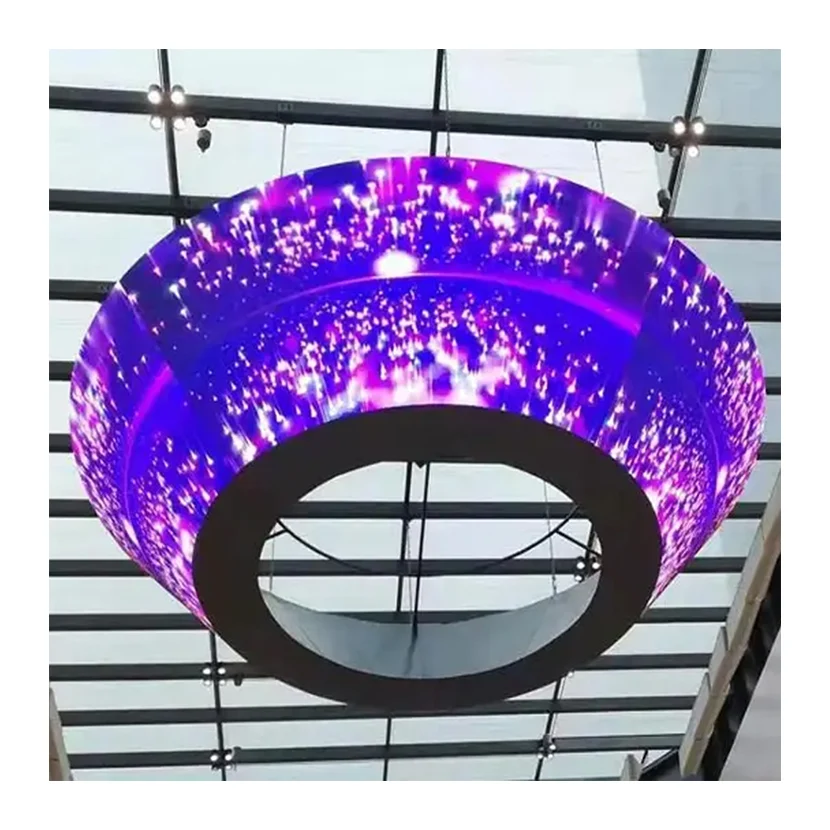
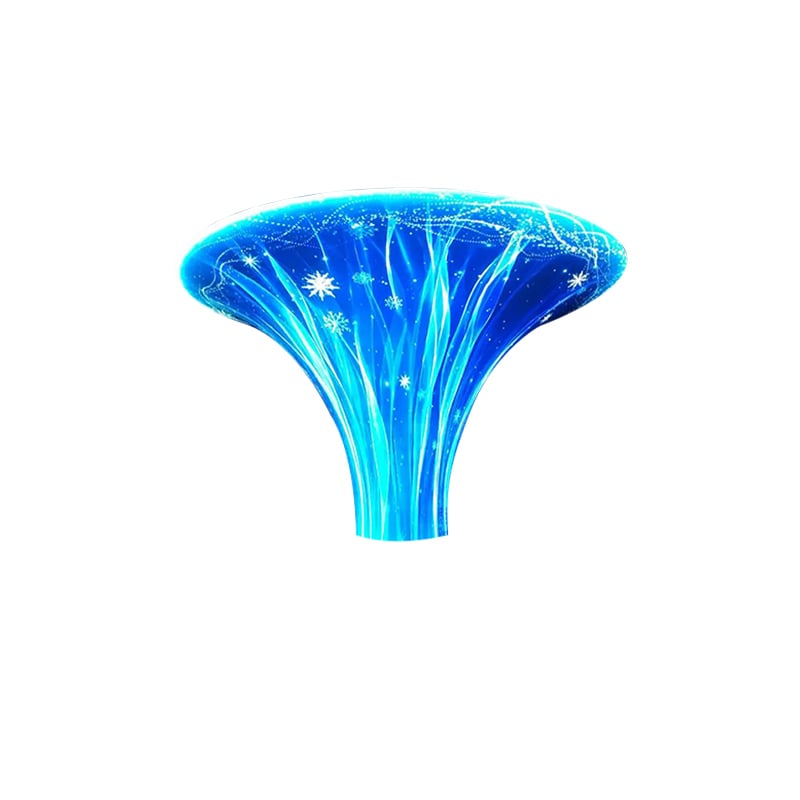
- Custom artistic structures
Installation Environment
Specify where and how the screen will be installed:
- Indoor or outdoor
- Wall-mounted
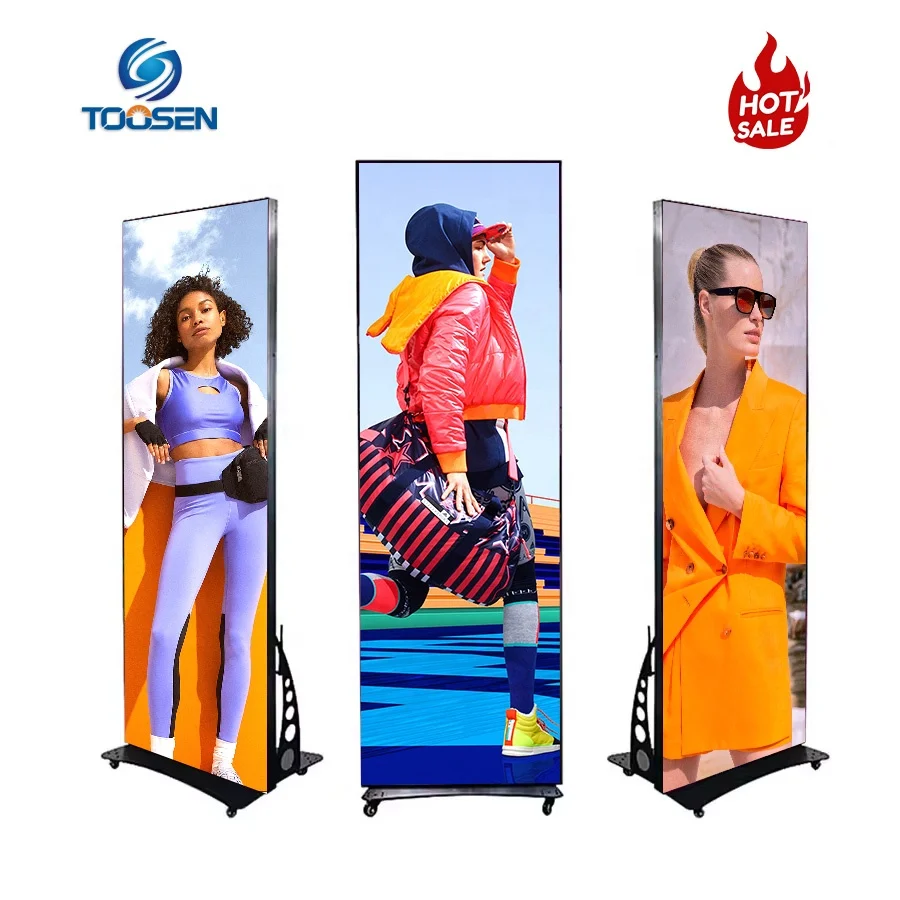
- Floor-standing
- Ceiling-mounted
- Hanging installation
- Freestanding structure
Maintenance Requirements
Indicate whether the display needs:
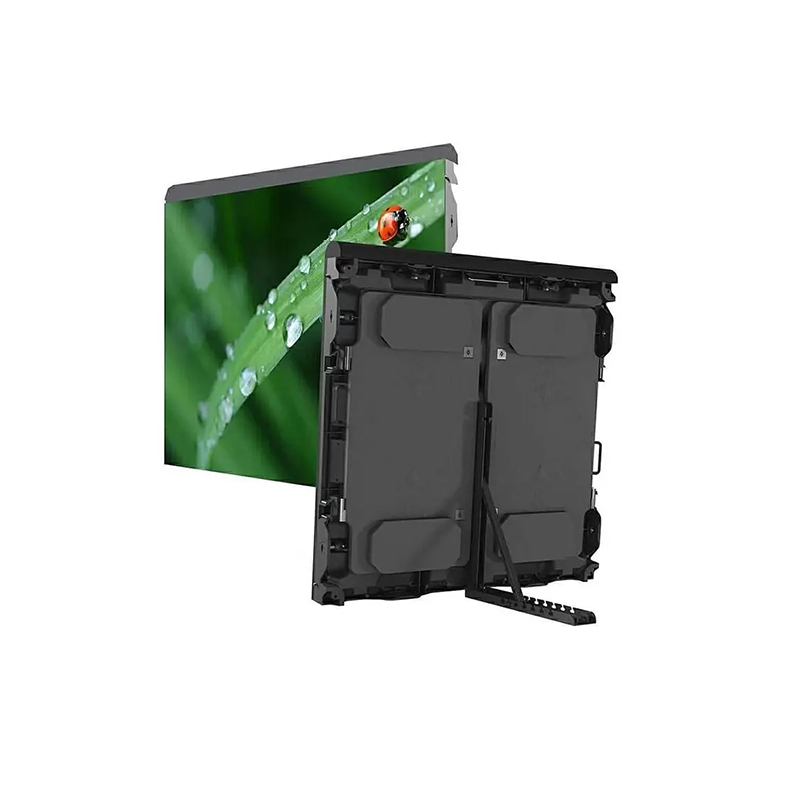
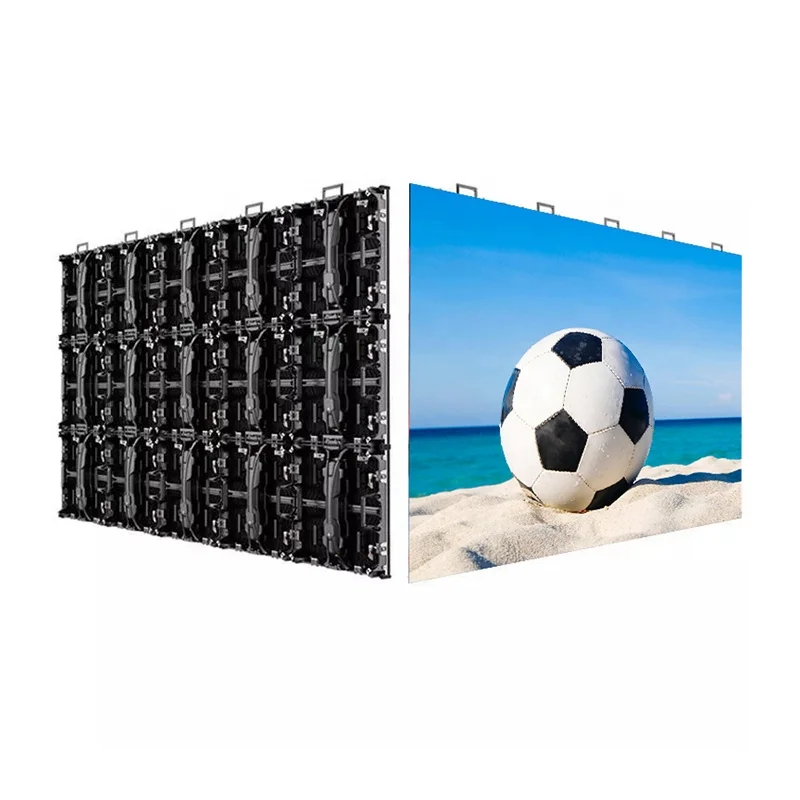
- Front maintenance or rear maintenance
- Ultra-thin cabinet design
- Lightweight structure requirements
2. Display Performance Requirements
Pixel Pitch
Choose the appropriate pixel pitch (P value), such as P2.5, P3, or P4.
- Smaller pixel pitch = higher resolution and closer viewing distance
- Larger pixel pitch = lower cost and better for long-distance viewing
Brightness
Brightness requirements depend on the installation environment:
- Indoor LED displays: typically 800–1500 cd/m²
- Outdoor LED displays: usually 5000 cd/m² or higher
Refresh Rate
Refresh rate is especially important for filming and live broadcasting:
- Standard projects: 3840Hz
- Professional virtual production or camera applications: 7680Hz or higher
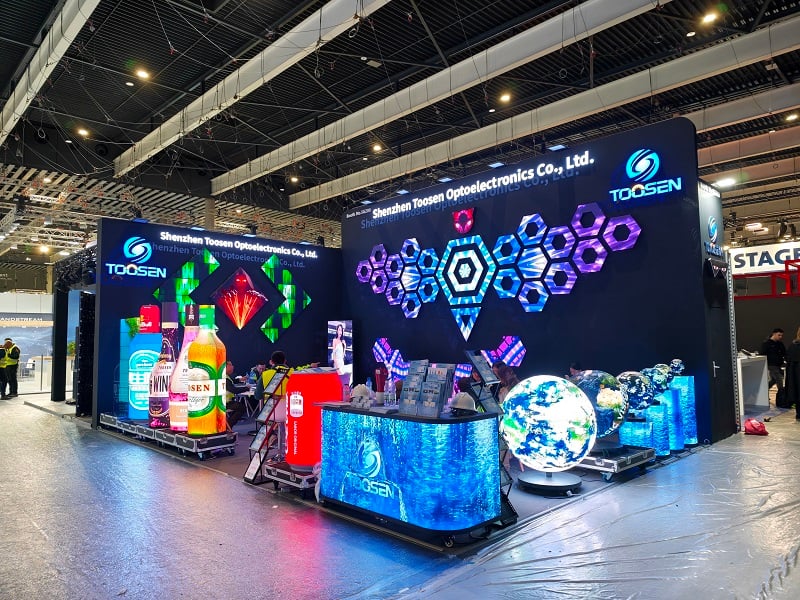
For example, Toosen’s customized LED displays can support refresh rates up to 15360Hz for ultra-smooth visual performance.
3. Creative Design & Functional Requirements
Screen Type
Let the supplier know which type of display you need:
- Standard rigid LED screen
- Flexible LED display
- Transparent LED screen
- Mesh/grid LED display
- Holographic LED display
- Naked-eye 3D corner screen
Interactive Features
If interaction is required, specify the functions needed:
- Touch interaction
- Motion sensing
- Radar sensing
- Mobile phone interaction
- Audio-visual synchronization
Content Application
Describe the type of content the screen will display:
- Video playback
- Real-time data visualization
- Interactive games
- Digital art installations
- Advertising content
- Stage or event visuals
4. Electrical & Site Conditions
Power Supply
Provide details about:
- Local voltage
- Available power capacity
- Distribution box location
Signal Transmission
Explain the distance between the control room and the LED screen, as well as available cabling conditions:
- Network cable
- Fiber optic transmission
Waterproof & Environmental Protection
For outdoor projects, protection ratings are critical:
- IP65 or above for outdoor applications
- Anti-corrosion and salt-fog protection for coastal environments
5. Budget, Timeline & After-Sales Service
Budget Range
Your budget affects:
- LED component selection
- Cabinet materials
- Control system configuration
- Overall display quality
Project Timeline
Specify the expected schedule for:
- Design
- Production
- Installation
- Final commissioning
Warranty & Technical Support
Most LED display manufacturers offer 2–3 years of warranty coverage.
For example, Toosen provides:
- 2-year global warranty starting from the arrival of goods at the destination port
- Free replacement parts for non-human damage during the warranty period, including:
- LED modules
- Power supplies
- Receiving cards
- Free shipping for replacement parts during warranty
- Lifetime technical support with 24/7 online assistance and video guidance
- After warranty expiration, only component costs are charged, with no technical service fees
Additional Materials That Help the Supplier
To speed up evaluation and engineering design, it is highly recommended to provide:
- Site photos or videos
- CAD drawings or architectural plans
- Reference images or similar project examples
- Sample content or descriptions of what will be displayed
These materials help the manufacturer determine:
- Whether custom molds are required
- Structural load-bearing solutions
- Control system configuration
- Installation feasibility
Providing complete information early in the process improves communication, shortens project timelines, and ensures the final creative LED display matches your expectations.

 EN
EN
 AR
AR
 BG
BG
 HR
HR
 CS
CS
 DA
DA
 NL
NL
 FI
FI
 FR
FR
 DE
DE
 EL
EL
 HI
HI
 IT
IT
 JA
JA
 KO
KO
 NO
NO
 PL
PL
 PT
PT
 RO
RO
 RU
RU
 ES
ES
 SV
SV
 TL
TL
 ID
ID
 SR
SR
 UK
UK
 VI
VI
 ET
ET
 HU
HU
 TH
TH
 TR
TR
 FA
FA
 AF
AF
 MS
MS
 GA
GA
 HY
HY
 AZ
AZ
 MN
MN
 UZ
UZ