Home > News > Industry News
In simple terms, an LED display screen consists of multiple display units that connect together to form a complete screen, along with a control system that manages the content and signal transmission.
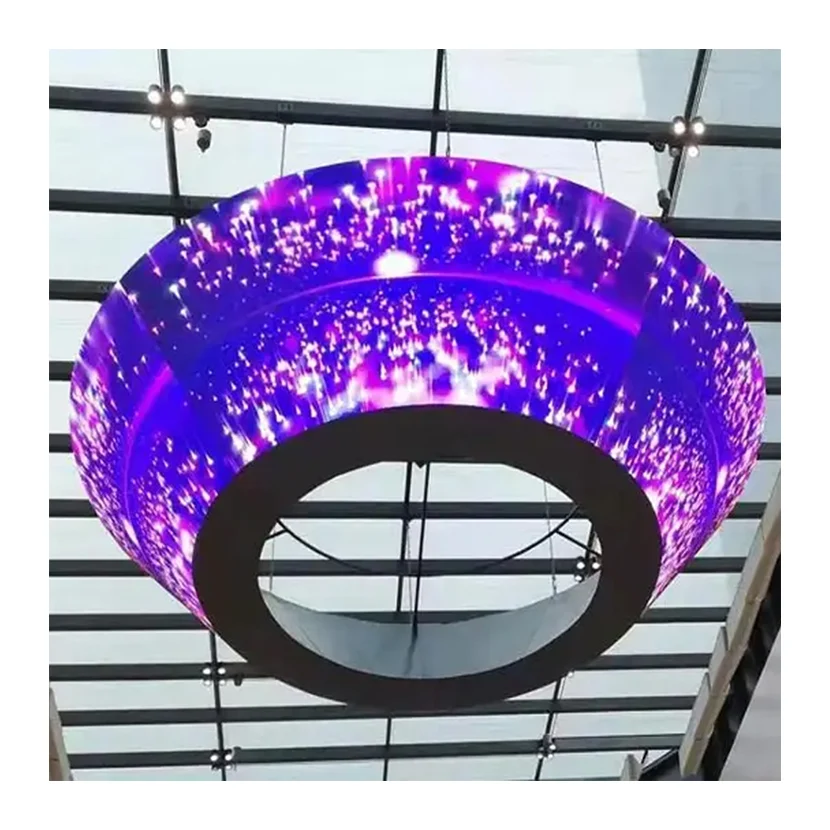
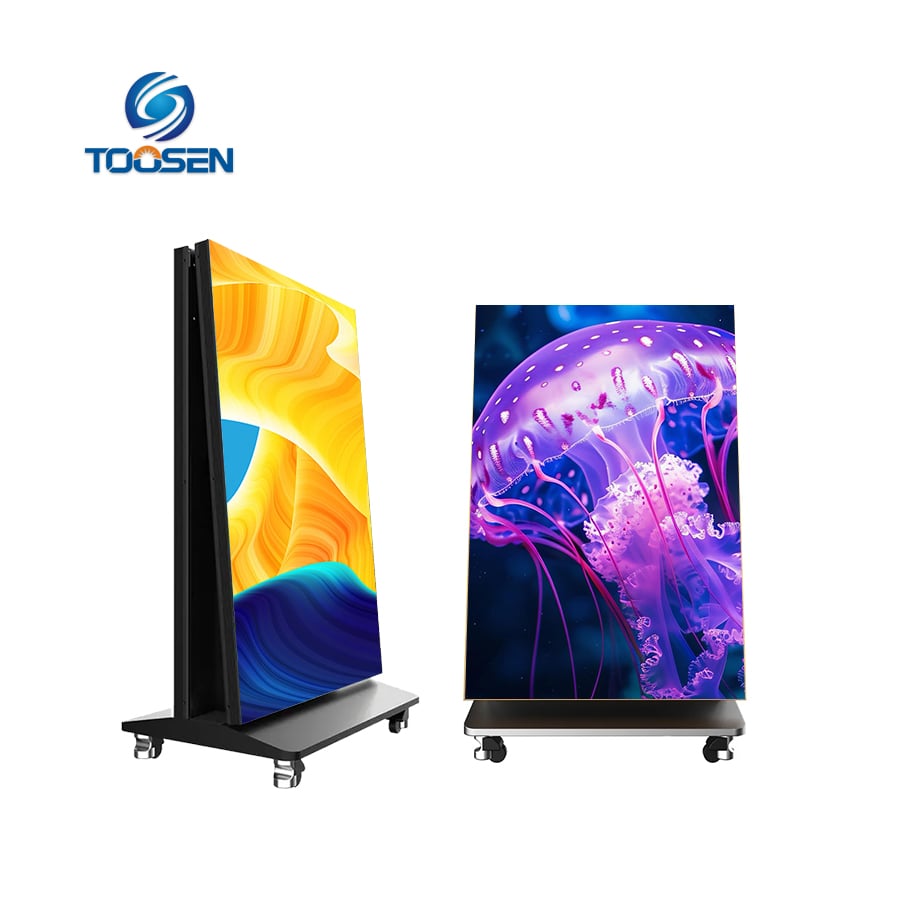
Because manufacturers can combine different cabinet sizes, module specifications, and control systems, LED displays can adapt to a wide range of environments and application requirements. For example, they support indoor advertising, outdoor billboards, stage events, conference rooms, sports venues, and broadcast studios.
A typical LED display system—especially a more advanced synchronous video LED screen—includes the following key components.
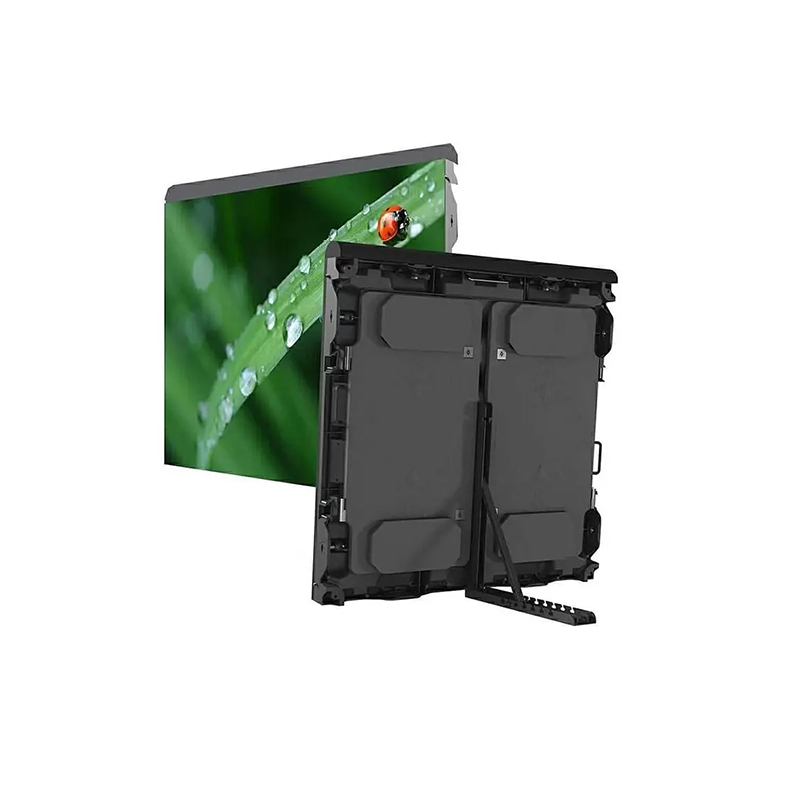
The metal frame serves as the structural foundation of the LED display. It supports the display modules, power supplies, control boards, and other internal components.
Indoor displays usually use aluminum alloy structures, such as angle aluminum or square aluminum tubing, to create the internal framework. Manufacturers often finish the outer frame with:
Outdoor displays require stronger support structures because of larger screen sizes and wind-load requirements. Therefore, manufacturers commonly use:
In addition, many outdoor screens use aluminum composite panels for exterior decoration and weather protection.
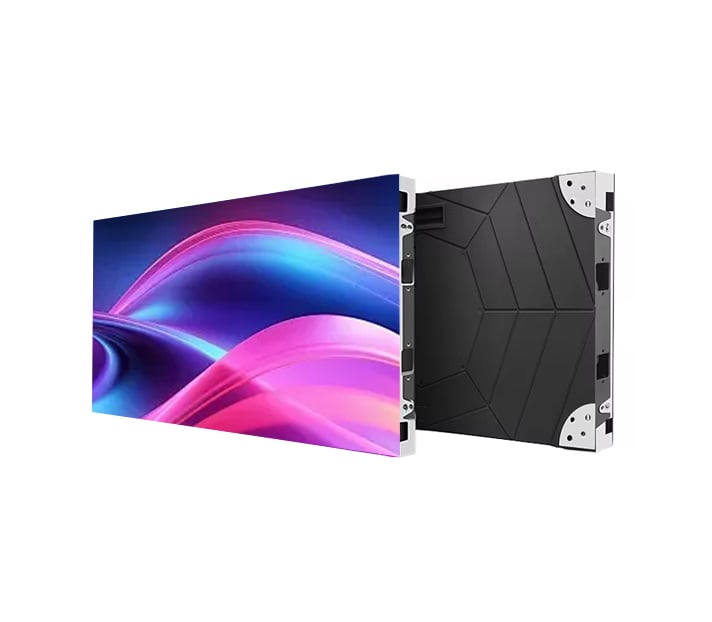
The display unit forms the core of the LED screen. It includes:
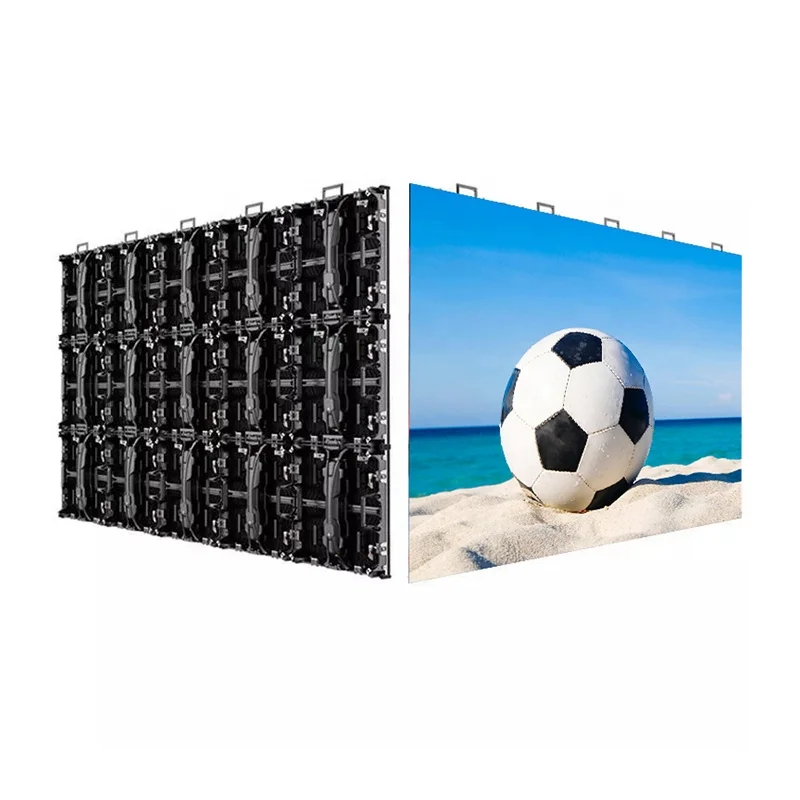
Indoor LED displays typically use modular LED panels, while outdoor screens often use enclosed LED cabinets designed for waterproof and dustproof protection.
Since these units connect seamlessly together, users can build screens in different sizes and resolutions.
The scanning control board manages signal processing inside the display.
Its main functions include:
As a result, the board helps maintain stable image quality and smooth video playback.
The switching power supply converts standard 220V AC electricity into the DC voltages required by different LED display components.
It powers:
A stable power supply plays a critical role in display reliability and long-term operation.
The system uses twisted-pair cables to transmit display data and control signals from the main controller to the LED screen.
These cables help:
Therefore, they remain widely used in LED display systems.
The main controller acts as the “brain” of the LED display system.
It performs several important tasks:
The controller ultimately determines how content appears on the LED screen.
Specialized display cards not only perform standard computer graphics functions, but also output:
Meanwhile, multimedia cards can convert analog video signals into digital RGB signals through video capture processing.
This allows the LED display to support multiple video sources and media formats.
The computer controls content playback, screen management, and system configuration.
Common peripheral devices include:
Operators use these devices to manage playlists, live feeds, advertisements, and real-time content updates.
LED displays can also connect to external media and broadcast equipment, such as:
These devices provide additional input sources for live events, broadcasting, advertising, and multimedia presentations.
An LED display screen is much more than just a group of LED panels. In reality, it combines structural engineering, signal transmission, video processing, power management, and intelligent control systems into one integrated solution.
Because each component plays a specific role, the overall performance of the screen depends on how well these elements work together. Therefore, when selecting an LED display system, buyers should evaluate not only the LED modules themselves, but also the cabinet structure, controller quality, power system, and signal management capabilities.
 EN
EN
 AR
AR
 BG
BG
 HR
HR
 CS
CS
 DA
DA
 NL
NL
 FI
FI
 FR
FR
 DE
DE
 EL
EL
 HI
HI
 IT
IT
 JA
JA
 KO
KO
 NO
NO
 PL
PL
 PT
PT
 RO
RO
 RU
RU
 ES
ES
 SV
SV
 TL
TL
 ID
ID
 SR
SR
 UK
UK
 VI
VI
 ET
ET
 HU
HU
 TH
TH
 TR
TR
 FA
FA
 AF
AF
 MS
MS
 GA
GA
 HY
HY
 AZ
AZ
 MN
MN
 UZ
UZ