Home > News > Industry News
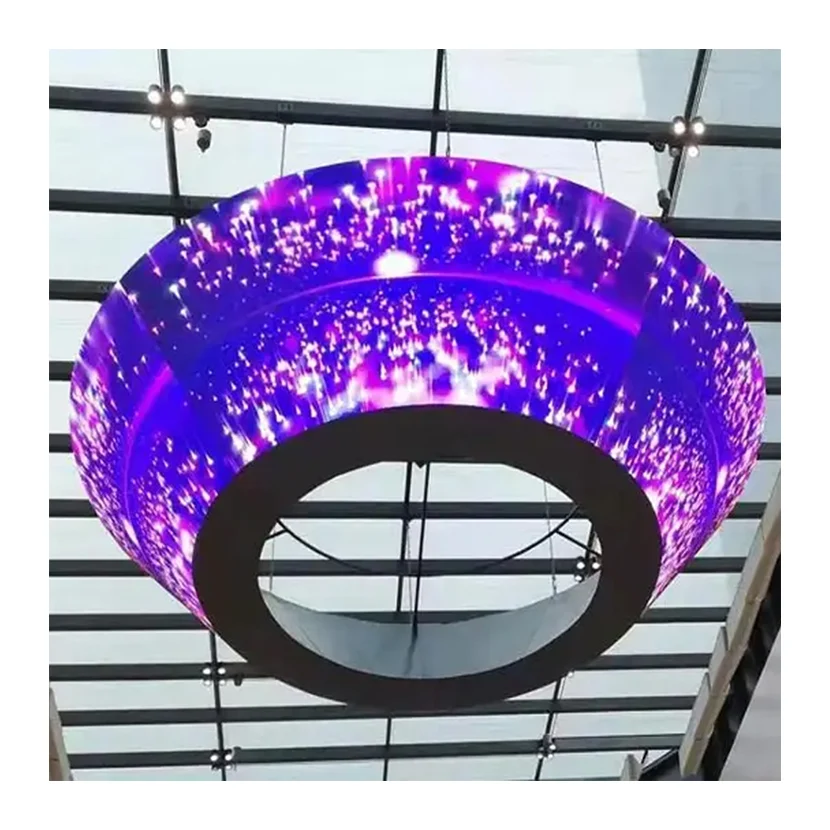
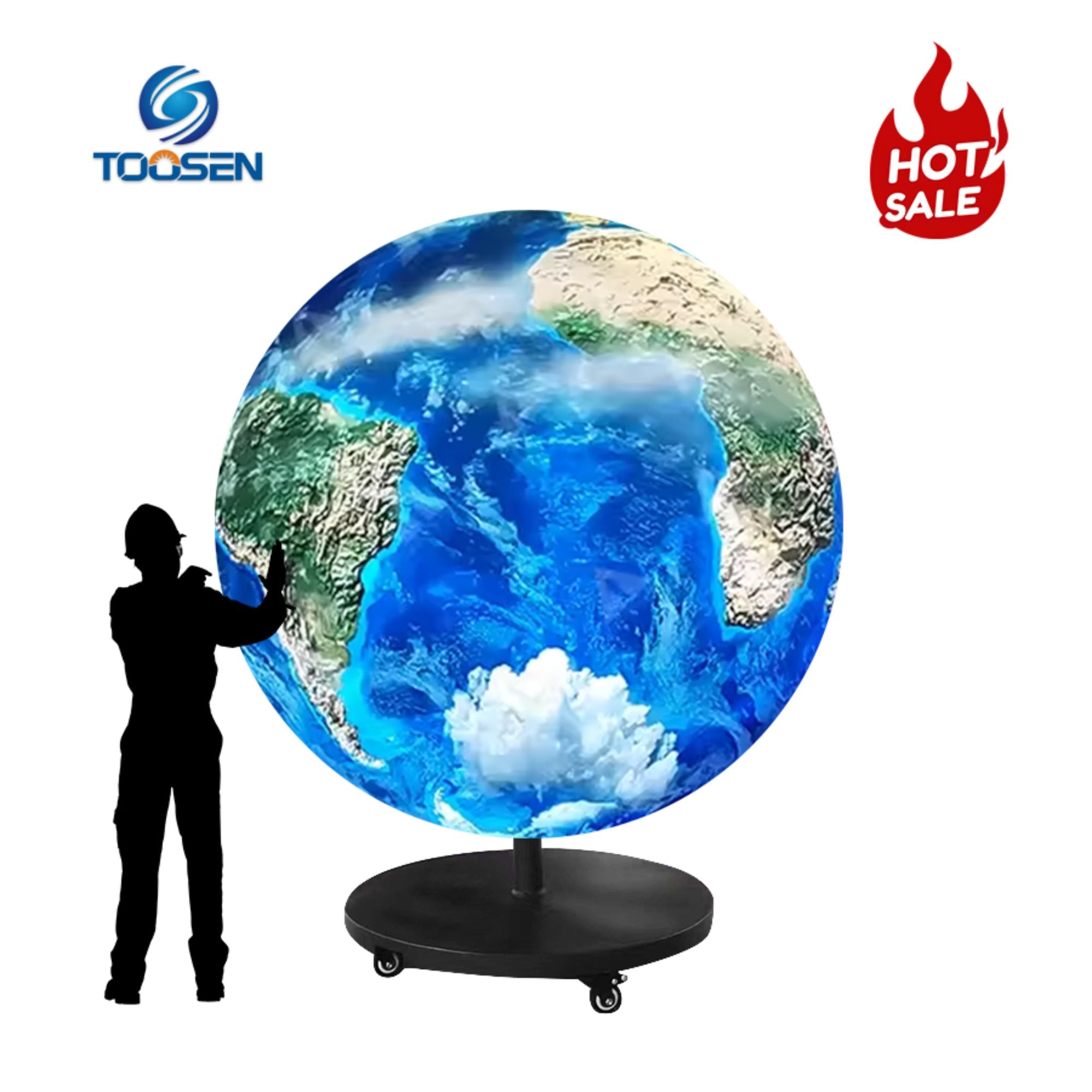
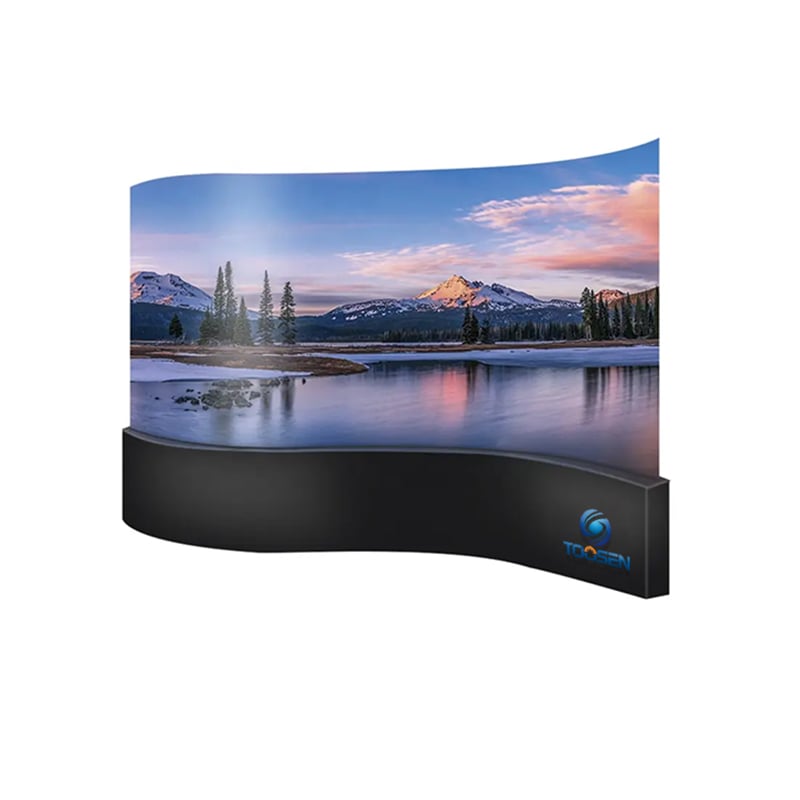
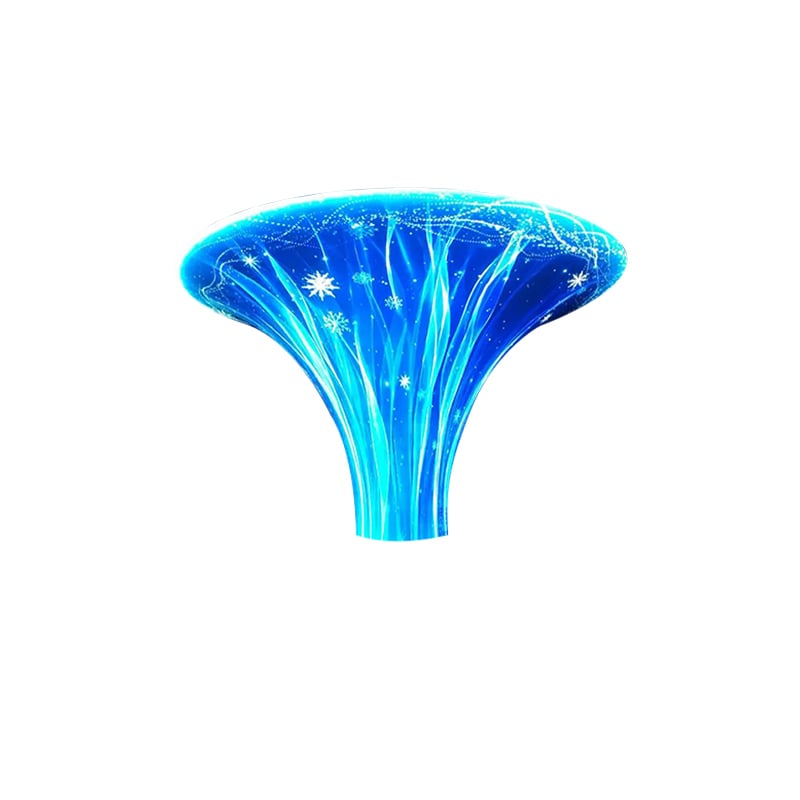
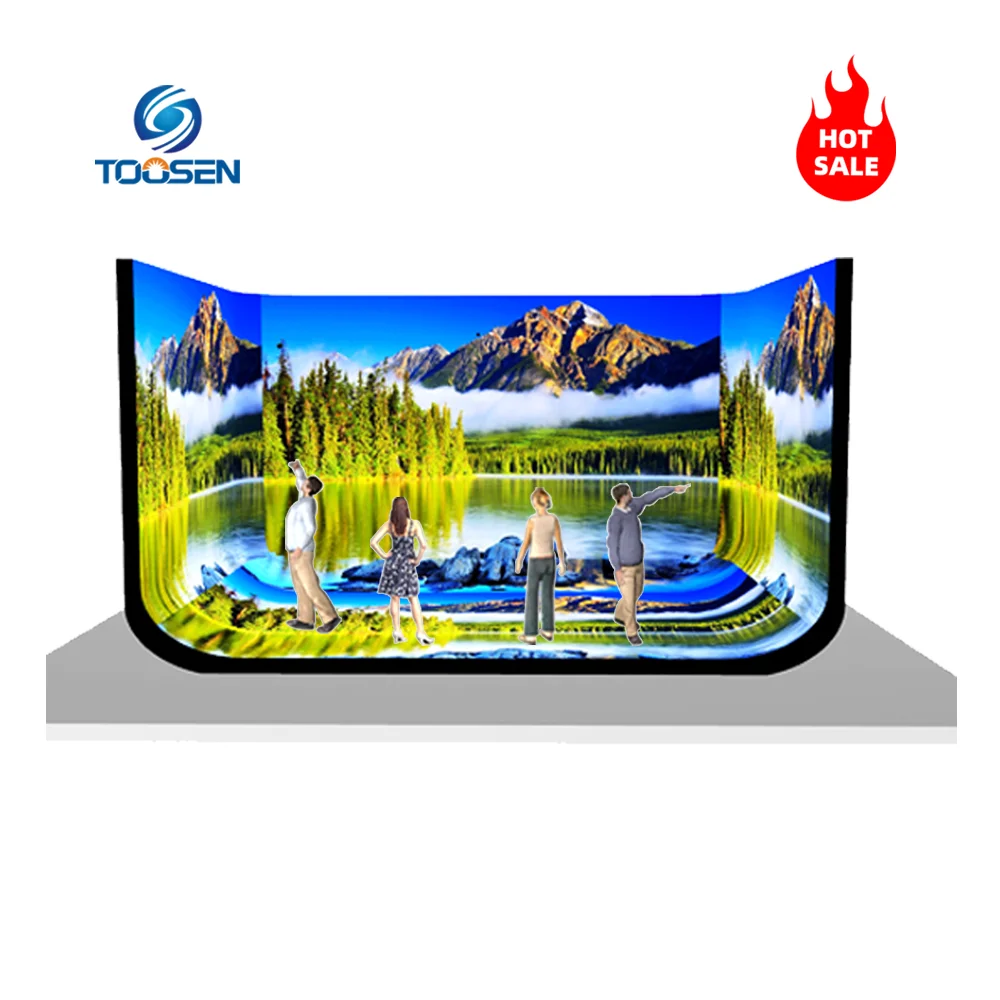
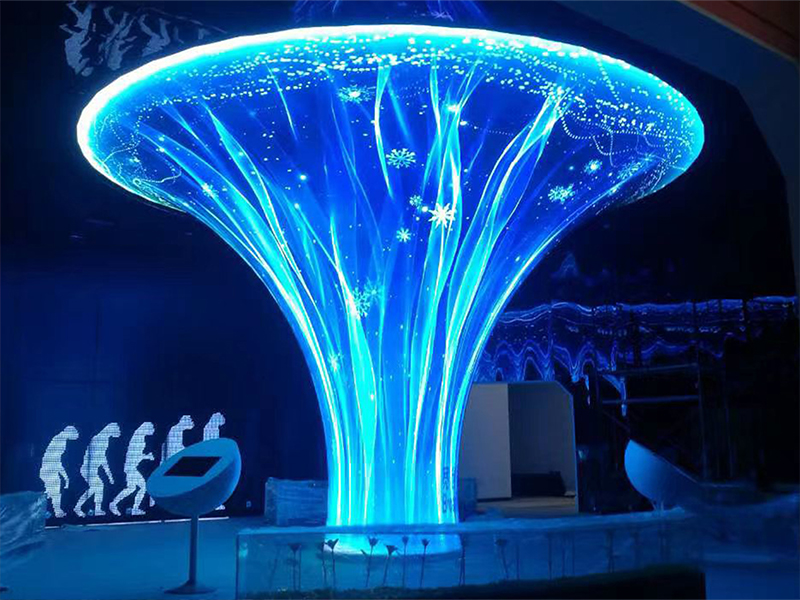
Common cathode and common anode are two fundamental LED driving circuit designs. Irregular LED displays — including curved screens, spherical LED screens, cylindrical displays, and creative LED installations — also follow these same electrical principles inside their modules.
However, the choice between common cathode and common anode directly affects power consumption, heat generation, stability, and overall screen performance.
In a common cathode design, all LED cathodes (negative terminals) connect together as a shared public terminal.
The common cathode usually connects to ground (GND). To light up a specific LED, the system sends a high-level signal to the LED’s anode (positive terminal).
Power flows in this direction:
Anode → LED → Cathode → Ground
One of the biggest advantages of common cathode technology is energy efficiency. Modern irregular LED screens and creative LED displays widely use this design because it can reduce energy consumption by approximately 30% to 50% compared to common anode systems.
Since the system consumes less power, it also produces less heat. This becomes extremely important for irregular LED displays because their unique structures often leave limited space for ventilation and cooling.
Lower operating temperatures improve heat dissipation and help maintain stable performance over long operating periods.
Reduced heat helps slow LED light decay and extends the service life of the display.
Each LED requires an independent anode driving line, so the circuit structure becomes slightly more complicated.
In a common anode design, all LED anodes (positive terminals) connect together as the shared terminal.
The common anode usually connects to the positive power supply (VCC). To activate a specific LED, the system sends a low-level signal to the LED’s cathode (negative terminal).
Power flows in this direction:
Power Supply → Anode → LED → Cathode → Driver IC
Common anode systems have existed for many years and remain widely used in traditional LED modules and digital displays.
The circuit structure is relatively simple, which helps reduce production costs.
Because all positive terminals connect together, engineers can simplify certain wiring arrangements.
Compared with common cathode systems, common anode designs consume more electricity and generate more heat.
The higher thermal output increases cooling demands, especially in compact or enclosed display structures.
| Comparison Item | Common Cathode | Common Anode |
|---|---|---|
| Power Consumption | Lower | Higher |
| Energy Saving | 30%–50% More Efficient | Lower Efficiency |
| Heat Generation | Lower | Higher |
| Cooling Requirement | Lower | Higher |
| Circuit Complexity | Slightly Higher | Simpler |
| Cost | Slightly Higher | Lower |
| Stability | Better for Long-Term Use | Standard |
| Typical Applications | High-end irregular LED screens, energy-saving projects | Conventional LED screens, budget projects |
Modern irregular LED displays increasingly favor common cathode solutions for several important reasons.
Creative LED structures often contain curved surfaces, compact internal layouts, and customized frames. These designs leave less room for airflow and cooling systems.
Therefore, low heat generation becomes a major advantage.
Many creative LED projects operate continuously in commercial spaces, exhibitions, stages, museums, and architectural installations. Stable operation and energy efficiency are critical in these environments.
Large irregular LED screens can consume substantial electricity. Common cathode technology helps reduce long-term operating costs significantly.
Lower temperatures reduce LED aging and light attenuation, helping maintain brightness consistency over time.
The core difference between common cathode and common anode LED displays lies in whether the shared terminal connects to the negative side or the positive side of the circuit.
For irregular LED screens, common cathode technology has become the industry trend because it delivers lower power consumption, reduced heat generation, improved stability, and longer service life.
Although common cathode systems usually cost more and require more complex driving circuits, their advantages make them ideal for modern high-end creative LED display projects.
 EN
EN
 AR
AR
 BG
BG
 HR
HR
 CS
CS
 DA
DA
 NL
NL
 FI
FI
 FR
FR
 DE
DE
 EL
EL
 HI
HI
 IT
IT
 JA
JA
 KO
KO
 NO
NO
 PL
PL
 PT
PT
 RO
RO
 RU
RU
 ES
ES
 SV
SV
 TL
TL
 ID
ID
 SR
SR
 UK
UK
 VI
VI
 ET
ET
 HU
HU
 TH
TH
 TR
TR
 FA
FA
 AF
AF
 MS
MS
 GA
GA
 HY
HY
 AZ
AZ
 MN
MN
 UZ
UZ