Home > News > Industry News
LED screens have become a core visual tool for modern events. They improve engagement, deliver clear information, and create strong visual impact. However, if you are new to using LED screens, the wrong choice can lead to poor results or unnecessary costs.
To avoid common mistakes, you should plan carefully. This guide explains the key factors to consider before using LED screens for events, from screen type to installation and content design.
First, always match the LED screen to your event type. Different events have different display needs.
For conferences and forums, text clarity matters most. Speakers’ names, slides, and agendas must stay readable. Therefore, choose an LED screen with a small pixel pitch and stable brightness to ensure small fonts look sharp.
For concerts and product launches, visual impact comes first. These events rely on videos, animations, and special effects. As a result, you need LED screens with high refresh rates, strong contrast, and smooth grayscale performance.
For exhibitions and trade shows, balance information display and brand exposure. Modular LED screens work well here because they allow flexible sizes and creative layouts that fit booth designs.
For outdoor events, durability is critical. Outdoor LED screens must handle sunlight, rain, and dust. In contrast, indoor events focus more on color accuracy and viewing comfort.
Next, consider viewing distance and crowd size. Pixel pitch directly affects image clarity.
When viewers stand close to the screen, you should use a smaller pixel pitch. For small or mid-size events, models such as P1.86 or P2 deliver sharp visuals and clear text. High refresh rates also help reduce flicker during video playback.
For large events with long viewing distances, ultra-fine pixel pitch is unnecessary. Instead, you can increase the screen size or use multiple LED panels together. This approach improves visibility without increasing cost.
In short, shorter viewing distance requires smaller pixel pitch. Longer distance allows larger pitch and bigger screens.
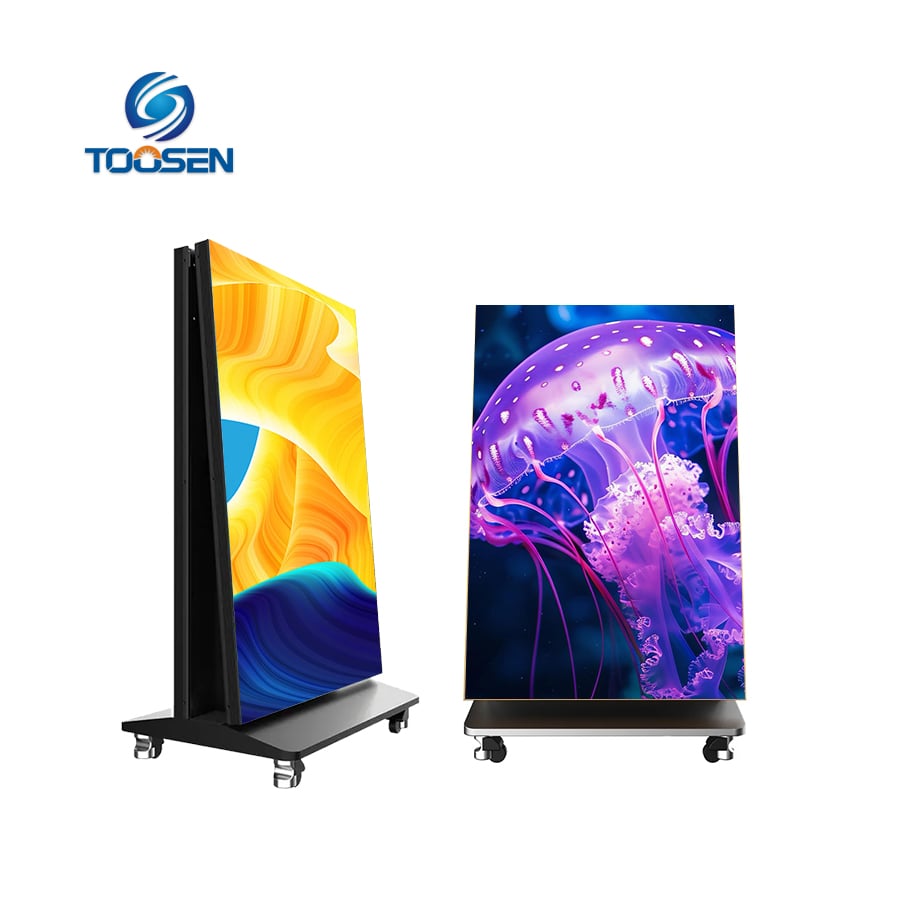
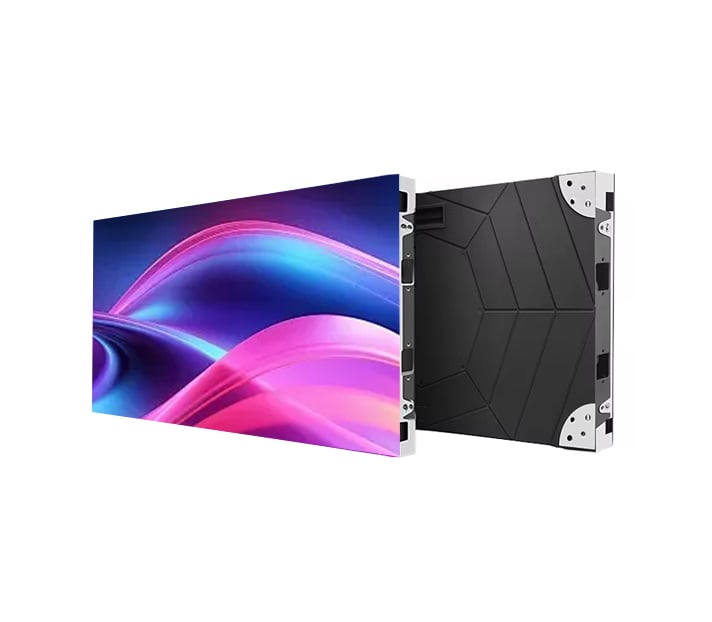
LED screens come in many forms. Flat LED screens remain the most common option because they install quickly and work in most venues.
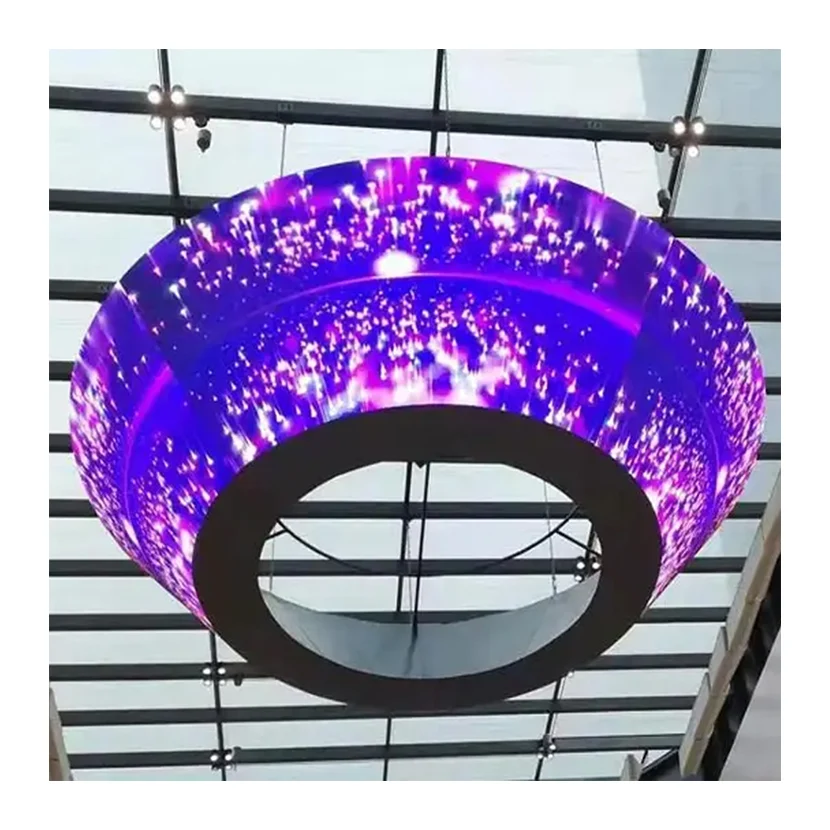
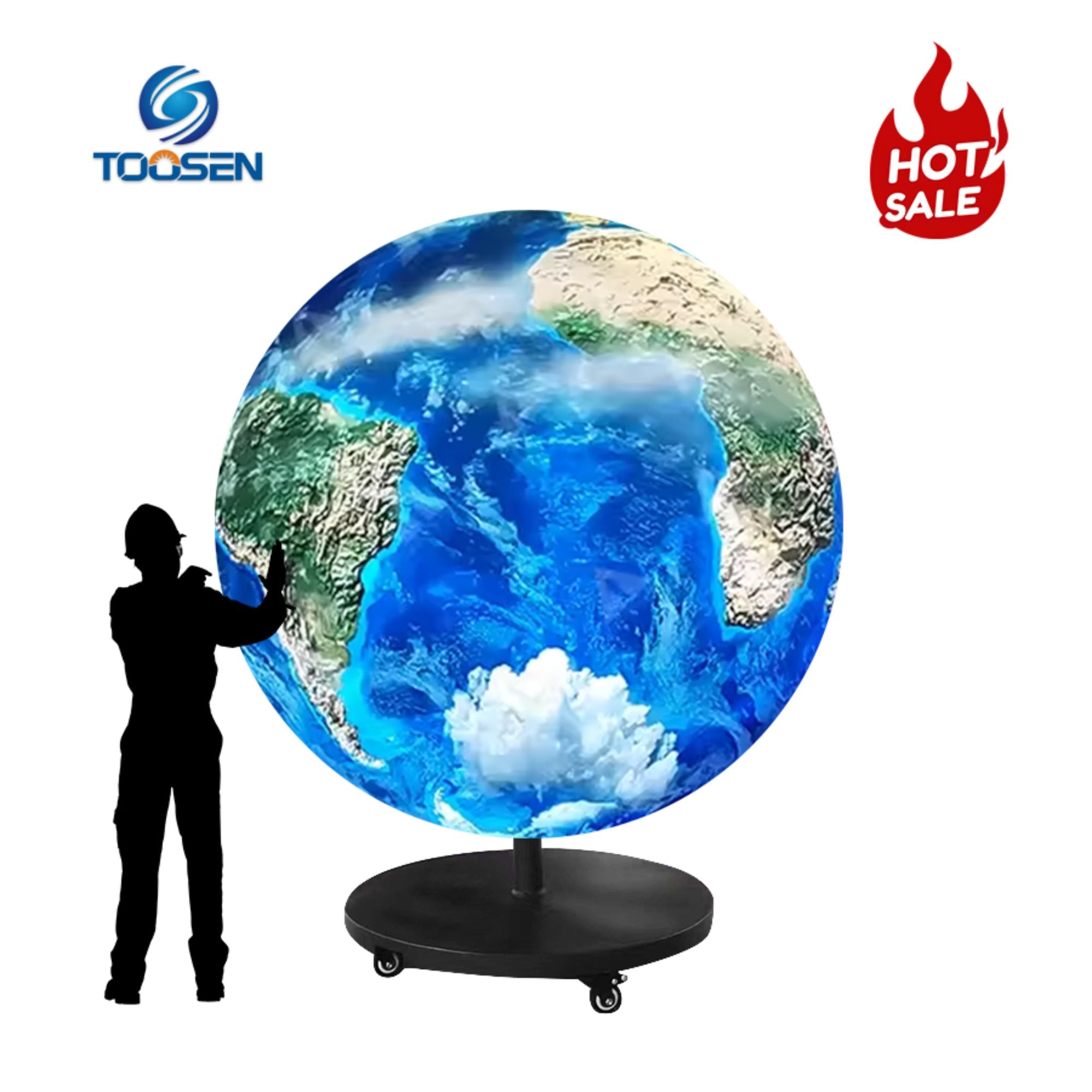
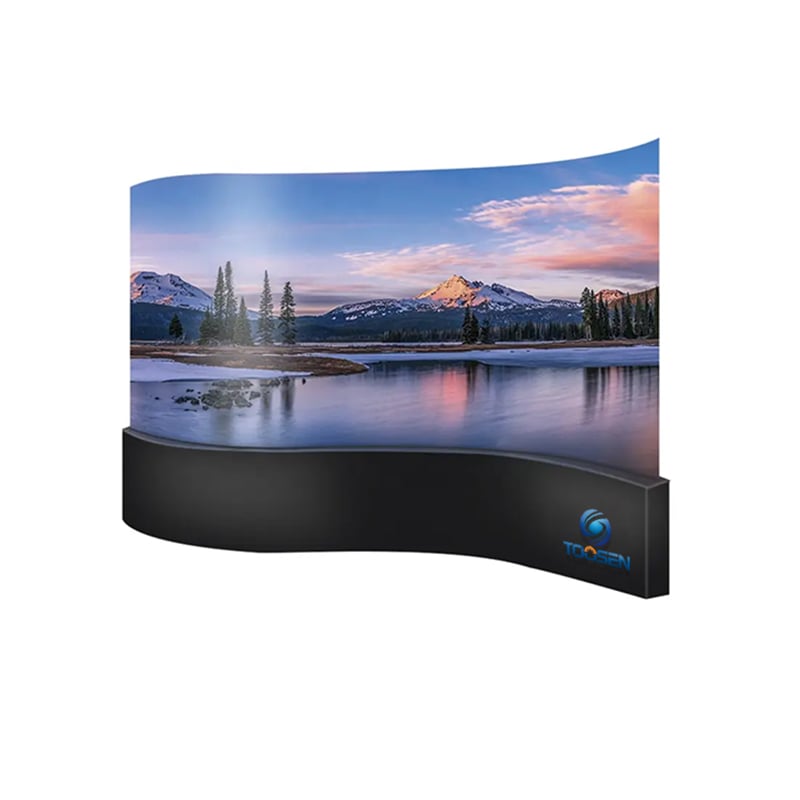
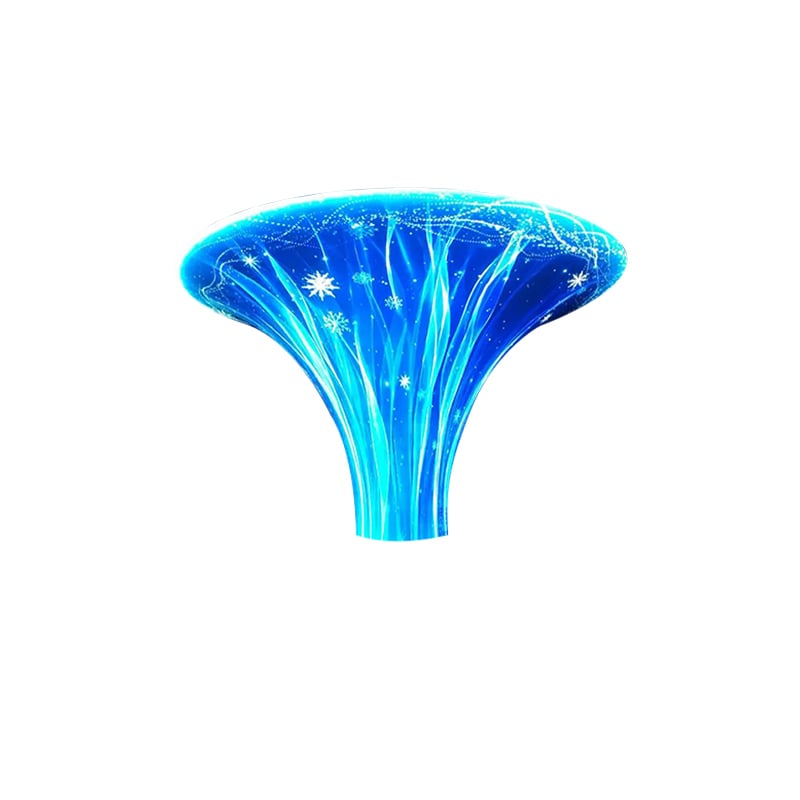
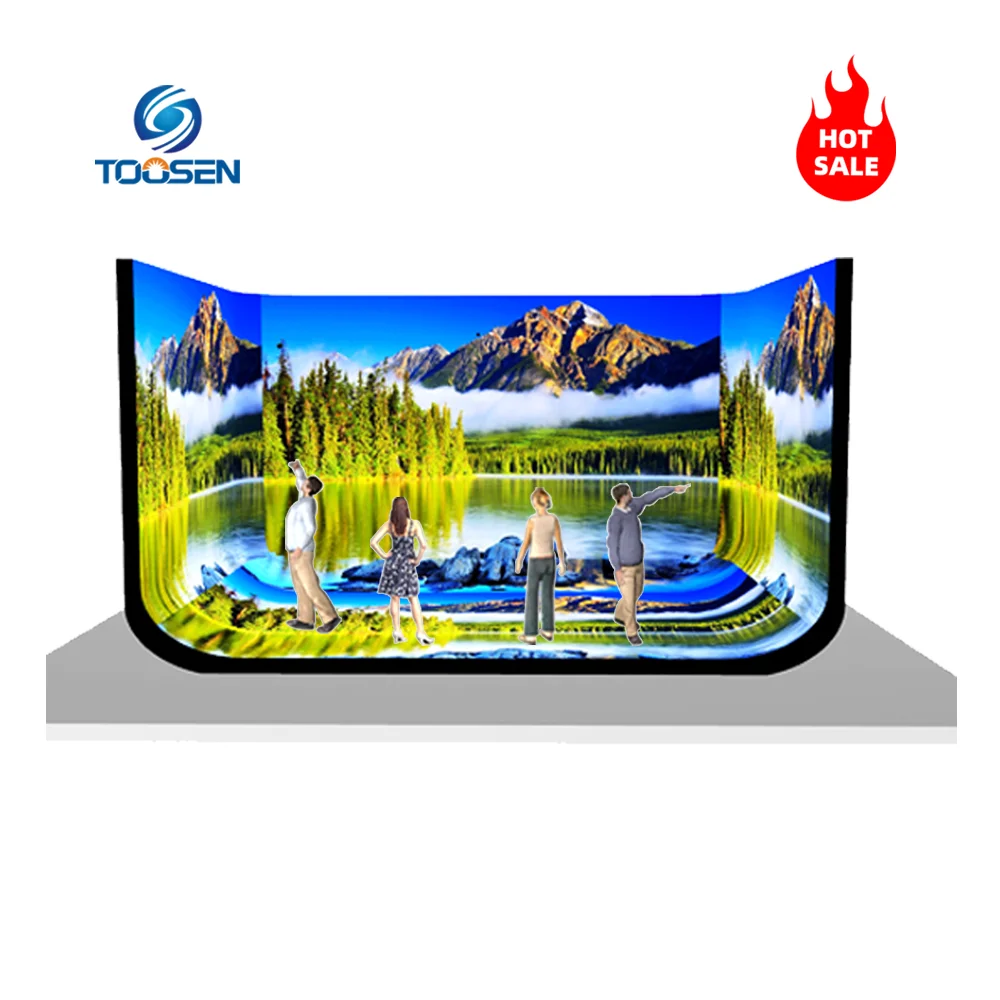
However, themed events often require custom-shaped LED screens, such as curved, circular, or creative structures. In this case, you must inspect the venue in advance and confirm the installation method.
Common installation options include:
Wall-mounted installation, which requires the wall to support at least 1.5 times the screen’s weight
Hanging installation, which needs ceiling load verification and safety cables
Ground-supported installation, which requires anti-slip bases and wind protection for outdoor use
Installation always takes time. Therefore, schedule enough setup and testing time before the event starts.
Tip: For short-term or one-time events, rental LED screens are often the best choice. They are easy to transport, quick to assemble, and flexible in size. Advantages of Rental LED Video Wall
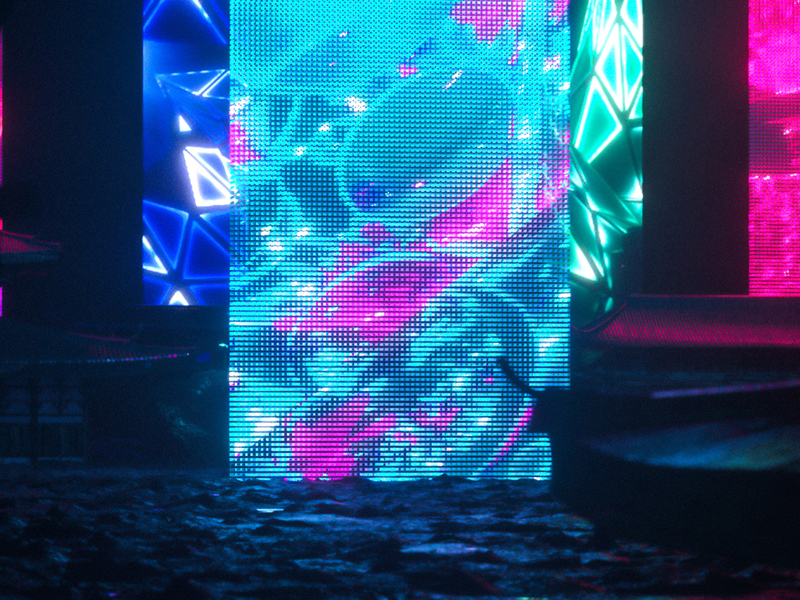
Even the best LED screen cannot save poor content.
Although LED screens offer high brightness and smooth playback, cluttered designs reduce effectiveness. Small text, overly complex layouts, or excessive animations can overwhelm viewers.
Instead, keep content simple. Use clear fonts, strong contrast, and focused messages. Limit motion effects and transitions. Clean design improves readability and keeps the audience engaged for longer periods.
Good content design works with the LED screen, not against it.
LED screens operate in demanding environments. During events, panels may suffer damage due to transport, installation, or accidental impact.
Before purchasing or renting, confirm how the supplier handles on-site issues. Ideally, the supplier should provide spare LED modules. This allows fast replacement if a panel fails during the event.
Quick maintenance support reduces downtime and protects the event experience.
Venue conditions often limit LED screen options. You should assess these factors early.
First, confirm available space. The screen’s aspect ratio, such as 16:9 or 4:3, must fit the venue layout. Avoid blocking exits, walkways, or fire safety paths.
Second, check load capacity. Walls, ceilings, or floors must support the LED screen safely. Power supply also matters. Rental LED screens usually consume 300–500W per square meter, so use a dedicated power circuit to prevent overload.
Finally, plan cable routing. Signal and power cables should remain hidden or secured to avoid tripping hazards. For outdoor events, ensure all connections are waterproof.
Choosing the right partner makes a big difference.
Toosen is an experienced LED screen manufacturer with deep knowledge of event applications. The company offers customized LED display solutions based on venue size, event type, and budget. With professional technical support and flexible options, Toosen helps ensure smooth and successful events.
If you want expert advice or a tailored LED screen solution, feel free to contact the Toosen team.
1. What pixel pitch is best for event LED screens?
The best pixel pitch depends on viewing distance. Short distances need smaller pitch like P1.86 or P2, while large venues can use bigger pitch with larger screens.
2. Are LED screens better to rent or buy for events?
For short-term or occasional events, renting LED screens is more cost-effective. For frequent use, purchasing may offer better long-term value.
3. How early should LED screens be installed before an event?
Installation should be completed at least one day before the event. This allows time for testing, calibration, and content checks.
 EN
EN
 AR
AR
 BG
BG
 HR
HR
 CS
CS
 DA
DA
 NL
NL
 FI
FI
 FR
FR
 DE
DE
 EL
EL
 HI
HI
 IT
IT
 JA
JA
 KO
KO
 NO
NO
 PL
PL
 PT
PT
 RO
RO
 RU
RU
 ES
ES
 SV
SV
 TL
TL
 ID
ID
 SR
SR
 UK
UK
 VI
VI
 ET
ET
 HU
HU
 TH
TH
 TR
TR
 FA
FA
 AF
AF
 MS
MS
 GA
GA
 HY
HY
 AZ
AZ
 MN
MN
 UZ
UZ