Home > News > Industry News
Have you ever wondered what LED Floor Tile Screens are? As the name suggests, these screens are installed on the floor, just like tiles. Unlike regular LED displays, they are designed to handle heavy weights, resist slipping, and withstand impact. This makes them perfect for areas where people walk, dance, or even perform.
The main difference is their strength and durability. Regular LED screens mainly display images and videos, but LED Floor Tile Screens must carry weight. They are built with strong materials that prevent scratches, slipping, and water damage.
Another key difference is interactivity. Some Interactive Floor LED Screens come with built-in sensors. These sensors detect movement or pressure when someone steps on the tiles. For example, a popular model from Toosen can hold up to 1 ton per square meter. It offers both internal and external sensors. External sensors can detect motion within a radius of 6 meters, and one radar can cover 30 square meters. This ensures accurate and responsive interaction between people and the screen.
On the other hand, LED Floor Tile Screens without sensors mainly focus on durability. They can still support heavy weights, but they do not respond to steps or movement like interactive versions.
So, how do these screens change images when stepped on? Underneath the tiles, special thin film sensors are installed. These sensors are flexible and can detect pressure from footsteps. When someone steps on the tile, the pressure is transferred through a tough layer to the sensor. The sensor then converts this physical pressure into an electrical signal.
The display chip of the Interactive Floor LED Screen receives this signal and lights up the corresponding LEDs. This creates visual effects such as water ripples, blooming flowers, footprints, or color changes. Unlike regular screens that only show images from a signal source, LED Floor Tile Screens both display images and send data about pressure back to the controller. This makes interactivity possible and exciting.
There are three common installation methods for LED Floor Tile Screens.
Choosing the right installation depends on your needs. For temporary events, exhibitions, or pop-up stages, flat-lay LED Floor Tile Screens are recommended. For permanent setups, embedded installation is better. Custom solutions are also available to fit unique spaces.
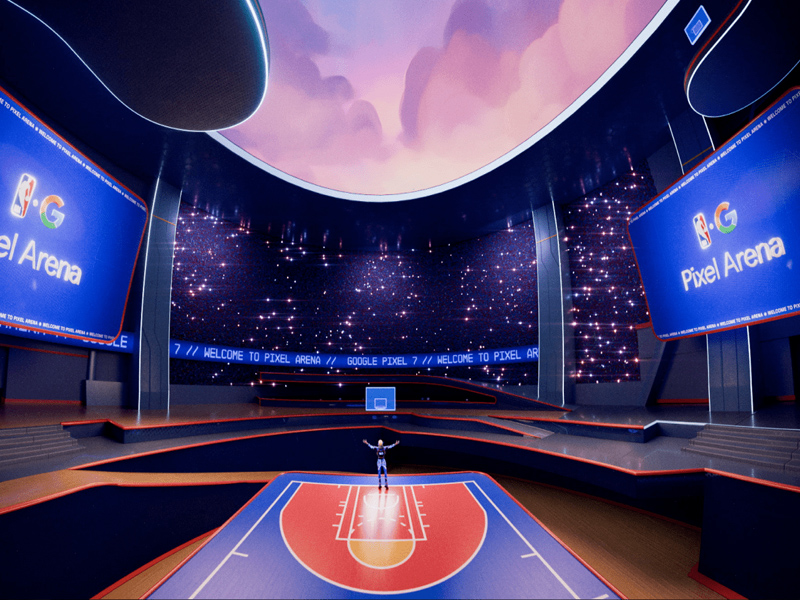
1. Fashion Runways
LED Floor Tile Screens are perfect for T-stage shows. They create eye-catching entrances and interactive game segments. Stepping on the floor can produce visual effects that impress the audience and increase engagement.
2. Concerts and Music Festivals
These screens can serve as main stage floors, showing dynamic lights or lyrics in sync with the music. They also act as interactive props, allowing performers or dancers to trigger effects like explosions, ripples, or animations with their movements.
3. Commercial Exhibitions and Brand Events
In retail or promotional areas, Interactive Floor LED Screens attract attention. Stepping on them can reveal product details, brand logos, or artistic patterns. This increases customer engagement, enhances the shopping experience, and boosts brand recognition.
In short, LED Floor Tile Screens combine durability, interactivity, and visual impact. They are not just a screen; they are a stage, an exhibition, and an experience all in one. Whether for entertainment, performance, or marketing, they bring creativity and innovation to any space.
The most common modules for LED Floor Tile Screens are standard-sized panels, usually square-shaped, which can be easily connected to cover large areas. These modules are designed to handle heavy weight and offer high durability, making them suitable for stages, exhibitions, and interactive floors.
Yes, many LED Floor Tile Screens are suitable for outdoor use. Outdoor versions have high protection ratings (like IP65), are waterproof, dustproof, and anti-slip. This makes them ideal for events, concerts, exhibitions, and public spaces where they are exposed to weather and heavy foot traffic.
An LED Floor Tile Screen typically consists of a durable top layer (like tempered glass or thick acrylic), LED modules, a supporting frame, and optionally sensors for interactivity. The sensors detect pressure or movement and allow the screen to display interactive effects such as ripples, footprints, or color changes.
 EN
EN
 AR
AR
 BG
BG
 HR
HR
 CS
CS
 DA
DA
 NL
NL
 FI
FI
 FR
FR
 DE
DE
 EL
EL
 HI
HI
 IT
IT
 JA
JA
 KO
KO
 NO
NO
 PL
PL
 PT
PT
 RO
RO
 RU
RU
 ES
ES
 SV
SV
 TL
TL
 ID
ID
 SR
SR
 UK
UK
 VI
VI
 ET
ET
 HU
HU
 TH
TH
 TR
TR
 FA
FA
 AF
AF
 MS
MS
 GA
GA
 HY
HY
 AZ
AZ
 MN
MN
 UZ
UZ