Home > News > Industry News
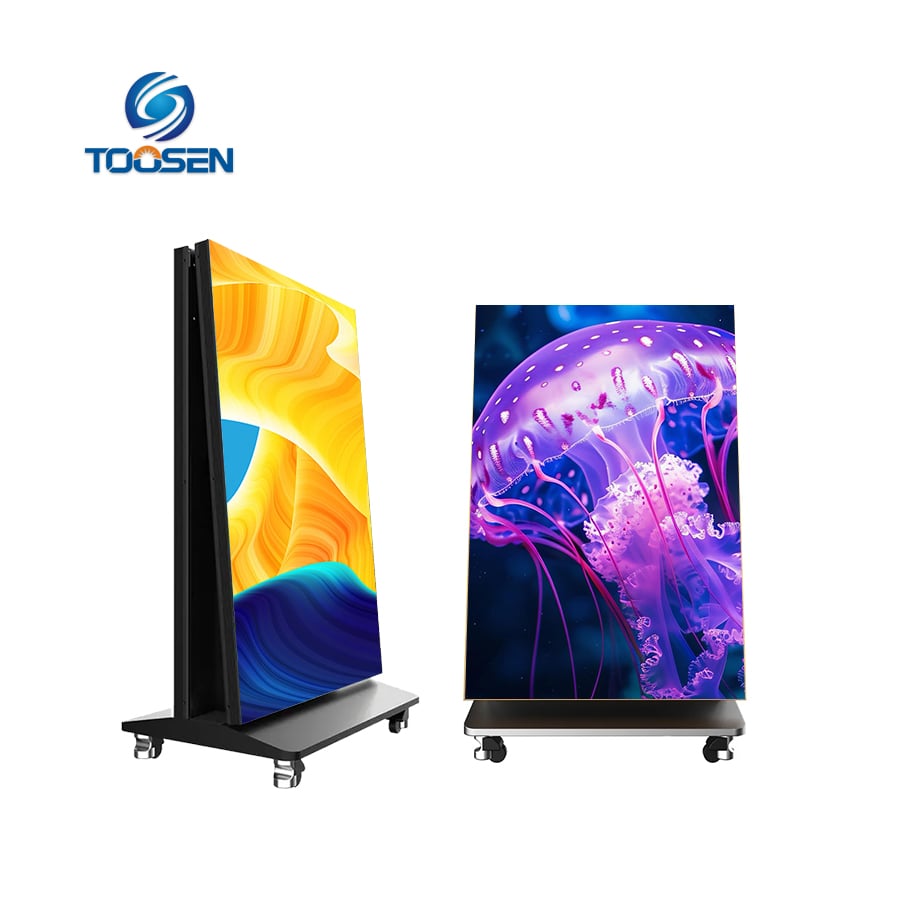
Stage LED screens have rapidly emerged as a core element in modern performance technology. Thanks to their high brightness, rich color reproduction, dynamic display capabilities, and modular structure, they have replaced traditional stage backdrops such as hand-painted sets, printed canvases, and slide projections. As a result, stage visuals have become more immersive, flexible, and artistically expressive.
In today’s productions, creative LED screens no longer serve as simple backgrounds. Instead, they take center stage in scenography. Designers actively integrate screen content with the performance itself, creating a continuous emotional flow that evolves with the music, narrative, or choreography.
This synchronization enhances the audience’s visual experience and strengthens the emotional impact of the show. However, as the entertainment industry matures, audiences expect more than static LED backdrops. A single flat screen can no longer satisfy the demand for innovative and immersive stage design.
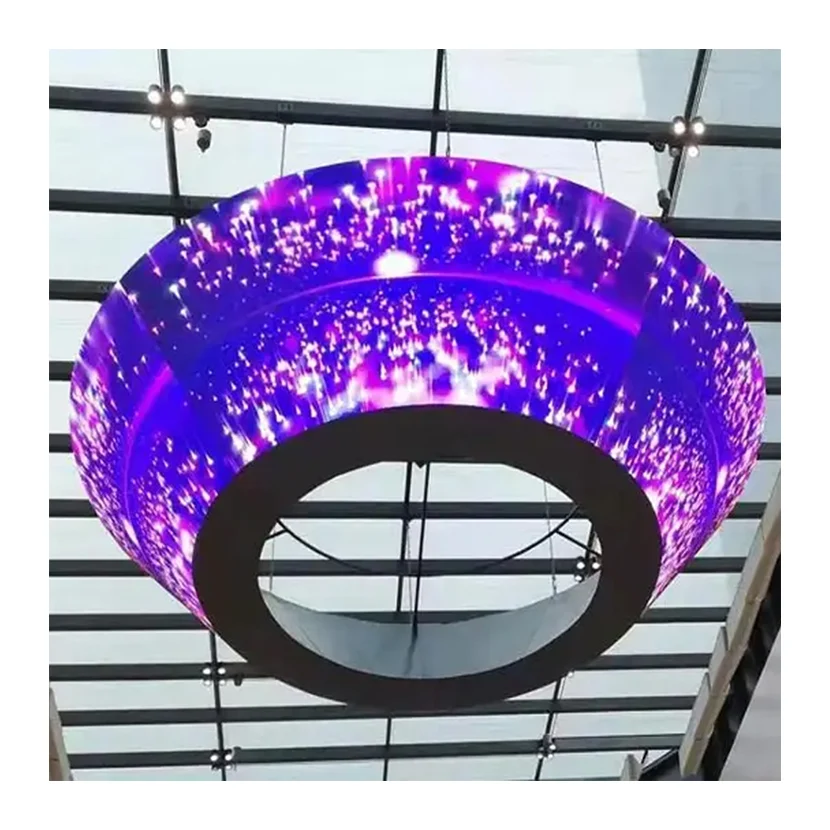
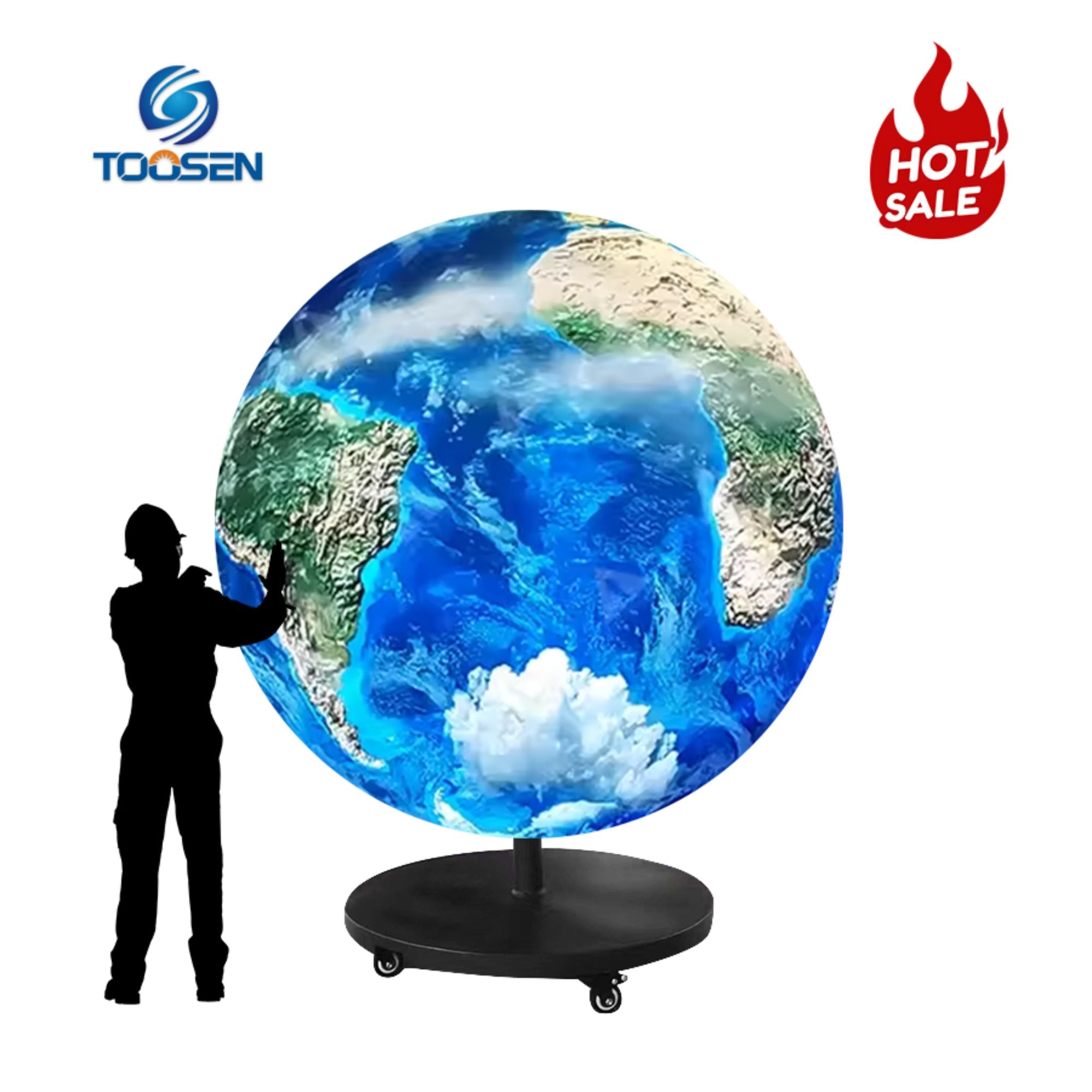
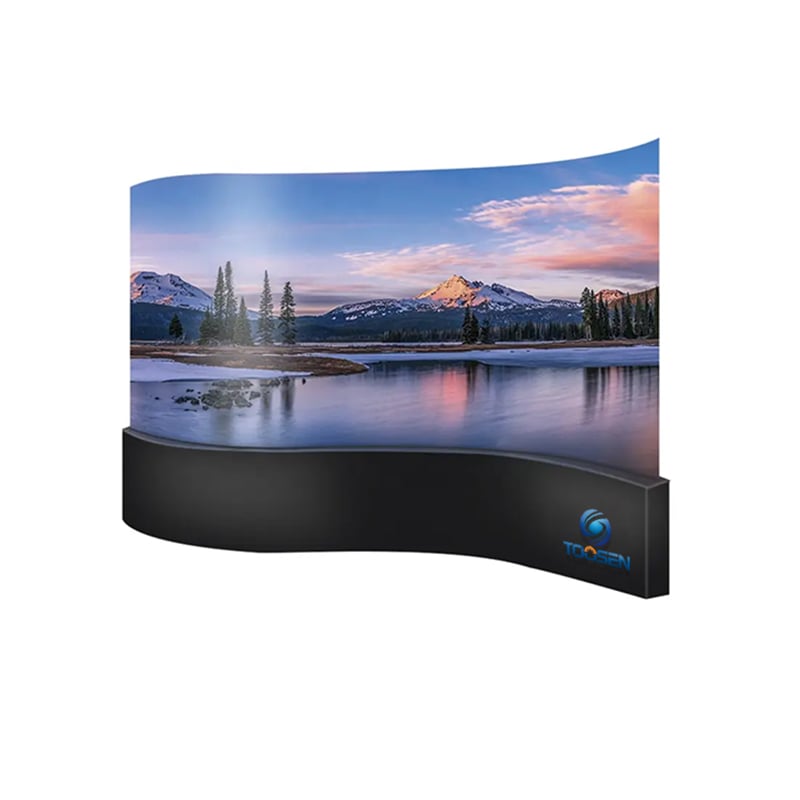
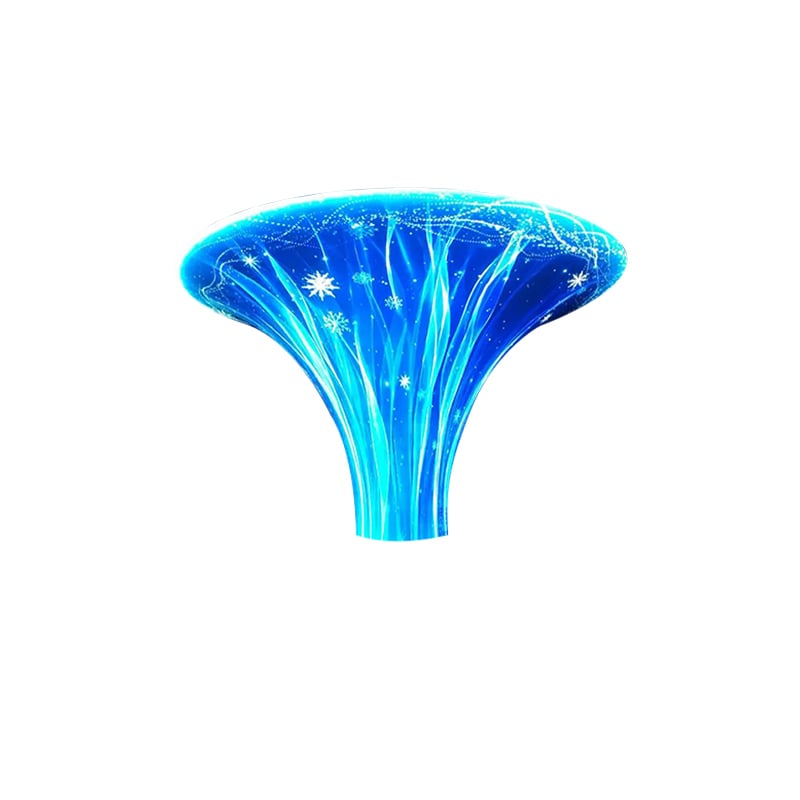
Experienced stage designers now push boundaries by combining storytelling with creative LED configurations. By shaping, moving, and programming LED screens in unconventional ways, they create visually striking performances that stand out.
At the same time, the integration of LED screens with emerging technologies has become a dominant trend. For example, designers often combine LED displays with:
These integrations allow creative concepts to fully materialize on stage. Consequently, performances feel more energetic, more dynamic, and more visually explosive.
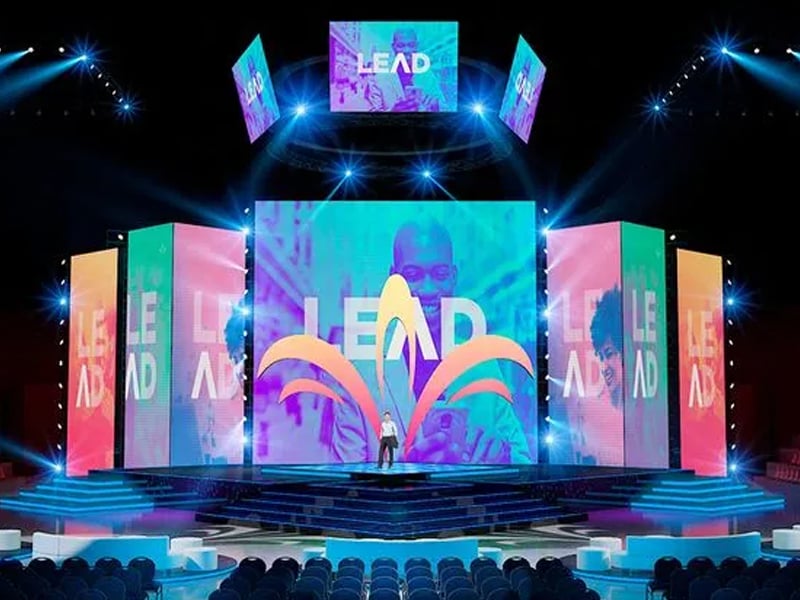
One notable example comes from the Eurovision Song Contest 2017 stage. The production featured a massive 1,120㎡ circular LED structure surrounding the central performance area. Each module could move, rotate, and separate independently, giving designers complete control over the stage layout.
The visual concept drew inspiration from traditional Ukrainian necklaces. The LED structure formed a large arch, resembling a floating ornamental piece suspended above the stage. This design not only created a strong cultural reference but also delivered a futuristic visual impact.
Another innovative approach comes from Japan, where designers developed a modular LED system using hexagonal panels. These ultra-lightweight units allow performers to physically interact with the display. A single performer can rearrange the panels into different shapes in real time. Meanwhile, a wireless control system distributes video signals to each module, ensuring that all pieces combine into one cohesive visual output.
Such creative applications rely on advanced engineering and precise manufacturing. Irregular shapes, moving structures, and interactive elements all require:
Without these technical foundations, even the most ambitious designs cannot be executed effectively.
To bring these ideas to life, working with an experienced manufacturer is essential. A company with strong R&D capabilities and proven project experience can bridge the gap between concept and execution.
With over a decade of expertise, Toosen focuses on the development, manufacturing, and global delivery of creative LED display solutions. The company provides customized products tailored to diverse project needs, ensuring both visual excellence and structural reliability. From concept design to final installation, Toosen delivers high-standard LED solutions that meet the demands of modern stage productions.
Stage LED screens have transformed from supporting elements into the driving force of visual storytelling. By combining creative design with advanced technology, they elevate performances into fully immersive experiences.
As audience expectations continue to rise, the future of stage design will depend on innovation. Creative LED displays—integrated with motion systems, interactive elements, and intelligent control—will remain at the forefront of this evolution.
 EN
EN
 AR
AR
 BG
BG
 HR
HR
 CS
CS
 DA
DA
 NL
NL
 FI
FI
 FR
FR
 DE
DE
 EL
EL
 HI
HI
 IT
IT
 JA
JA
 KO
KO
 NO
NO
 PL
PL
 PT
PT
 RO
RO
 RU
RU
 ES
ES
 SV
SV
 TL
TL
 ID
ID
 SR
SR
 UK
UK
 VI
VI
 ET
ET
 HU
HU
 TH
TH
 TR
TR
 FA
FA
 AF
AF
 MS
MS
 GA
GA
 HY
HY
 AZ
AZ
 MN
MN
 UZ
UZ