Home > News > Company News
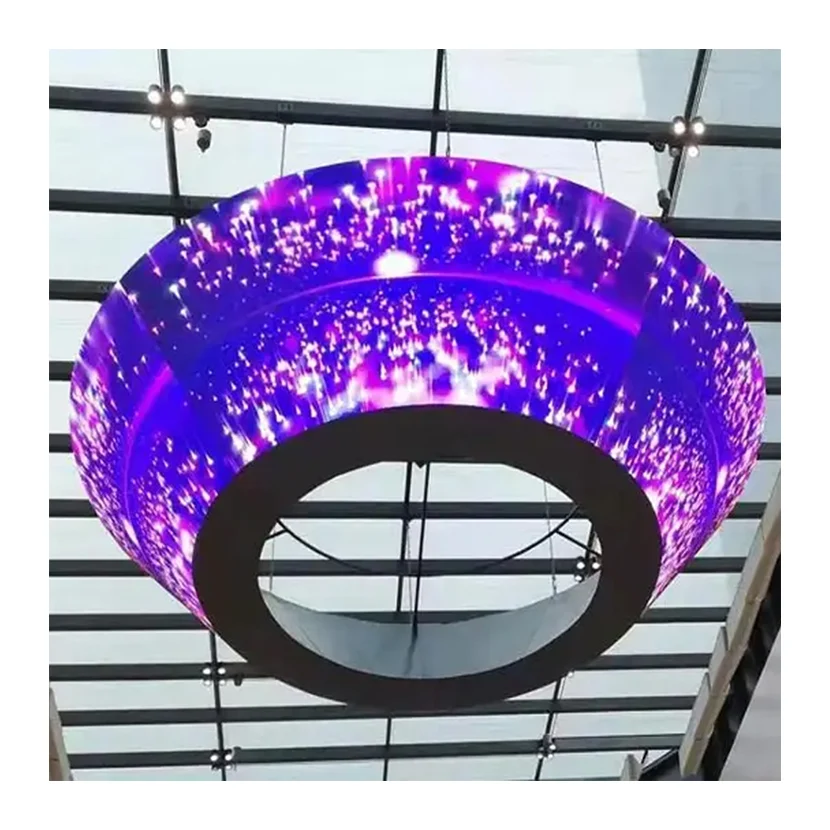
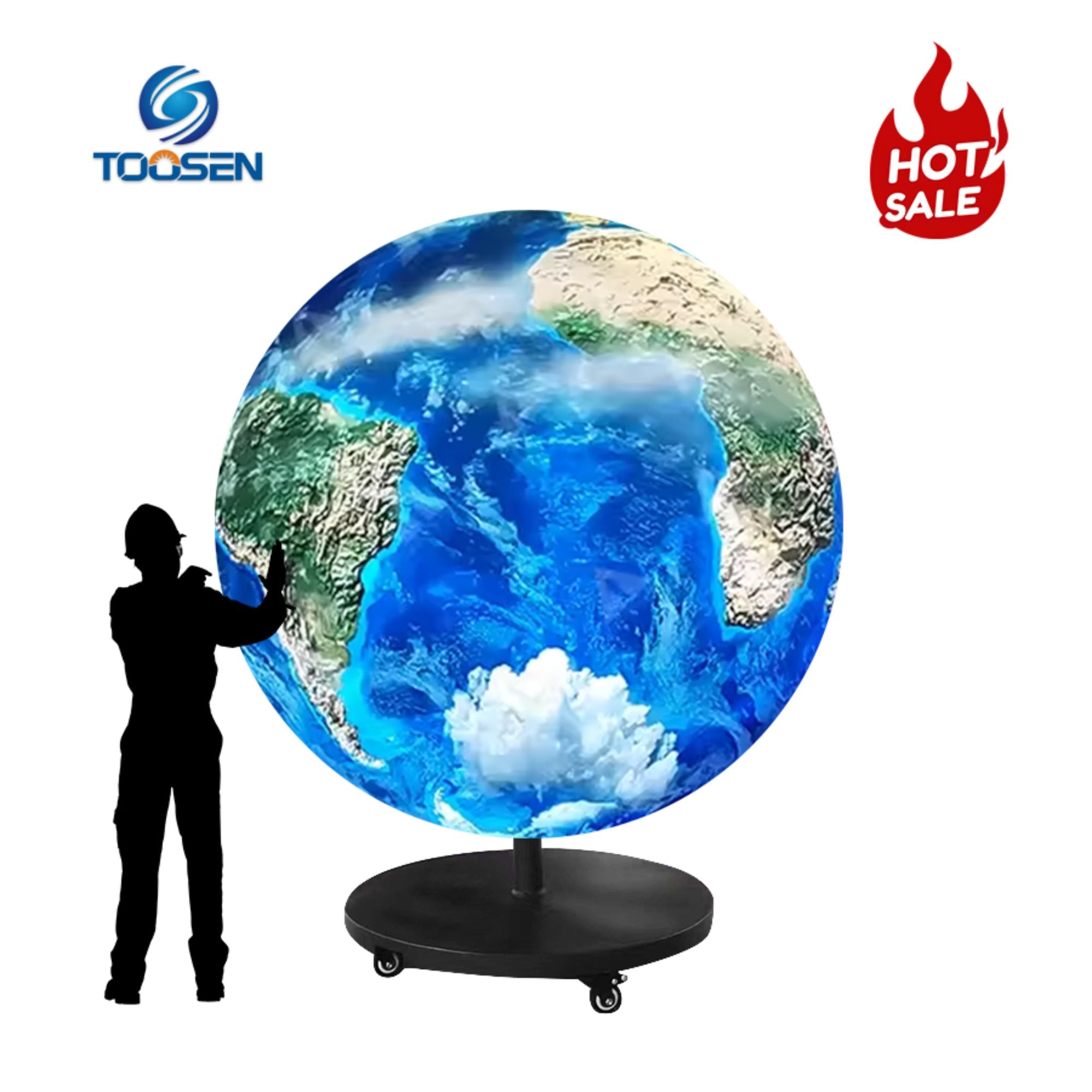
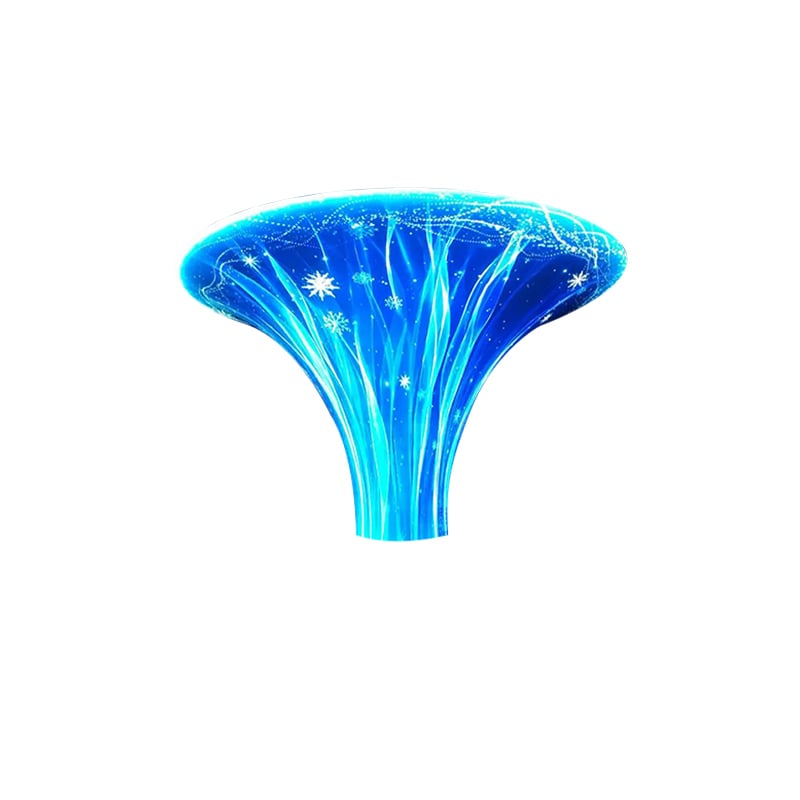
Ordering a custom shaped LED display is very different from buying a standard rectangular LED screen. A sphere, cylinder, bottle, ring, cone, or other irregular LED structure may require custom modules, special PCBs, unique structural frames, and non-standard pixel mapping.
A screen can look perfect in a 3D rendering but still create problems during installation if important details are missed before production.
Here are 10 common mistakes to avoid when ordering a custom shaped LED display.
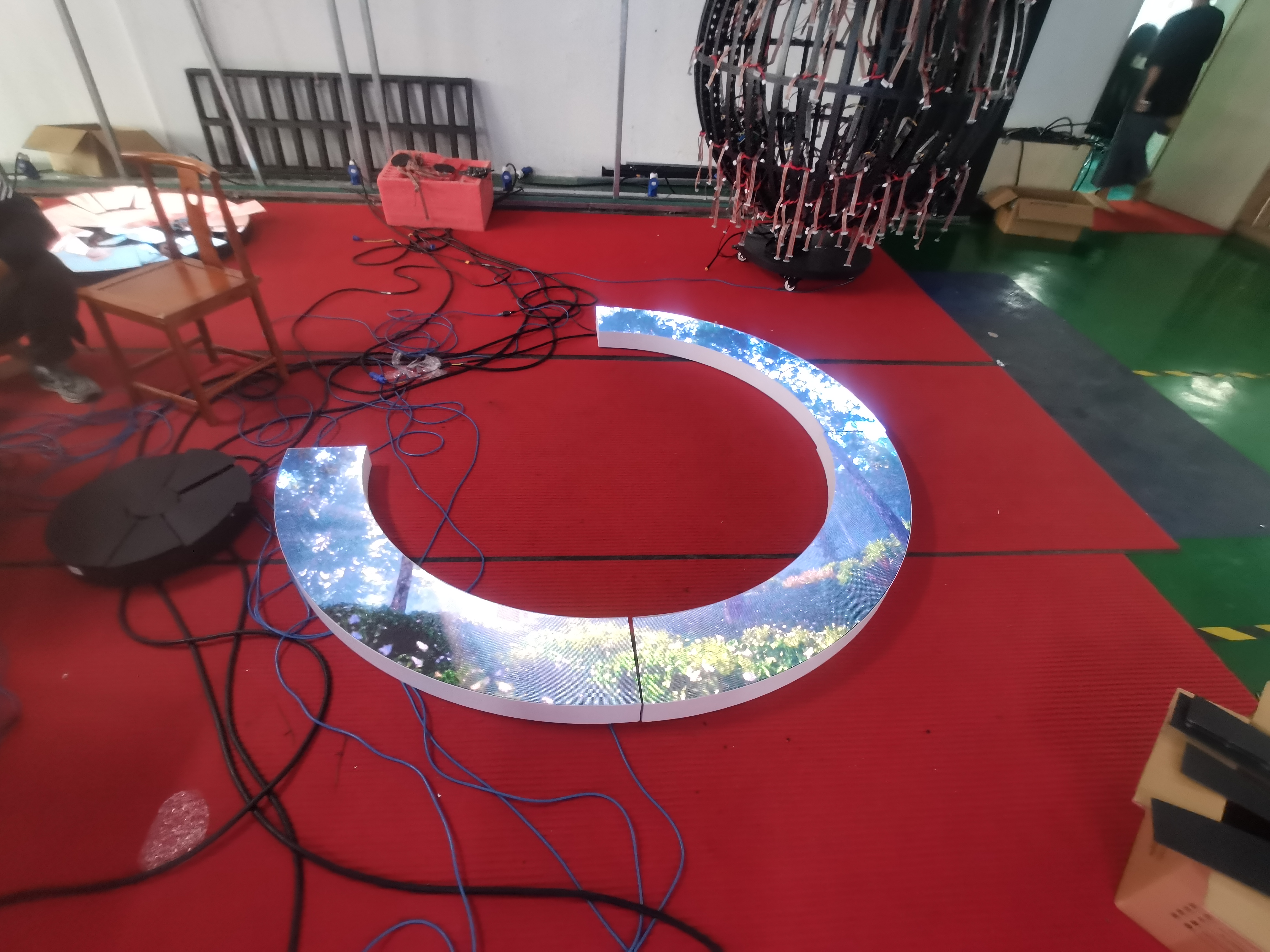
A rough concept is enough for an initial quotation, but it is not enough for production.
Before manufacturing begins, confirm the exact height, width, diameter, depth, curvature, installation position, and supporting structure.
For example, saying “I need a 2-meter LED sphere” does not explain how it will be installed, whether it will hang from the ceiling, or how technicians will access the internal components.
Accurate CAD drawings or 3D models can prevent costly structural changes later.
A smaller pixel pitch does not automatically mean a better display.
The right custom shaped LED display pixel pitch should depend on viewing distance, screen size, shape, content, and budget.
For a large display viewed from several meters away, choosing an extremely fine pixel pitch may increase the cost without producing a noticeable improvement for the audience.
For curved and irregular displays, module dimensions should also match the geometry of the screen.
This is one of the most common misunderstandings when buying a creative LED display.
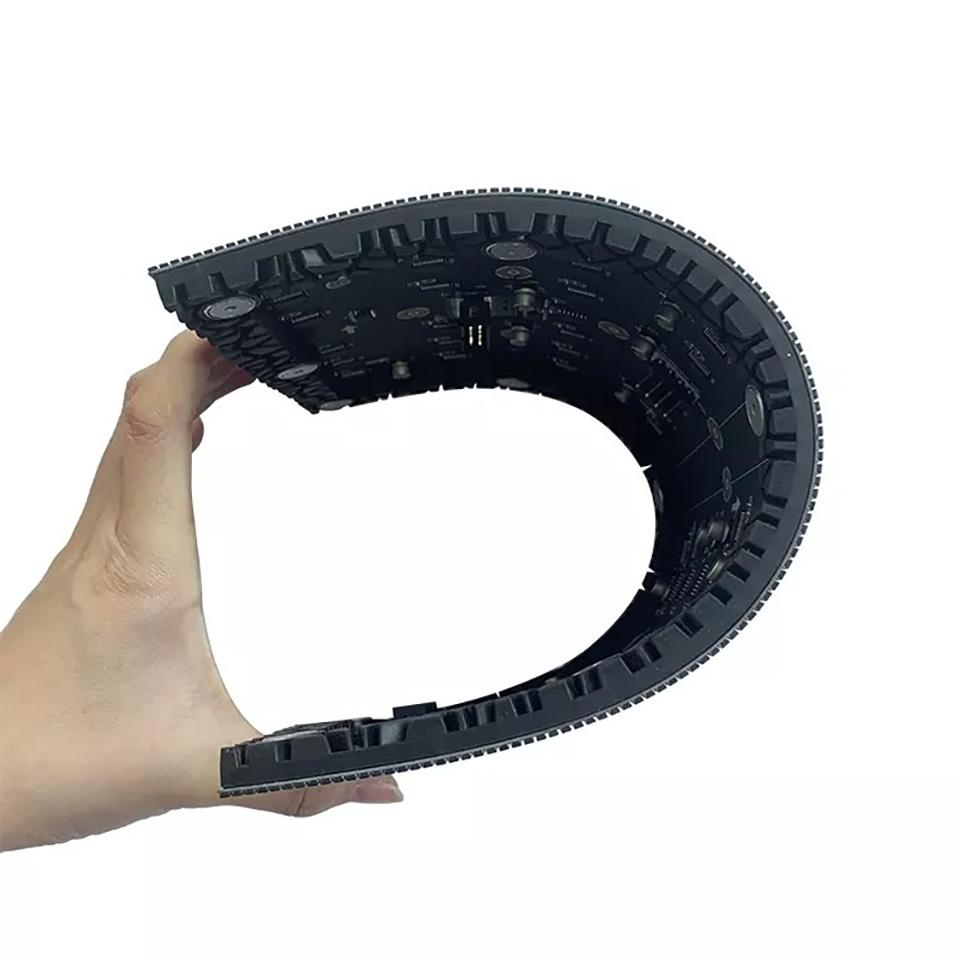
Standard rectangular modules work well for flat walls and some simple curves, but complicated shapes may require flexible, triangular, trapezoidal, fan-shaped, or fully customized PCB modules.
For example, a sphere cannot always be built smoothly by forcing rectangular modules around a frame. Poor module selection can create large seams, uneven surfaces, or visible dark lines.
Always ask the manufacturer what module solution will be used before confirming the order.
Flexible LED modules can bend, but they still have physical limits.
If a design contains very tight curves, the required radius should be checked before production. Trying to force a module beyond its designed bending range can affect flatness, module connections, and long-term reliability.
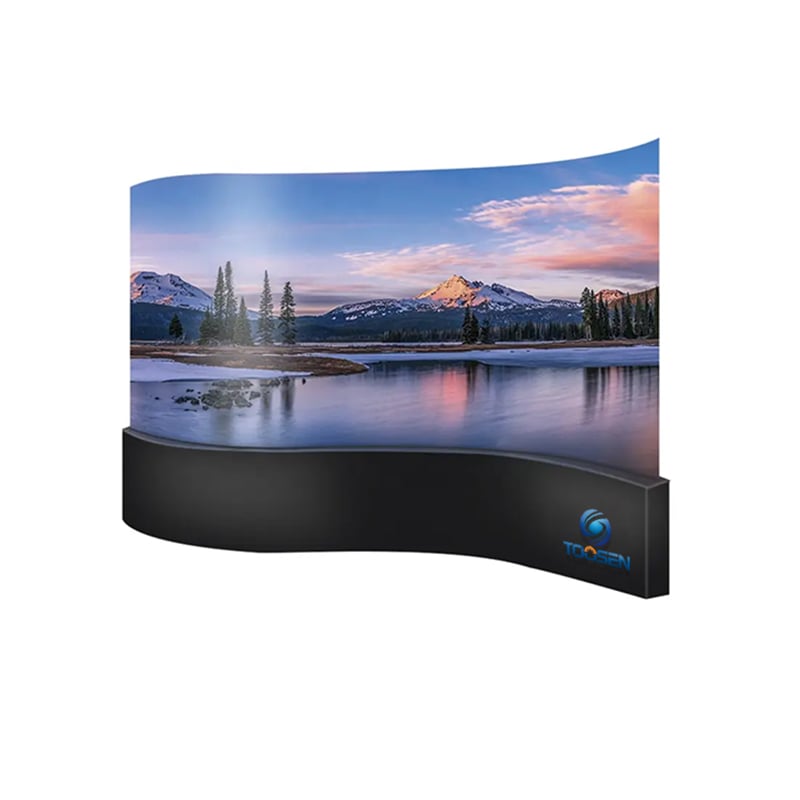
This is especially important for cylindrical, bottle-shaped, wave-shaped, and other curved LED displays.
Instead of providing only a reference picture, send the manufacturer accurate dimensions or a 3D drawing.
A conventional LED wall normally uses a rectangular video canvas. A custom LED screen may not.
A sphere, bottle, ring, or irregular sculpture can have a completely different physical pixel layout. This means the control system needs to know where every part of the image should appear.
Before delivery, confirm the actual screen resolution, receiving-card arrangement, control system configuration, and custom LED display pixel map.
Without correct mapping, content may appear stretched, misplaced, cropped, or distorted.
Hardware and content should be considered together.
A normal 16:9 promotional video may look good on a flat LED wall but perform poorly on a sphere or bottle-shaped screen.
Important text, logos, faces, and product images can become distorted when they cross curved surfaces or narrow sections.
Before ordering the display, ask for the final resolution and content template. Your designer can then create videos specifically for the physical shape.
For creative LED projects, good content is often just as important as good hardware.
Many buyers focus on what the screen looks like from the outside but forget how technicians will reach the components inside.
This becomes a serious issue with closed structures such as spheres, cylinders, hanging displays, and LED sculptures.
Decide whether the display needs front or rear maintenance before manufacturing begins.
Also check how technicians will access modules, power supplies, receiving cards, cables, and other components.
Good maintenance planning can greatly reduce future downtime.
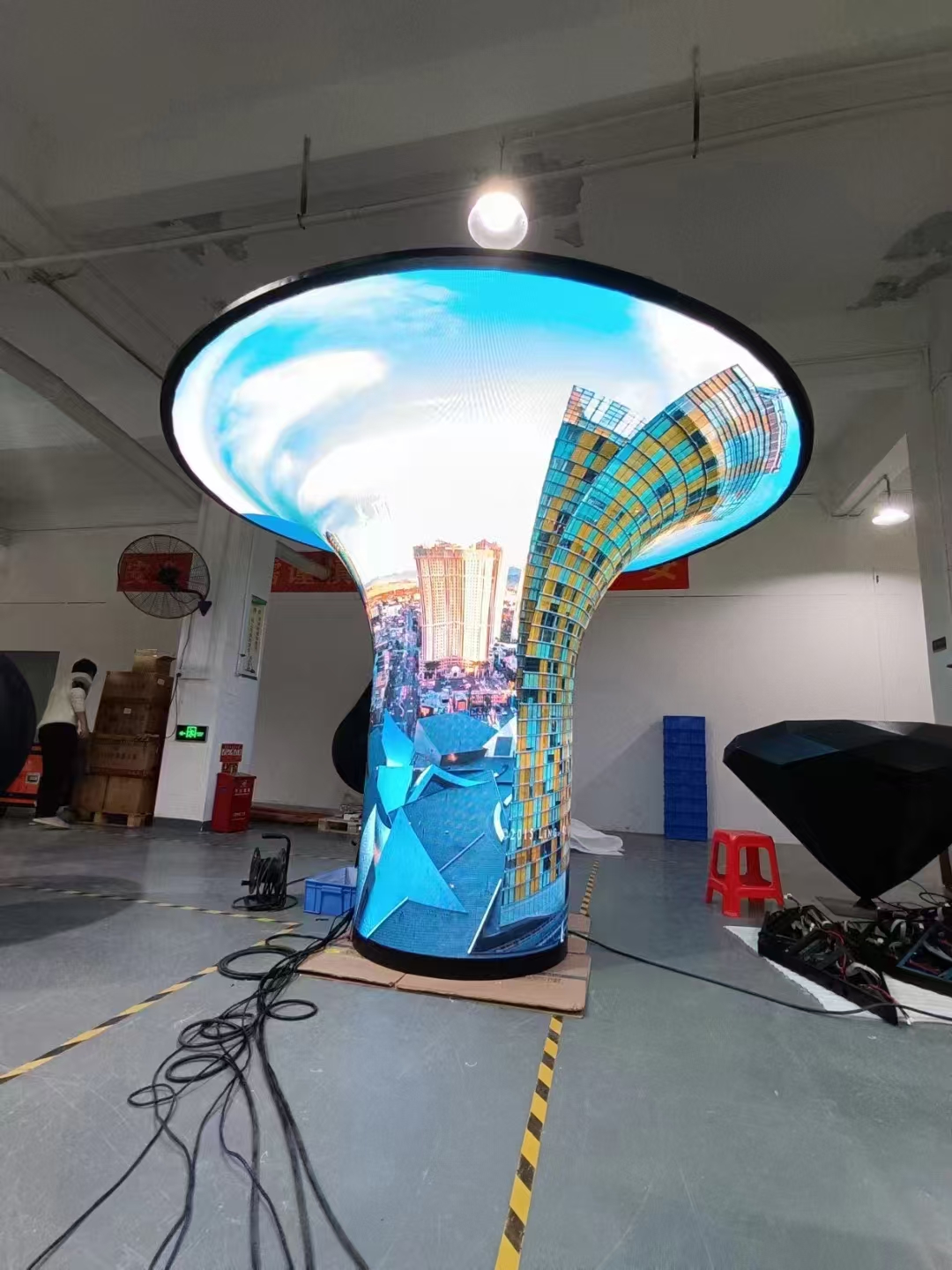
Standard rectangular LED modules are relatively easy to replace. Custom modules can be much harder to reproduce several years later.
A special-shaped display may contain multiple PCB shapes or module sizes. If one fails and no matching replacement is available, producing a small quantity again can take extra time and cost.
Replacement modules from another production batch may also show slight differences in brightness or color.
For this reason, order matching spare modules together with the original screen and clearly label the location and type of each special module.
Price per square meter works as a rough reference for standard LED walls, but it can be misleading for a custom shaped LED display.
Two suppliers may quote the same screen size at very different prices because one quotation includes custom PCB development, structural engineering, pixel mapping, control equipment, spare modules, testing, and special packaging, while another does not.
Instead of asking only:
“What is your price per square meter?”
Ask:
“What exactly is included in this quotation?”
A complete quotation should clearly explain the LED modules, structure, control system, power supplies, cables, spare parts, packaging, technical drawings, and support.
Never assume that all parts will fit correctly when they arrive at the installation site.
Whenever possible, a complex custom LED display should be pre-assembled and tested before shipment.
During factory testing, technicians can check:
Finding a problem in the factory is usually much easier than discovering it after the screen has been shipped overseas.
A successful custom shaped LED display starts long before production. The most important decisions involve not only pixel pitch and price, but also shape accuracy, module design, curvature, pixel mapping, content, installation, maintenance, and spare parts.
Before placing an order, provide your supplier with accurate dimensions, installation information, viewing distance, application environment, and expected content. Ask for technical drawings and confirm how the complete display will be assembled and tested.
Taking a little more time during the planning stage can prevent expensive changes after production and help your custom LED screen perform reliably for years.
Provide the required shape, dimensions, installation location, indoor or outdoor environment, viewing distance, installation method, and reference images or 3D drawings if available.
Not always. Simple curves may use flexible modules, while complex shapes may require triangular, trapezoidal, fan-shaped, or custom PCB modules.
 EN
EN
 AR
AR
 BG
BG
 HR
HR
 CS
CS
 DA
DA
 NL
NL
 FI
FI
 FR
FR
 DE
DE
 EL
EL
 HI
HI
 IT
IT
 JA
JA
 KO
KO
 NO
NO
 PL
PL
 PT
PT
 RO
RO
 RU
RU
 ES
ES
 SV
SV
 TL
TL
 ID
ID
 SR
SR
 UK
UK
 VI
VI
 ET
ET
 HU
HU
 TH
TH
 TR
TR
 FA
FA
 AF
AF
 MS
MS
 GA
GA
 HY
HY
 AZ
AZ
 MN
MN
 UZ
UZ