Shipping a large LED sphere overseas is very different from shipping a normal flat LED display. A spherical screen has curved modules, a custom metal structure, power supplies, control equipment, cables, and many other parts. When the diameter reaches several meters, shipping the complete sphere in one piece is usually not practical.
For this reason, a large LED sphere display is normally designed so that it can be divided into smaller sections. These sections are tested, labeled, protected, and packed separately before international shipping.
Good packaging does more than prevent damage. It can also reduce shipping volume and make installation easier when the screen arrives at the project site.
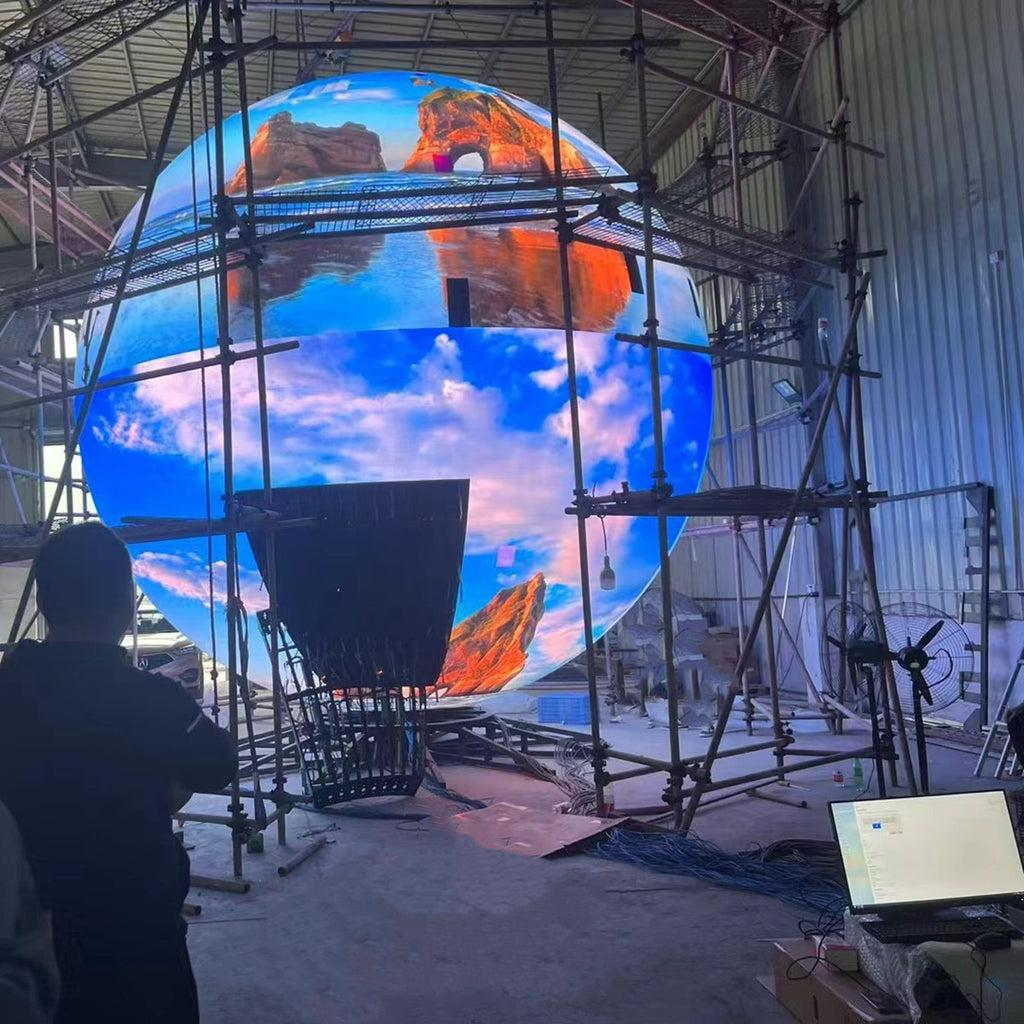
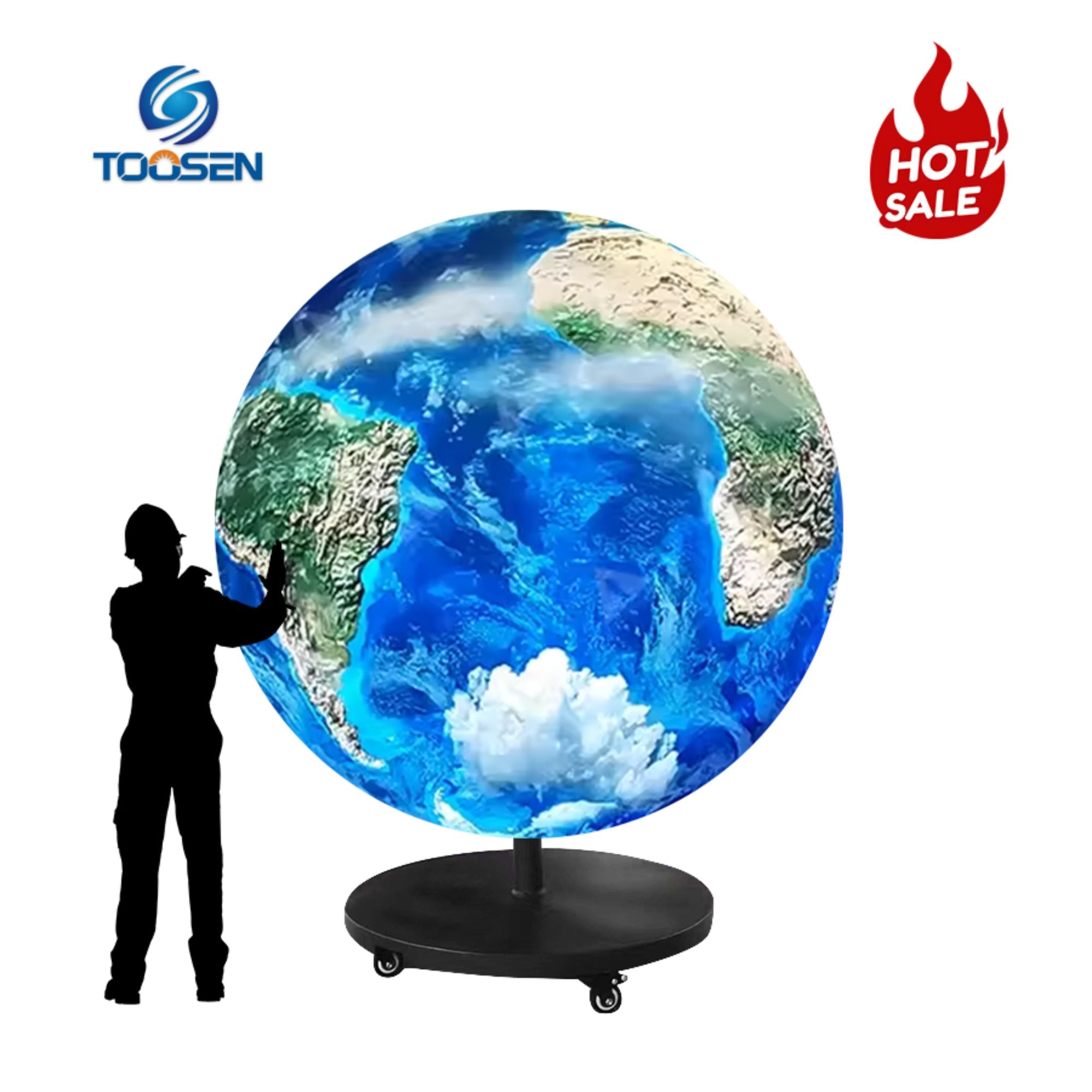
A small LED ball may sometimes be transported as a complete unit. A 3m, 5m, 8m, or larger sphere is a different situation.
The complete structure takes up too much space and is difficult to move through a factory, container, warehouse, or installation site. More importantly, transporting a fully assembled sphere increases the risk of damaging the curved LED surface.
Large spherical LED screens are therefore usually designed with a modular structure.
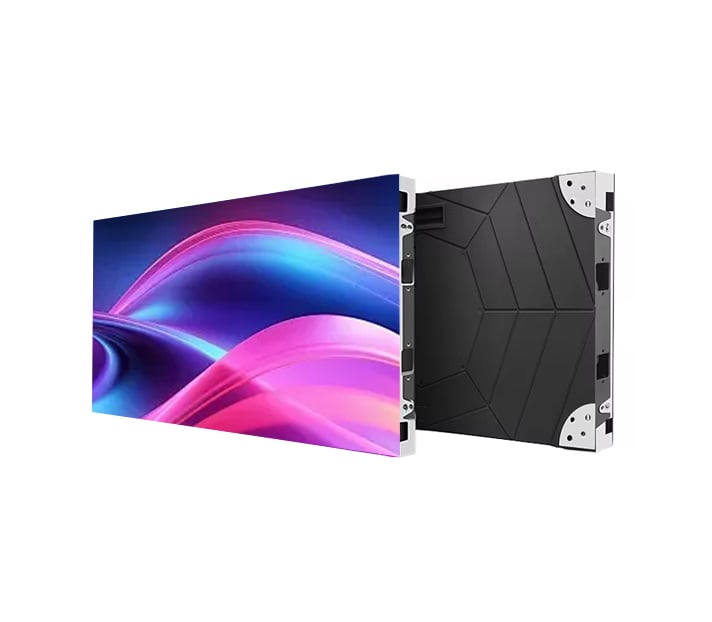
Depending on the design, the sphere can be separated into several major sections. The LED modules, internal frame, control equipment, cables, and spare parts can then be protected according to their individual requirements.
This also makes better use of container space and simplifies handling.
Packing should not begin immediately after production.
The LED sphere should first be assembled and tested at the factory. This allows engineers to identify problems before the display is shipped thousands of kilometers away.
Typical checks include:
The screen should also run for a period of time before final packing.
This step is especially important for a customized large sphere. Fixing a small problem at the factory is much easier than fixing it after the display reaches another country.
After testing, engineers can begin disassembling the sphere.
The exact method depends on the diameter and structural design. Instead of removing every component randomly, the sphere is divided according to the original engineering drawings.
A simplified structure might look like this:
Complete Sphere → Curved Sections → LED Modules → Internal Frame → Accessories
Large metal sections should be separated from sensitive electronic components whenever possible.
This prevents a heavy frame from pressing against LED modules during transportation.
It also allows the manufacturer to choose different packaging methods for different components.
This is one of the most important steps when shipping a large LED sphere internationally.
Imagine receiving dozens of curved sections without knowing where each section belongs. Reassembling the sphere would become unnecessarily difficult.
Each part should therefore have a clear identification number.
For example:
A1 – A6
B1 – B6
C1 – C6
These numbers should match the installation drawing.
Boxes can also be labeled with information such as:
Sphere Section A
LED Modules
Control Equipment
Spare Parts
Power Cables
When the customer opens the cases, the installation team can quickly identify every component and follow the drawing step by step.
Good labeling can save significant installation time.
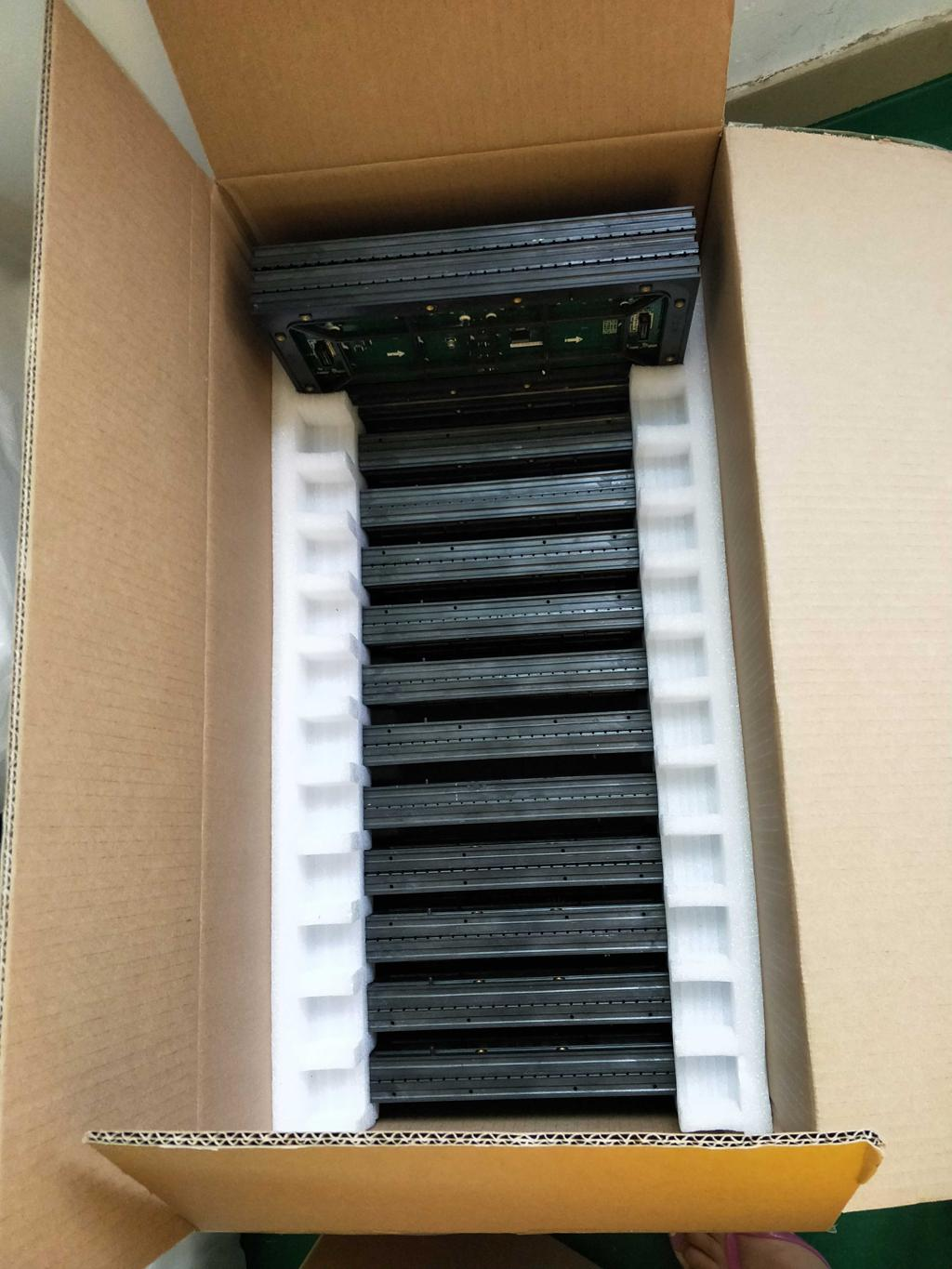
The LED modules require more protection than the metal structure.
LED lamps, PCBs, connectors, and electronic components can be damaged by impact, vibration, pressure, or moisture during transportation.
Protective materials such as PE foam, EPE foam, or other suitable cushioning materials can be placed around the modules.
The key principle is simple:
The LED surface should not directly touch another hard object.
Modules should also be prevented from moving inside the box.
For long-distance sea freight, moisture protection is another consideration. Electronic parts should remain dry during storage, container loading, transportation, and unloading.
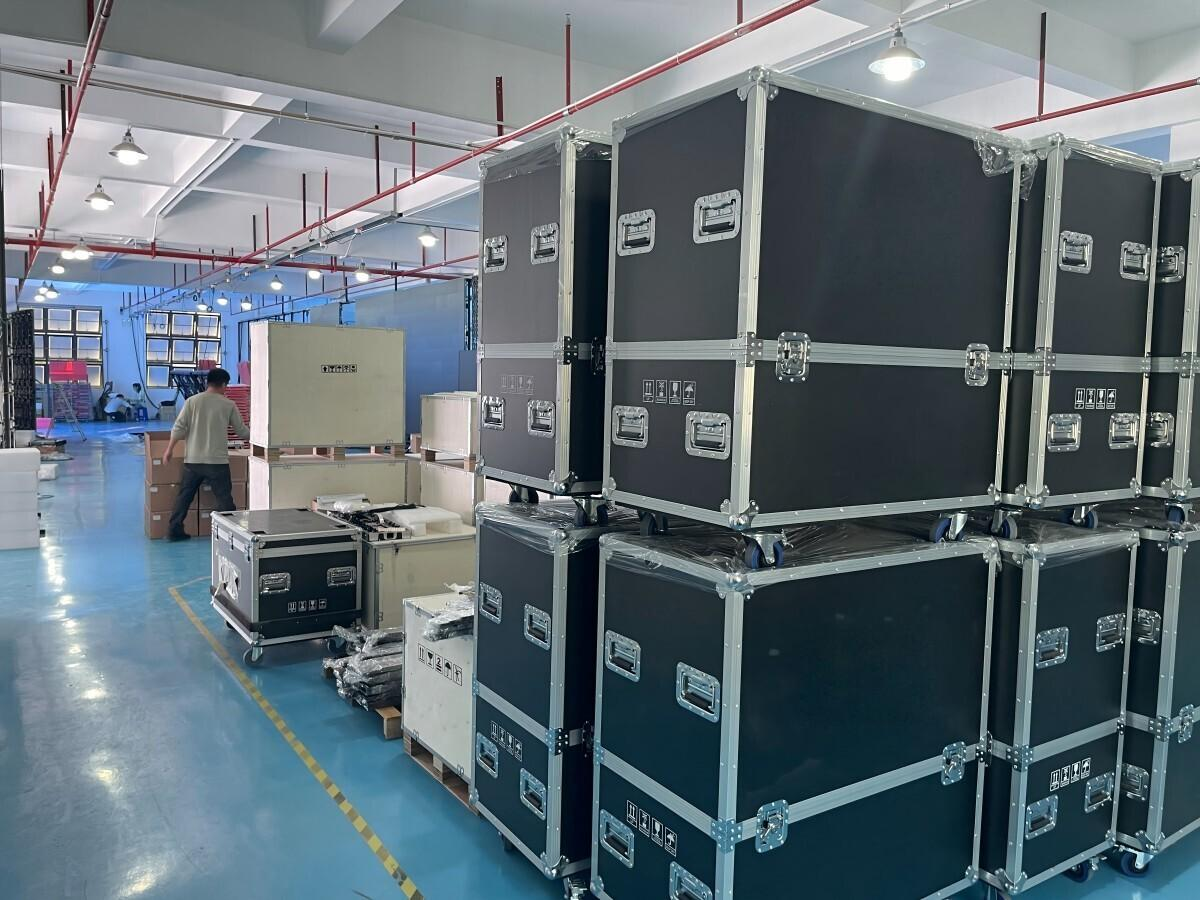
After the sensitive components are protected, the structural sections can be packed.
Two common options are:
Plywood cases are widely used for international shipments and are suitable for many fixed-installation projects.
They provide good protection while keeping packaging costs reasonable.
Flight cases are more suitable when the LED sphere will be transported repeatedly.
For example, a spherical display used for exhibitions, events, product launches, or touring shows may need to move between several locations.
A reusable flight case makes repeated handling easier.
For a very large sphere, different packaging methods may be combined. LED modules can use dedicated protective cases while large structural components use reinforced wooden cases.
A large LED sphere is not only a display surface.
The complete system may also include:
These parts should be organized instead of being placed randomly inside the structural packaging.
Accessories can be grouped by function and clearly labeled.
For example:
Case 1: LED Modules
Case 2: Control System
Case 3: Cables and Accessories
Case 4: Spare Parts
This makes inventory checking much easier after arrival.
International shipping cost is not determined only by product weight.
For a large LED sphere, packing volume can be equally important.
Before shipment, the supplier should calculate the dimensions, gross weight, net weight, and quantity of every package.
For sea freight, CBM is especially important because large structures can occupy considerable container space.
A good modular design can reduce unnecessary empty space.
This is another reason why a large sphere should be designed with transportation in mind from the beginning.
An LED sphere that looks excellent after installation but is extremely difficult to transport is not an efficient engineering solution.
The right shipping method depends on the project.
Sea freight is generally more suitable for very large LED spheres because of their size and shipping volume. It is often used when the project schedule allows more transportation time.
Air freight is much faster but can become expensive for large and heavy packages.
For urgent projects, some important electronic components or replacement parts may be sent by air while the main structure travels by sea.
The final choice depends on the sphere diameter, packing volume, destination, project schedule, and budget.
Good documentation is just as important as good packaging.
For a large customized LED sphere, useful documents may include:
Photos can also be taken before and during packing.
These records help the customer understand how the sphere was divided and how it should be assembled again.
The installation team should first inspect the outside of every case.
If there is serious damage to a package, it should be documented before unpacking.
The team can then check the package numbers against the packing list.
Installation normally follows the opposite order of packing:
Check Packages → Assemble Frame → Install Sphere Sections → Connect Power and Signal → Install/Check Modules → Configure Control System → Test Display
A clear numbering system makes this process much easier.
For complex projects, installation drawings and remote technical support can also help the local team complete the work correctly.
Large spherical displays require more than simply producing LED modules. The structure, module layout, transportation, installation, and control system need to be considered as one complete project.
Toosen provides customized LED sphere display solutions for different diameters, pixel pitches, and installation environments.
Available solutions cover indoor and outdoor applications, with pixel pitches ranging from fine-pitch indoor options to larger outdoor configurations. Large-diameter spherical screens can also be customized according to project requirements.
Before shipping, the sphere can be tested and divided according to its structural design. Installation drawings and technical guidance help customers rebuild and commission the screen after delivery.
For customers who need a different globe-style solution, Toosen also offers Globe LED Display Screens for customized projects.
Small LED spheres may sometimes be shipped as complete units. Large spheres are normally divided into smaller structural sections to reduce transportation difficulty and protect the LED surface.
LED modules are normally separated from heavy structural parts and protected with suitable cushioning materials. The packaging should prevent movement, impact, pressure, and moisture exposure.
International shipping should be considered during the design stage of a large LED sphere, not after production is finished.
A reliable process includes factory testing, modular disassembly, clear labeling, protective packaging, organized accessories, shipping-volume calculation, and detailed installation documentation.
When these steps are planned correctly, even a very large spherical LED display can travel across countries safely and be assembled efficiently at its final location.
For a customized indoor or outdoor project, visit the Toosen page to explore available sizes, pixel pitches, and installation options.
 EN
EN
 AR
AR
 BG
BG
 HR
HR
 CS
CS
 DA
DA
 NL
NL
 FI
FI
 FR
FR
 DE
DE
 EL
EL
 HI
HI
 IT
IT
 JA
JA
 KO
KO
 NO
NO
 PL
PL
 PT
PT
 RO
RO
 RU
RU
 ES
ES
 SV
SV
 TL
TL
 ID
ID
 SR
SR
 UK
UK
 VI
VI
 ET
ET
 HU
HU
 TH
TH
 TR
TR
 FA
FA
 AF
AF
 MS
MS
 GA
GA
 HY
HY
 AZ
AZ
 MN
MN
 UZ
UZ