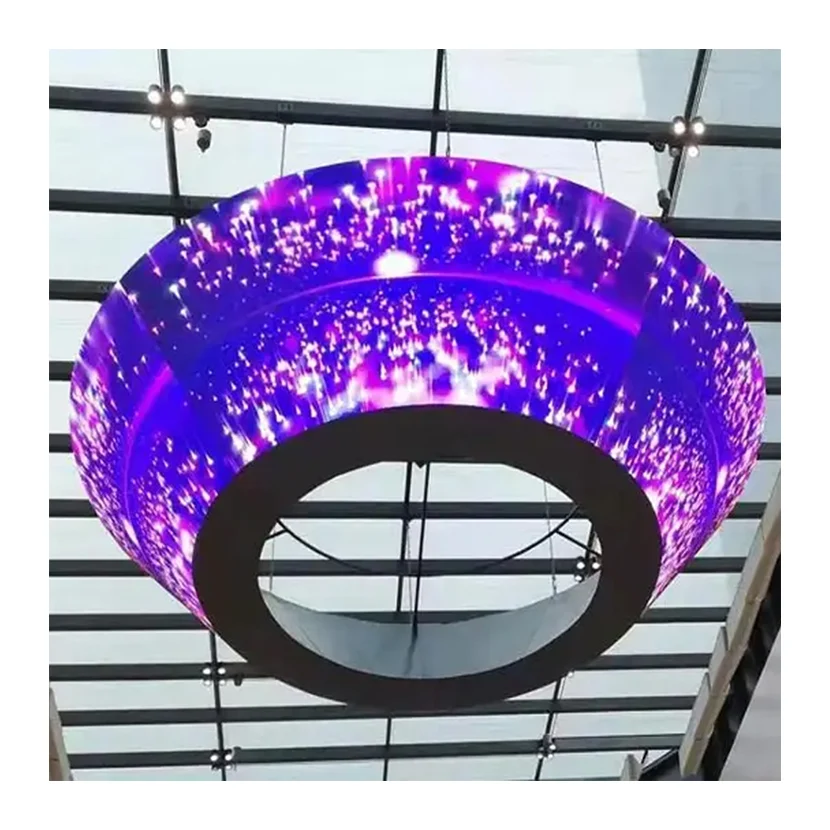
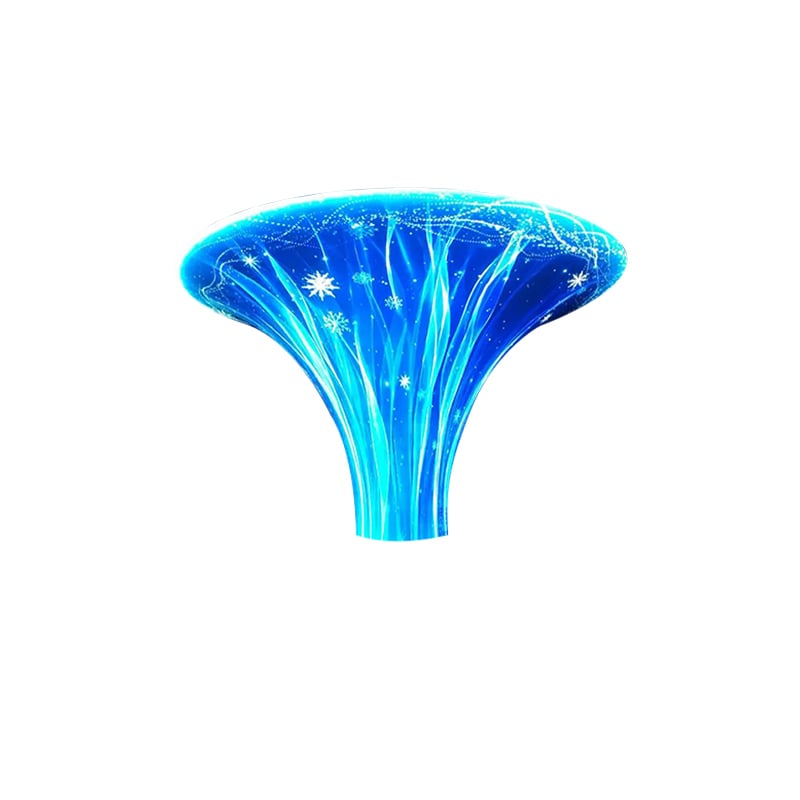
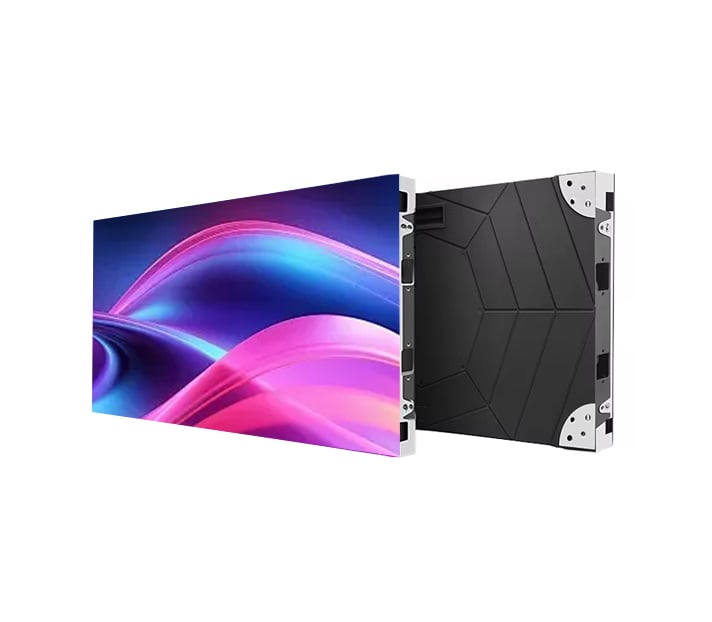
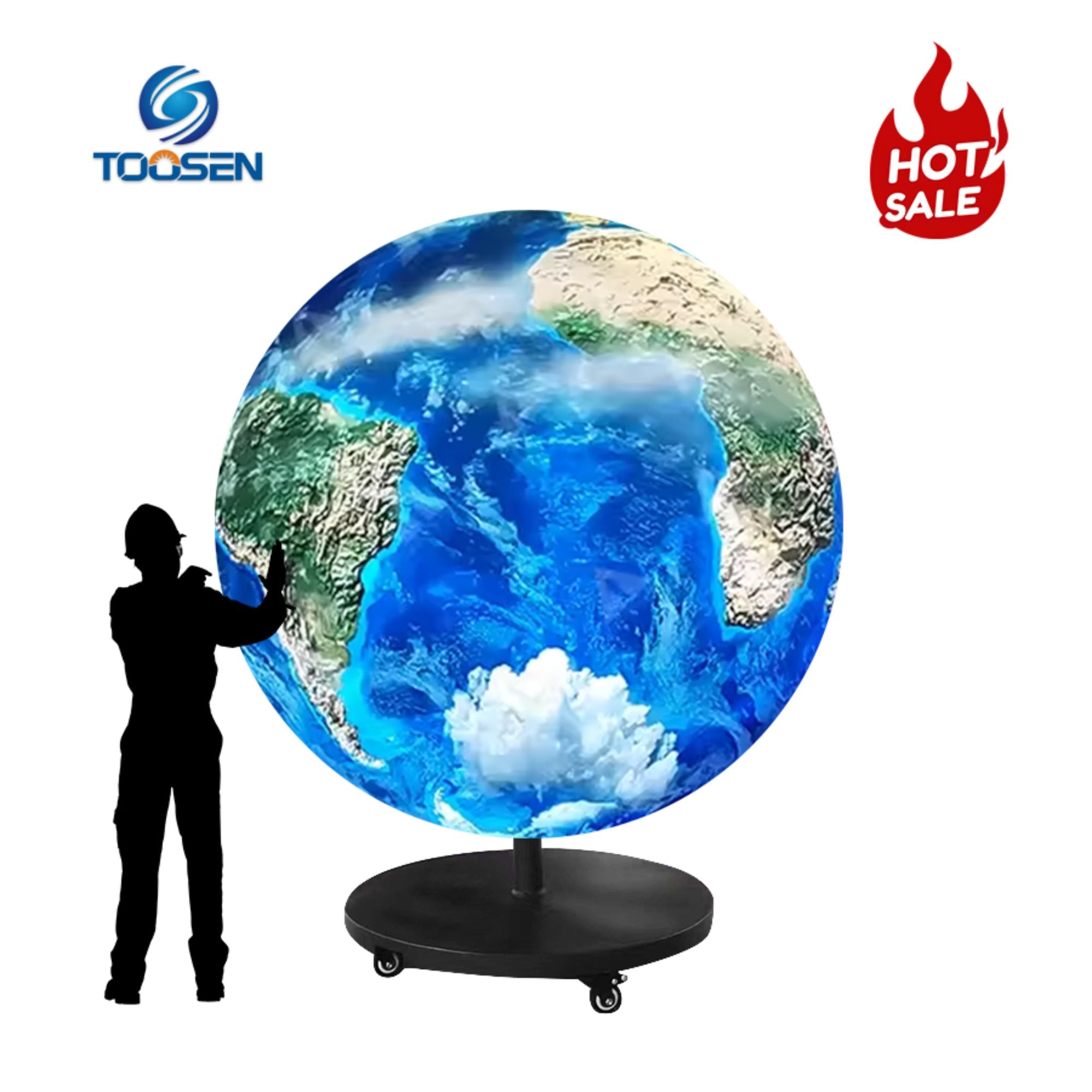
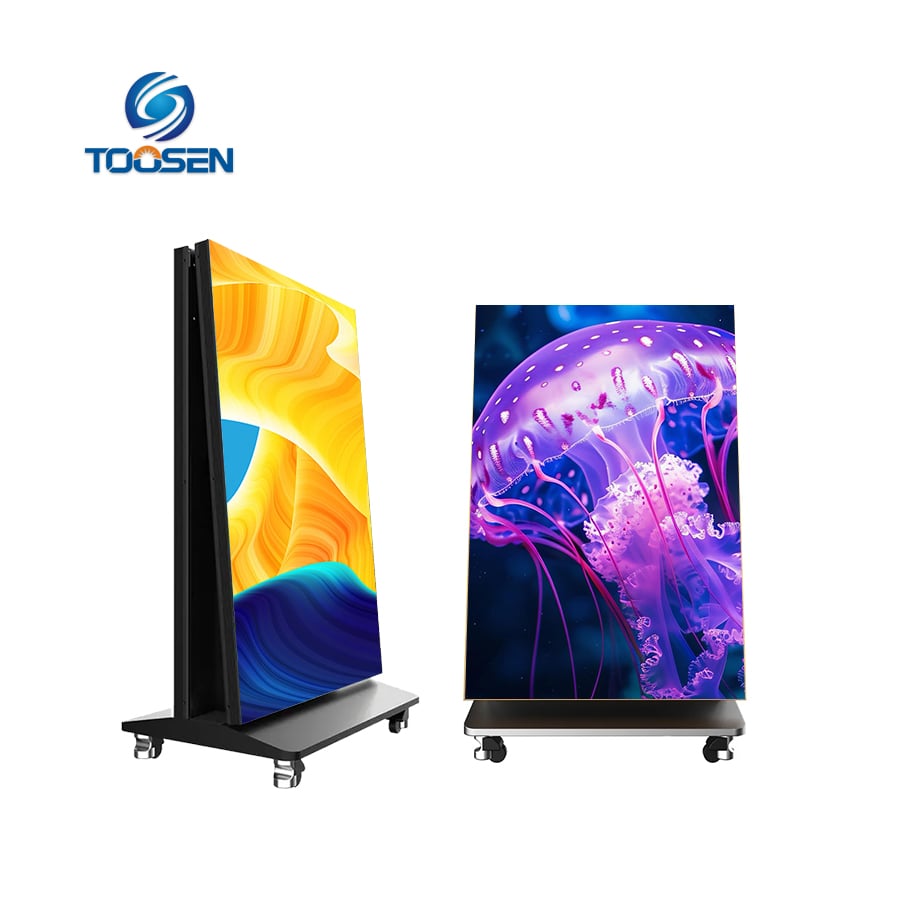
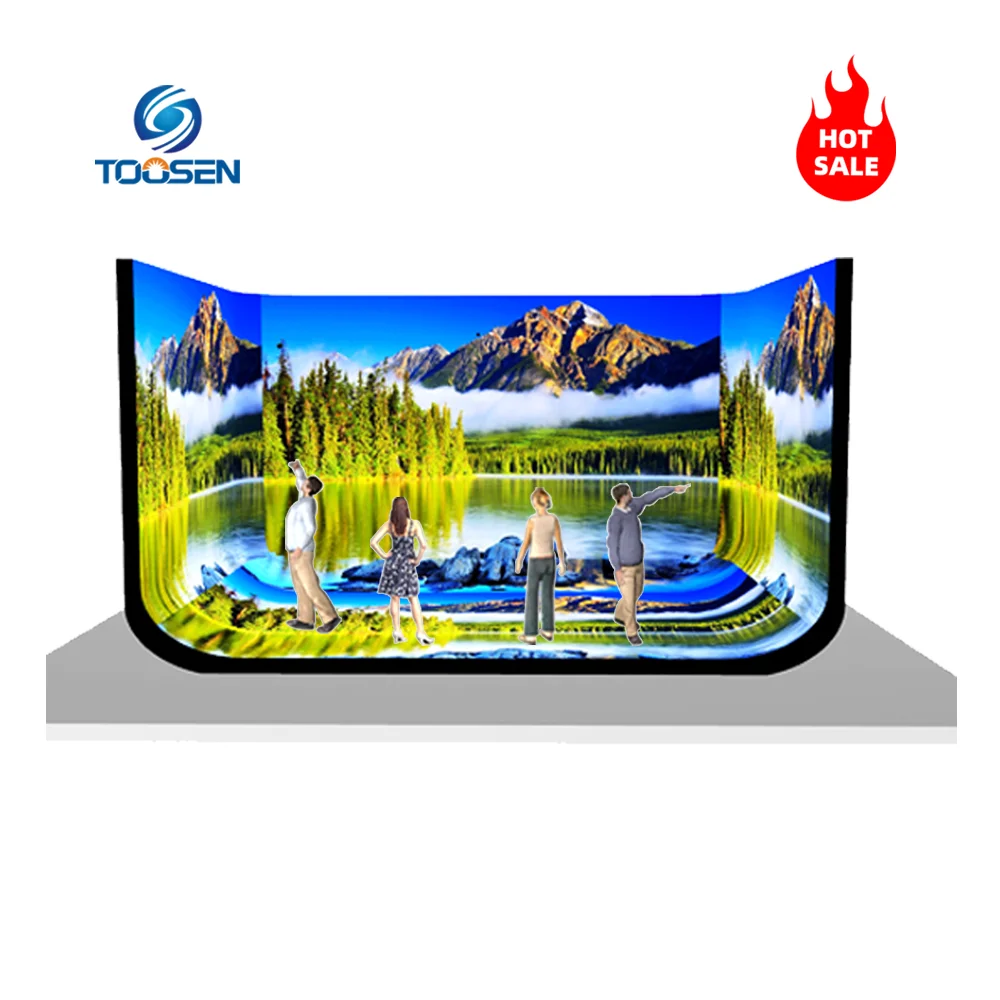
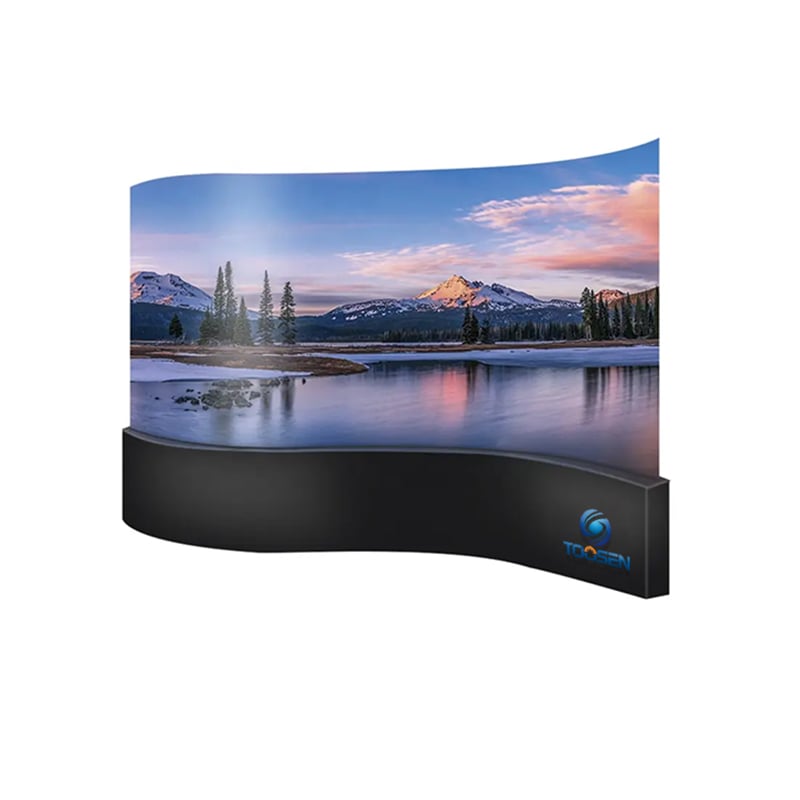
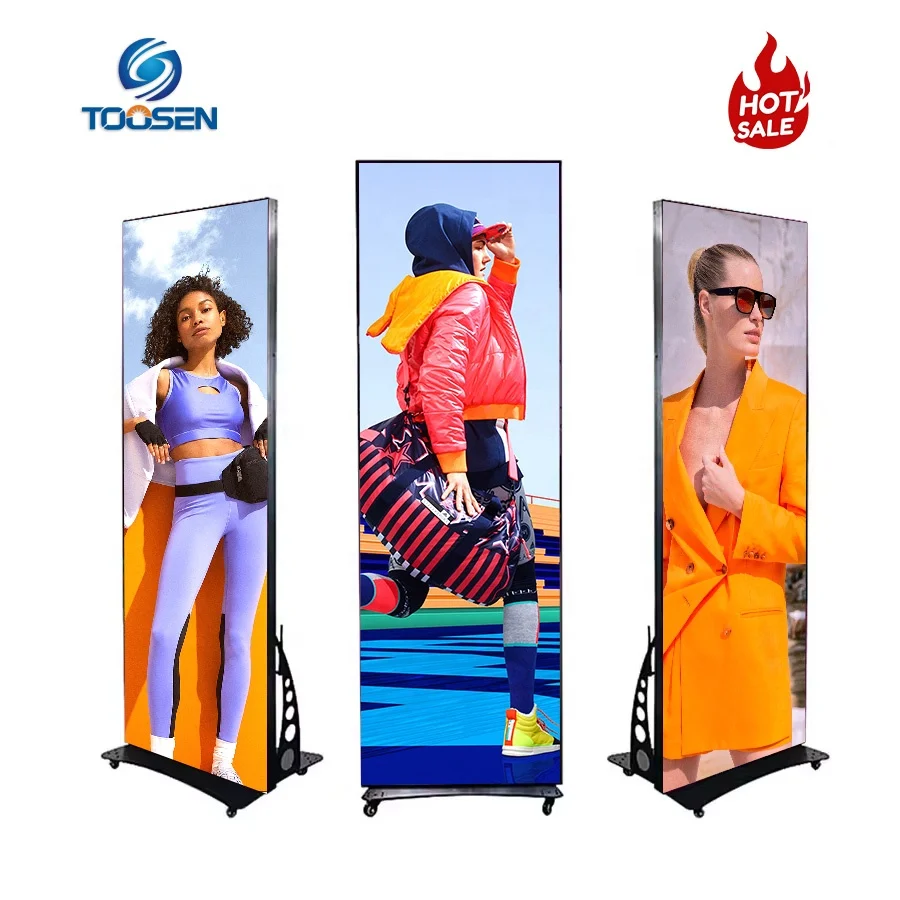
Dispozitive LED Creative —cum ar fi pereții curbați, ecranele cilindrice, tunelurile și instalațiile transparente—vă oferă ceva ce ecranele plane nu pot: povestire spațială . Totuși, multe mărci obțin rezultate suboptime deoarece tratează aceste ecrane ca pe afișe tradiționale.
Dacă dorești o creștere măsurabilă a atenției, timpului petrecut în fața ecranului și al conversiilor , trebuie să proiectezi atât amplasarea hardware-ului, cât și logica conținutului în mod integrat. Mai jos găsiți o abordare structurată.
1. Începeți cu fizica atenției, nu cu estetica
Oamenii nu observă reclamele — observă schimbare, mișcare și contrast .
Design pentru întrerupere vizuală instantanee:
- Utilizați tranziții cu contrast ridicat (întunecat → strălucitor, static → mișcare)
- A introduce mișcare în primele 1–2 secunde
- Evitați aglomerația—un punct focal pe scenă
De Ce Funcționează: Sistemul vizual uman acordă prioritate mișcării și contrastului în detrimentul detaliilor.
2. Utilizați forma afișajului LED ca instrument narativ
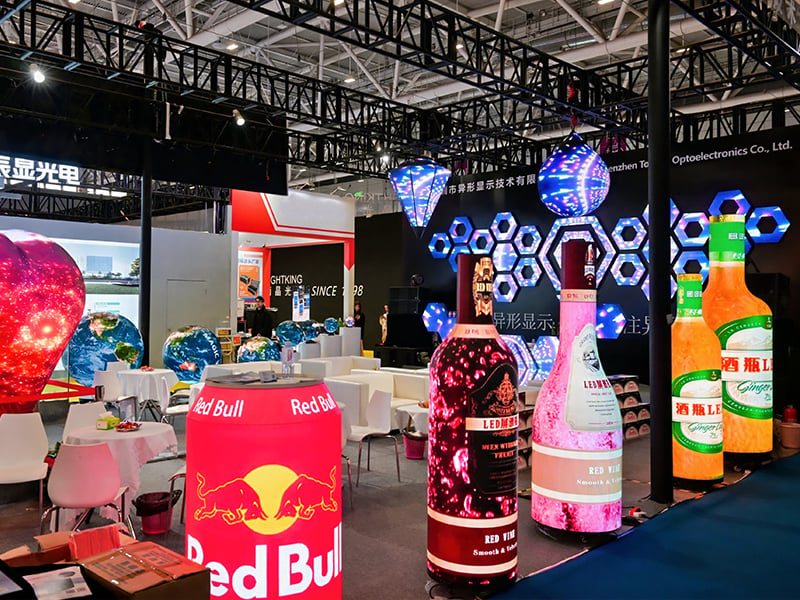
Afișajele LED creative nu sunt doar ecrane—ele sunt panouri 3D .
Aplicați povestire specifică formatului:
Ecrane curbe / ondulate
- Simulați mișcarea fluidă (apă, vânt, țesătură)
- Extindeți imaginile dincolo de margini pentru a crea continuitate
Ecrane cilindrice
- Utilizați conținut în buclă fără început/sfârșit vizibil
- Înfășurați produsele sau animațiile în jurul structurii
Tuneluri / tavanuri LED
- Creați iluzii de mișcare înainte (zbor, deplasare, cădere)
- Conduceți fizic spectatori prin conținut
Nu forțați un videoclip plan pe o suprafață curbată. În schimb, proiectați conținutul pentru geometrie .
3. Proiectați pentru durata de vizionare (nu doar pentru calitatea vizuală)
Reclamele comerciale și cele publice obțin de obicei 3–8 secunde de atenție .
Optimizați structura mesajului dvs.:
-
Element de atracție (0–2 s) → mișcare sau surpriză
-
Mesajul principal (2–5 s) → produs / ofertă
-
Refortificare (5–8 s) → logo sau CTA
Evitați narativele lungi — buclele scurte obțin rezultate superioare față de poveștile complexe în mediile cu trafic intens.
4. Exploatați iluzia și adâncimea
Afisajele creative cu LED se remarcă prin iluzia vizuală , ceea ce crește în mod semnificativ implicarea.
Tehnici cu performanță ridicată:
-
efecte anamorfice 3D (obiecte care „ies în afară”)
-
Mișcare de paralaxă (separare prim-plan/fundal)
-
Distorsiune de perspectivă (în special în colțuri sau pe curbe)
Aceste tehnici determină spectatorii să se oprească, să privească de două ori și, adesea, să înregistreze sau să împărtășească — amplificând astfel acoperirea în mod organic.
5. Sincronizați conținutul cu spațiul fizic
Instalările cele mai eficiente par integrate integrate, nu adăugate.
Aliniați conținutul cu mediul:
- Potriviți condițiile de iluminare (luminozitate ziua vs. noaptea)
- Extindeți elementele vizuale pe podele, pereți sau tavan
- Coordonați-vă cu liniile și marginile arhitecturale
De exemplu, un ecran LED montat pe tavan poate simula un cer deschis sau nori în mișcare, făcând spațiul să pară mai amplu și mai imersiv.
6. Mențineți conținutul dinamic și adaptat contextului
Conținutul static risipește potențialul tehnologiei LED.
Îmbunătățiți performanța cu:
- Conținut bazat pe timp (campanii pentru dimineață vs. seară)
- Elemente vizuale declanșate de evenimente (promoții, sărbători, lansări)
- Creativi rotativi pentru a evita „orbirea față de reclame”
Actualizările frecvente transmit senzația de noutate și mențin implicarea vizitatorilor care revin.
7. Optimizați luminozitatea, rezoluția și culoarea
Chiar și conținutul excelent eșuează dacă afișajul nu este reglat corespunzător.
Principalele recomandări tehnice:
-
Luminositatea:
- Interior: 800–1500 nit
- În fața ferestrei: peste 2500 nit
-
Pixel Pitch:
- Vizualizare de aproape: P1.5–P2.5
- Distanță medie: P2.5–P4
-
Calibrare culori:
- Mențineți consistența între module
- Evitați supra-saturarea
Calibrarea corectă asigură faptul că imaginile dvs. rămân clare și profesionale.
8. Design pentru partajare socială
Dacă oamenii filmează afișajul dumneavoastră, reclama dumneavoastră își extinde aria de acoperire.
Încurajați «momentele care merită partajate»:
- Folosiți efecte vizuale surprinzătoare sau bucle
- Creați secvențe vizual satisfăcătoare
- Includeți branding subtil (nu logouri prea evidente)
Multe afișaje comerciale virale reușesc deoarece prioritizează experiența în primul rând, brandingul în al doilea rând .
9. Testați, măsurați și iterați
Tratați publicitatea cu LED ca pe o canal de performanță , nu doar un activ vizual.
Urmăriți metricile cheie:
- Modificări ale fluxului de trecere pe jos
- Timp de Stat
- Rata de conversie (înainte și după instalare)
Apoi rafinați:
- Momentul afișării conținutului
- Complexitatea vizuală
- Claritatea apelului la acțiune
Optimizarea continuă distinge campaniile obișnuite de cele de înaltă performanță.
Greșeli frecvente de evitat
- Tratarea ecranelor LED creative ca pe ecrane de televiziune
- Suprasolicitarea vizualelor cu prea multă informație
- Ignorarea unghiurilor și distanțelor de vizualizare
- Utilizarea conținutului static sau învechit
- Neglijarea întreținerii și a calibrării luminozității
Concluzie
Afisajele creative cu LED nu afișează doar reclame — ele creează medii .
Pentru a le exploata pe deplin:
- Proiectați conținutul pentru forma și spațiul
- A se concentra pe secvențe vizuale scurte, cu impact ridicat
- Utilizați mișcare, iluzie și integrare pentru a atrage atenția
Dacă executați acest lucru corect, afișajul dvs. nu va atrage doar vizualizări — ci va stimula implicarea, va crește durata de staționare și, în cele din urmă, va spori vânzările .

 EN
EN
 AR
AR
 BG
BG HR
HR
 CS
CS
 DA
DA
 NL
NL
 FI
FI FR
FR
 DE
DE EL
EL
 HI
HI
 IT
IT JA
JA
 KO
KO
 NO
NO PL
PL PT
PT RO
RO
 RU
RU
 ES
ES
 SV
SV
 TL
TL
 ID
ID
 SR
SR
 UK
UK VI
VI
 ET
ET
 HU
HU
 TH
TH
 TR
TR
 FA
FA
 AF
AF
 MS
MS
 GA
GA
 HY
HY
 AZ
AZ
 MN
MN
 UZ
UZ