Home > News > Industry News
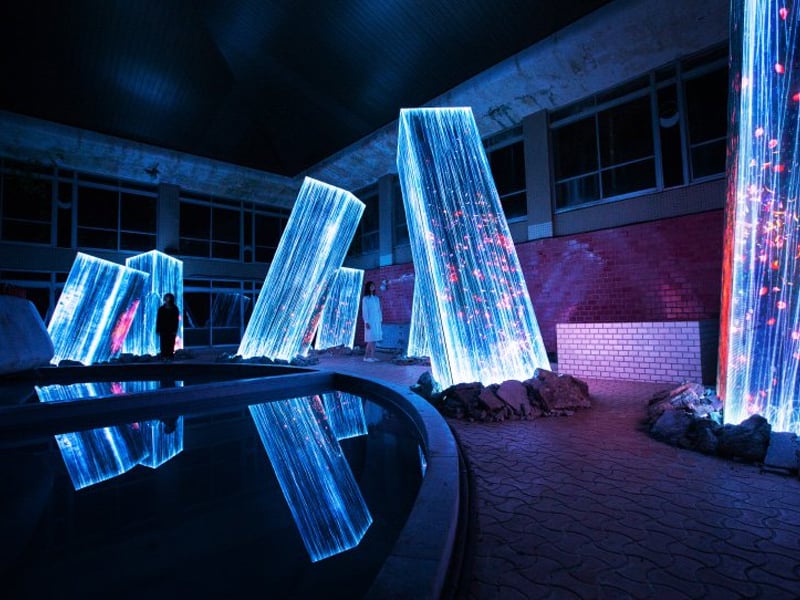
The concept of a fragmented LED photo wall is not just visually appealing—it reflects a broader shift in design logic. We are moving away from function-first displays toward experience-driven, spatial storytelling systems. This approach transforms LED screens from passive content carriers into active architectural elements.
Let’s break it down from three critical perspectives: technical architecture, experiential value, and implementation strategy.
This type of installation relies on coordinated subsystems rather than a single display unit. Two core technologies enable the effect:
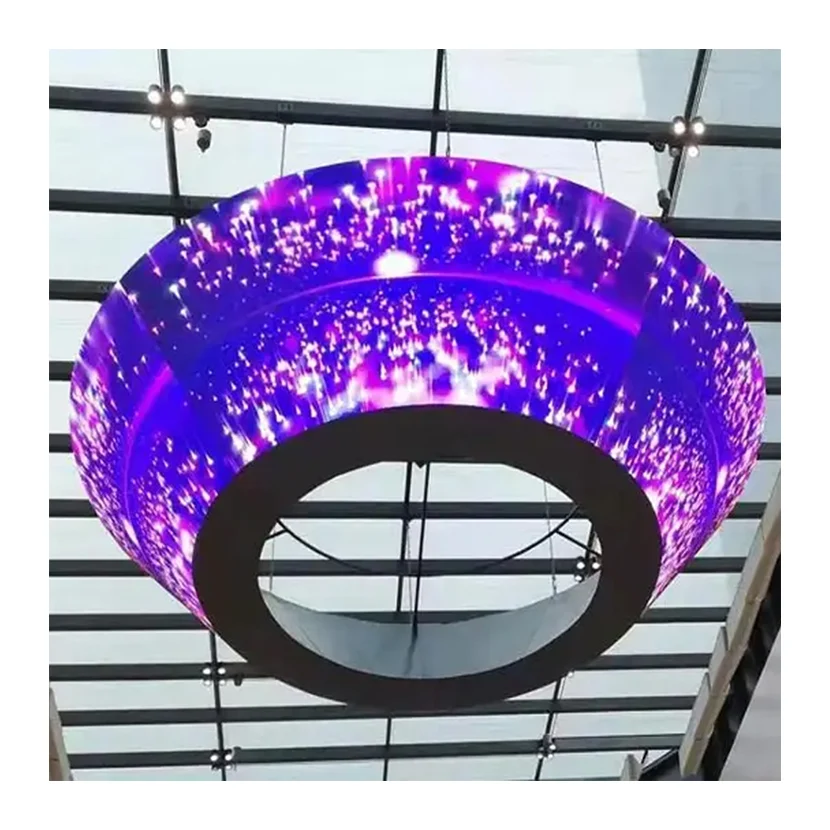
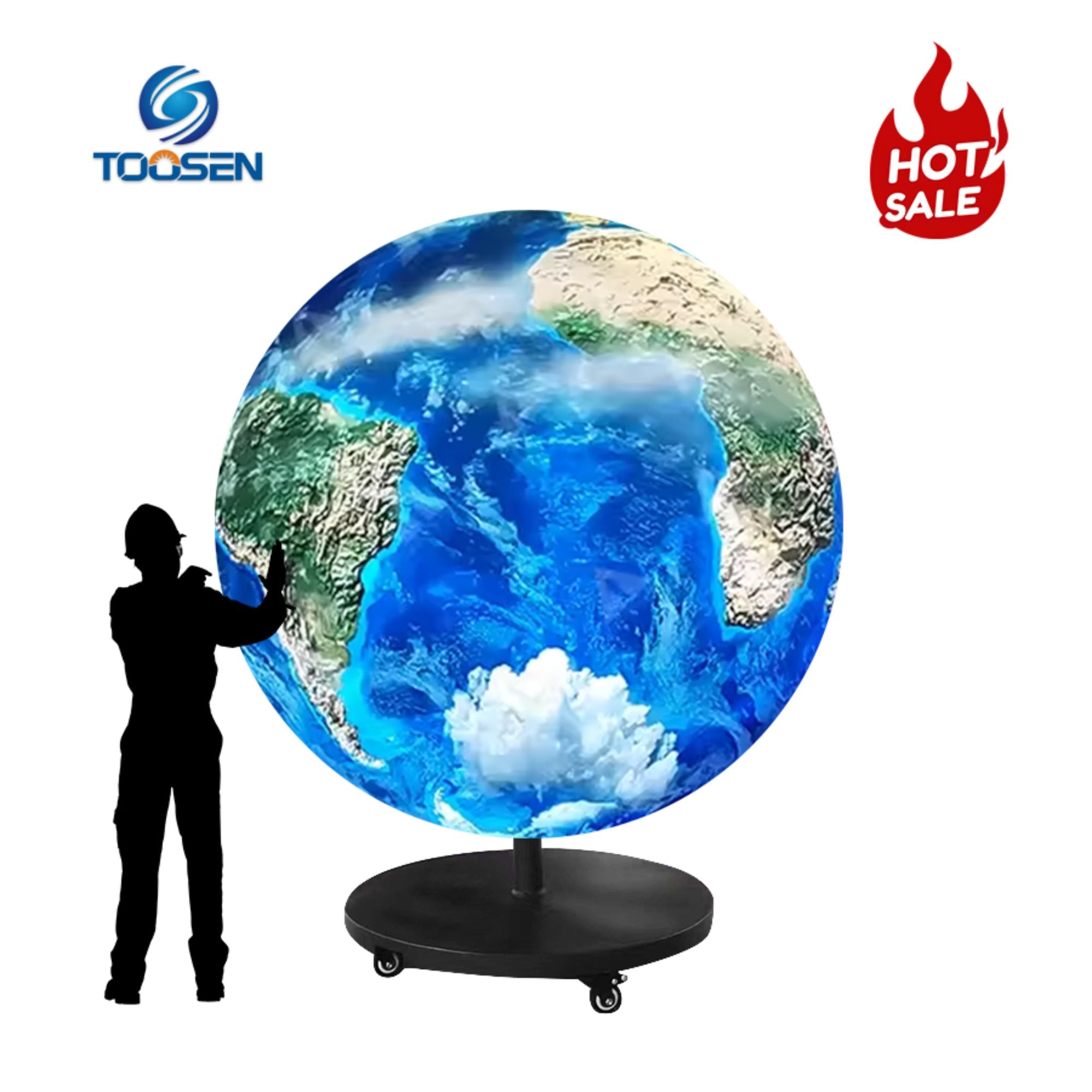
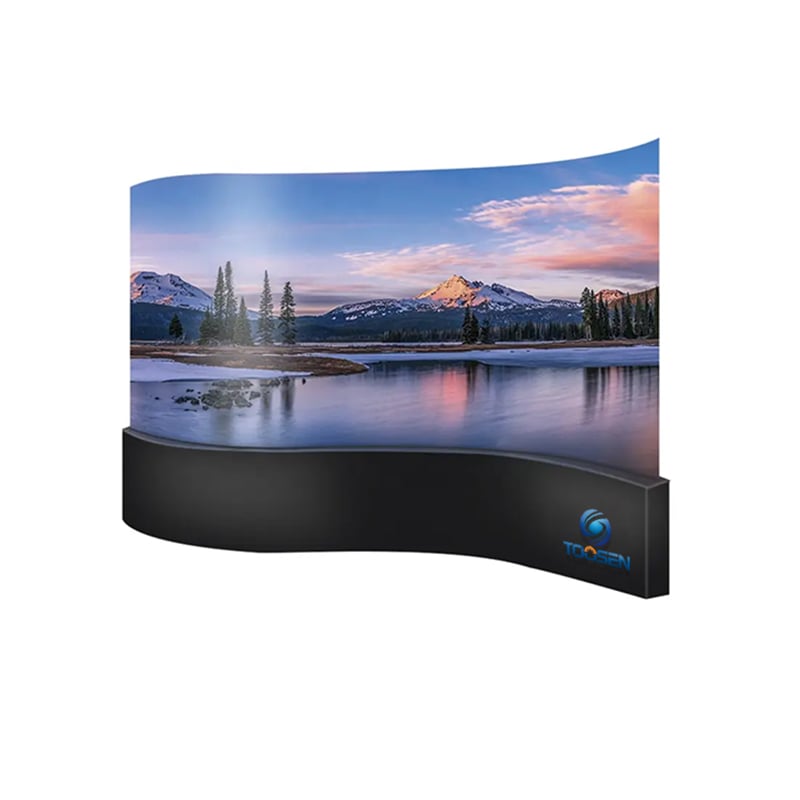
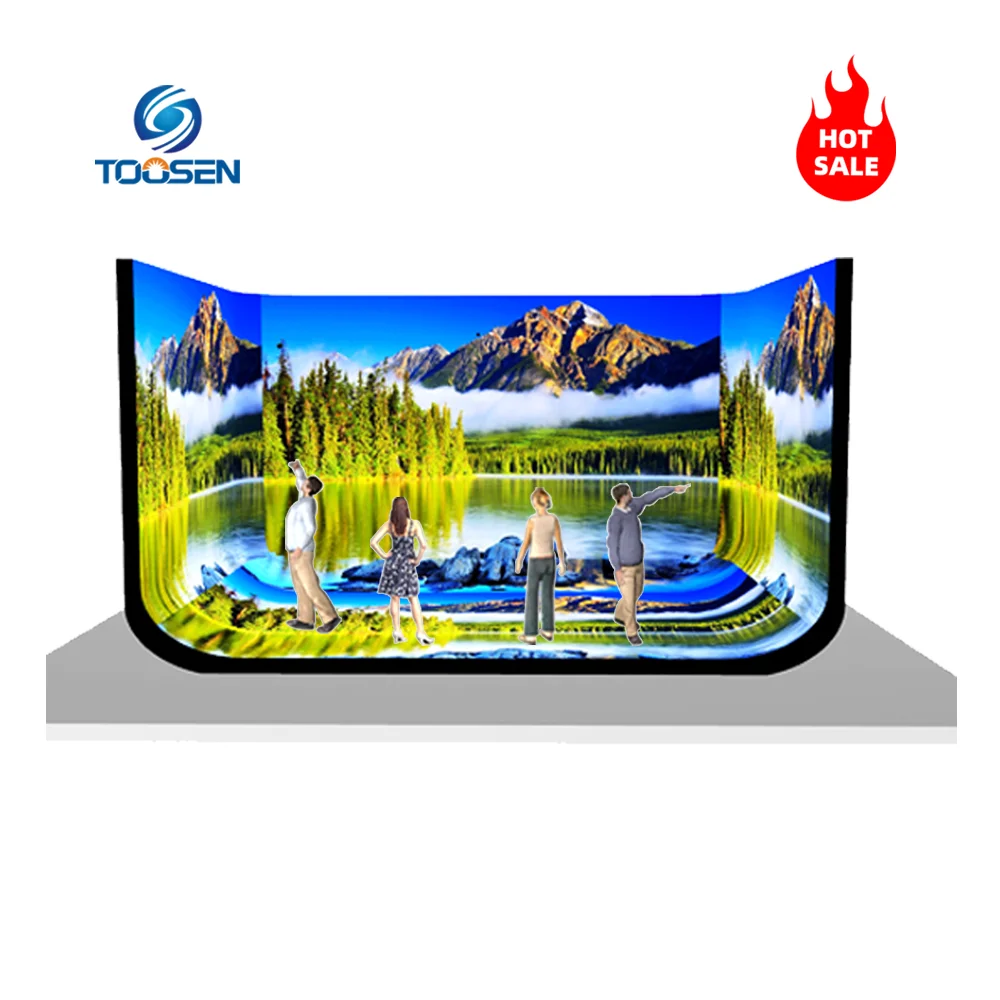
Instead of standard rectangular cabinets, designers use flexible LED modules that can adapt to non-linear geometries.
This is fundamentally different from flat LED walls. You are designing topology, not just resolution.
To achieve the “unified image vs independent content” duality, you need a distributed playback architecture.
This system requires synchronization accuracy (frame-level alignment) to avoid tearing or latency mismatch.
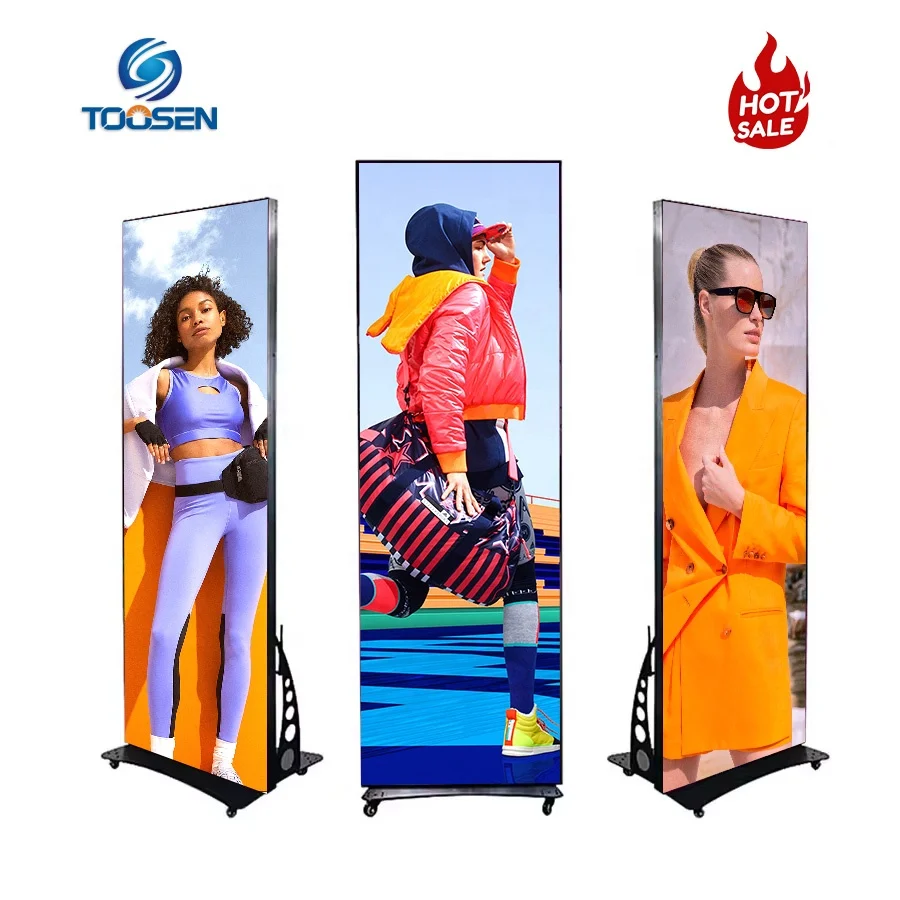
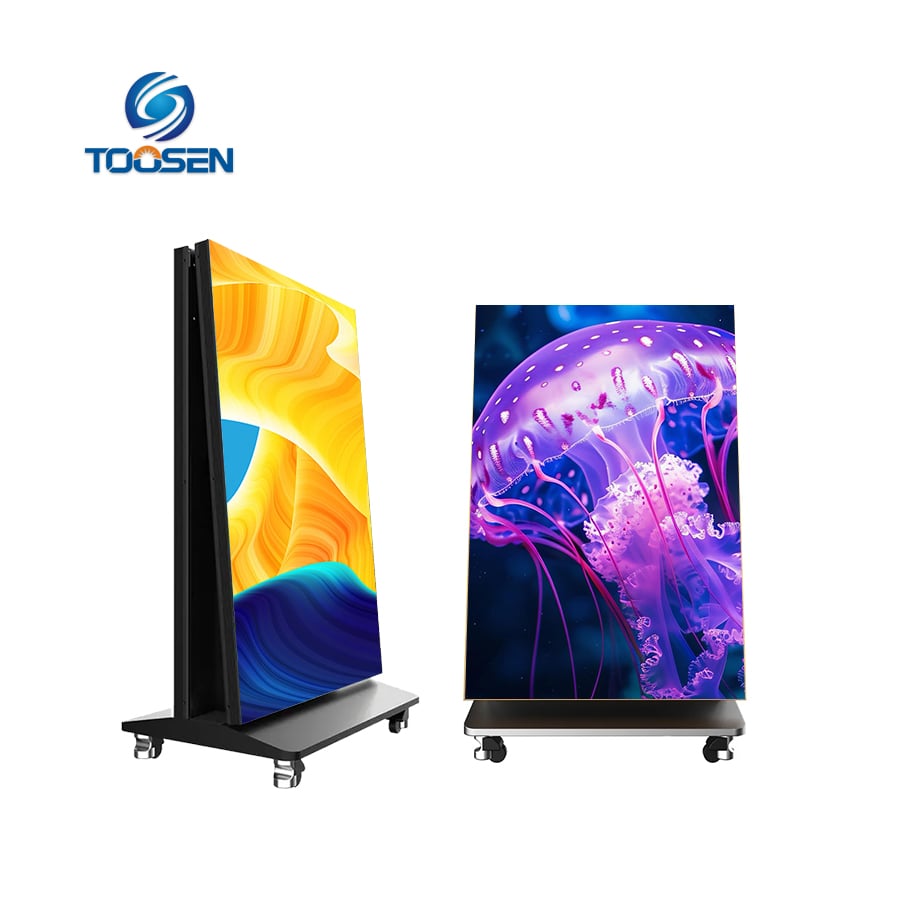
Compared to plug-and-play LED poster screens, fragmented walls deliver qualitative advantages, not just functional ones.
Traditional screens often become visually intrusive when turned off. In contrast:
This solves a major issue in commercial spaces: “black screen awkwardness.”
Flat LED walls push content in a linear, centralized way. Fragmented layouts do the opposite:
For example:
This creates a non-linear narrative, which increases dwell time and encourages interaction.
Each fragment can act as an independent visual anchor:
This dramatically boosts organic social media exposure, turning the display into a content-generation engine.
From a design language perspective:
This aligns closely with Gen Z and younger audiences who prefer:
Turning this concept into reality requires careful engineering trade-offs.
Because users interact at close range:
Fine pitch ensures that even small fragments maintain image integrity at 1–2 meters.
Fragmented designs often compress internal space, which creates two risks:
You should plan for:
Without this, even minor pixel failures become operational headaches.
To fully unlock the concept, you should extend beyond video playback.
Consider adding:
For example:
At its core, this concept represents a structural shift:
You are no longer designing a screen—you are designing how space communicates.
The irregular fragmented LED wall is powerful because it merges technology, architecture, and narrative into one system. It solves practical issues like visual fatigue and inactive aesthetics while unlocking higher-value outcomes such as engagement, dwell time, and social amplification.
If plug-and-play LED posters represent efficiency and accessibility, then fragmented LED walls represent differentiation and brand identity.
Both have their place—but for spaces that aim to stand out, this approach operates on an entirely different level.
 EN
EN
 AR
AR
 BG
BG
 HR
HR
 CS
CS
 DA
DA
 NL
NL
 FI
FI
 FR
FR
 DE
DE
 EL
EL
 HI
HI
 IT
IT
 JA
JA
 KO
KO
 NO
NO
 PL
PL
 PT
PT
 RO
RO
 RU
RU
 ES
ES
 SV
SV
 TL
TL
 ID
ID
 SR
SR
 UK
UK
 VI
VI
 ET
ET
 HU
HU
 TH
TH
 TR
TR
 FA
FA
 AF
AF
 MS
MS
 GA
GA
 HY
HY
 AZ
AZ
 MN
MN
 UZ
UZ