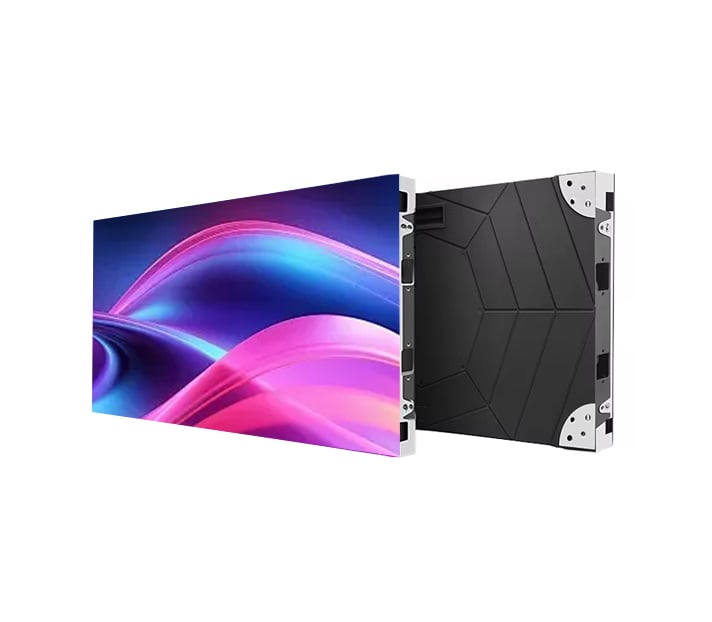
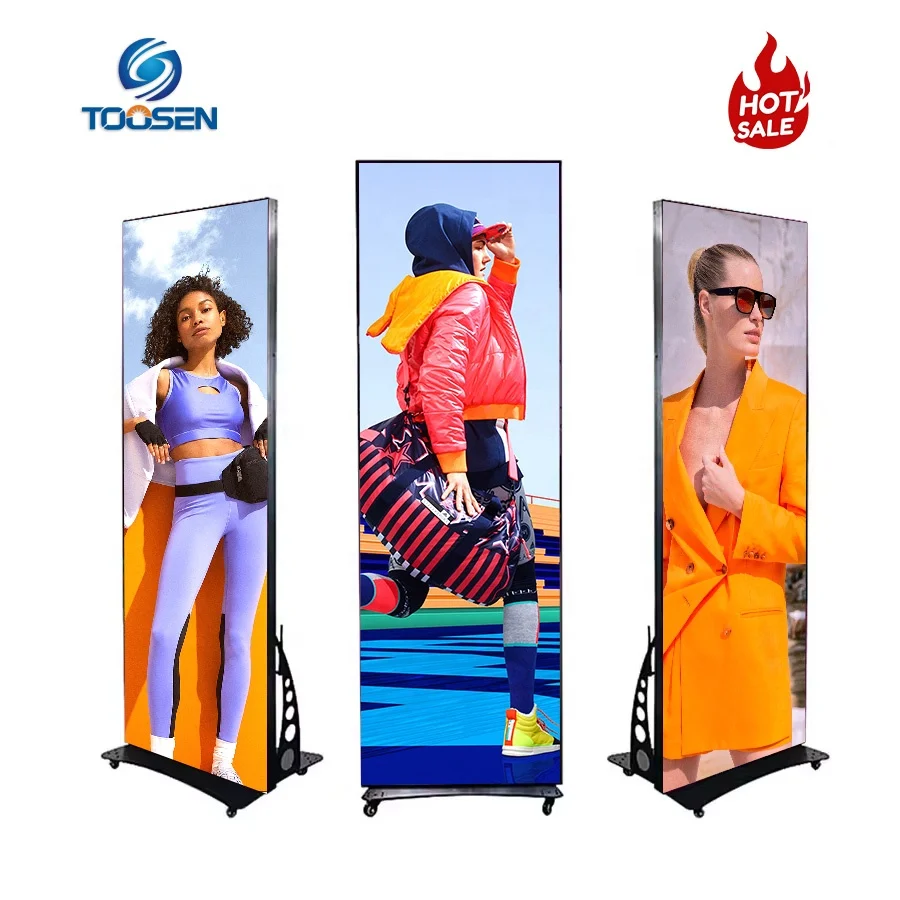
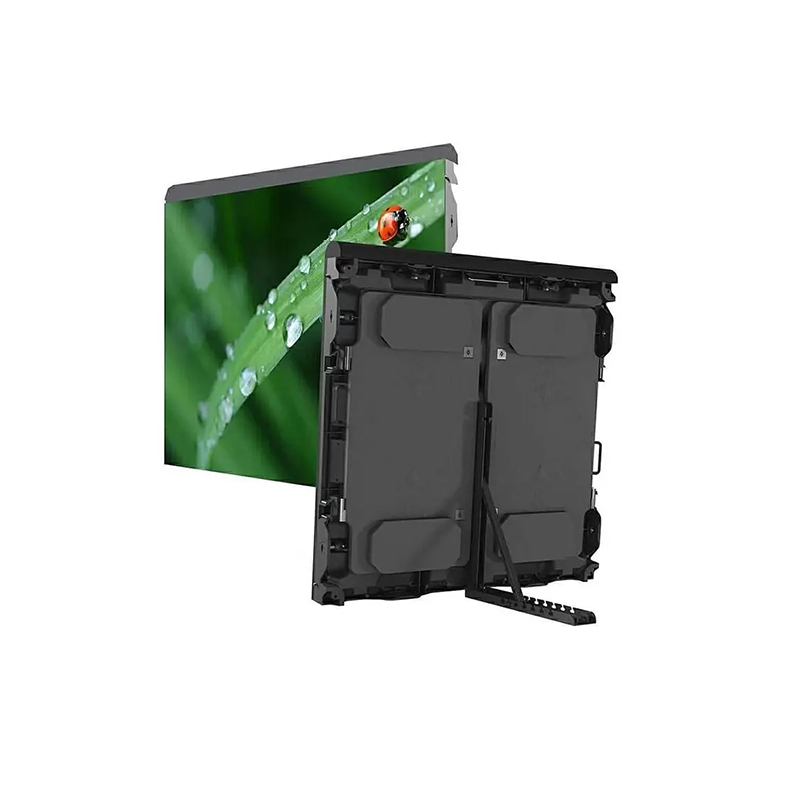
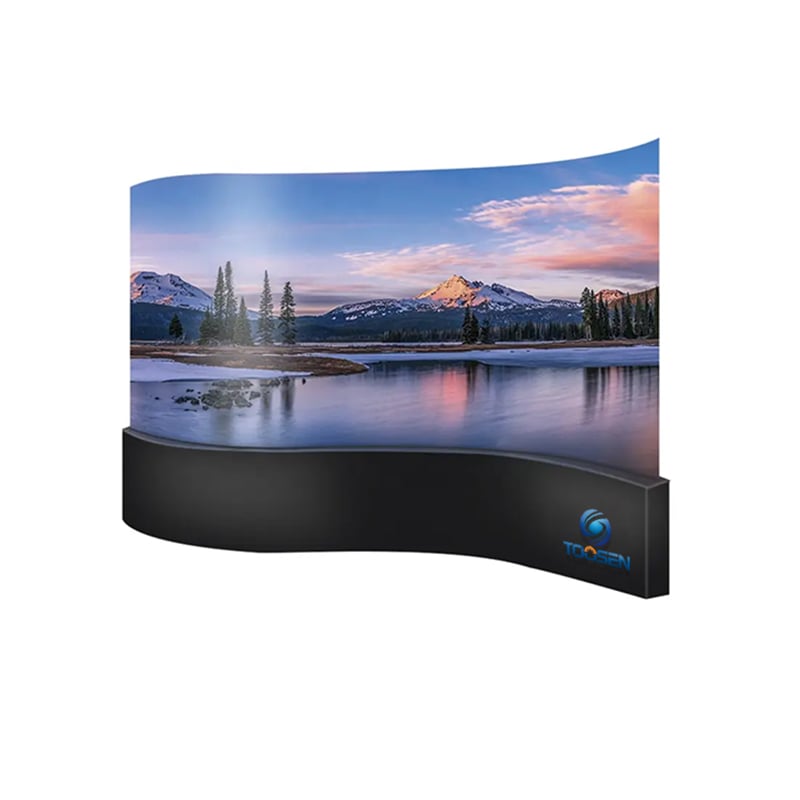
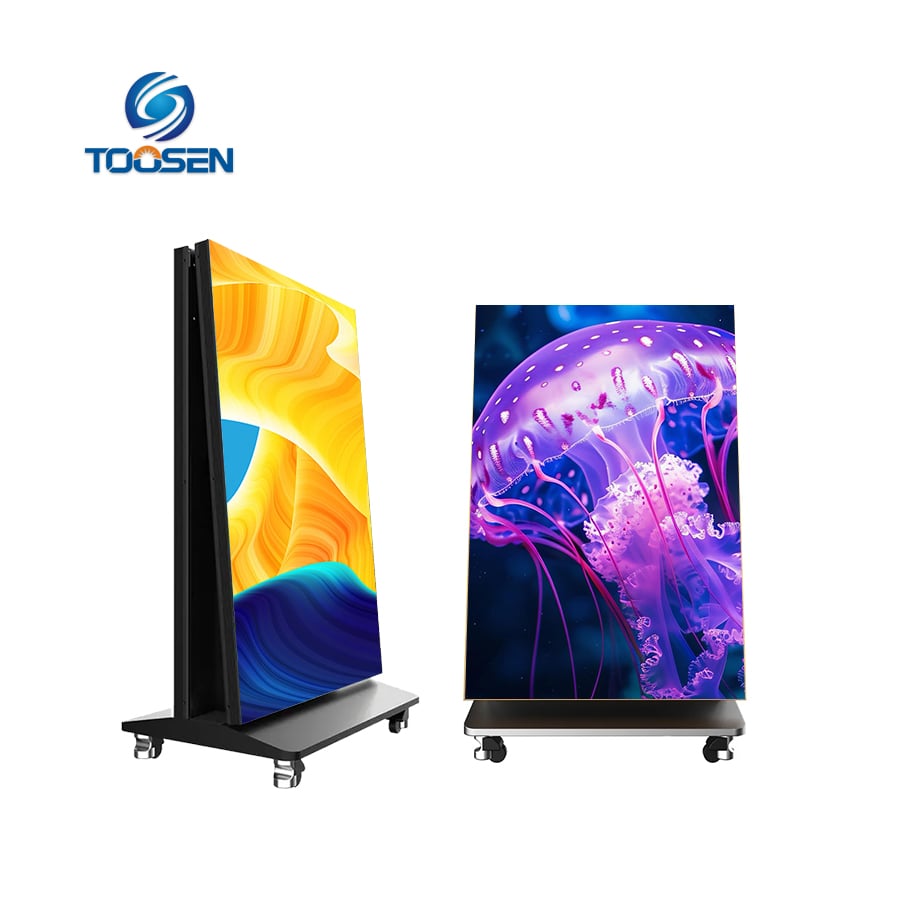
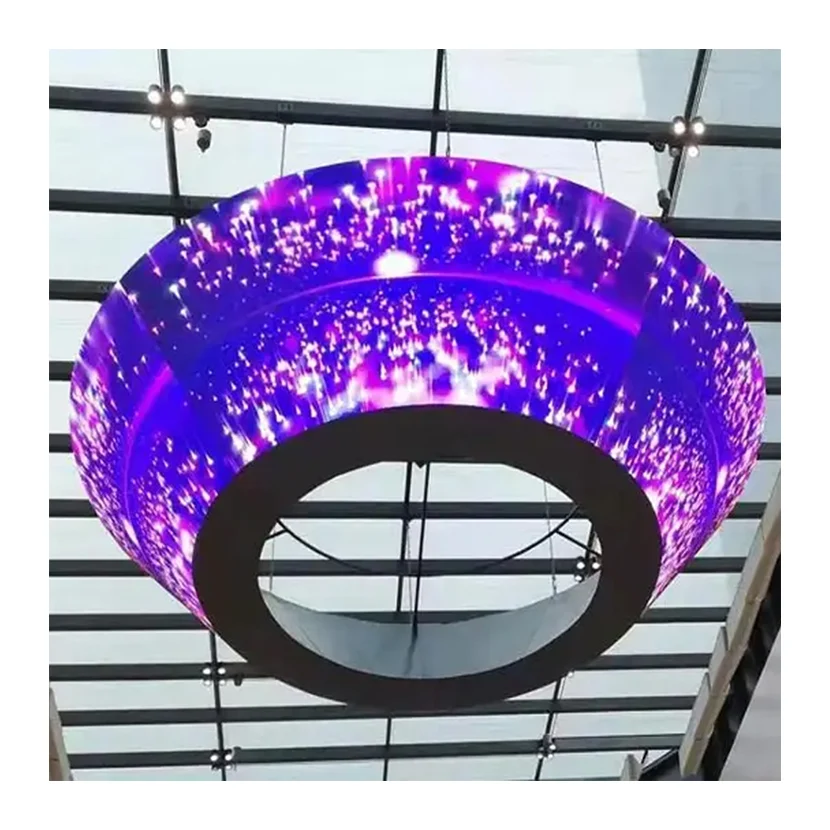
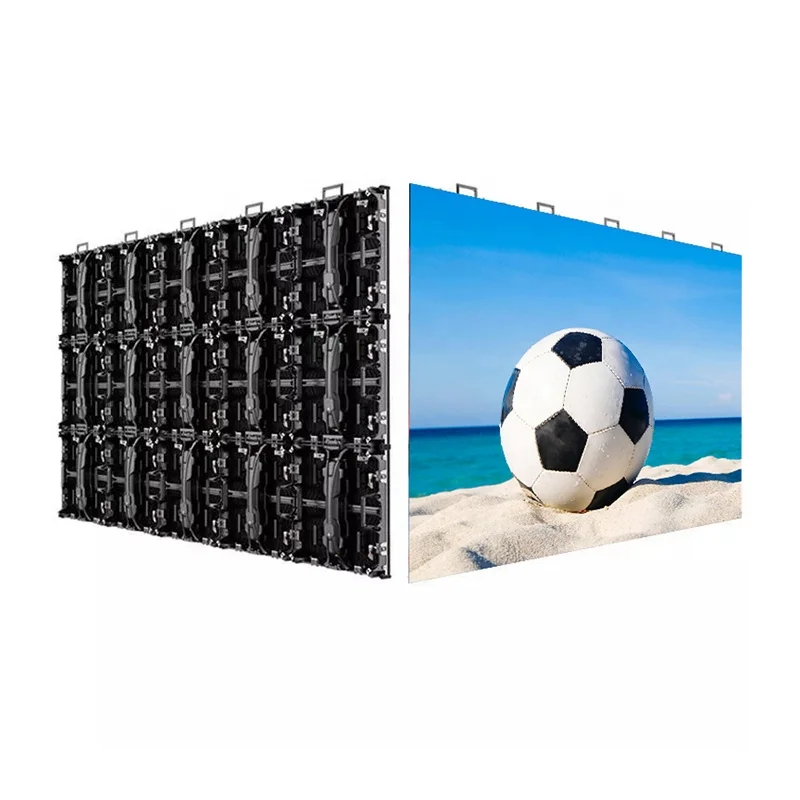
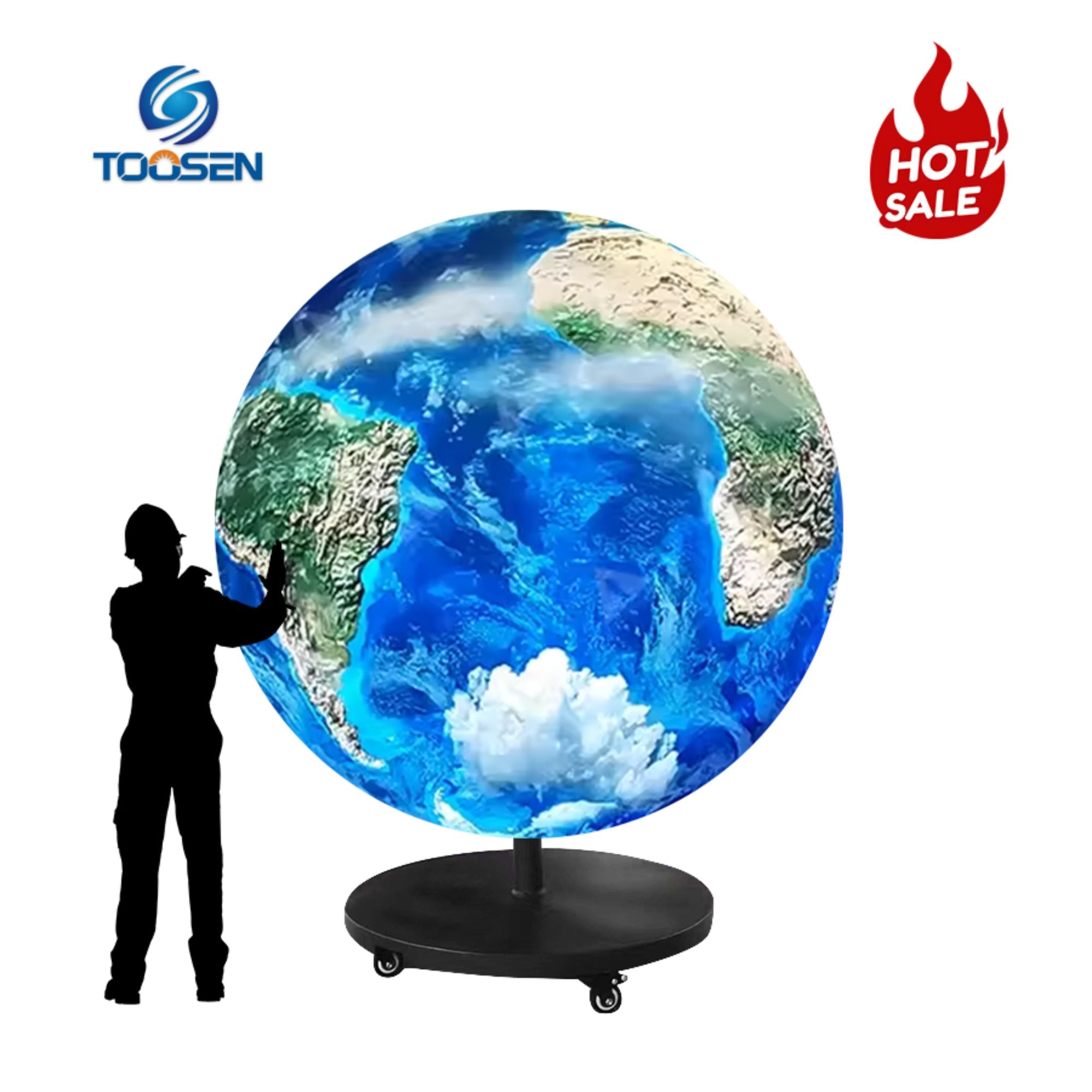
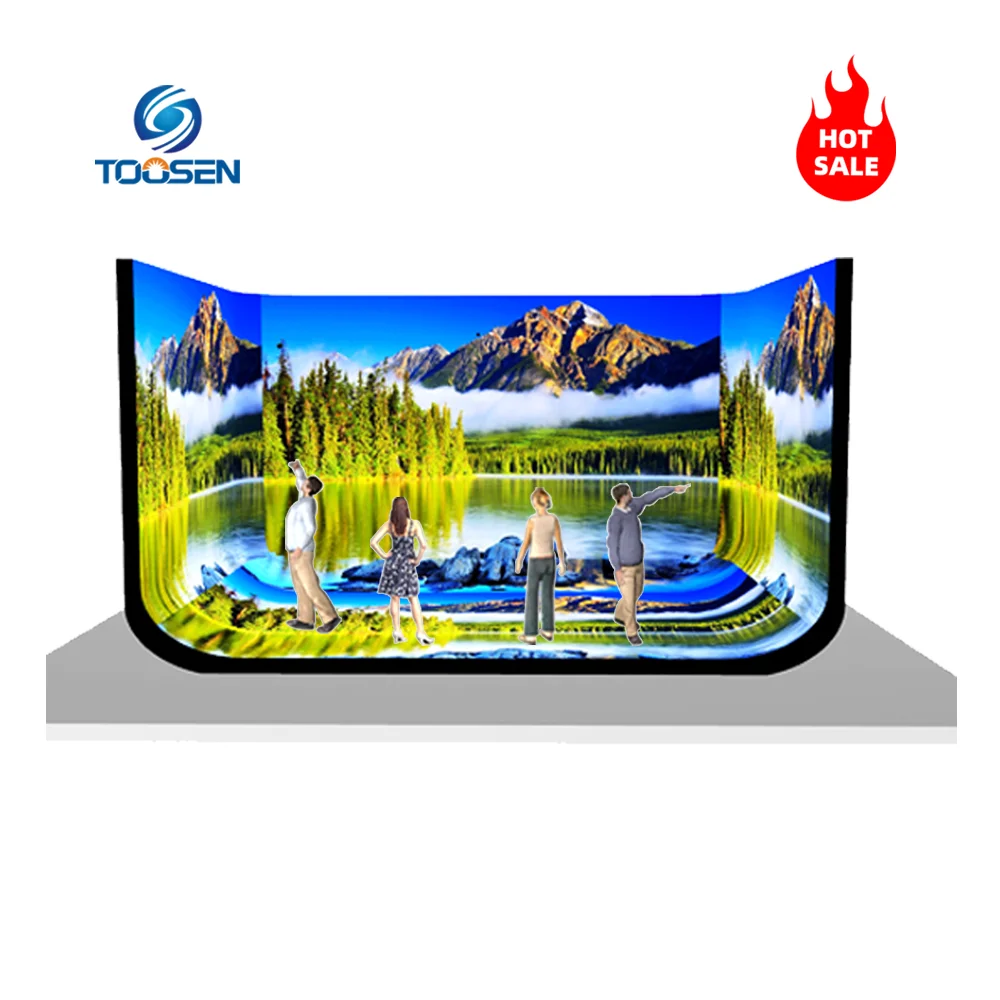
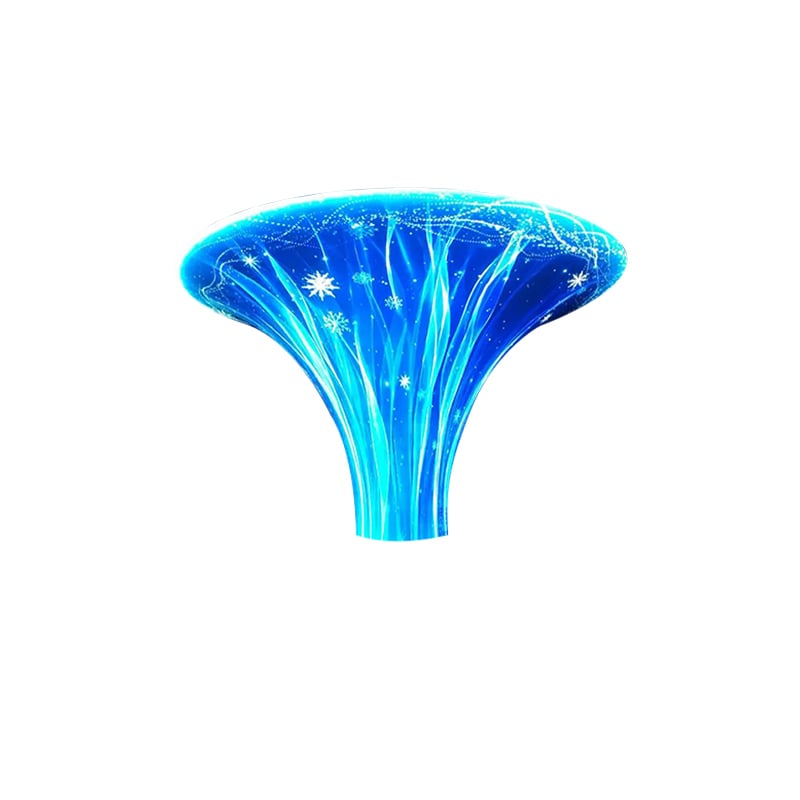
Egy LED-kijelző főként két alapvető részből áll: a LED modul szerkezet és a LED szekrény szerkezet .
A modul meghatározza a képmegjelenítés minőségét, míg a szekrény szerkezeti támaszt, energiaellátást, jelátvitelt és felszerelési funkciót biztosít.
Az LED modul az LED-képernyő legkisebb képmegjelenítő egysége, és közvetlenül befolyásolja a képminőséget, a fényerőt, a frissítési gyakoriságot és a színminőséget.
| Összetevő | LEÍRÁS |
|---|---|
| LED chippek (LED lámpák) | A fő fénykibocsátó elemek. A gyártók általában RGB három-in-egy LED-eket használnak SMD vagy DIP csomagolásban. |
| Nyomtatott áramkör | Többrétegű nyomtatott áramkör, amely hordozza az LED-eket és az elektronikus alkatrészeket, valamint átvitt energiát és jeleket. |
| Működtető IC | A kulcsfontosságú chip, amely szabályozza a fényerőt, a szürkeskálás teljesítményt és a frissítési gyakoriságot. Gyakori sorozatok például az ICN, az FM és az MBI vezérlők. |
| Maszkot | Egy fekete műanyag burkolat, amelyet az LED-ek előtt helyeznek el. Védje az LED-eket, javítja a kontrasztot, és csökkenti a fényvisszaverődést. |
| Alsó képzet | A modul hátsó szerkezeti háza. Általában pozícionáló tüskéket és mágneses rögzítési helyeket tartalmaz. |
| Magnetek | A modul biztonságos rögzítésére szolgál a szekrénykerethez, lehetővé téve a gyors elülső vagy hátsó karbantartást. |
| Tüskefejek és csatlakozók | Jel- és tápfeszültség-kapcsolatot biztosítanak a modulok között. |
| Ellenállások, kondenzátorok és MOS-tranzisztorok | Segéd-elektronikai alkatrészek, amelyek stabilizálják az áramot és védik az LED-ek élettartamát. |
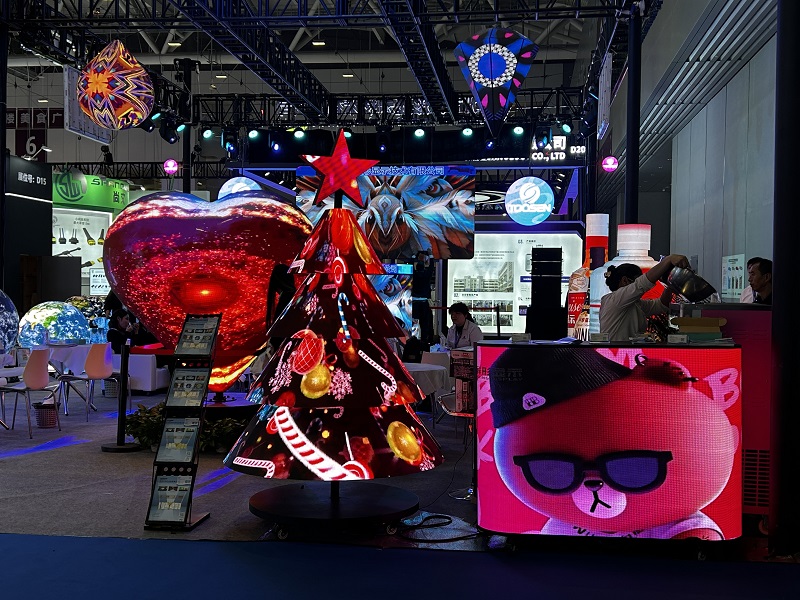
A szekrény az LED-képernyő teherhordó vázát képezi, és nagy kijelzőprojektek alapvető telepítési egységét jelenti.
| Összetevő | LEÍRÁS |
|---|---|
| Szekrénykeret | Általában öntött alumíniumból vagy alumíniumprofilokból készül. Könnyűsúlyú, erős szerkezetet nyújt, hatékony hőelvezetést biztosít, és szabványos rögzítési helyeket kínál. |
| Modul rögzítési terület | A modul méretei (pl. 320×160 mm) alapján pontosan kialakított mágneses vagy csavaros rögzítési helyek. |
| Tápegység | Ipari kapcsolóüzemű tápegységek, általában 5 V kimenettel, amelyek stabil tápfeszültséget biztosítanak az LED modulok számára. |
| Fogadókártya | Képadatokat fogad a küldőkártyától, és jelzéseket oszt el az egyes LED modulok között. |
| Hub lap / adapterlap | Kapcsolja össze a fogadókártyát az LED modulokkal, és kezeli a jel-elosztást. |
| Hátlap vagy karbantartó ajtó | Eltávolítható vagy kinyitható hátsó panel a hátsó oldali karbantartáshoz való hozzáférés biztosítására. |
| Kezdelek | Segíti a szakembereket a szekrények helyszíni szállításában és telepítésében. |
| Gyorszárral / kapcsolatzárral | Pontos zárómechanizmusok használata szekrények között a zavarmentes illesztés és a tökéletes képernyő síkság biztosítása érdekében. |
| Hőelvezetési szerkezet | Szellőzőnyílásokat, hőtechnikai megoldásokat és néha hőmérsékletvezérelt hűtőventilátorokat tartalmaz. |
| Vízálló gumitömítés | Különösen kültéri szekrényekhez tervezték az IP65-ös vagy annál magasabb védettségi fokozat eléréséhez. |
| Repülőipari Kapcsolók | Kültéri LED-kijelző szekrényekben gyakran használt vízálló tápegység- és jelkapcsolók. |
Egy teljes LED-kijelző rendszerben:
Több LED-modul egy szekrénybe épül be, és több szekrény összeillesztése alkotja a teljes LED-videofalat.
Egy nagy minőségű szekrény szerkezet számos előnnyel jár:
Nagy kereskedelmi, bérelt vagy kültéri LED-projektek esetén a szekrény pontossága közvetlenül befolyásolja a végső megjelenítési hatást.
A Toosen 12 év gyártási tapasztalattal rendelkező, egyedi LED-kijelző megoldások szakértője.
A Toosen nyújtja:
Professionális mérnöki támogatással és szigorú minőségellenőrzéssel a Toosen segít az ügyfeleknek megbízható, nagy teljesítményű LED kijelző projektek globális építésében.
 EN
EN
 AR
AR
 BG
BG HR
HR
 CS
CS
 DA
DA
 NL
NL
 FI
FI FR
FR
 DE
DE EL
EL
 HI
HI
 IT
IT JA
JA
 KO
KO
 NO
NO PL
PL PT
PT RO
RO
 RU
RU
 ES
ES
 SV
SV
 TL
TL
 ID
ID
 SR
SR
 UK
UK VI
VI
 ET
ET
 HU
HU
 TH
TH
 TR
TR
 FA
FA
 AF
AF
 MS
MS
 GA
GA
 HY
HY
 AZ
AZ
 MN
MN
 UZ
UZ