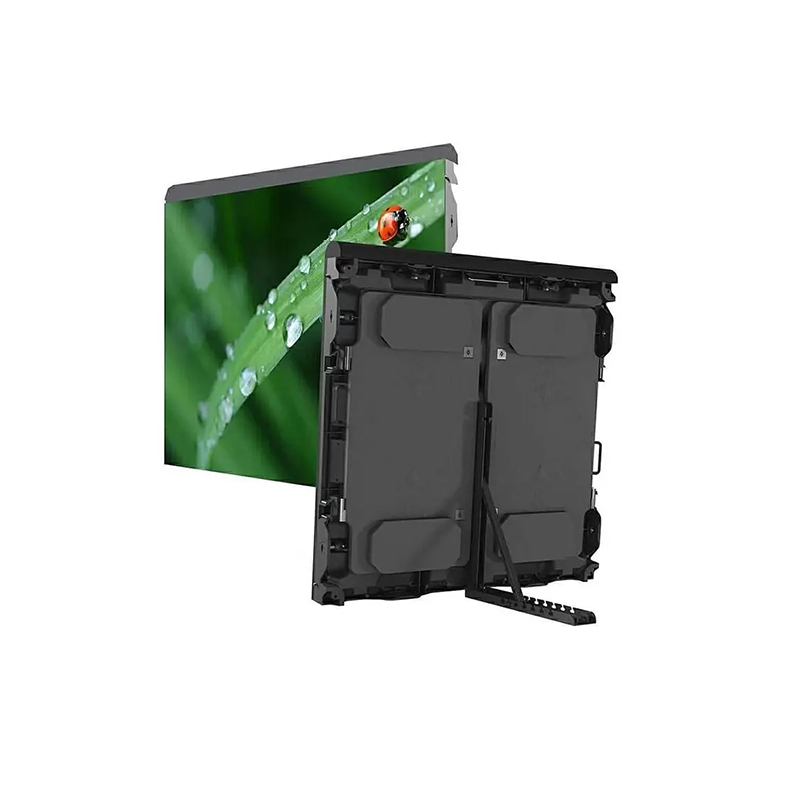
कई लोग मानते हैं कि उच्च-गुणवत्ता वाले चिप्स और घटक अतिरिक्त शीतलन के बिना भी ऊष्मा को संभाल सकते हैं। वास्तव में, बाहरी एलईडी डिस्प्ले अभी भी स्थिर प्रदर्शन और लंबे सेवा जीवन को सुनिश्चित करने के लिए समर्पित ऊष्मा अपवहन प्रणालियों की आवश्यकता होती है।
यहां तक कि सर्वश्रेष्ठ हार्डवेयर भी अत्यधिक ऊष्मा संचय की भरपाई नहीं कर सकता है। यह समझने के लिए कि शीतलन क्यों आवश्यक है, आपको यह देखना होगा कि ऊष्मा कैसे उत्पन्न होती है, कैसे संचित होती है, और यह प्रणाली की विश्वसनीयता को कैसे प्रभावित करती है।
LED विद्युत ऊर्जा को पूर्णतः प्रकाश में नहीं बदलते हैं। वास्तव में, केवल लगभग 20% से 30% दृश्य प्रकाश में परिवर्तित होती है, जबकि शेष 70% से 80% ऊष्मा में परिवर्तित हो जाती है।
बाहरी LED डिस्प्ले आमतौर पर बहुत उच्च चमक स्तर पर काम करते हैं ताकि वे प्रत्यक्ष सूर्यप्रकाश के तहत भी दृश्यमान रहें। इस परिणामस्वरूप, वे अधिक शक्ति का उपयोग करते हैं और कैबिनेट के भीतर एक बड़ी मात्रा में सघन ऊष्मा उत्पन्न करते हैं।
उचित शीतलन के बिना, यह ऊष्मा तेज़ी से संचित हो जाती है और आंतरिक तापमान में वृद्धि कर देती है।
आंतरिक ऊष्मा उत्पादन के अतिरिक्त, बाहरी LED स्क्रीन अपने आसपास के वातावरण से ऊष्मा का अवशोषण करती हैं।
प्रत्यक्ष सूर्यप्रकाश लगातार कैबिनेट की सतह को गर्म करता है, विशेष रूप से जब निर्माता धातु के आवरण का उपयोग करते हैं। ग्रीष्म ऋतु के दौरान, कोई शीतलन प्रणाली न होने पर आंतरिक तापमान आसानी से 60°C से 70°C के ऊपर पहुँच सकता है।
आंतरिक और बाह्य ऊष्मा का यह संयोजन एक उच्च तापीय भार उत्पन्न करता है, जिसे केवल निष्क्रिय डिज़ाइन द्वारा संभाला नहीं जा सकता।
यहाँ तक कि यदि इलेक्ट्रॉनिक घटकों को उच्च तापमान के लिए रेट किया गया हो, तो भी अत्यधिक ऊष्मा प्रदर्शन को कम करती है और विफलता की दर को तेज़ करती है।
ये समस्याएँ न केवल प्रदर्शन गुणवत्ता को कम करती हैं, बल्कि पूरे प्रणाली के जीवनकाल को भी घटाती हैं।
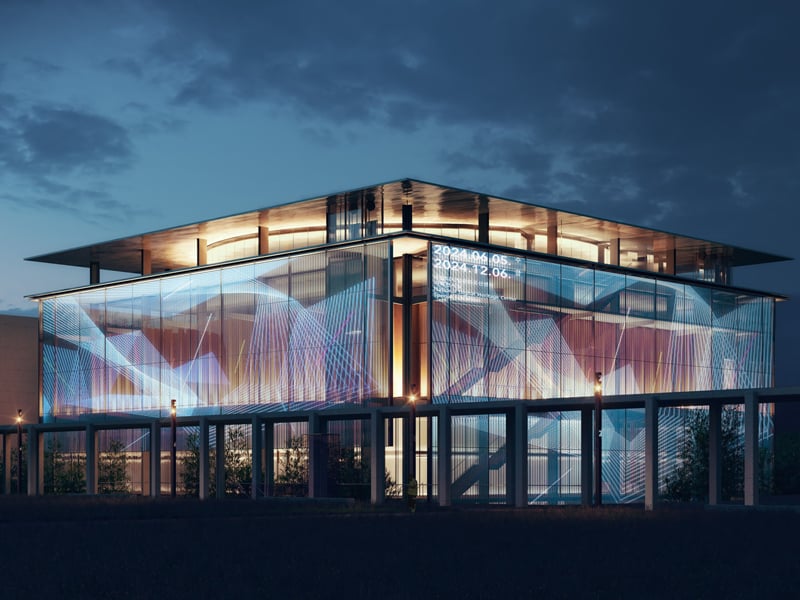
बाहरी एलईडी कैबिनेट आमतौर पर पानी और धूल के प्रतिरोध के लिए उच्च आईपी रेटिंग के साथ डिज़ाइन किए जाते हैं। यह सीलिंग आंतरिक घटकों की रक्षा करती है, लेकिन यह साथ ही प्राकृतिक वायु प्रवाह को भी सीमित कर देती है।
बिना बाध्य वेंटिलेशन के, ऊष्मा कुशलतापूर्ण ढंग से बाहर नहीं निकल पाती है। इसके बजाय, यह एन्क्लोज़र के अंदर एकत्र हो जाती है और एक 'ग्रीनहाउस प्रभाव' पैदा करती है, जिसमें आंतरिक तापमान लगातार बढ़ता रहता है।
इसलिए सक्रिय शीतलन समाधान अनिवार्य हैं, वैकल्पिक नहीं।
सुरक्षित संचालन तापमान बनाए रखने के लिए, बाहरी LED डिस्प्ले कई शीतलन विधियों पर निर्भर करते हैं:
प्रत्येक विधि प्रणाली के भीतर तापीय संतुलन बनाए रखने में एक भूमिका निभाती है।
उच्च-गुणवत्ता वाले घटक अकेले बाहरी LED डिस्प्ले में ऊष्मा से संबंधित विफलताओं को रोकने में सक्षम नहीं होते हैं। ऊर्जा रूपांतरण, पर्यावरणीय उजागरता और सील कैबिनेट डिज़ाइन के कारण ऊष्मा संचय अपरिहार्य है।
उचित शीतलन के बिना, अत्यधिक तापमान के कारण रंग परिवर्तन, चमक में कमी, कम दक्षता और घटकों की पूर्व-कालिक विफलता होगी।
इसलिए, शीतलन प्रणालियाँ वैकल्पिक नहीं हैं—वे अनिवार्य हैं। आंतरिक वातावरण को सुरक्षित तापमान सीमा के भीतर बनाए रखकर, आप अपने एलईडी डिस्प्ले के स्थिर संचालन, सुसंगत प्रदर्शन गुणवत्ता और काफी लंबे जीवनकाल को सुनिश्चित कर सकते हैं।
 EN
EN
 AR
AR
 BG
BG HR
HR
 CS
CS
 DA
DA
 NL
NL
 FI
FI FR
FR
 DE
DE EL
EL
 HI
HI
 IT
IT JA
JA
 KO
KO
 NO
NO PL
PL PT
PT RO
RO
 RU
RU
 ES
ES
 SV
SV
 TL
TL
 ID
ID
 SR
SR
 UK
UK VI
VI
 ET
ET
 HU
HU
 TH
TH
 TR
TR
 FA
FA
 AF
AF
 MS
MS
 GA
GA
 HY
HY
 AZ
AZ
 MN
MN
 UZ
UZ