एक पूर्ण एलईडी डिस्प्ले प्रणाली को चलाने के लिए, आपको केवल स्क्रीन ही नहीं, बल्कि कई अन्य घटकों की भी आवश्यकता होती है। एक पूर्णतः कार्यात्मक सेटअप में वीडियो इनपुट, सिग्नल प्रोसेसिंग, बिजली वितरण और अंतिम डिस्प्ले आउटपुट को संभालने वाले कई आपस में जुड़े हुए घटक शामिल होते हैं।
अधिकांश मामलों में, एक मानक LED प्रदर्शन प्रणाली में उपकरणों के पाँच मुख्य वर्ग शामिल होते हैं। प्रत्येक का एक विशिष्ट भूमिका होती है जो स्थिर और उच्च-गुणवत्ता वाले प्रदर्शन को सुनिश्चित करने में सहायता करती है।
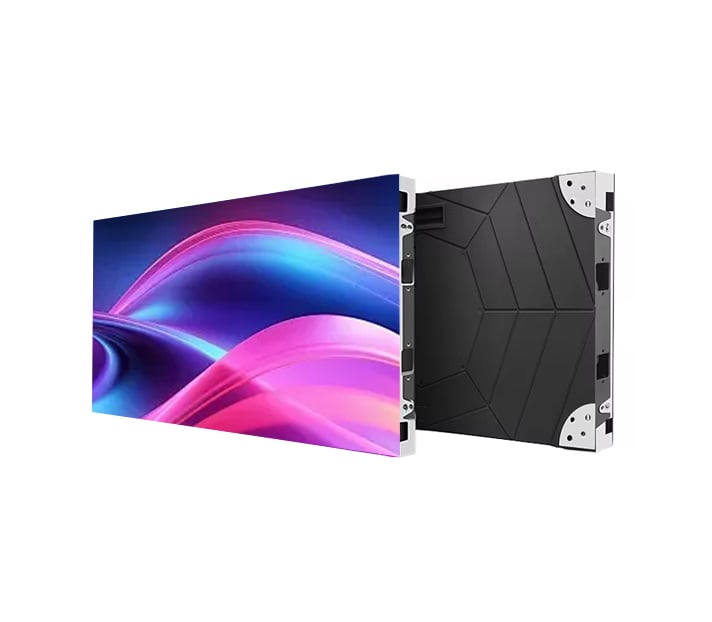
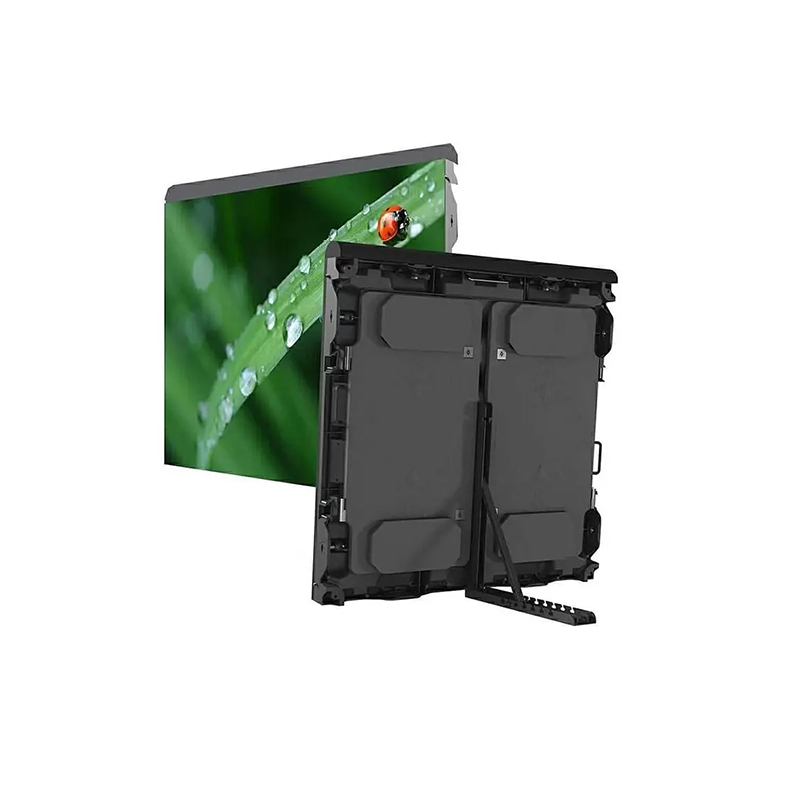
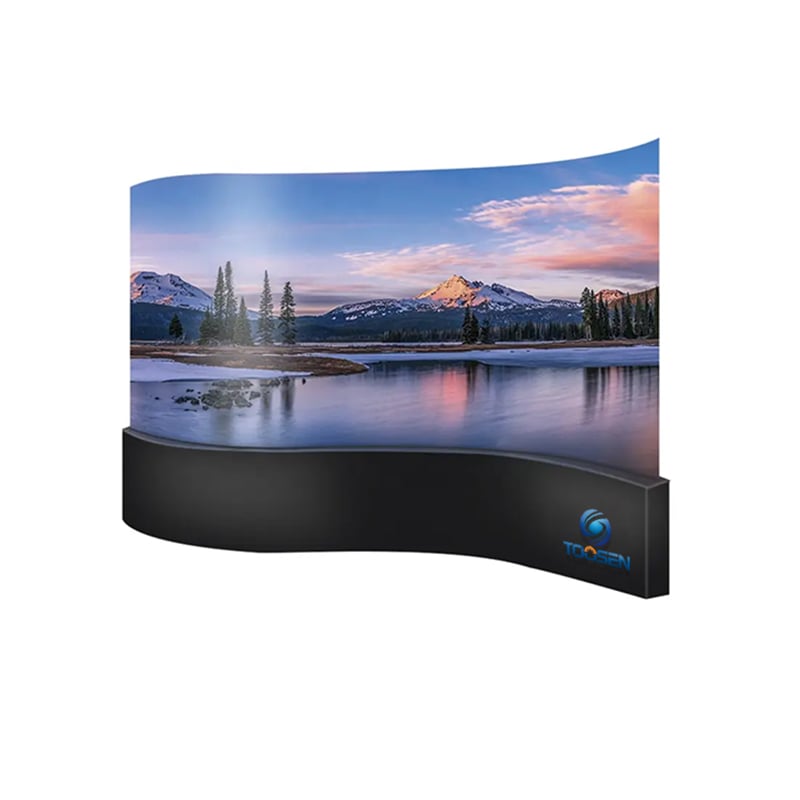
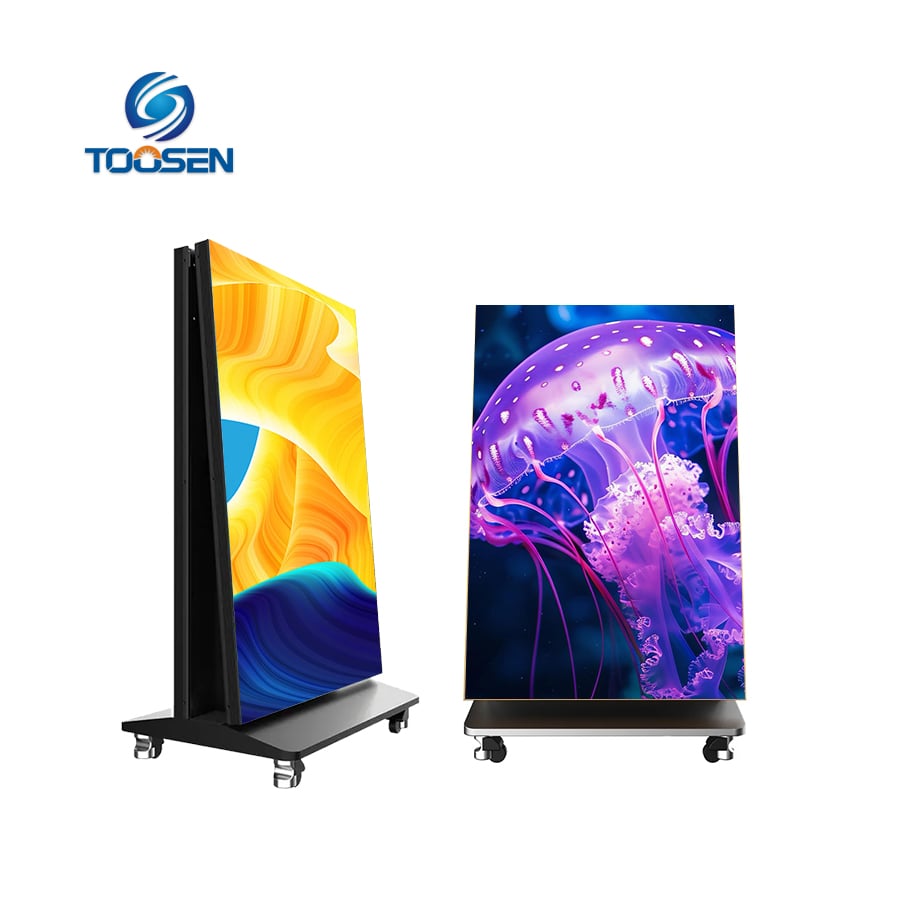
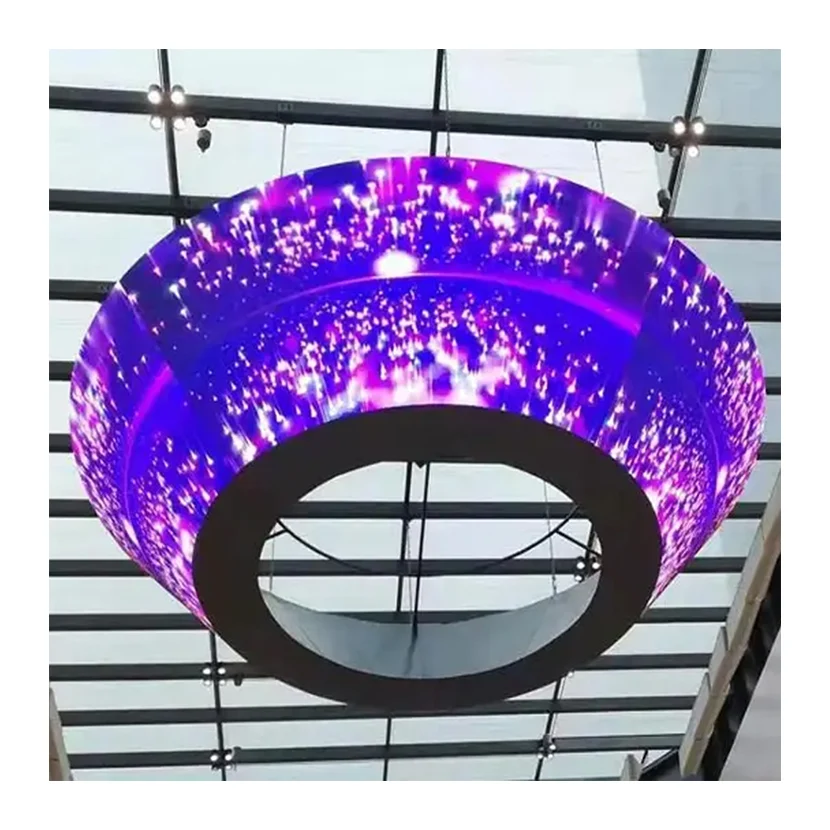
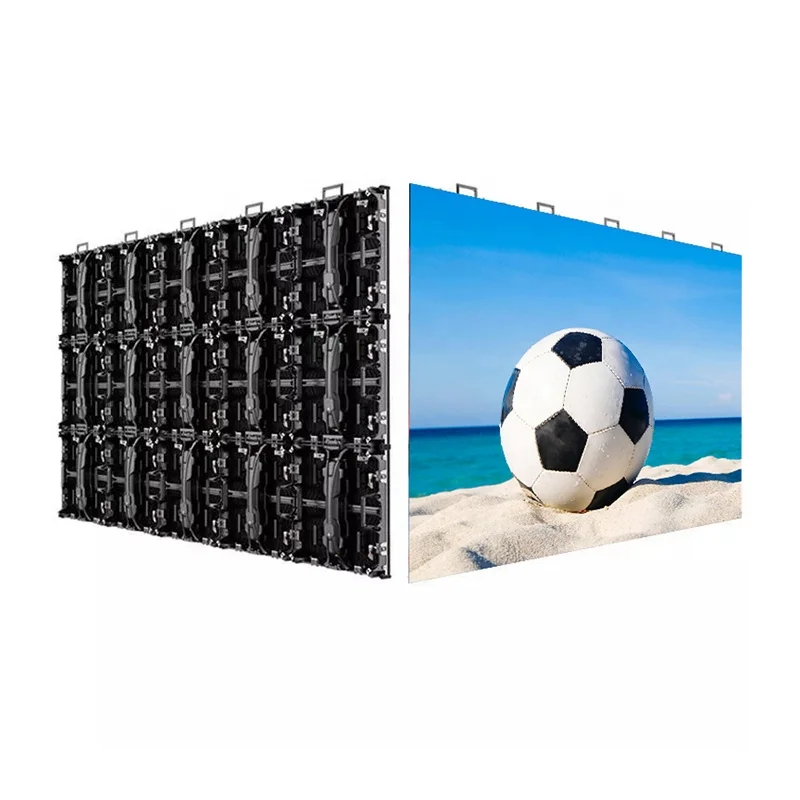
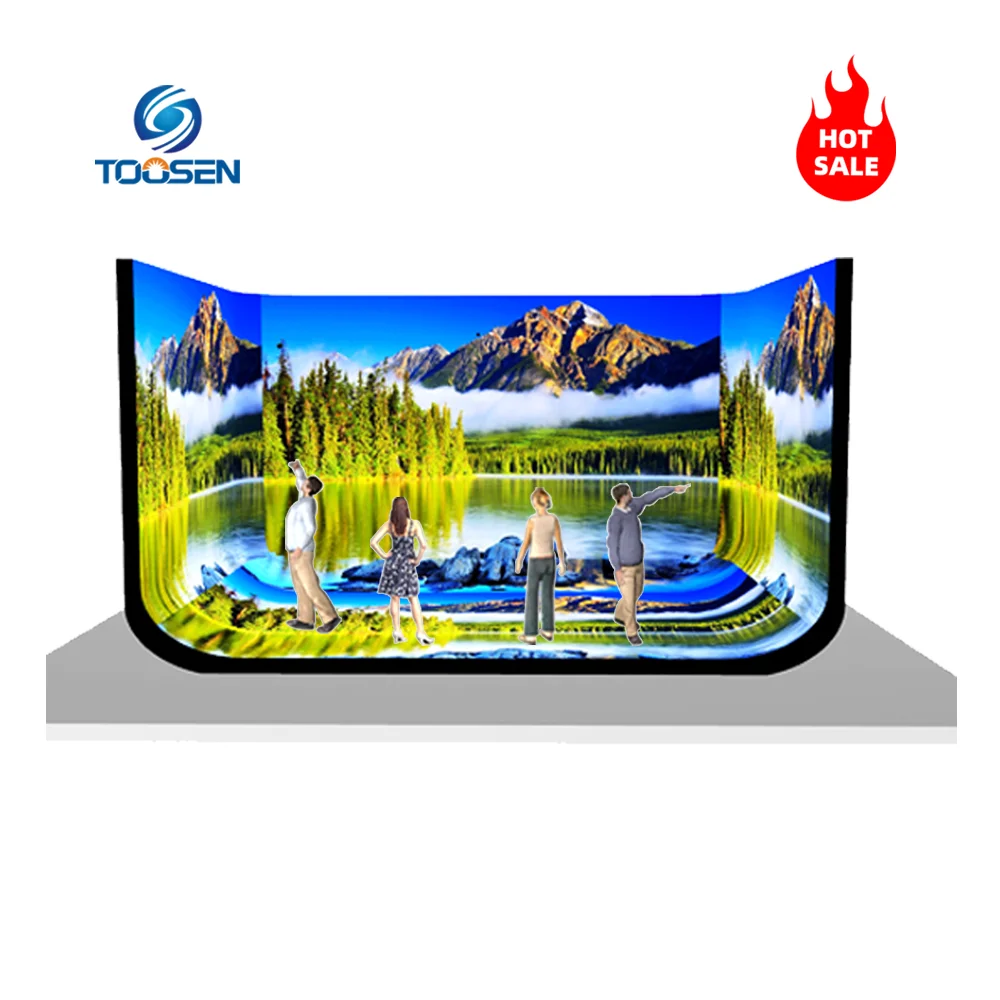
LED प्रदर्शन स्क्रीन प्रणाली का सबसे दृश्यमान भाग है। यह कई LED मॉड्यूलों से बनी होती है, जिन्हें कैबिनेट्स में असेंबल किया जाता है या एक संरचनात्मक फ्रेम पर माउंट किया जाता है।
प्रत्येक मॉड्यूल में LED बीड्स होते हैं, जो चमक और रंग को नियंत्रित करके छवियाँ उत्पन्न करते हैं। जब इन्हें संयुक्त किया जाता है, तो ये मॉड्यूल एक बिना किसी विच्छेद के सतत प्रदर्शन सतह बनाते हैं, जो वीडियो, ग्राफ़िक्स और पाठ सामग्री को प्रदर्शित करने में सक्षम होती है।
नियंत्रण प्रणाली प्रणाली का “मस्तिष्क” के रूप में कार्य करती है। एलईडी स्क्रीन यह सुनिश्चित करती है कि वीडियो सिग्नल सही ढंग से संचारित किए जाएँ और सटीक रूप से प्रदर्शित किए जाएँ।
इन घटकों के साथ मिलकर पूरे स्क्रीन पर समकालिक और सटीक छवि रेंडरिंग की गारंटी दी जाती है।
सामग्री LED स्क्रीन तक पहुँचने से पहले, प्रणाली को सिग्नल की प्रक्रिया करनी और इसे अनुकूलित करना आवश्यक है।
यह चरण सुनिश्चित करता है कि सामग्री विकृति या असंगति के बिना स्क्रीन पर पूर्णतः फिट हो जाए।
LED डिस्प्ले काफी अधिक बिजली की खपत करते हैं, इसलिए एक समर्पित विद्युत प्रणाली आवश्यक है।
एक विश्वसनीय बिजली प्रणाली केवल उपकरणों की सुरक्षा ही नहीं करती, बल्कि सुसंगत चमक और प्रदर्शन को भी सुनिश्चित करती है।
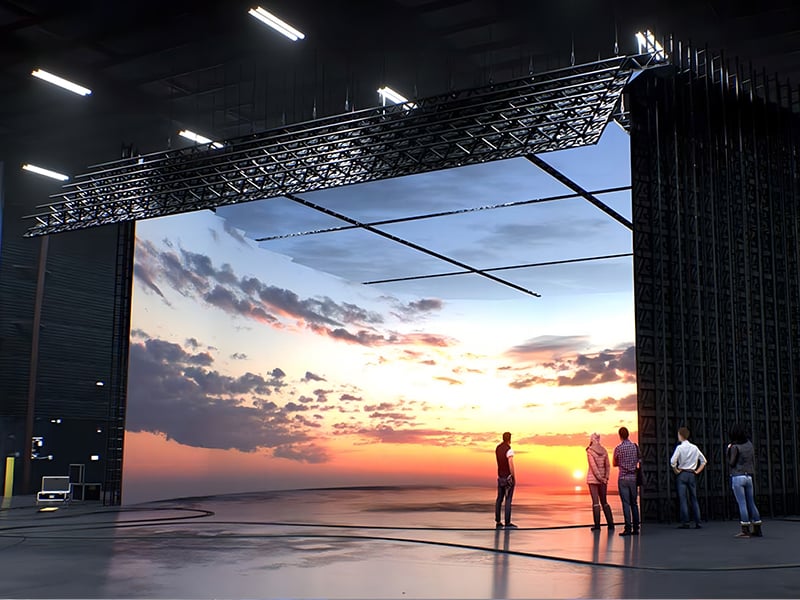
केबलिंग सभी प्रणाली घटकों को जोड़ती है और बिजली आपूर्ति के साथ-साथ डेटा संचरण दोनों को सक्षम करती है।
सिग्नल स्थिरता और प्रणाली की विश्वसनीयता के लिए उचित केबल चयन और प्रबंधन महत्वपूर्ण है।
एक विशिष्ट एलईडी डिस्प्ले प्रणाली एक स्पष्ट सिग्नल पथ का अनुसरण करती है:
कंप्यूटर (कंटेंट स्रोत) → वीडियो प्रोसेसर (सिग्नल प्रोसेसिंग) → सेंडिंग बॉक्स (सिग्नल रूपांतरण) → नेटवर्क केबल (संचरण) → एलईडी डिस्प्ले (आउटपुट)
छोटी या सरल स्थापनाओं के लिए, निर्माता अक्सर वीडियो प्रोसेसर और सेंडिंग बॉक्स को एकल इकाई में संयोजित कर देते हैं ताकि जटिलता और लागत दोनों को कम किया जा सके।
एक एलईडी डिस्प्ले प्रणाली एक एकल उपकरण नहीं, बल्कि हार्डवेयर घटकों का एक समन्वित नेटवर्क है। सिग्नल इनपुट से लेकर अंतिम डिस्प्ले तक प्रत्येक घटक उच्च-गुणवत्ता वाले दृश्यों की प्रस्तुति में महत्वपूर्ण भूमिका निभाता है।
यदि आप प्रणाली को सही ढंग से डिज़ाइन करते हैं और विश्वसनीय घटकों का चयन करते हैं, तो आप स्थिर प्रदर्शन, लचीला कंटेंट नियंत्रण और दीर्घकालिक संचालन दक्षता प्राप्त कर सकते हैं।
 EN
EN
 AR
AR
 BG
BG HR
HR
 CS
CS
 DA
DA
 NL
NL
 FI
FI FR
FR
 DE
DE EL
EL
 HI
HI
 IT
IT JA
JA
 KO
KO
 NO
NO PL
PL PT
PT RO
RO
 RU
RU
 ES
ES
 SV
SV
 TL
TL
 ID
ID
 SR
SR
 UK
UK VI
VI
 ET
ET
 HU
HU
 TH
TH
 TR
TR
 FA
FA
 AF
AF
 MS
MS
 GA
GA
 HY
HY
 AZ
AZ
 MN
MN
 UZ
UZ