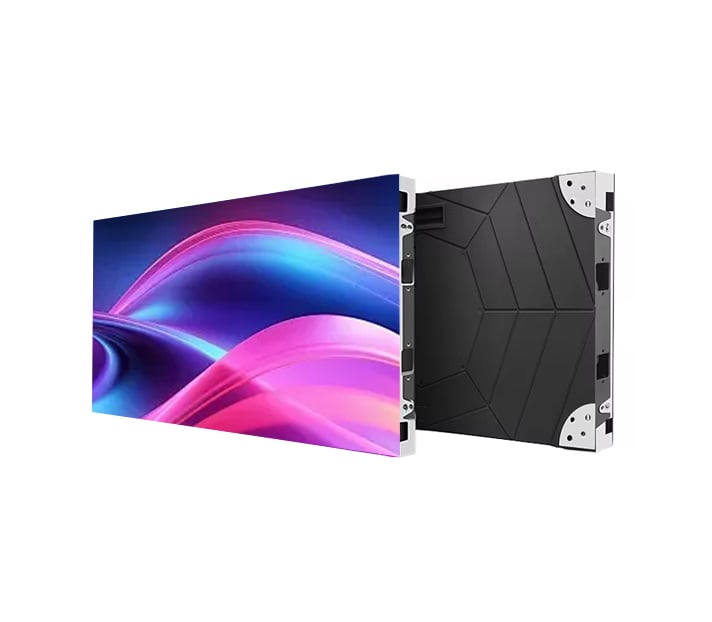
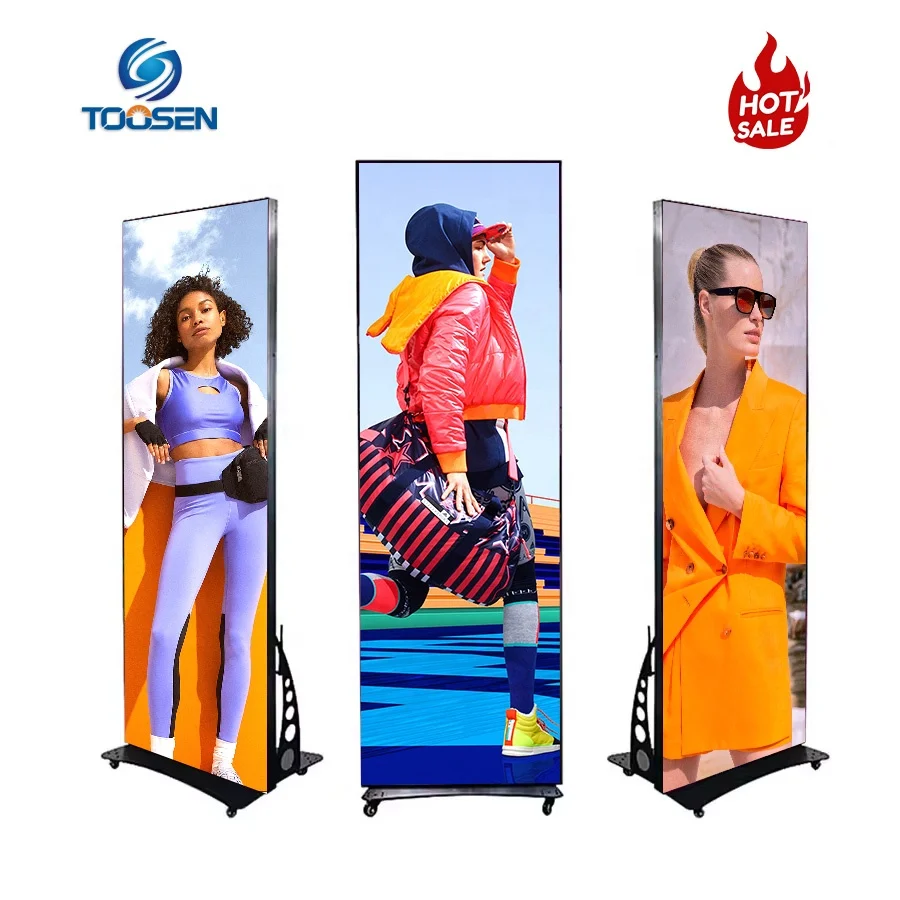
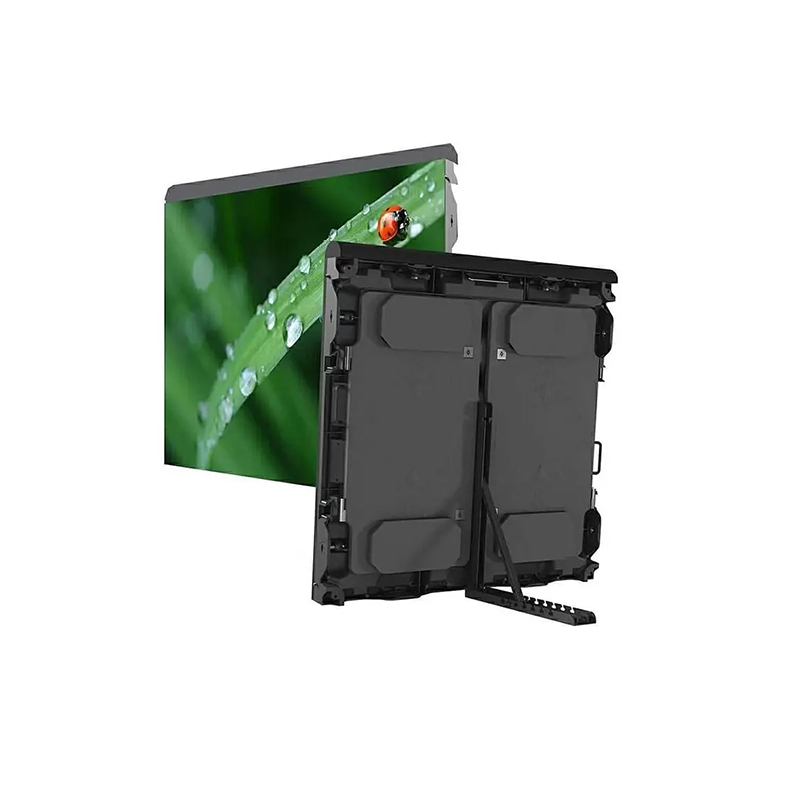
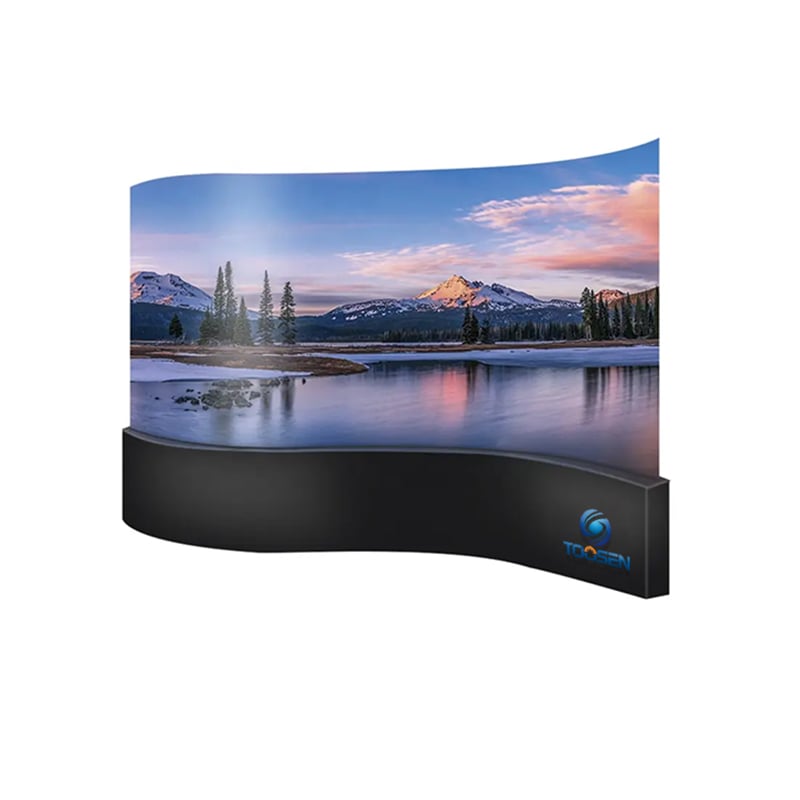
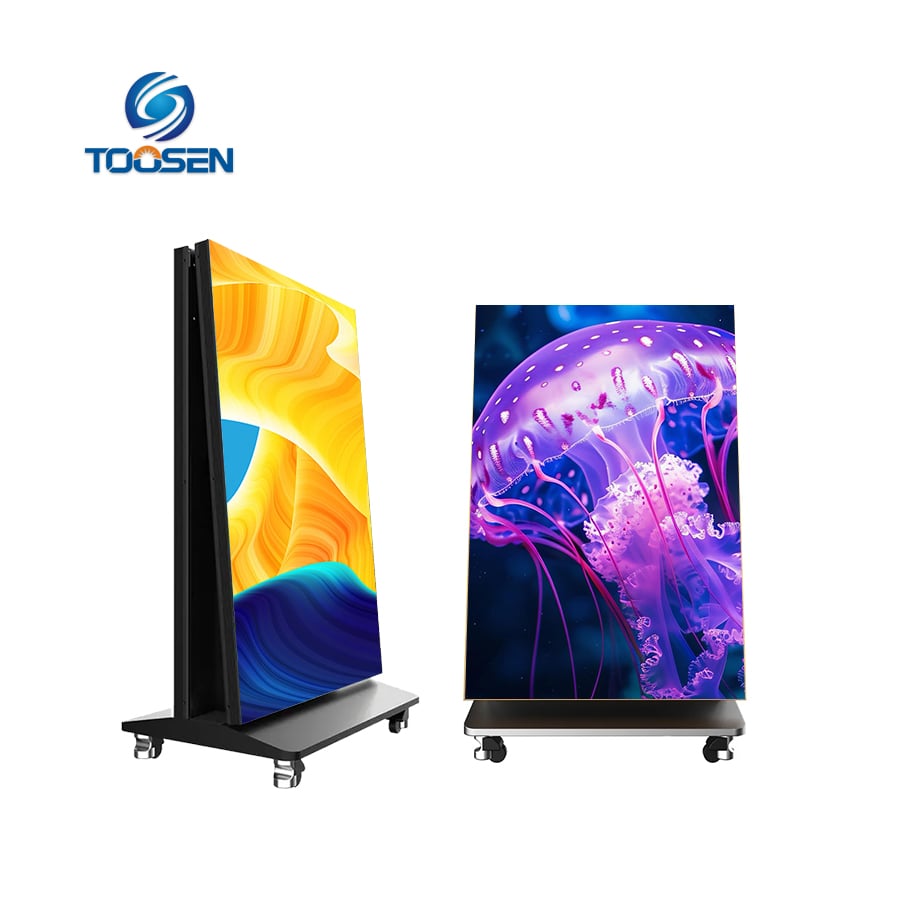
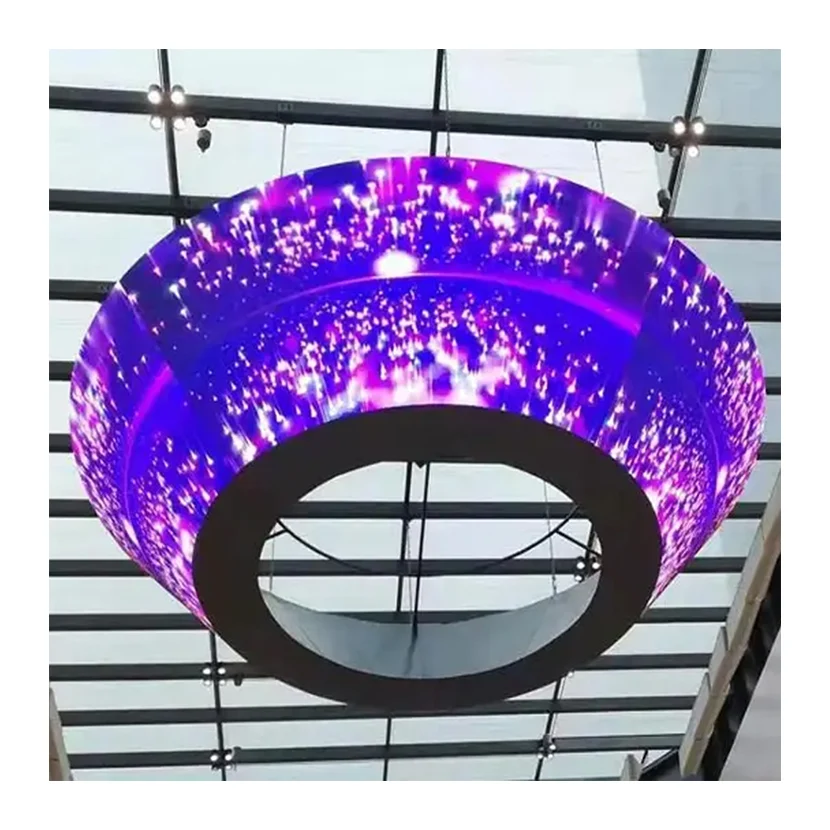
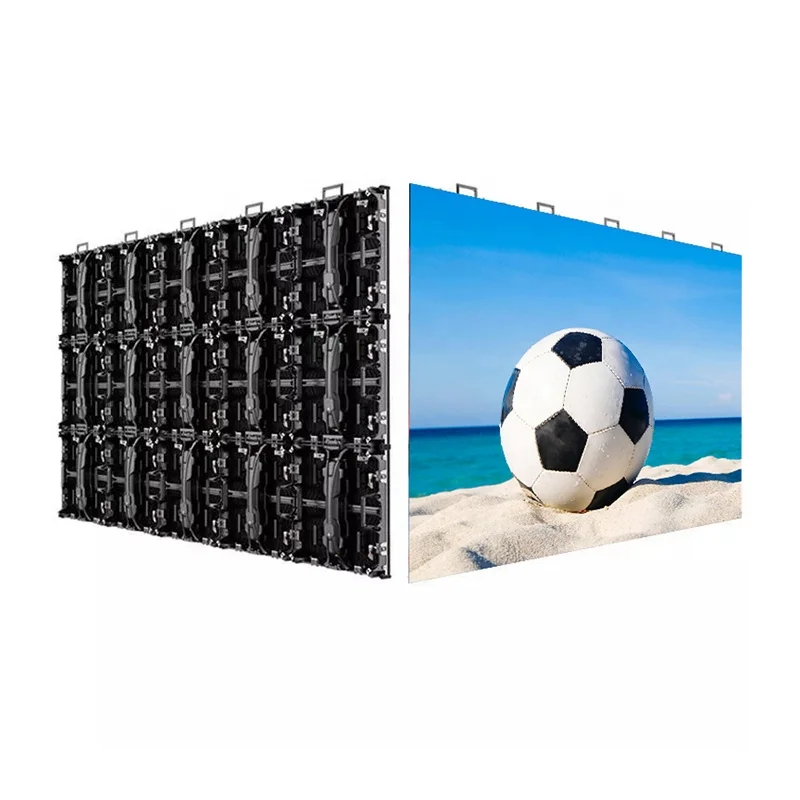
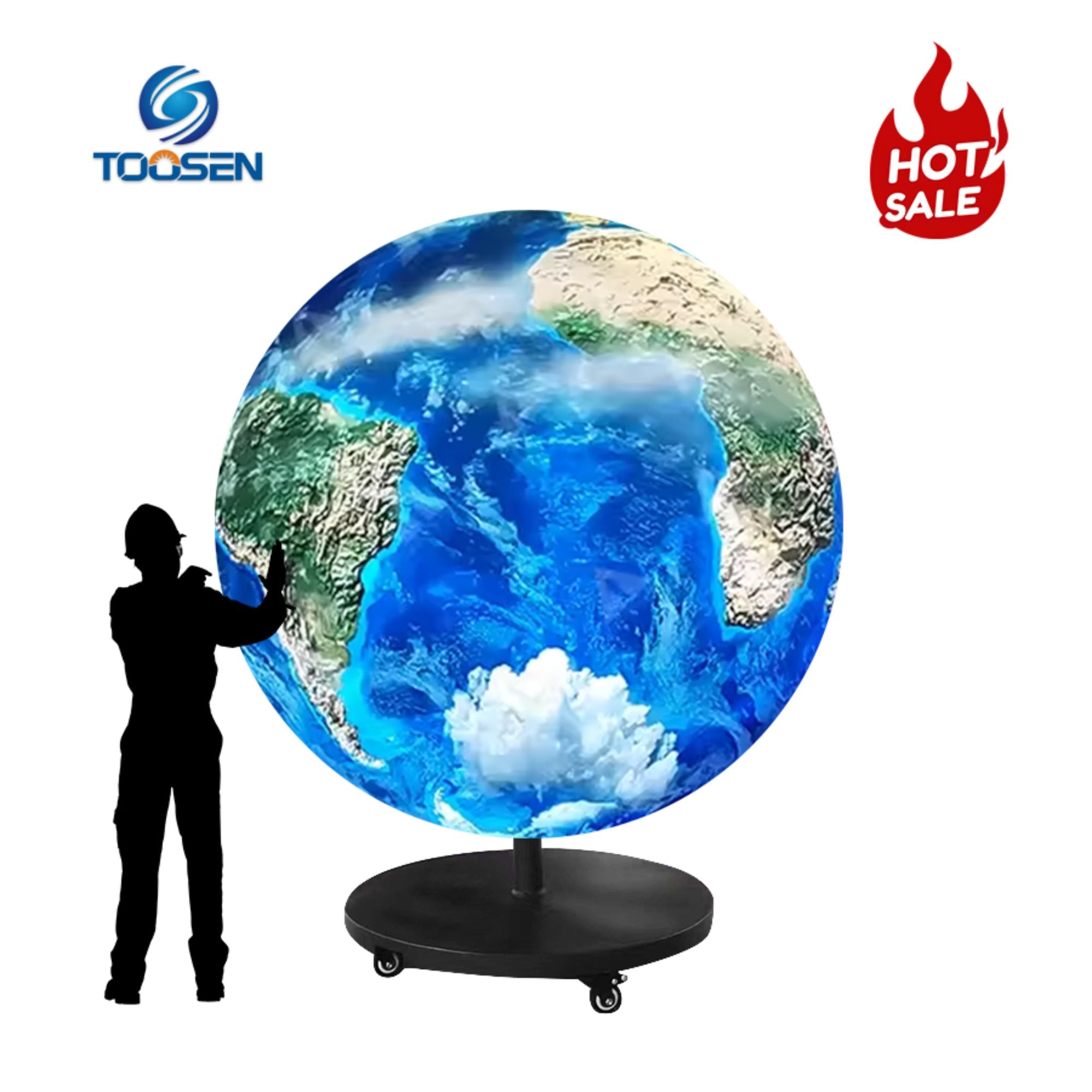
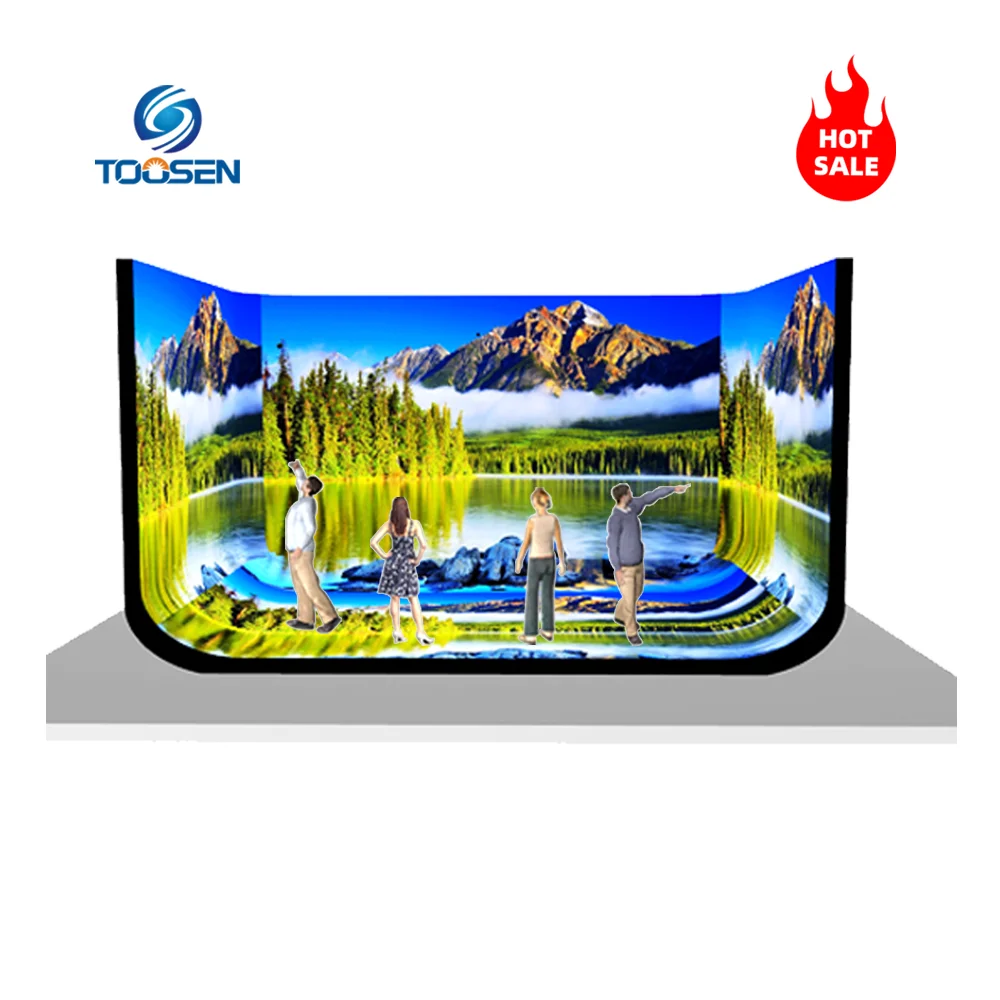
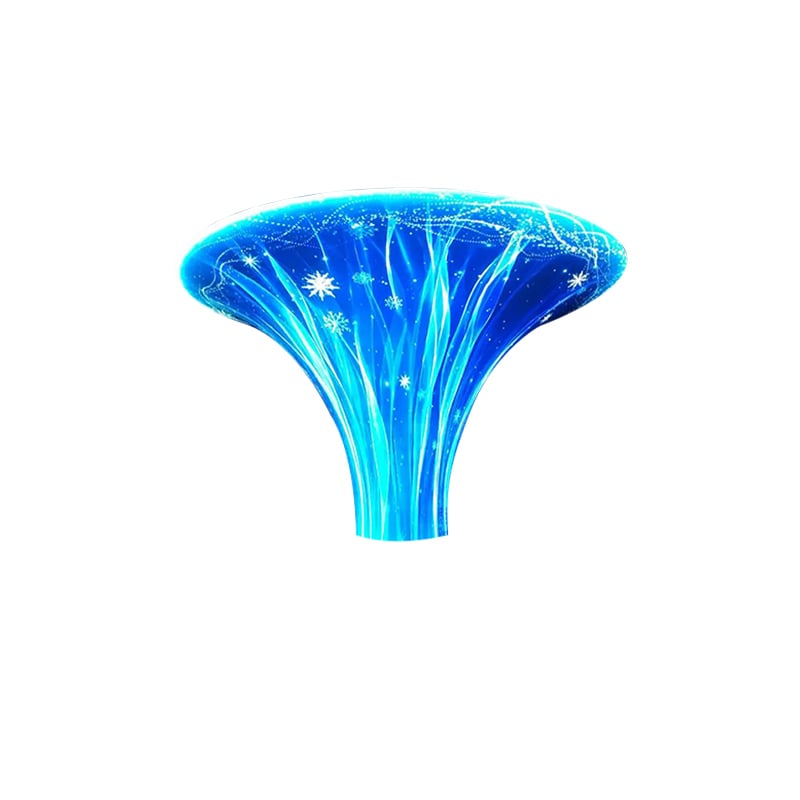
आईपी66 रेटेड क्रिएटिव एलईडी डिस्प्ले को केवल मूल जलरोधी सुरक्षा से कहीं अधिक प्रदान करनी चाहिए। क्योंकि रचनात्मक एलईडी स्क्रीन्स अक्सर वक्र, गोलाकार, बेलनाकार या अनियमित संरचनाओं का उपयोग करती हैं, इसलिए निर्माताओं को सीलिंग, ऊष्मा अपवहन, केबल रूटिंग और दीर्घकालिक बाह्य टिकाऊपन से संबंधित अतिरिक्त चुनौतियों का समाधान करना आवश्यक है।
वास्तविक आईपी66 सुरक्षा प्राप्त करने के लिए, डिस्प्ले को निम्नलिखित के सामने स्थिर रहना चाहिए:
इसके साथ ही, यह स्थिर डिस्प्ले प्रदर्शन, संरचनात्मक विश्वसनीयता और दीर्घकालिक रंग स्थिरता बनाए रखनी चाहिए।
नीचे आईपी66 रेटेड रचनात्मक एलईडी डिस्प्ले में शामिल होने वाले प्रमुख कार्यों और संरचनात्मक आवश्यकताएँ दी गई हैं।
एक पूर्णतः सील किया गया आवरण आईपी66 सुरक्षा की आधारशिला बनाता है।
निर्माता आमतौर पर एकीकृत डाई-कास्ट एल्युमीनियम या मैग्नीशियम मिश्र धातु कैबिनेट का उपयोग करते हैं क्योंकि ये सामग्री निम्नलिखित लाभ प्रदान करती हैं:
रचनात्मक एलईडी डिस्प्ले के लिए, विशेष रूप से वक्र या अनियमित संरचनाओं के लिए, निर्माता आमतौर पर कैबिनेट मॉड्यूल के लिए कस्टम ढाल (मोल्ड) विकसित करते हैं।
इस दृष्टिकोण से द्वितीयक कटिंग या संशोधन से बचा जाता है, जो जलरोधी सीलिंग सतह को क्षतिग्रस्त कर सकता है।
इंजीनियर सभी महत्वपूर्ण संपर्क बिंदुओं पर, जिनमें शामिल हैं:
अधिकांश प्रणालियाँ EPDM या सिलिकॉन रबर के गैस्केट का उपयोग करती हैं क्योंकि ये सामग्रियाँ निम्नलिखित गुण प्रदान करती हैं:
सीलिंग दबाव को समय के साथ बनाए रखने के लिए, निर्माता गैस्केट संपीड़न अनुपात को सावधानीपूर्वक डिज़ाइन करते हैं, जो आमतौर पर 15% से 30% के बीच होता है।
रचनात्मक LED डिस्प्ले अक्सर गैर-मानक कनेक्शन कोणों का उपयोग करते हैं, जिससे समतल LED स्क्रीनों की तुलना में वॉटरप्रूफ सीलिंग कठिन हो जाती है।
इसलिए, निर्माता निम्नलिखित का उपयोग करते हैं:
जब कैबिनेट एक-दूसरे से लॉक होते हैं, तो प्रणाली एक साथ सीलिंग गैस्केट्स को संपीड़ित करती है ताकि तापीय प्रसार या संकुचन के कारण जल प्रवेश को रोका जा सके।
विद्युत कनेक्शन बाहरी LED डिस्प्ले में सबसे अधिक सुभेद्य क्षेत्रों में से एक बने रहते हैं।
IP66 आवश्यकताओं को पूरा करने के लिए, प्रत्येक बिजली और सिग्नल कनेक्शन में पेशेवर स्तर की जलरोधी सुरक्षा शामिल होनी चाहिए।
सभी केबल्स को IP67 या IP68 रेटेड जलरोधी कनेक्टर्स का उपयोग करना चाहिए, जैसे कि औद्योगिक M-श्रृंखला एविएशन कनेक्टर्स।
ये कनेक्टर्स निम्नलिखित सुविधाएँ प्रदान करते हैं:
यह डिज़ाइन लंबे समय तक बाहरी संचालन के दौरान अनजाने में डिस्कनेक्शन को रोकती है।
रचनात्मक LED डिस्प्ले आमतौर पर जटिल बाहरी आकृतियों की विशेषता रखते हैं, इसलिए उजागर वायरिंग न केवल दिखावट को प्रभावित करती है, बल्कि जलरोधी जोखिम को भी बढ़ा देती है।
निर्माता इसलिए सभी केबलों को निम्नलिखित मार्गों के माध्यम से प्रवाहित करते हैं:
केबल निकास बिंदुओं पर, इंजीनियर खुले स्थानों को सुरक्षित रूप से सील करने के लिए जलरोधी केबल ग्लैंड्स स्थापित करते हैं।
उच्च-स्तरीय IP66 प्रणालियाँ अक्सर कनेक्टर्स के लिए द्वैध सीलिंग सुरक्षा का उपयोग करती हैं।
जब कनेक्टर स्थान पर लॉक हो जाता है, तो दोनों:
जल प्रवेश को रोकने के लिए साथ में काम करें।
यह दोहरी सुरक्षा संरचना कठोर बाहरी वातावरण में दीर्घकालिक विश्वसनीयता को काफी बढ़ाती है।
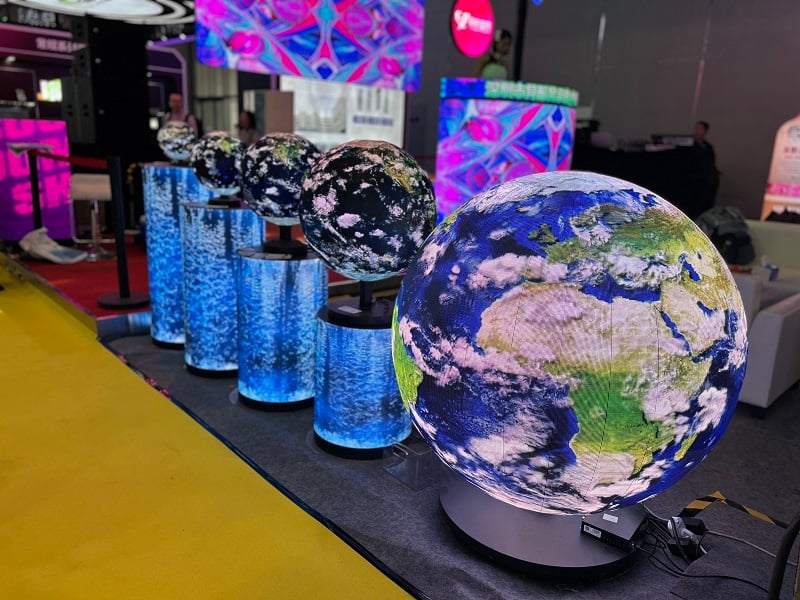
कैबिनेट सुरक्षा के अतिरिक्त, LED मॉड्यूल स्वयं को भी जलरोधी और धूलरोधी प्रदर्शन प्रदान करना आवश्यक है।
निर्माता आमतौर पर उपयोग करते हैं:
ये विधियाँ संवेदनशील इलेक्ट्रॉनिक घटकों की सुरक्षा करती हैं, जिनमें शामिल हैं:
तकनीशियन अक्सर बोर्ड-स्तरीय जलरोधी सुरक्षा बनाने के लिए पॉलीयूरेथेन (PU) गोंद या एपॉक्सी राल के एन्कैप्सुलेशन का उपयोग करते हैं।
इस परिणामस्वरूप, मॉड्यूल निम्नलिखित के प्रति काफी मजबूत प्रतिरोध क्षमता प्राप्त करते हैं:
पूर्णतः सील कैबिनेट एक अन्य चुनौती पैदा करते हैं: आंतरिक संघनन।
दिन और रात के बीच तापमान में अंतर कैबिनेट के अंदर नमी के जमा होने का कारण बन सकता है।
इस समस्या को हल करने के लिए, निर्माता ePTFE जलरोधी श्वासन वाल्व स्थापित करते हैं।
ये वाल्व निम्नलिखित कार्य कर सकते हैं:
यह कार्य आर्द्र बाहरी वातावरण में लंबे समय तक विश्वसनीयता में काफी सुधार करता है।
बाहरी IP66 डिस्प्ले को पूरी तरह सील किए गए डिज़ाइन में भी कुशल शीतलन की आवश्यकता होती है।
चूँकि उजागर किए गए शीतलन फैन जल और धूल के प्रवेश के सीधे मार्ग बनाते हैं, अधिकांश IP66 क्रिएटिव LED डिस्प्ले सक्रिय बाहरी फैन प्रणालियों से बचते हैं।
इसके बजाय, निर्माता निम्नलिखित निष्क्रिय शीतलन प्रौद्योगिकियों पर निर्भर करते हैं:
यह दृष्टिकोण जलरोधी अखंडता को बनाए रखते हुए ऊष्मीय प्रदर्शन को भी बनाए रखता है।
गोले, बेलन और वक्र स्क्रीन जैसे रचनात्मक LED प्रदर्शन असमान ऊष्मा वितरण उत्पन्न करते हैं।
इसलिए, इंजीनियर अनुकूलित वायु प्रवाह और ऊष्मा अपवहन पथों के डिज़ाइन के लिए ऊष्मीय सिमुलेशन विश्लेषण करते हैं।
ये अनुकूलित ऊष्मीय संरचनाएँ स्थानीय गर्म क्षेत्रों को दूर करने में सहायता करती हैं, जो निम्नलिखित को प्रभावित कर सकते हैं:
एक IP66 रचनात्मक LED प्रदर्शन को वर्षा, सूर्यप्रकाश, आर्द्रता और तापमान परिवर्तन के तहत लंबे समय तक बाहरी जलवायु के संपर्क में रहने के लिए टिकाऊ होना चाहिए।
निर्माता आमतौर पर बाहरी उपयोग के लिए उपयुक्त सतह उपचार, जैसे:
तटीय या उच्च-लवण वातावरण में, एनोडाइज़्ड और फ्लुओरोकार्बन-लेपित सतहें अधिक मजबूत संक्षारण प्रतिरोध प्रदान करती हैं।
बाहरी सूर्य प्रकाश सामान्य प्लास्टिक और रबर के सामग्रियों को तेजी से क्षीण कर सकता है।
इसलिए, निर्माता यूवी-प्रतिरोधी योजकों को निम्नलिखित में मिलाते हैं:
ये सामग्रियाँ निम्नलिखित को रोकती हैं:
लंबे समय तक यूवी प्रकाश के संपर्क के बाद।
रचनात्मक LED डिस्प्ले अक्सर ऐसे चुनौतीपूर्ण वातावरणों में काम करते हैं, जैसे:
पारंपरिक सपाट LED स्क्रीनों के विपरीत, अनियमित LED संरचनाओं में अधिक जोड़, वक्र और संपर्क बिंदु शामिल होते हैं। इसलिए, जलरोधी डिज़ाइन काफी अधिक जटिल हो जाता है।
उचित IP66 सुरक्षा के बिना, डिस्प्ले को निम्नलिखित समस्याओं का सामना करना पड़ सकता है:
एक IP66 रचनात्मक LED डिस्प्ले के लिए केवल जलरोधी आवरण ही पर्याप्त नहीं होता है।
विश्वसनीय बाहरी प्रदर्शन प्राप्त करने के लिए, निर्माताओं को निम्नलिखित को संयोजित करना आवश्यक है:
इसके साथ ही, उन्हें जटिल रचनात्मक आकृतियों के लिए आवश्यक लचीलापन और सटीकता बनाए रखनी चाहिए।
संक्षेप में, एक उच्च-गुणवत्ता वाली IP66 रचनात्मक LED डिस्प्ले जलरोधी इंजीनियरिंग, संरचनात्मक डिज़ाइन, ताप प्रबंधन और उन्नत LED प्रौद्योगिकी को एक समग्र बाह्य दृश्य समाधान में एकीकृत करती है।
 EN
EN
 AR
AR
 BG
BG HR
HR
 CS
CS
 DA
DA
 NL
NL
 FI
FI FR
FR
 DE
DE EL
EL
 HI
HI
 IT
IT JA
JA
 KO
KO
 NO
NO PL
PL PT
PT RO
RO
 RU
RU
 ES
ES
 SV
SV
 TL
TL
 ID
ID
 SR
SR
 UK
UK VI
VI
 ET
ET
 HU
HU
 TH
TH
 TR
TR
 FA
FA
 AF
AF
 MS
MS
 GA
GA
 HY
HY
 AZ
AZ
 MN
MN
 UZ
UZ