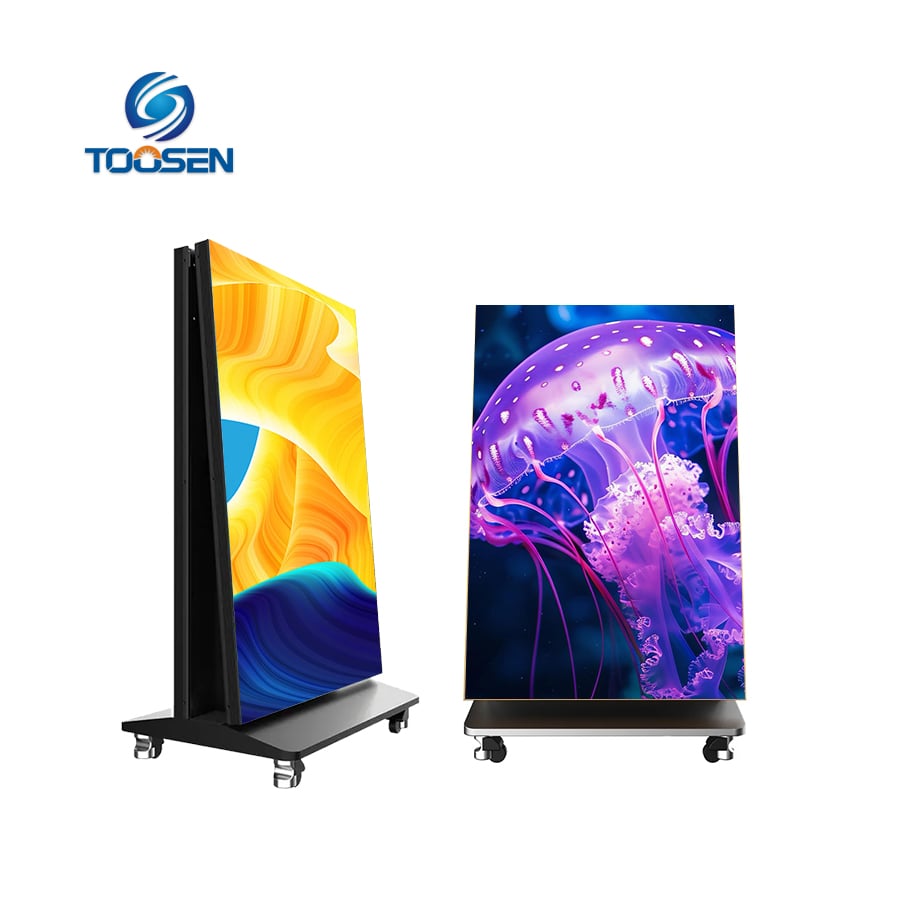
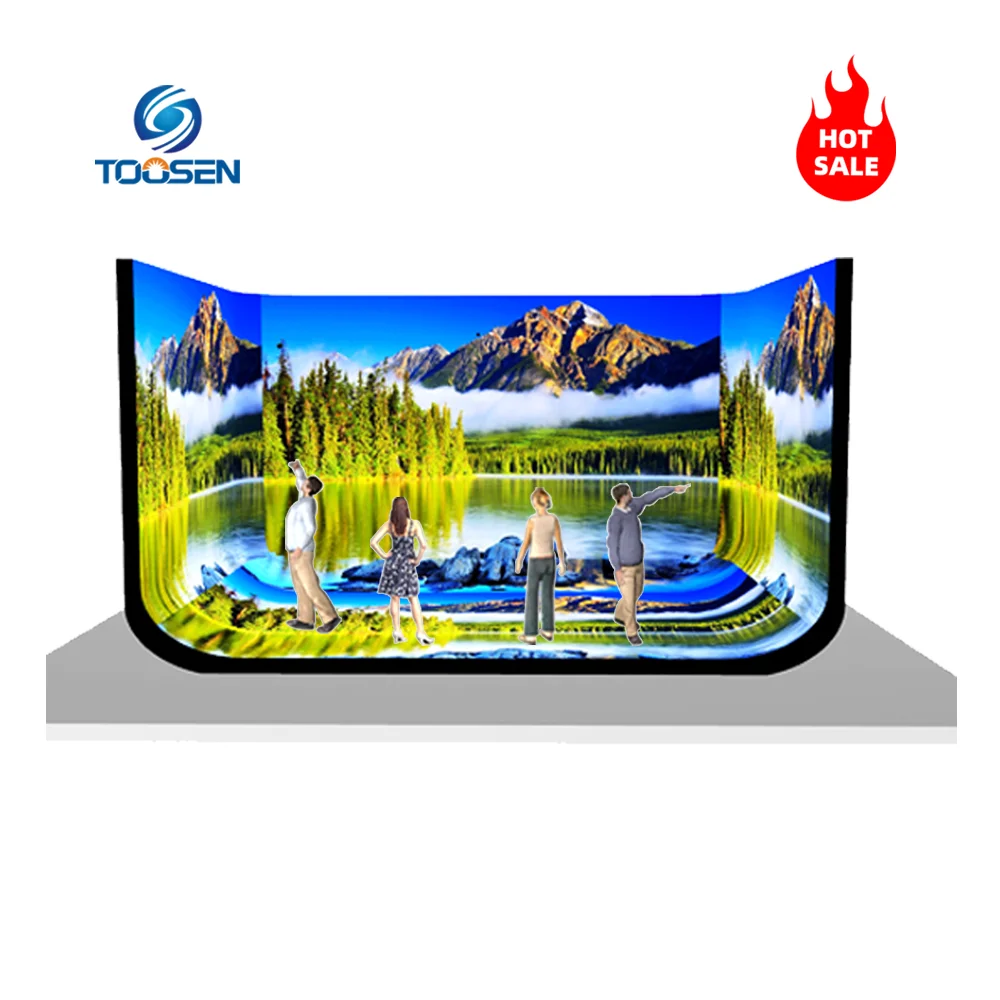
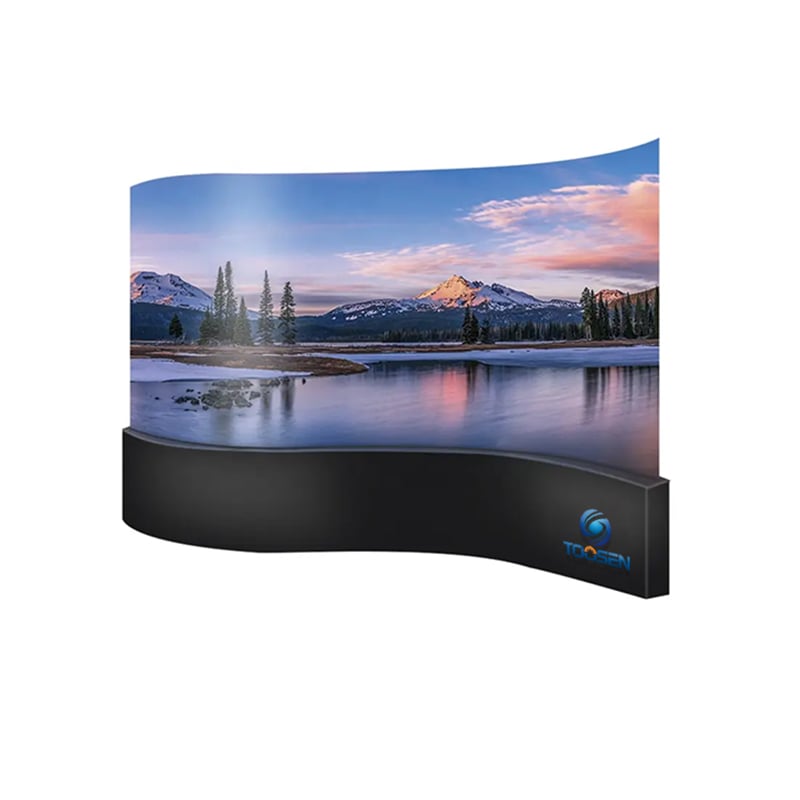
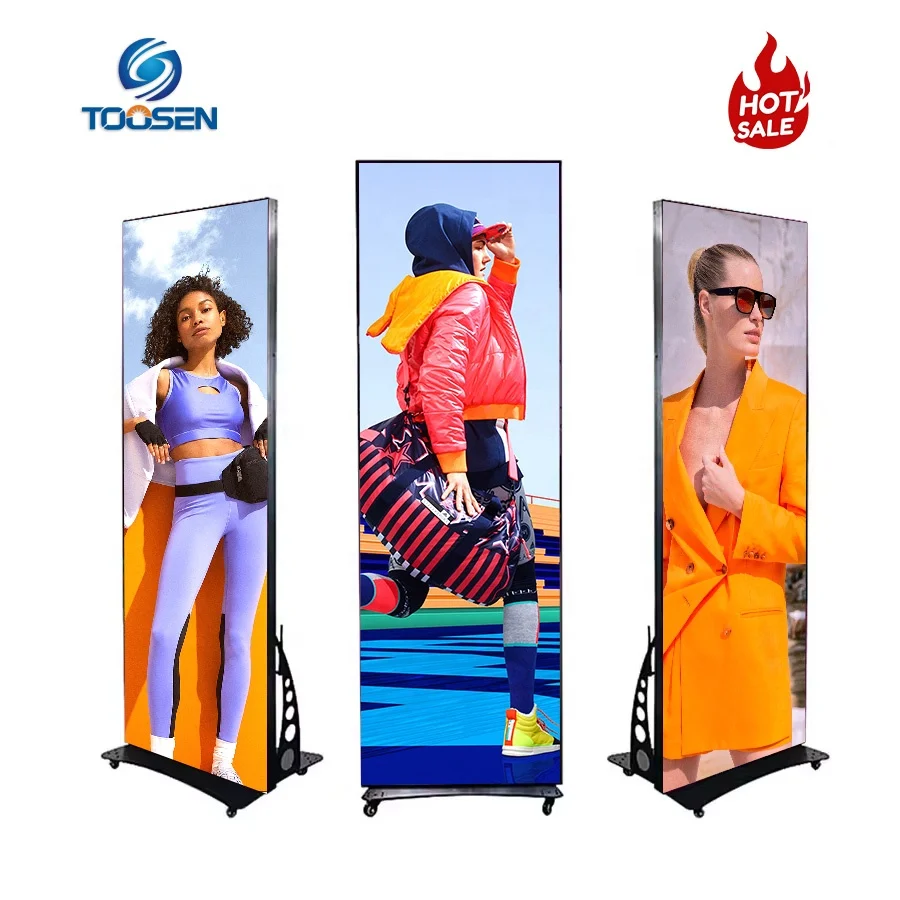
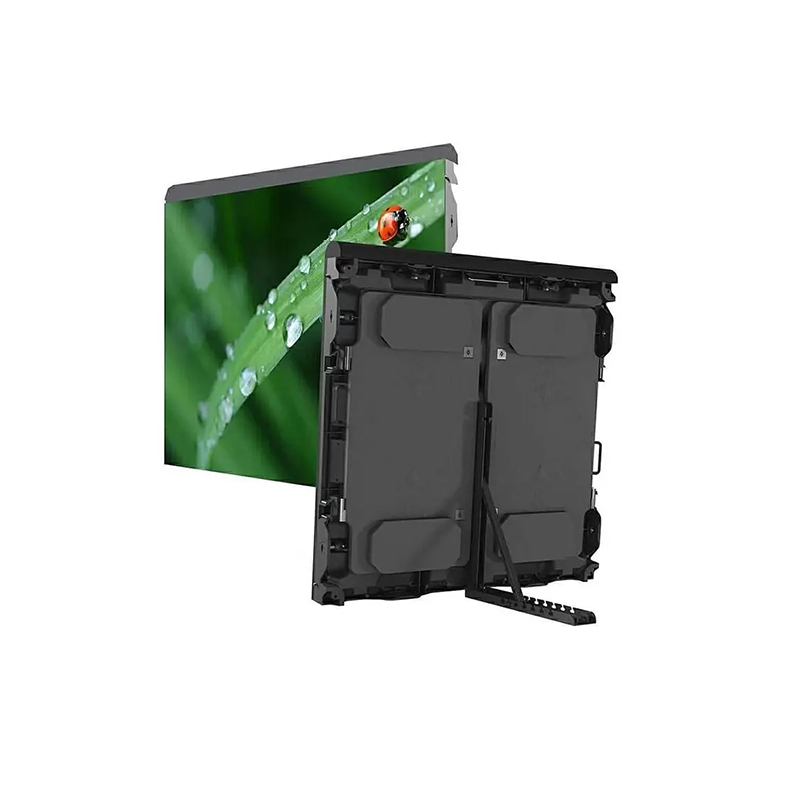
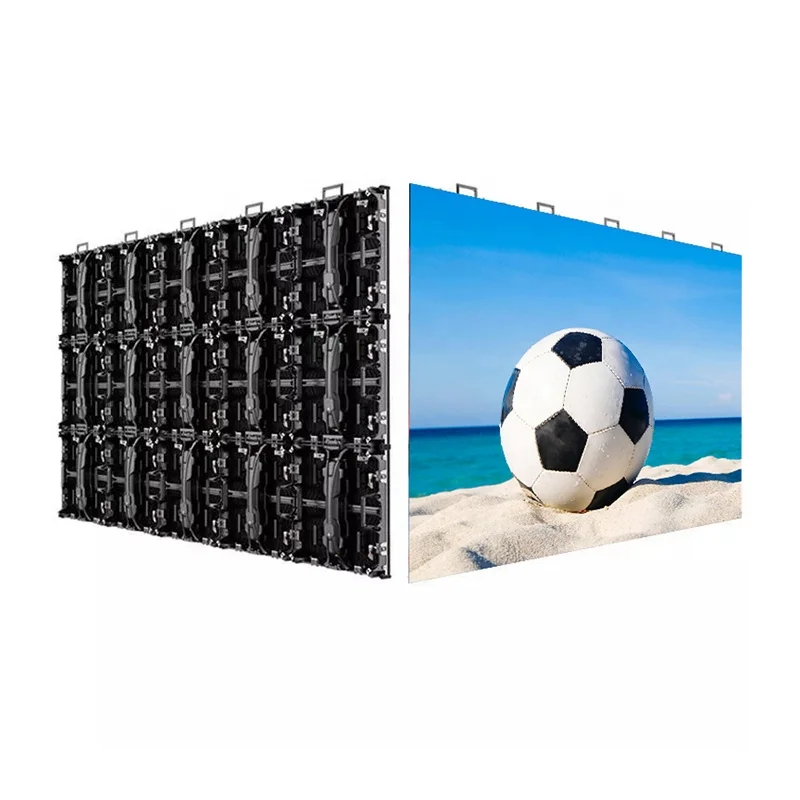
कोई भी आधुनिक खुदरा क्षेत्र या वाणिज्यिक परिसर में घूमें और आप इसे हर जगह देखेंगे—दीवारों पर लगी सपाट LED स्क्रीनें, जो विज्ञापनों को बार-बार प्रस्तुत कर रही हैं। ये कार्यात्मक हैं, परिचित हैं, और सच कहूँ तो, इन्हें अनदेखा करना आसान है।
लेकिन किसी ऐसी जगह में कदम रखें जहाँ रचनात्मक अनुकूलित LED प्रदर्शन हो, और अनुभव तुरंत बदल जाता है।
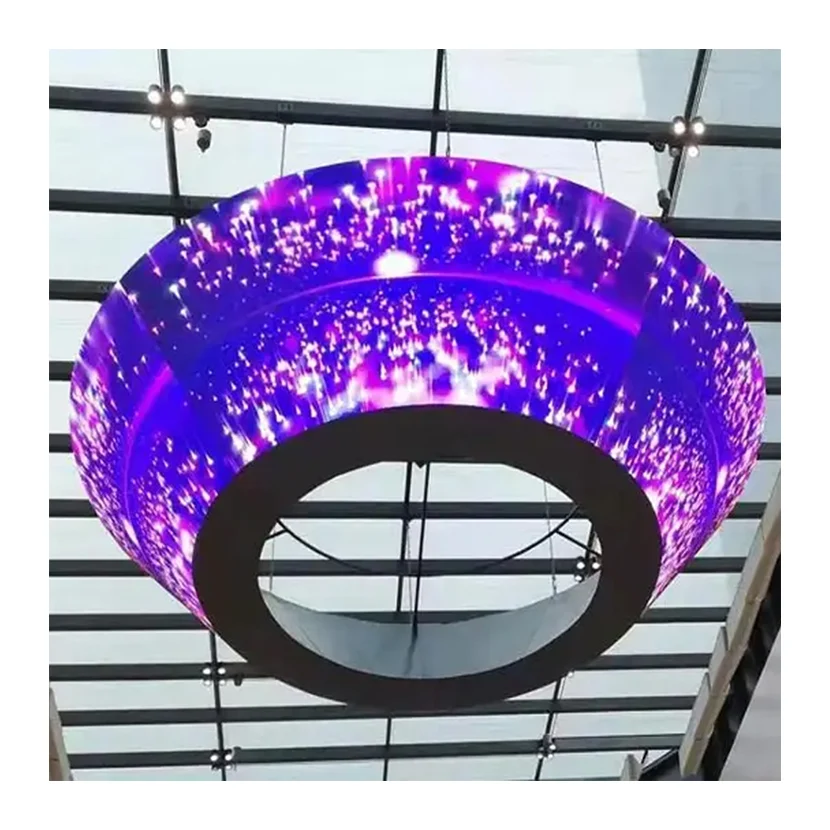
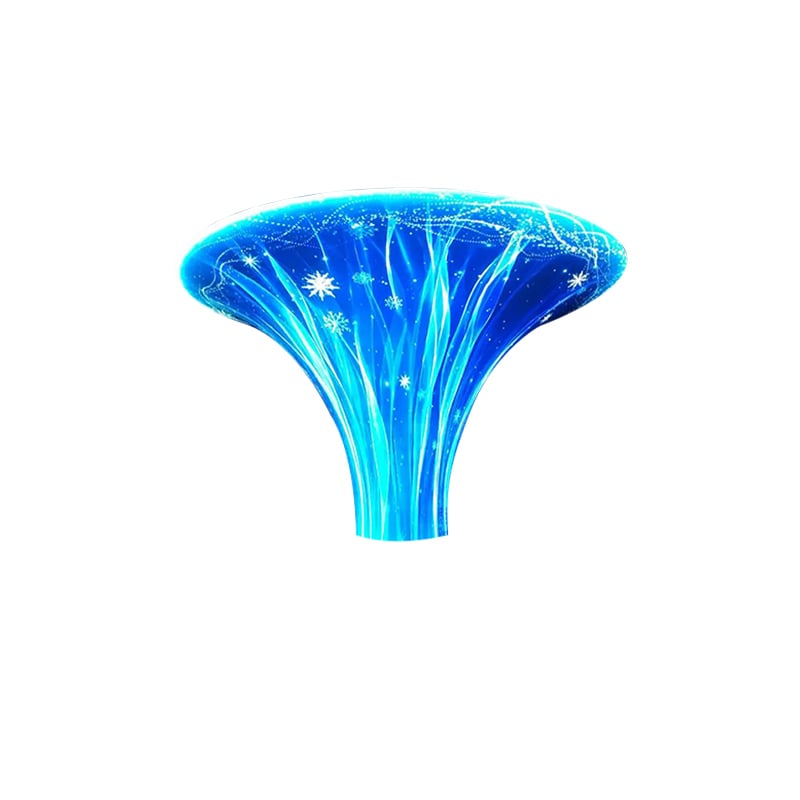
वक्रित छतें गति के साथ लहराती हैं। बेलनाकार स्तंभ जीवंत हो उठते हैं। तीव्र अनुभूति वाले सुरंगें आपको आगे की ओर आकर्षित करती हैं। ये केवल स्क्रीनें नहीं हैं—ये त्रिआयामी अनुभव हैं।
सपाट स्क्रीनें यह काम बिल्कुल नहीं कर सकतीं।
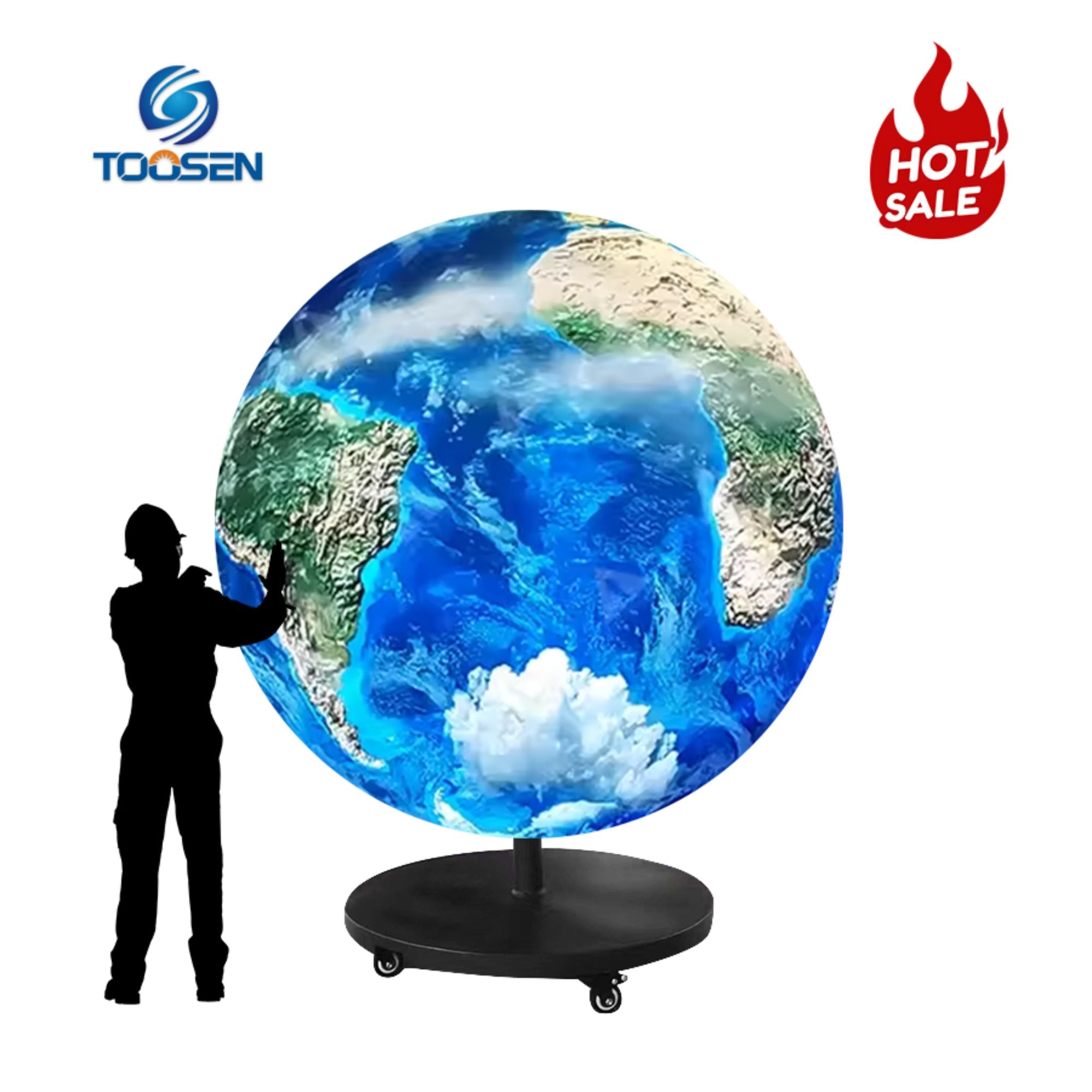
रचनात्मक LED प्रदर्शन (जिन्हें अनियमित या अनुकूलित आकार की LED स्क्रीनें भी कहा जाता है) मानक आयताकार प्रारूप से अलग होते हैं। इनके बजाय, डिज़ाइनर इन्हें वास्तुकला के रूपों, ब्रांड पहचान या कलात्मक अवधारणाओं के अनुरूप अनुकूलित करते हैं।
ये लगभग किसी भी आकार में बनाए जा सकते हैं, जिनमें शामिल हैं:
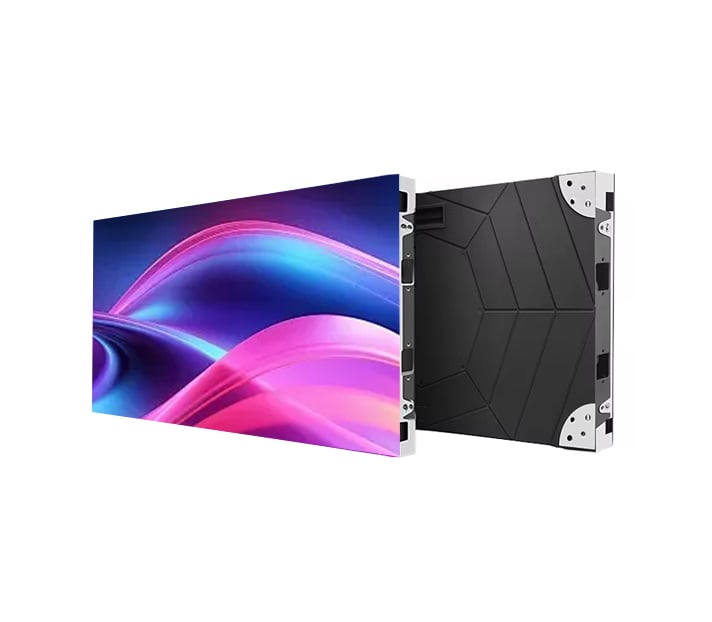
क्योंकि निर्माता इन प्रदर्शनों का निर्माण मॉड्यूलर एलईडी पैनलों का उपयोग करके करते हैं, वे इन्हें छवि की गुणवत्ता को कम न करते हुए जटिल ज्यामितियों के अनुकूल बना सकते हैं।
सपाट प्रदर्शन एक निश्चित फ्रेम के भीतर कार्य करते हैं। वे सामग्री प्रदान करते हैं—लेकिन वे दुर्लभता से ही स्थान को बदलते हैं।
दूसरी ओर, रचनात्मक एलईडी स्थापनाएँ लोगों के वातावरण के साथ अंतर्क्रिया करने के तरीके को पुनः परिभाषित करती हैं।
| सपाट स्क्रीन | रचनात्मक एलईडी डिस्प्ले |
|---|---|
| निश्चित आयताकार प्रारूप | असीमित आकृतियाँ और आयाम |
| निष्क्रिय दृश्य | तात्कालिक, स्थानिक अंतःक्रिया |
| ध्यान से चूक जाने वाला | ध्यान आकर्षित करने के लिए डिज़ाइन किया गया |
| सामग्री-केंद्रित | अनुभव-संचालित |
सपाट स्क्रीन सामग्री प्रदर्शित करती हैं। रचनात्मक प्रदर्शन सामग्री का हिस्सा बन जाते हैं .
खुदरा विक्रेता पैदल यातायात आकर्षित करने और ठहरने के समय को बढ़ाने के लिए अनुकूलित LED प्रदर्शन का उपयोग करते हैं।
इस परिणामस्वरूप, ब्रांड्स स्थिर प्रदर्शनों के बजाय यादगार वातावरण निर्मित करते हैं।
संग्रहालय, प्रदर्शनी और थीम पार्क आकर्षक दृश्यों पर भारी निर्भरता रखते हैं।
ये स्थापनाएँ केवल सूचित नहीं करतीं—बल्कि भावनात्मक रूप से भी संलग्न करती हैं।
कंपनियाँ नवाचार और पहचान को मजबूत करने के लिए अनियमित LED स्क्रीन का उपयोग करती हैं।
यह दृष्टिकोण ब्रांड को भविष्य-उन्मुख और तकनीकी रूप से उन्नत के रूप में स्थापित करता है।
शहर बढ़ती तेजी से सार्वजनिक वातावरण में LED मीडिया वास्तुकला को एकीकृत कर रहे हैं।
ये परियोजनाएँ बुनियादी ढांचे को दृश्य आकर्षण में बदल देती हैं।
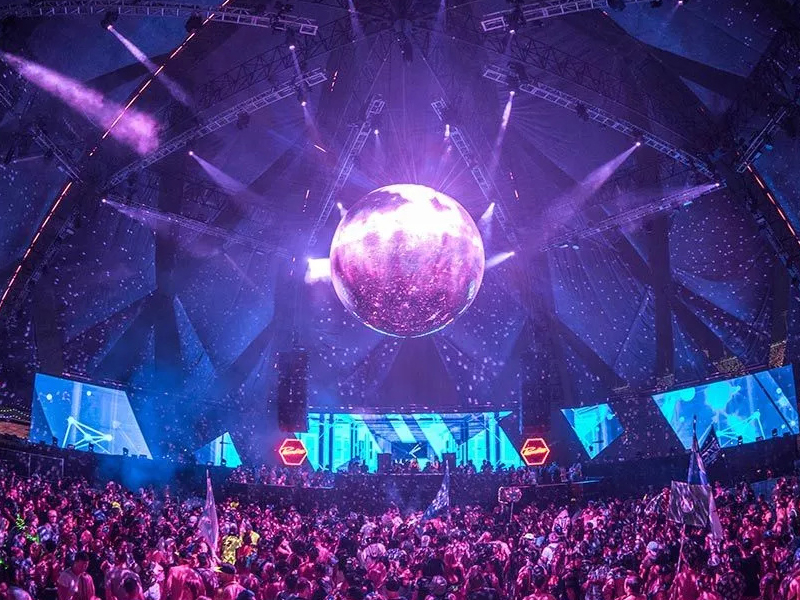
एक स्क्रीन को किसी स्थान में जबरदस्ती फिट करने के बजाय, डिज़ाइनर स्थान के चारों ओर स्क्रीन का निर्माण करते हैं।
इससे उत्पन्न होता हैः
अनियमित आकृतियाँ स्वाभाविक रूप से ध्यान आकर्षित करती हैं। जब इन्हें गतिशील ग्राफ़िक्स के साथ जोड़ा जाता है, तो वे:
लोग सिर्फ देखते नहीं हैं—वे अनुभव करते हैं।
डिज़ाइनर्स अब आयताकार सीमाओं द्वारा प्रतिबंधित नहीं हैं।
वे कर सकते हैं:
यह पूरी तरह से नई कहानी कहने की संभावनाओं को अनलॉक करता है।
उनके जटिल दिखने के बावजूद, कस्टम LED डिस्प्ले मानकीकृत मॉड्यूलों पर निर्भर करते हैं।
इसका अर्थ है:
जटिल दृश्यों के लिए जटिल बुनियादी ढांचे की आवश्यकता नहीं होती—बस बुद्धिमान डिज़ाइन की आवश्यकता होती है।
रचनात्मक स्वतंत्रता के लिए भी इंजीनियरिंग अनुशासन की आवश्यकता होती है।
इन कारकों को अनदेखा करने से प्रदर्शन और उपयोग की अवधि दोनों पर नकारात्मक प्रभाव पड़ सकता है।
अनुकूलित सामग्री के बिना एक कस्टम LED डिस्प्ले एक यादगार अवसर को छोड़ना है।
प्रभाव को अधिकतम करने के लिए:
दूसरे शब्दों में, एक रचनात्मक डिस्प्ले को एक सपाट स्क्रीन की तरह न समझें—क्योंकि यह ऐसी नहीं है।
जैसे-जैसे वास्तुकला और डिजिटल मीडिया लगातार एकीकृत हो रहे हैं, रचनात्मक LED डिस्प्ले की मांग केवल बढ़ती जाएगी।
हम उन वातावरणों की ओर बढ़ रहे हैं जहाँ:
सपाट स्क्रीन का हमेशा अपना स्थान होगा—लेकिन वे उन अनुभवों के सामने प्रतिस्पर्धा नहीं कर सकतीं जो लोगों के एक स्थान को देखने और महसूस करने के तरीके को पुनर्गठित करते हैं।
यदि आपका लक्ष्य केवल सूचना प्रदर्शित करना है, तो एक सपाट स्क्रीन कार्य करेगी।
लेकिन यदि आप चाहते हैं कि ध्यान आकर्षित करें, आकर्षण का वातावरण निर्मित करें, और एक स्थायी प्रभाव छोड़ें , तो आपको कुछ और की आवश्यकता है।
क्योंकि आज की दृश्य दुनिया में, अलग दिखाई देना वैकल्पिक नहीं है।
और सपाट स्क्रीन यह कार्य नहीं कर सकतीं।
 EN
EN
 AR
AR
 BG
BG HR
HR
 CS
CS
 DA
DA
 NL
NL
 FI
FI FR
FR
 DE
DE EL
EL
 HI
HI
 IT
IT JA
JA
 KO
KO
 NO
NO PL
PL PT
PT RO
RO
 RU
RU
 ES
ES
 SV
SV
 TL
TL
 ID
ID
 SR
SR
 UK
UK VI
VI
 ET
ET
 HU
HU
 TH
TH
 TR
TR
 FA
FA
 AF
AF
 MS
MS
 GA
GA
 HY
HY
 AZ
AZ
 MN
MN
 UZ
UZ