Home > News > Industry News
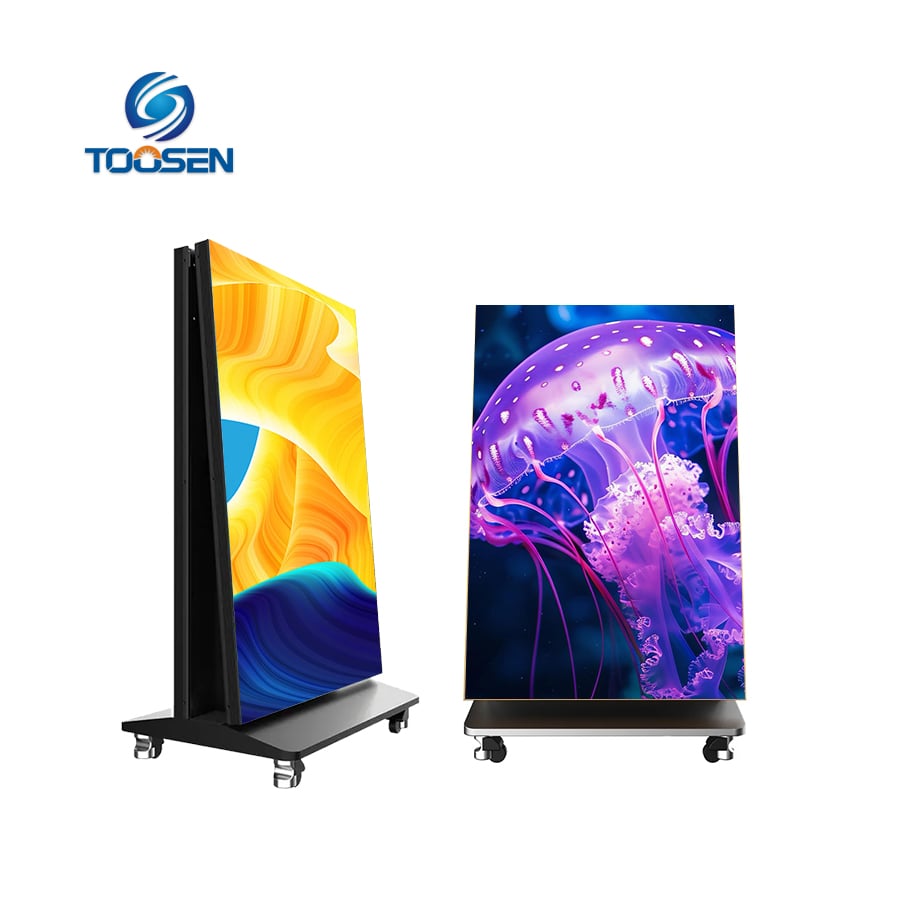
specialize in manufacturing high-performance flexible LED displays that offer unmatched versatility for both indoor and outdoor applications. Whether you're looking to create a curved stage backdrop, a dynamic advertising screen, or an immersive digital installation, our flexible LED screens deliver stunning visuals with seamless curves and lightweight portability.
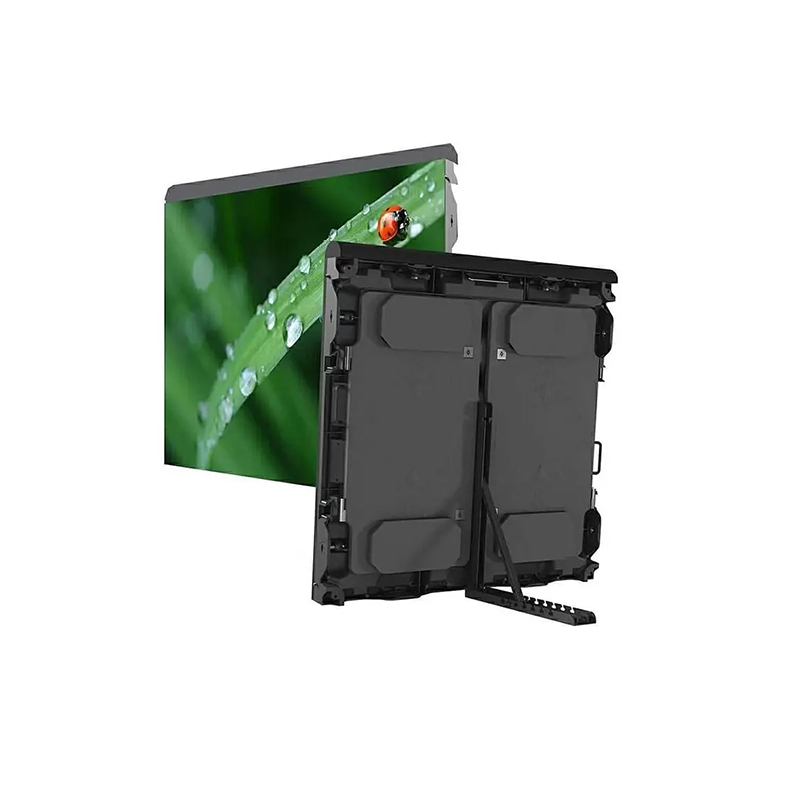
Our flexible LED screens are built using multiple advanced packaging technologies — including SMD, MIP, and COB — each engineered to meet the demands of different environments. From high-impact live events to durable rental setups and premium retail experiences, we offer tailored display solutions that match your project’s unique requirements.
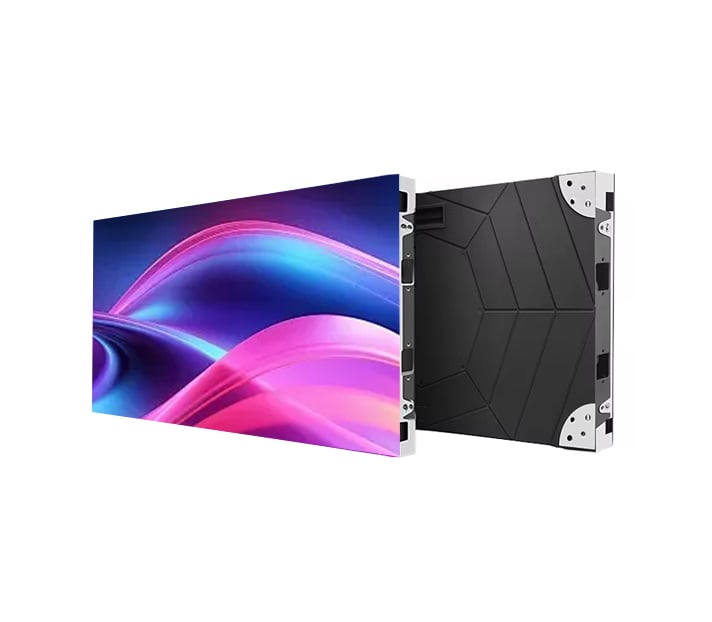
The P1.53 Flexible LED Screen from Toosen represents the pinnacle of display engineering. By merging ultra-fine 1.53mm pixel pitch with a highly bendable chassis, this technology allows designers to project high-definition imagery onto surfaces that were previously impossible to cover.
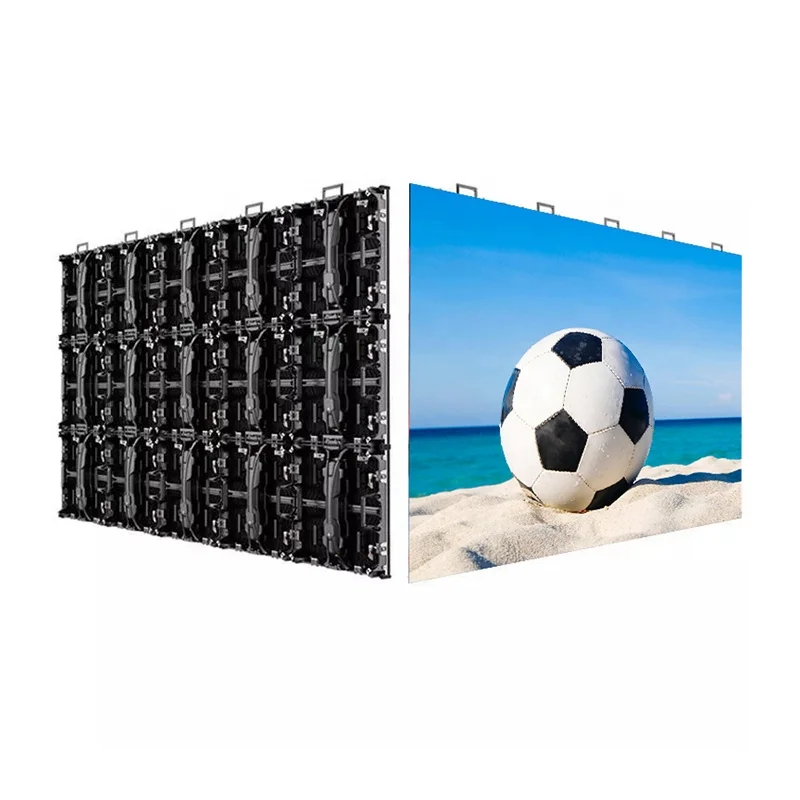
With a pixel density of approximately 420,000 dots/㎡, these 320×160mm modules deliver crisp, vibrant visuals even when viewers stand just a few feet away.
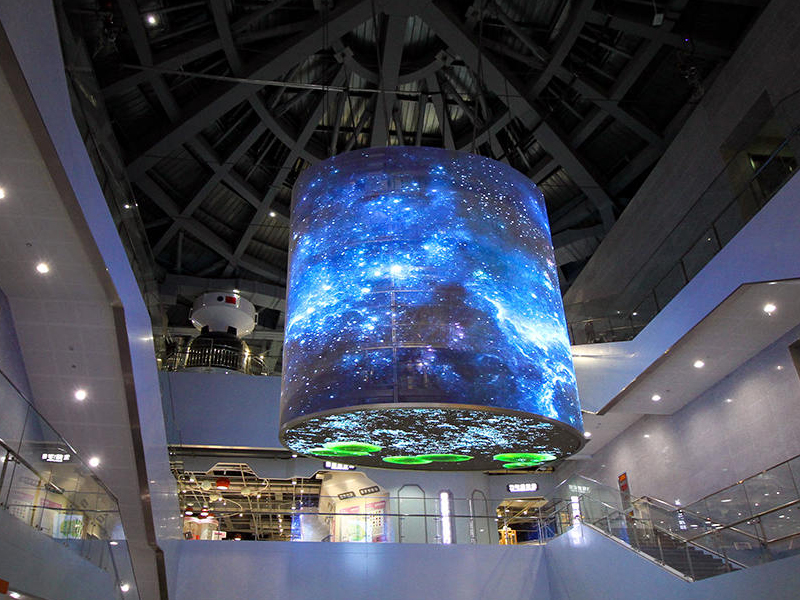
The P1.53 module does not just display content; it transforms environments. Here is how different industries leverage its unique properties:
In high-end boardrooms, these screens integrate seamlessly with wireless casting and video conferencing systems. They support 4-way split-screen displays and multi-terminal interaction with a staggering 10ms low latency, ensuring your meetings flow without a hitch. Furthermore, command centers utilize this clarity for data visualization, maintaining sharp detail at close range.
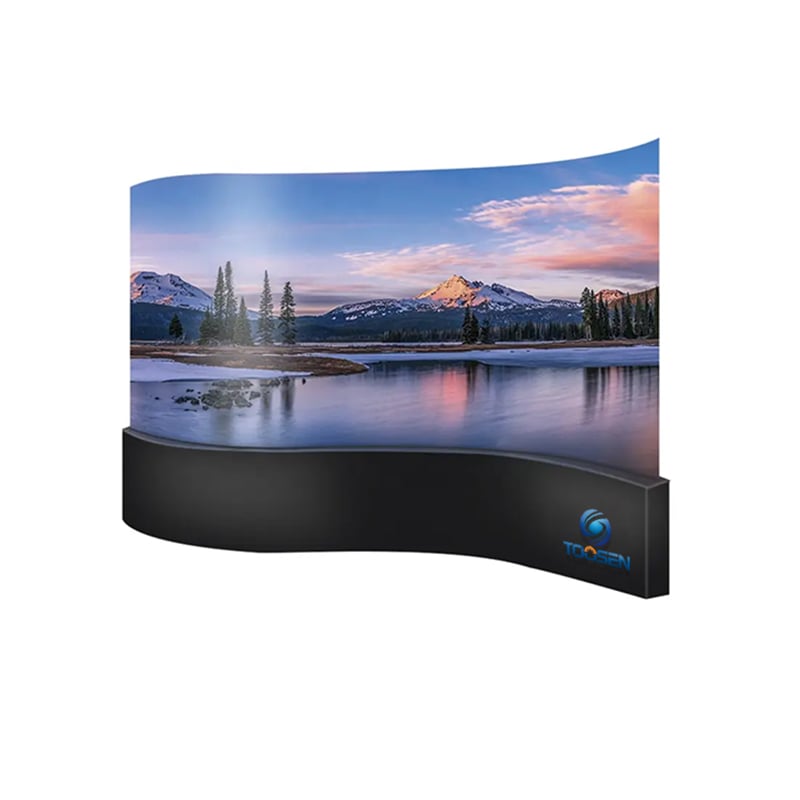
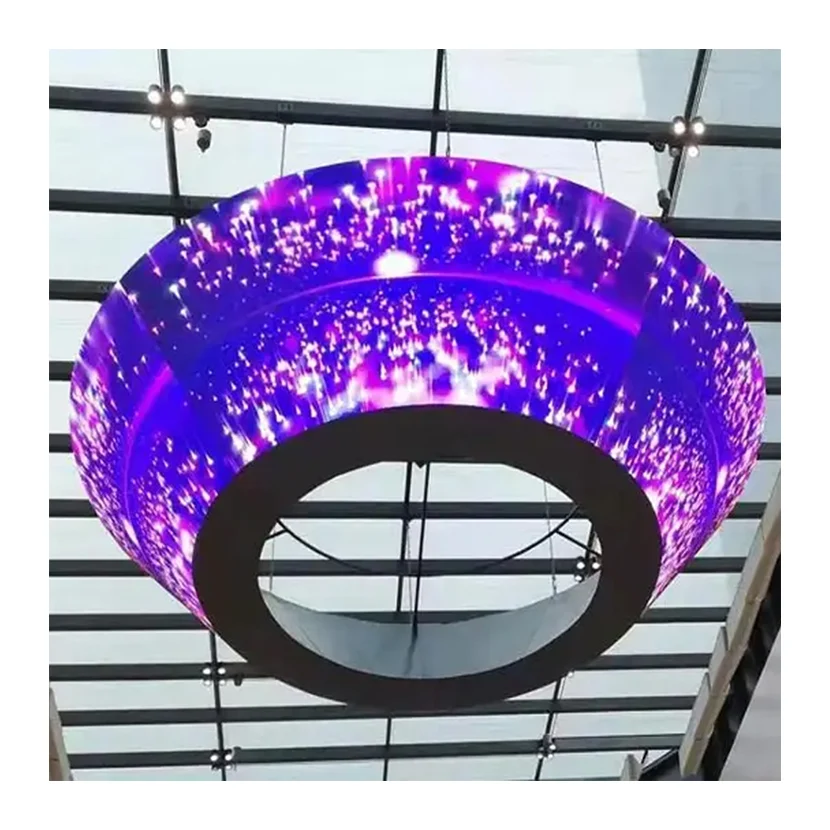
Modern shopping malls and luxury hotels use curved or "wave-shaped" displays to shatter the monotony of flat walls. By wrapping screens around pillars or curving them along concourses, brands grab attention and elevate the architectural prestige of their space.
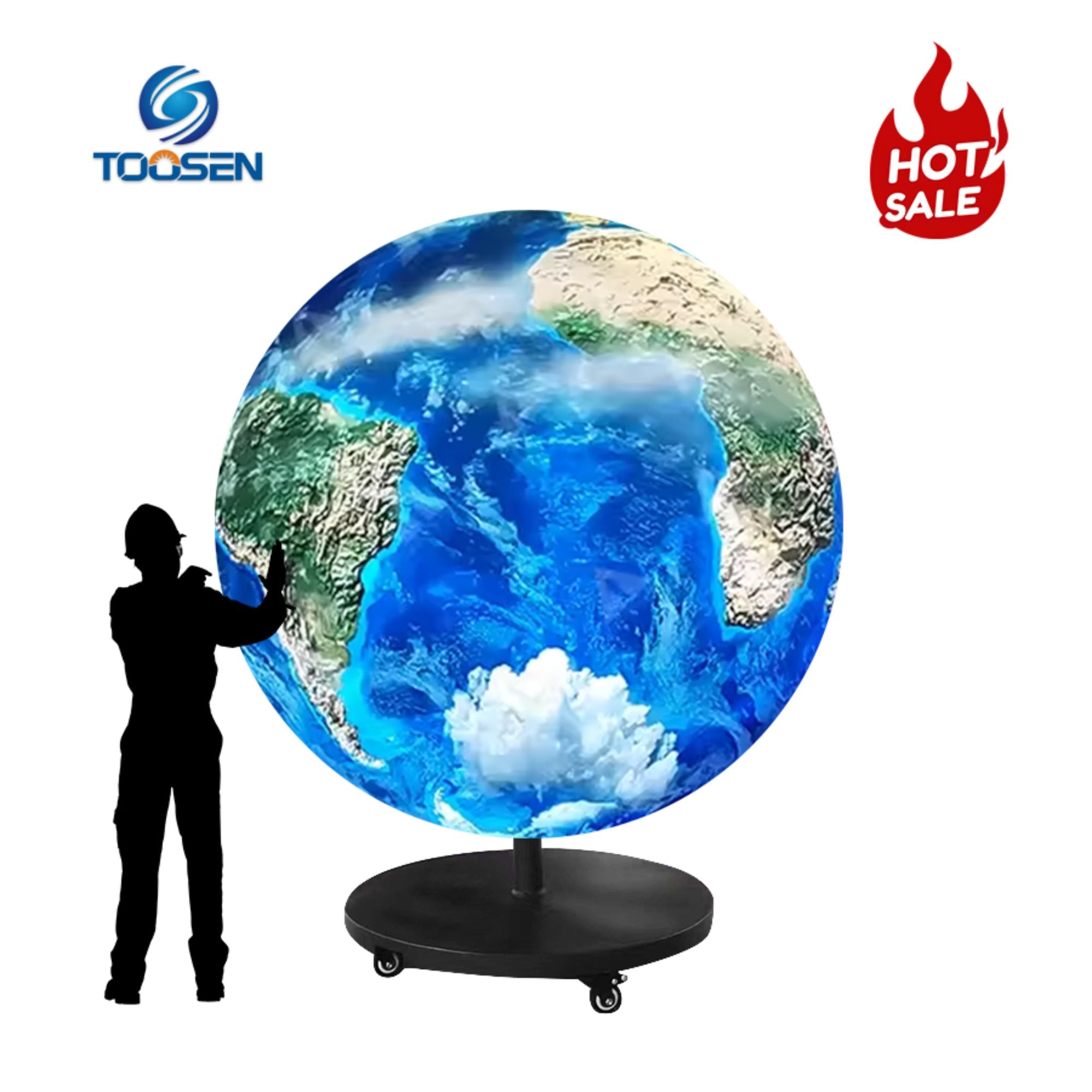
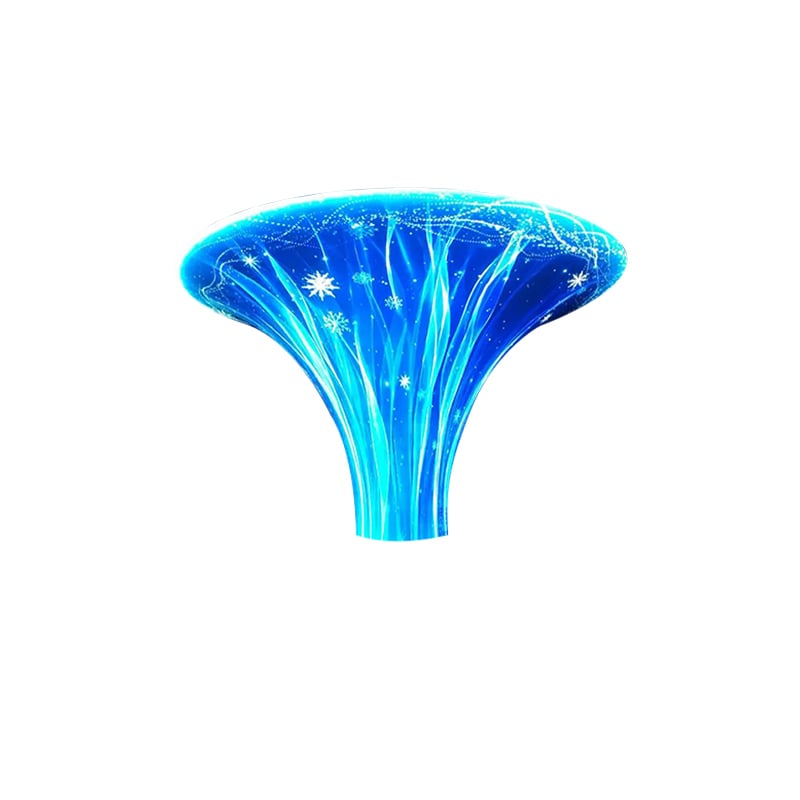
Because the module supports both inward and outward bending, it serves as the building block for cylindrical screens, 360° spheres (such as 1.8m diameter globes), and ribbon-like art installations. These forms create a "wow factor" that traditional rigid panels simply cannot replicate.
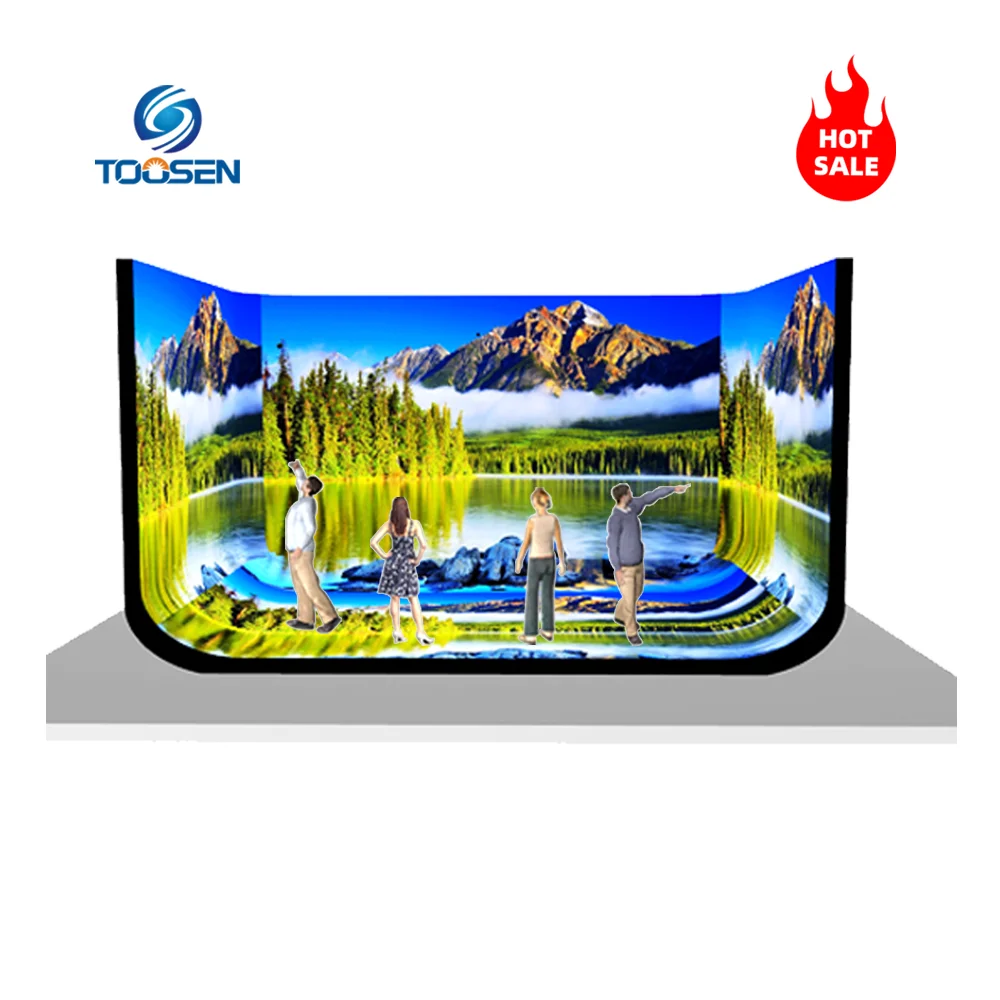
Museums and theme parks use these flexible carriers to create immersive domes and interactive exhibit zones. The screen bends to fit the narrative, wrapping the audience in a seamless digital story.
While flexible technology offers immense creative freedom, it requires specific technical care to ensure longevity.
Challenge: Tight curves can sometimes cause "mosaic effects" or color shifts at the seams. Solution: To prevent this, always perform pixel-to-pixel calibration after installation. We recommend a curvature radius of ≥500mm. Moreover, selecting high-quality modules that support a bend angle of ±15° or more will ensure the image remains consistent across the entire arc.
Challenge: Flexible screens may develop slight bulges or dents, disrupting the viewing angle. Solution: Utilize a high-precision magnetic suction structure for installation. This method allows for micro-adjustments to meet the industry standard of ≤1mm flatness error, ensuring a flawless, glass-like finish.
Challenge: Flexible substrates naturally dissipate heat slower than rigid aluminum frames, which can accelerate light decay. Solution: To extend the lifespan of your LEDs, maintain an average brightness of ≤300 nits and ensure at least 10cm of ventilation space behind the screen. In addition, avoid running the display at 100% capacity 24/7 to keep the diodes cool and vibrant.
Challenge: Unusual geometries often make traditional rear-access maintenance impossible. Solution: Prioritize front-maintenance magnetic modules, which allow you to swap out a faulty unit in seconds without dismantling the entire structure. For long-term health, inspect your connections weekly and clean the surface monthly with a dry, soft cloth. Never use corrosive cleaners like alcohol or ammonia, as they will damage the delicate flexible circuitry.
 EN
EN
 AR
AR
 BG
BG
 HR
HR
 CS
CS
 DA
DA
 NL
NL
 FI
FI
 FR
FR
 DE
DE
 EL
EL
 HI
HI
 IT
IT
 JA
JA
 KO
KO
 NO
NO
 PL
PL
 PT
PT
 RO
RO
 RU
RU
 ES
ES
 SV
SV
 TL
TL
 ID
ID
 SR
SR
 UK
UK
 VI
VI
 ET
ET
 HU
HU
 TH
TH
 TR
TR
 FA
FA
 AF
AF
 MS
MS
 GA
GA
 HY
HY
 AZ
AZ
 MN
MN
 UZ
UZ